After spending 20 years climbing the corporate ladder in retail operations and sales, Jessie Koh found herself craving something she could shape with her own hands.
Increasingly mundane work days began prompting her to return to the creativity she grew up with: a father that built furniture and a mother that sewed garments.
Starting with simple tools, Koh discovered silversmithing – and with it, a new creative language.
Inspired by the Peranakan heritage that shaped her as a person, her designs soon grew into JK Gems and Jessie’s Trinket Trove, brands that reflect her commitment to handcrafted jewellery and cultural storytelling.
Koh, who led a team of 150 in her previous role in retail sales and operations, felt that working with her hands gave her clarity.
“I felt like I needed to live again,” says Koh, who has been making jewellery for over eight years.
In silversmithing, she found something tangible – work she could hold, shape and claim as her own.
“Each piece reflects time, skill and experience, and that is deeply satisfying,” says Koh, who also teaches her craft through workshops.
“There is a quiet honesty in the process because I can see, feel and complete something from start to finish with my own hands.”
“The metal responds to patience, not urgency and that taught me to slow down, listen, and trust the process in a way spreadsheets and meetings never could,” she says.
What do you think is driving the renewed interest in handmade objects today?
Handmade objects feel personal in a way most modern products do not.
People are surrounded by things that look the same and are easily replaced.
A handcrafted piece feels intentional and imperfect in a beautiful way. It carries authenticity because it reflects real hands, real time and real decisions made in the moment.
That honesty resonates with people who want objects that feel genuine, not manufactured for trends.
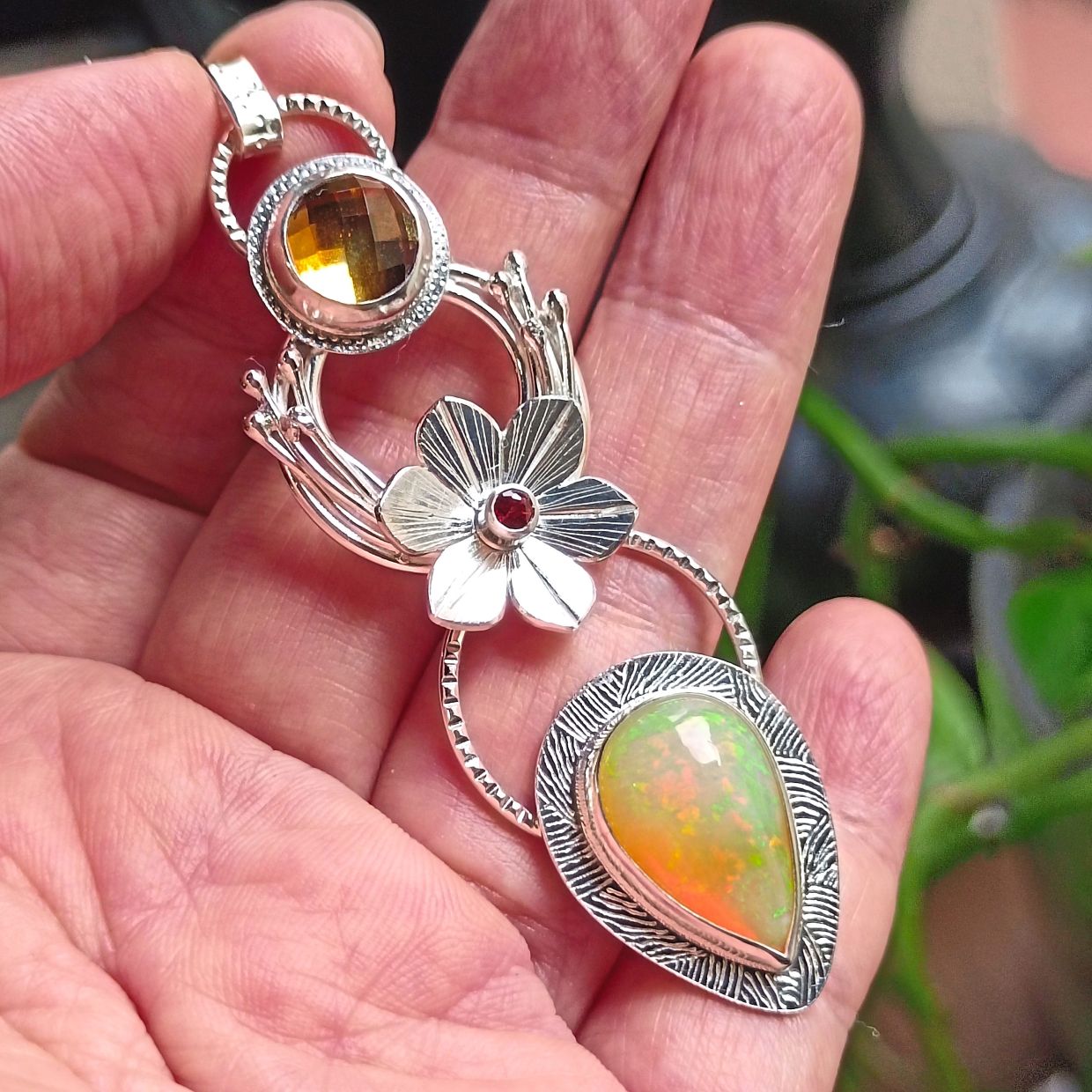
Preservation begins with intention. I’m staying true to the cultural references and craftsmanship techniques that define the heritage.
Reinterpretation happens in how the piece fits into modern life, how it is worn, how it feels and how it complements contemporary aesthetics.
This balance allows the jewellery to honour its roots while speaking to a present day audience.
Read more: How Malaysian designer Natasha Khan shapes fashion – and the next-gen talent
Apart from adornment, what do you think jewellery can offer – and why do people feel such a strong connection to handmade pieces?
Beyond adornment, jewellery carries stories.
It can represent memory, identity or a sense of belonging.
Many of my existing clients look forward to seeing what I create next because they connect with the narrative behind some of the pieces, not just how it looks.
Handmade jewellery feels honest and individual, and knowing that something was shaped by hand rather than produced in volume creates a meaningful bond between me, the maker and the wearer.
There is a tangible sense of excitement when the jewellery resonates with people.
Even passersby who may not make a purchase often pause, smile and engage, and you can see genuine delight in their expressions. Those moments are deeply affirming.
Seeing how the work sparks joy and curiosity motivates me to continue creating, because it reminds me that craft has the power to connect, uplift and leave a positive emotional imprint on people.
At markets, people often pause to watch you work. Why is it important for you to demonstrate your process?
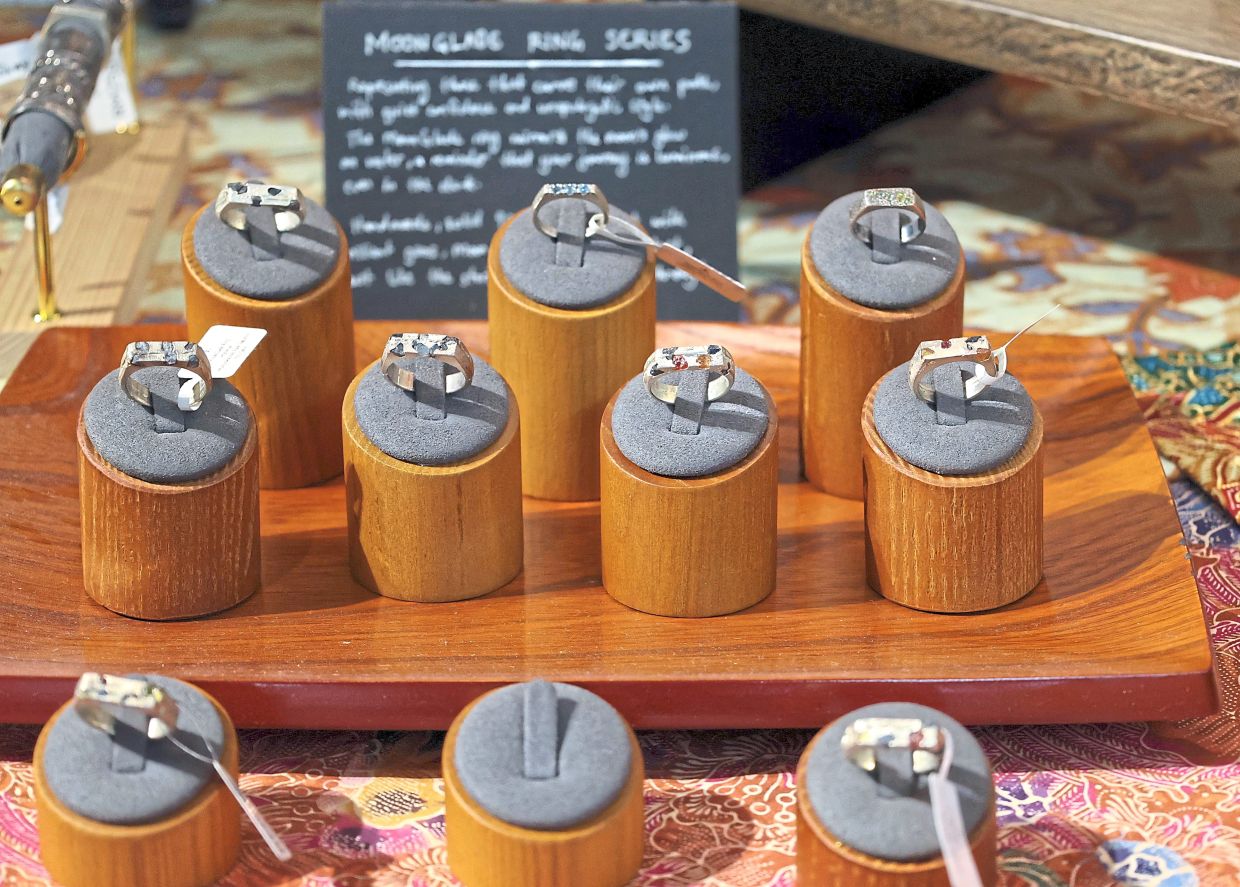
The making-of process is where the story lives. By sharing it openly, I show people the care, skill and intention behind each piece.
It shifts the focus from just the final object to the craft itself, helping people understand why handmade jewellery carries a different kind of value.
Showing the process invites people to slow down and understand what goes into a piece of jewellery.
When they see the time, skill and steps involved, they begin to appreciate craftsmanship on a deeper level. It builds trust and respect, not just for my work, but for handmade jewellery as a whole.
At markets, people often ask where I import my jewellery from, even after I tell them that I make them by hand. That question reflects how uncommon it is to see jewellery being made in front of you.
By working openly at markets, I can show the process in real time and remove any doubt.
It builds credibility and trust, and helps people understand that these pieces are genuinely handmade, not sourced or mass produced.
Read more: Meet the tailor who turns red carpet outfits into flawless fashion moments
Metalsmithing remains a male-dominated field. What has your experience been like establishing yourself as a woman within it?
Being a woman in a male dominated field has made me very intentional about my practice, I have found dedication and openness can shift perceptions over time.
By being visible in my practice, teaching and creating, I focus on mastery, discipline and staying true to my voice.
The work itself becomes the strongest statement, allowing me to build respect and visibility on my own terms.
Carving out space as a woman has strengthened my confidence and reinforced my belief that craftsmanship belongs to anyone willing to commit to the work.
Given your passion for preserving craft, how do you see creative education contributing to the protection of cultural heritage?
Creative education builds understanding and appreciation through direct experience.
In my workshops, participants engage with traditional techniques firsthand and begin to understand the time, discipline, and skill involved in making something by hand. Teaching goes beyond technique.
It nurtures respect for craft and cultural heritage, allowing these traditions to continue in a way that feels relevant and lived, not distant or theoretical.