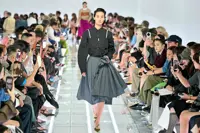
Milan Fashion Week said Friday (May 15) it would "invite" participating brands at its high-profile runway shows not to show fur, in a partial concession to animal rights activists following pressure.
The National Chamber of Italian Fashion (CNMI), which organises fashion week, has been under pressure from animal activists to ban fur at the shows –- something fashion weeks in London, New York and various others have already done.
But the guidelines published Friday (May 15) fell short of activists' demands, making the request not to show fur voluntary.
Read more: Milan Fashion Week faces fresh pressure by activists to go fully fur-free
"CNMI believes that the most effective approach does not consist in imposing bans... but in issuing a request not to present, during the Milan Fashion Week shows, clothing, accessories, or any other item made of fur," the body said.
The new guidelines, to come into effect starting in September, include the chamber not using fur in its communications.
According to the chamber, materials excluded from the guidelines include shearling, vintage fur and fur obtained "by indigenous communities through traditional subsistence hunting practices".
Most fashion names who show at Milan Fashion Week have already gone fur-free, including the Armani Group, Dolce & Gabbana and Prada, but a major holdout has been Fendi, which began as a furrier.
In her first show for the brand, new Fendi designer Maria Grazia Chiuri showed a collection that included "remodelled" furs, or pieces from old furs reworked into new designs.
Read more: Will plant-based fur change how luxury fashion approaches sustainability?
In March, anti-fur activists demonstrated during the women's shows, unfurling banners that said "Milan Fashion Week Go Fur-Free".
Animal activists noted that CNMI's new guidelines fell short of the flat-out bans on fur seen in other fashion weeks, but nevertheless called it progress.
"Without a fur-free policy like those in place at New York and London Fashion Weeks, there is no guarantee that cruelty will be excluded from Milan's runways, but we hope this anti-fur statement encourages greater use of next-generation biomaterials, which are both beautiful and responsible," said Emma Hakansson of Collective Fashion Justice.
The European Commission has yet to rule on a 2023 citizens' initiative that called on the EU to ban fur farms and the killing of animals such as mink, foxes, raccoon dogs or chinchillas solely for their pelts.
Activists cite the cruelty inherent in fur farming, in which the animals are crammed into tiny wire battery cages before being gassed or electrocuted. – AFP