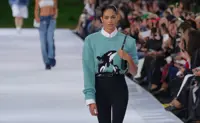
Stella McCartney used horses in her runway show last week to highlight cruelty-free fashion, but she is not the first designer to feature live animals.
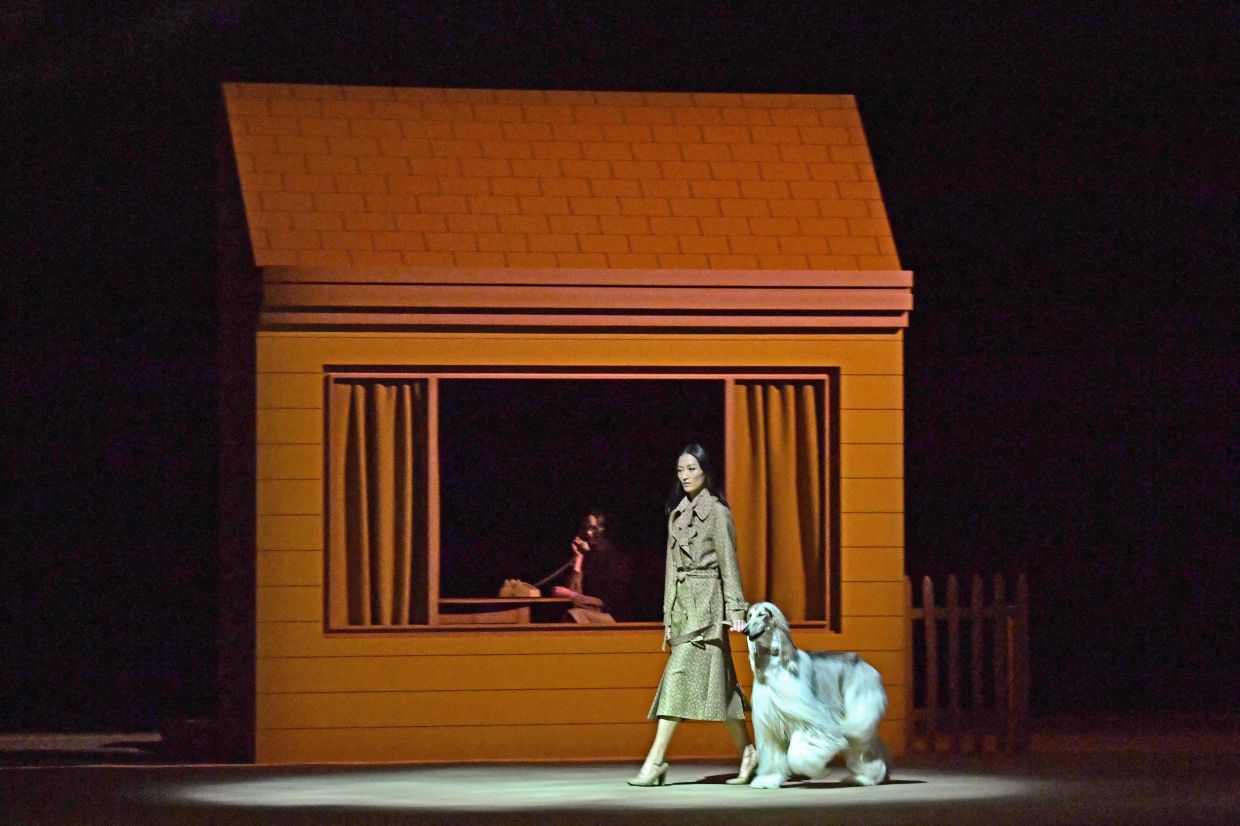
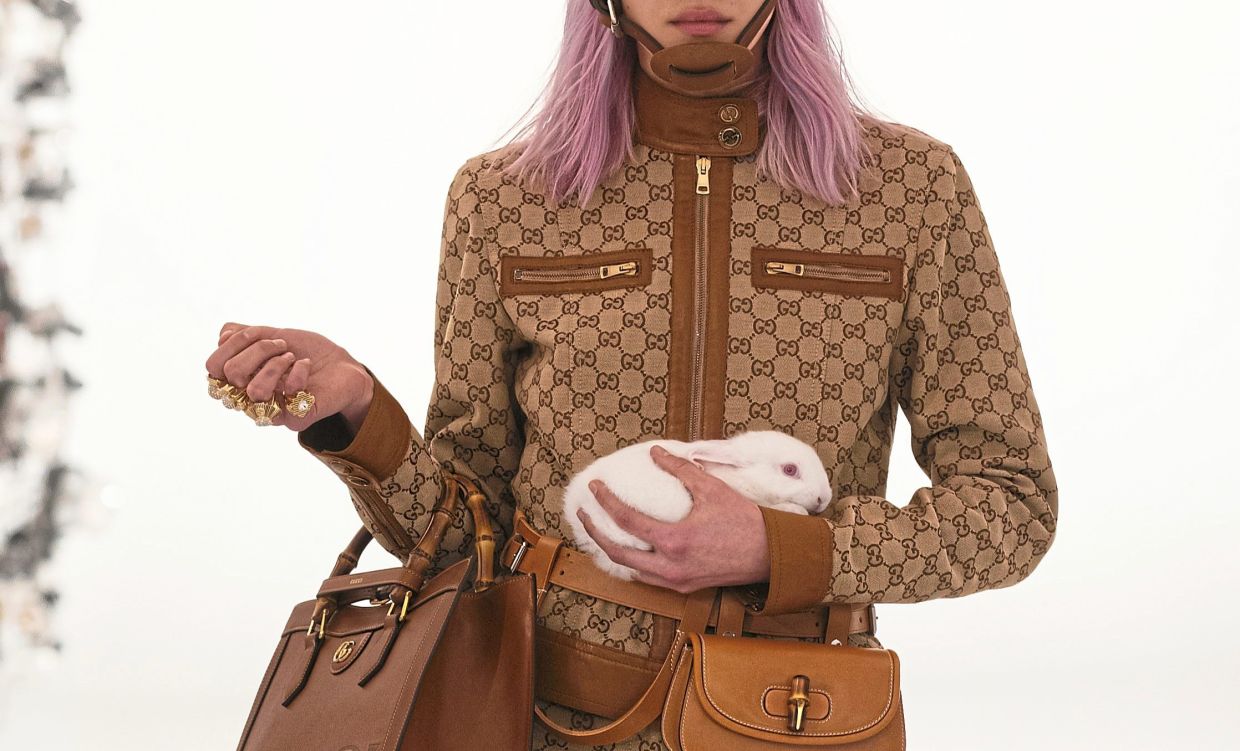
In the past, animals ranging from dogs to rabbits have appeared on fashion week runways. Ethical questions aside, live animals undeniably add spectacle – and spark conversation.
For McCartney, the message is clear: fashion can celebrate animals rather than consume them.
The horses in her Paris Fashion Week show, guided by equestrian artist Jean-Francois Pignon, moved in choreographed patterns around the oval ring as models walked its perimeter.
This is not the first time McCartney has incorporated horses. She also featured them in her Autumn/Winter 2023 show and campaign.
The British designer has long championed “green fashion”, campaigning for fashion houses and fashion weeks to go fully fur- and feather-free.
Last year, McCartney used AI-generated images of birds in her ad visuals, with the tagline “Save what you love”.
“When you see a pretty feather trim, or a puffer jacket with down filling, I don’t think you necessarily register that a bird has been killed. And we all love birds, right?” she told The Guardian.
“People don’t really like cows, for some reason, so it’s different when you talk about leather. But birds are beautiful, and it is time to bring this issue to the attention of the industry.”
Read more: Stella McCartney’s horseplay turns Paris runway into ethical fashion arena
A lifelong vegetarian (according to her brand’s website), McCartney also speaks out against the use of real leather in collections.
The fashion industry has faced renewed pressure to adopt more ethical practices, with designers, brands and fashion weeks increasingly exploring cruelty-free alternatives that align with both sustainability and style.
Animal activists have been turning up the heat at the recent Milan Fashion Week to push for a fully fur-free policy, with dozens protesting outside the Giorgio Armani show – even though the Armani Group went fur-free a decade ago.
Fendi, whose roots lie in fur, has so far resisted the trend.
Its new creative director, Maria Grazia Chiuri, even reintroduced fur to the runway for her debut collection, though it was done through upcycling, allowing clients to bring in vintage fur coats to be remodelled.
London Fashion Week has joined Copenhagen Fashion Week, Helsinki Fashion Week, Melbourne Fashion Week and Stockholm Fashion Week in shunning fur and wild skins.
Last year, New York Fashion Week announced that animal fur will be banned from its official schedule starting in 2026.
This leaves only Milan and Paris, among the big four fashion capitals, as the last holdouts still featuring real fur on their runways, highlighting the ongoing tension between tradition and ethical innovation in the industry.
Read more: 'Billions of birds killed': Stella McCartney calls for fashion world to change
Gucci’s Chinese New Year collection in 2023, celebrating the “Year of the Rabbit”, sparked backlash when products used rabbit felt.
Animal prints – such as leopard, zebra, and snake – have long appeared as seasonal trends, and are considered ethical because no animals are harmed.
However, critics argue that faux prints still glamorise the use of animal bodies and drive demand for real products – perhaps a concern similar to using live animals on runways.
When Kylie Jenner attended the 2023 Schiaparelli Haute Couture show in Paris wearing a strapless dress with a large, realistic faux-lion head, it sparked backlash, with social media users accusing her of glorifying trophy hunting.
The hardline belief is that using animals in any way – whether as a fashion statement or accessories – is still a form of exploitation and cruelty for fashion’s sake.