When you think about jewellery and the pieces you choose to buy and wear, there is something inherently personal about them.
They might mark a special moment – a birthday, engagement or wedding – or simply something you fall in love with and can’t stop thinking about.
These pieces have the power to evoke strong emotions.
Choosing jewellery that speaks to you can entail delightful hours of exploring different pieces, and it’s even more special if you can customise them.
They can also complete your look, whether by complementing it subtly or elevating it with a bold statement.
From sculptural silhouettes and fluid forms to delicate or striking designs, what you wear reflects your personal style, making each look distinctly your own.
A personal statement
Mandy Chan, founder of Moodd Jewelry, says personalisation is increasingly valued in subtle ways, with customers favouring meaningful details like initials, engravings or adjustable lengths to make each piece their own.
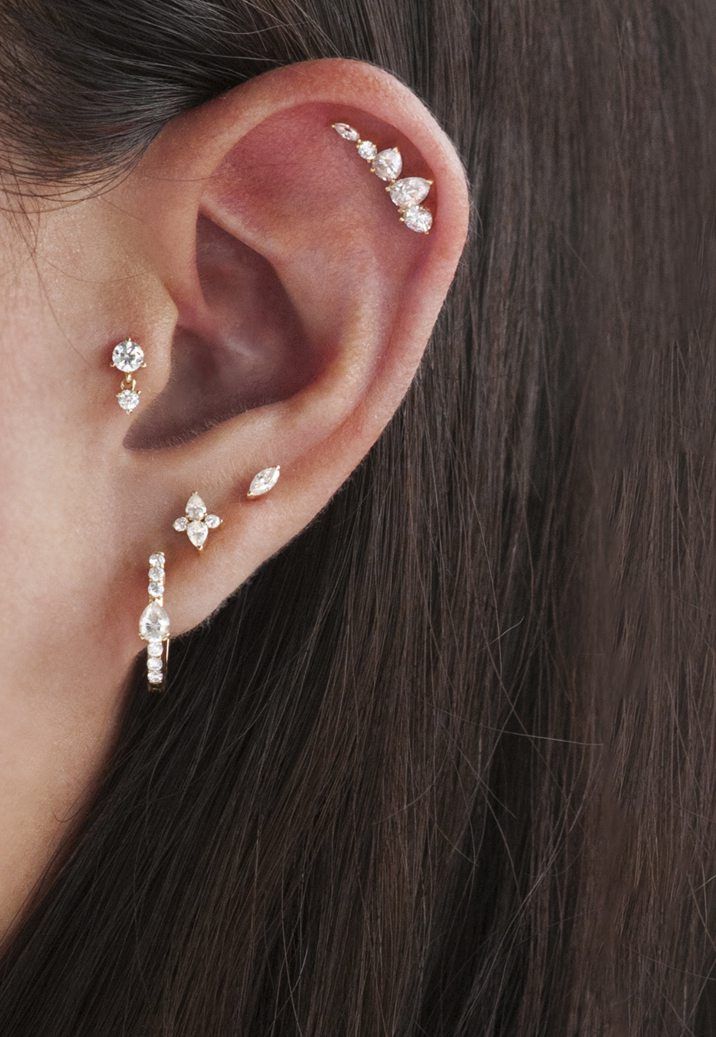
“There’s a strong preference for jewellery that can be worn daily – pieces that feel effortless, versatile, and easy to layer – but still have enough character to stand out in a quiet way,” says Chan.
Versatility is also something customers are looking for, such as jewellery that can transition seamlessly from day to night, according to Jenn Low of Wanderlust.
“At the same time, layering has become a form of self-expression. Instead of one bold statement piece, customers are curating their own stack of meaningful pieces,” says Low.
She adds that personalisation is a big part of this: “Whether it’s initials, zodiac elements or symbolic motifs, people want jewellery that reflects who they are or marks a moment in their lives. It’s less about following trends and more about emotional connection.”
Customisation is also a rising interest, says Jolvyn Chong, co-founder of Oranda Jewelry.
“Our customers tend to look for pieces that sit between everyday wear and statement, something they can live with daily, yet still feel characterful.
“Many come to us with an idea, a reference or even a stone they’ve kept, looking to turn it into something meaningful,” she says, adding that customers are becoming more thoughtful, choosing pieces that reflect their identity and last over time.
Read more: Big leg energy: Loved by celebrities, the barrel pants fashion trend endures
VLT Jewelry, which has moved from ready-to-wear to mainly bespoke and made-to-order pieces, focuses on jewellery that already feels like yours.
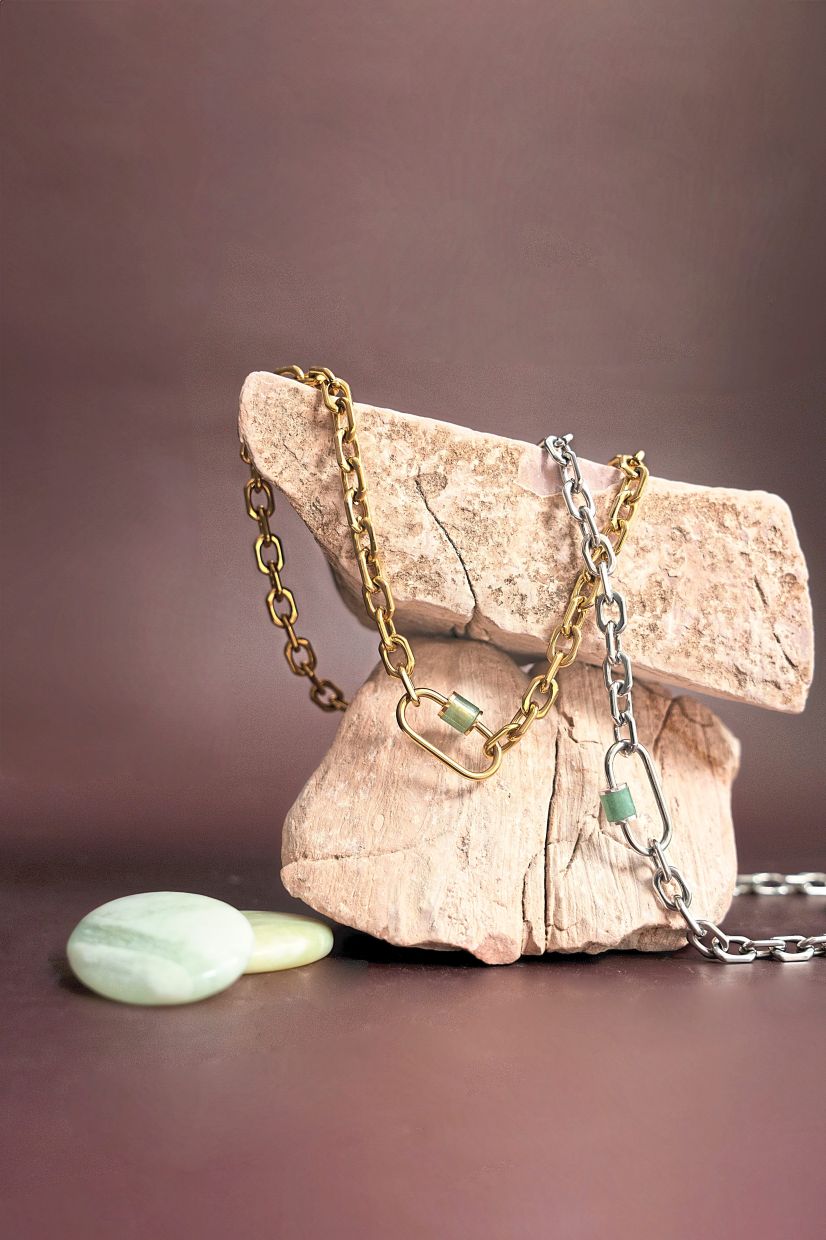
“And honestly, that’s where the fun is for me as a jewellery designer – translating someone’s very vague ‘I want something different but I’m not sure what’, into something very specific and wearable,” says Leonie Ng, creative director and co-founder of VLT Jewelry.
There’s also a clear move toward elevated everyday pieces – refined jewellery designed to be worn effortlessly, without a second thought.
Gung Jewellery founder Yinn Ooi says that while statement pieces are still relevant, they have evolved into something more subtle.
“Today, customers are looking for jewellery that fits seamlessly into their daily lives. We’re seeing a shift towards quiet statements – pieces that feel confident, but not loud,” says Ooi.
Creating lasting pieces
With jewellery taking such a personal role, craftsmanship is also something people look for.
Chan says craftsmanship still matters, but its meaning has evolved as it now includes materials, transparency and durability, not just technical skill.
“Customers are much more informed than before. Many understand the differences between gold vermeil and solid gold, and they pay closer attention to sourcing and durability. There’s a growing expectation that a piece should not only look good, but also justify its value through quality and longevity.”
Vincent Chia, founder of Oranda Jewelry says jewellery craftsmanship is where artistry meets precision, and it remains essential today as it continues to evolve through both traditional techniques and modern processes.
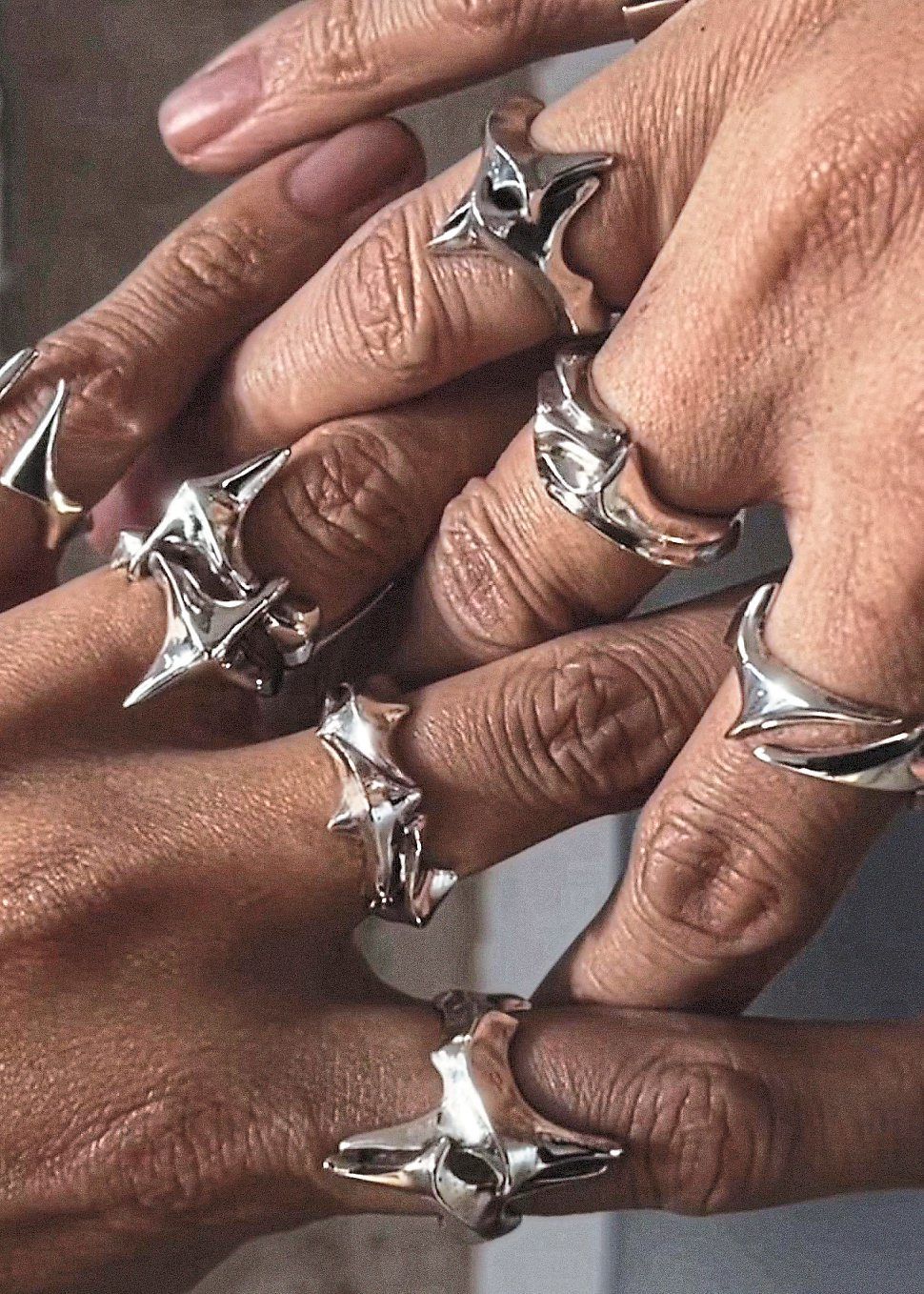
He adds that customers and collectors are increasingly drawn to pieces that are thoughtfully made, with clarity around materials and what to expect, and that carry lasting significance.
Ooi says that customers notice how a piece wears: whether it lasts, how it feels and if it fits into their daily life.
“For us, craftsmanship today is about longevity and experience, not just design. That’s also why we’re intentional about the materials we use to ensure the pieces can keep up with everyday wear, rather than being worn only occasionally,” says Ooi.
Ng points out that a few years ago, not everyone knew the difference between plated and solid gold.
“Now it’s usually one of the first things they ask. There’s a real shift towards wanting jewellery pieces that last – not just visually, but physically. So yes, craftsmanship matters a lot more now,” says Ng.
Low also agrees that craftsmanship today is essential with customers wanting to know what they’re buying.
“They’re asking questions about materials, durability and how pieces are made,” she says.
“There’s also a stronger appreciation for longevity. People want jewellery that lasts, that can be worn repeatedly without losing its quality or meaning. It’s no longer just about how something looks, but how well it’s made,” she adds.
An evolving jewellery taste
Apart from personalisation and craftsmanship, there are also some other trends in the local jewellery market.
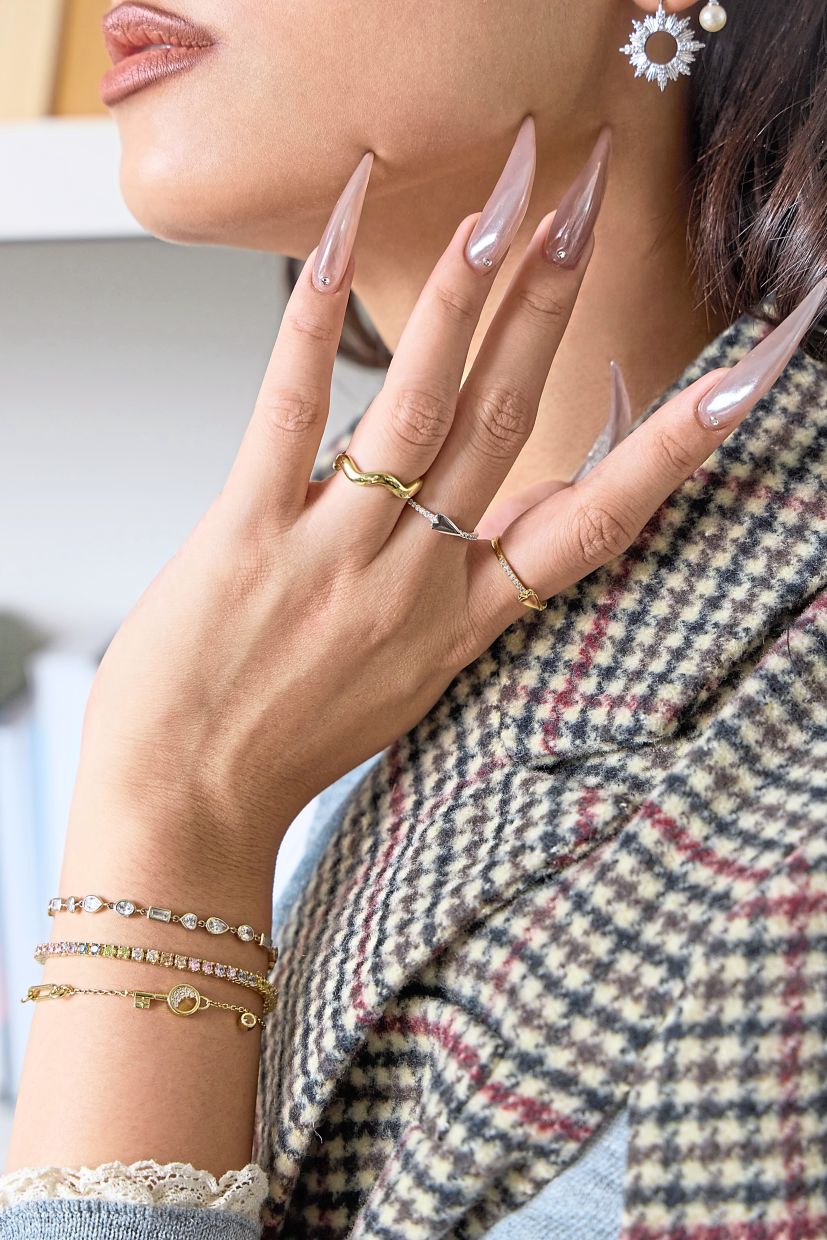
Gemstones are another upcoming trend, says Chong: “There is also a growing interest in unique and coloured gemstones, moving beyond traditional diamonds towards stones with more character, individuality and personal meaning.”
Chan says that in Malaysia, what’s emerging isn’t just a material shift, but a split in how customers approach jewellery.
“On one end, stainless steel is gaining traction as part of a high-rotation, low-commitment category. It’s being treated almost like fashion jewellery, but with better durability – something you can wear daily without concern.
“This reflects a more casual, volume-driven way of buying, where customers own more pieces but invest less in each.”
She adds that stones like moissanite are gaining traction in the value-conscious “aspirational fine” segment, as customers seek the look of fine jewellery with more accessible alternatives.
“It’s less about replacing diamonds and more about redefining what ‘worth it’ means,” says Chan.
Read more: Brides are swapping bouquets for floral purses in a bold fashion twist
To Ng, apart from the strong move towards personalised jewellery that feel emotionally anchored, everyday fine jewellery is still huge, as well as layering and stacking.
“Like layered gold and effortless stacking which gives that slightly undone look. And then there’s a quiet love for organic designs – using fancy cut gemstones, pearls and fluid shapes.”
Low also believes layering and stacking continue to define how customers wear jewellery today, along with meaningful jewellery as a key trend.
There is also a shift towards intentional and wearable jewellery, notes Ooi.
“We’re seeing a move towards everyday luxury – refined pieces that are easy to wear. The shift is clear: people are buying less, but choosing more intentionally,” says Ooi.
Low says, ultimately, the biggest trend is individuality: “People are choosing jewellery that feels personal, intentional, and uniquely theirs rather than simply following what’s popular.”
Ng has the same thought: “But if there’s one real trend? People just want jewellery that feels like them.”
At the end of the day, across personalisation, craftsmanship and evolving tastes, one idea remains constant: jewellery is at its most meaningful when it feels personal, memorable, and true to the wearer.