Sneakers came into the fashion scene during the 2010s with a skip in their step.
For more than a decade, luxury houses eagerly rode the wave, sending models down the runway in souped-up trainers and including sports shoes into their collections.
The momentum could be slowing though.
In January, Bloomberg reported that the long-running sneaker boom may be over.
Citing Bank Of America analysts, the news agency said growth prospects of major sportswear brands are dimming.
Vogue Business had already raised questions about the “sneakers-as-fashion” phenomenon last year.
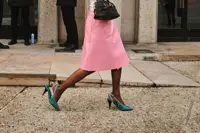
Its story observed how attendees at the Spring/Summer 2026 fashion weeks in New York, London, Milan and Paris favoured other comfortable options, such as ballet flats and loafers.
Sneakers, in their most quintessential form, were once regarded within fashion circles as extravagantly casual (read: not chic).
A long time ago, wearing them to a runway show would have raised more than a few eyebrows.
It is precisely this anti-hero status – straddling the line between once being a faux pas and now a trend – that makes sneakers both fascinating and confounding within the style industry.
Stepping into the scene
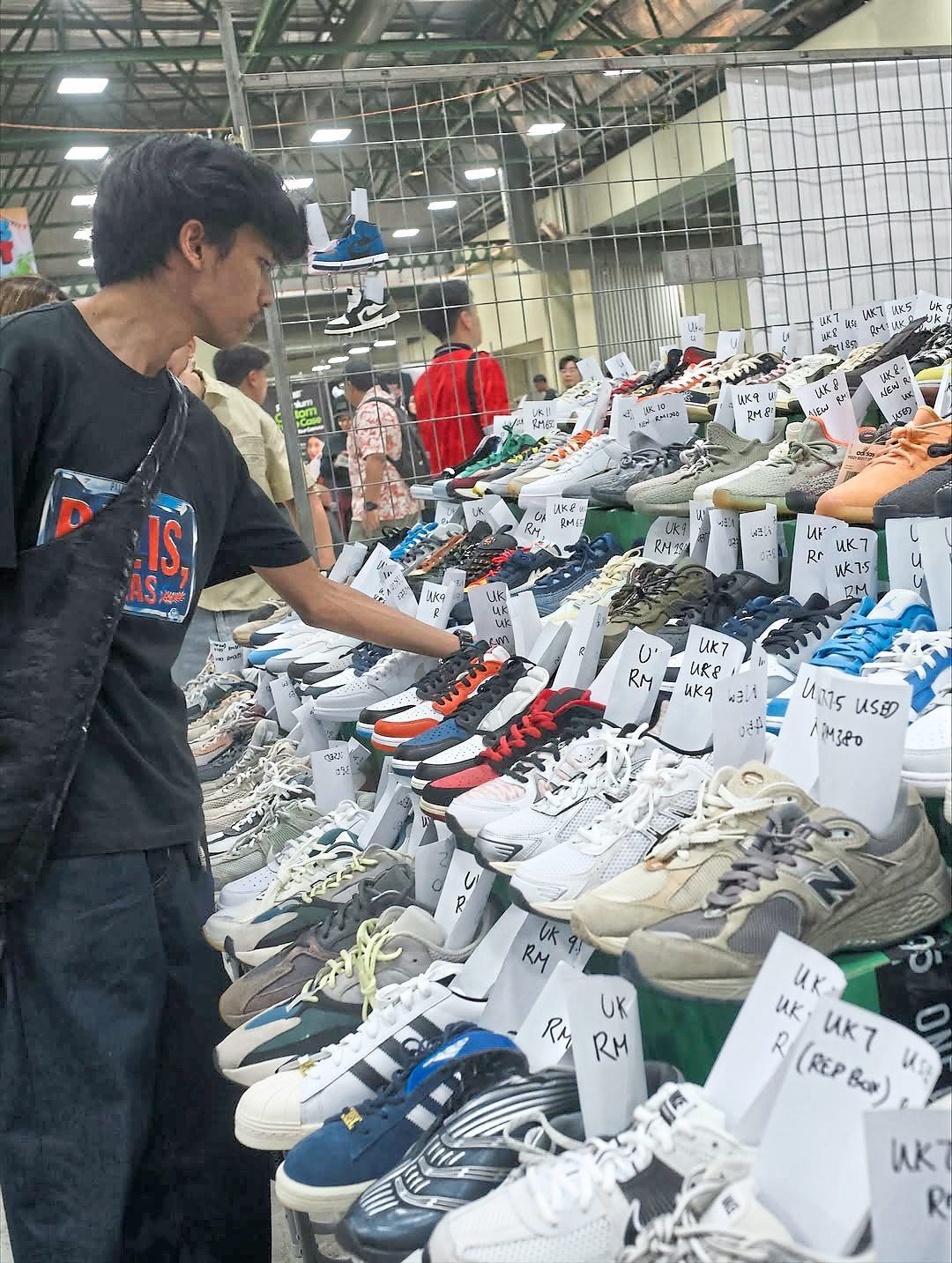
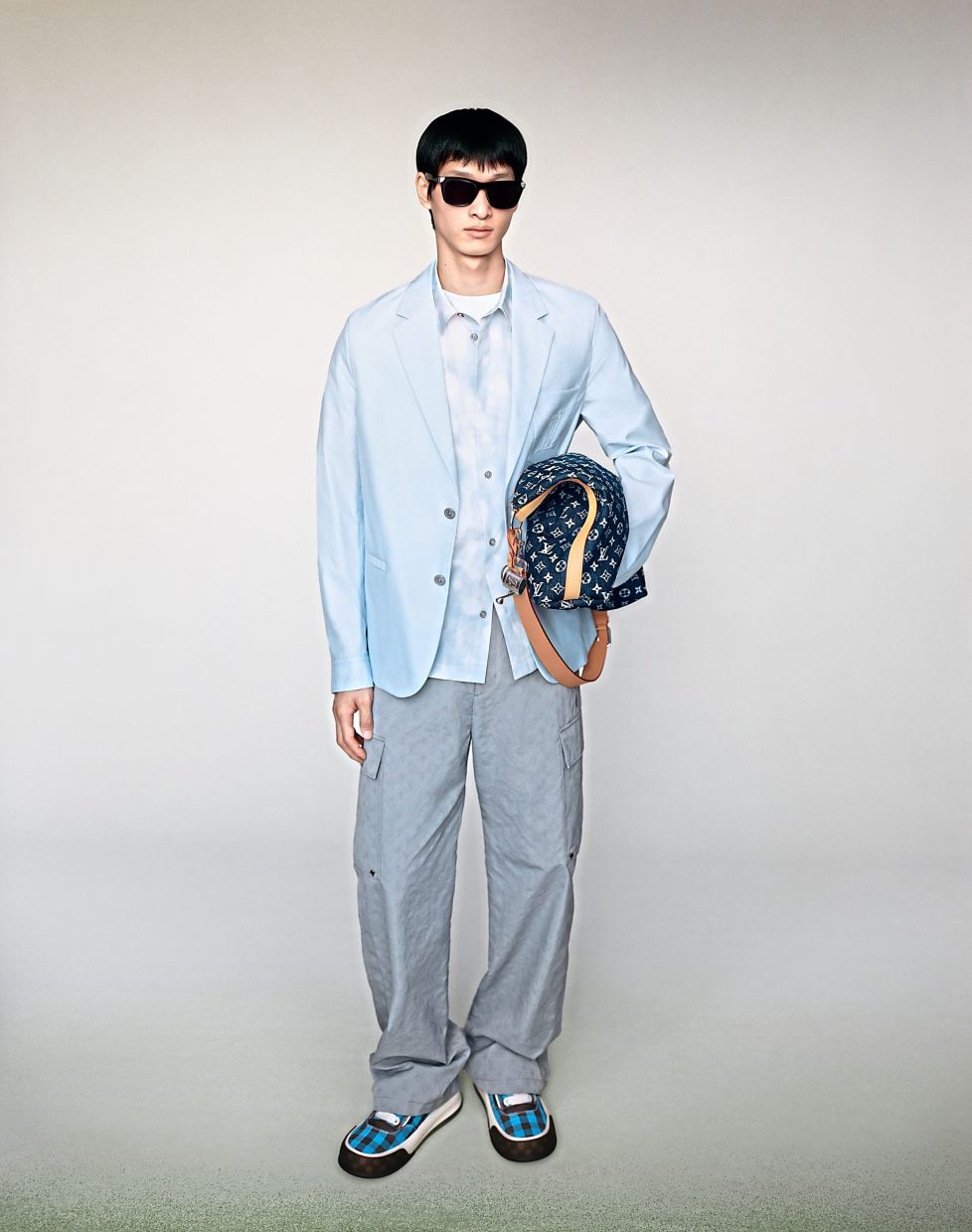
“It has become a mainstay with brands these days. When Virgil (Abloh) was at Louis Vuitton, he brought sneaker culture into the brand, and even after his passing, Pharrell (Williams) is still carrying the torch,” he notes.
Since its founding in 2015, Sneakerlah has remained strong.
Last year, after rebranding as Lahlahland and relocating to a new venue within Kuala Lumpur, the event still drew 28,000 attendees over two days.
The next edition is scheduled for September, and Chin expects attendance to grow, driven by a younger generation of consumers.
Read more: Have sneakers been left out in the rain? What happens when fashion’s hype slows
He believes even more fashion enthusiasts will attend, despite the event expanding beyond sneakers to embrace a wide range of activities, including those related to art, music, sports, gaming and food.
“Globally, a lot of sneaker events are struggling or not happening anymore,” Chin admits. “I’m just really grateful the Malaysian scene is still supportive and thriving.”
When it comes to trends, he observes a mix of innovation and nostalgia shaping the market.
“I predict the fusing of performance running with high fashion growing bigger this year. Flat sneakers are also taking off – from Converse to Bottega Veneta, Loewe and Dior,” he muses.
“Football-inspired designs, tongue flaps, studs and even the tech-futuristic, ‘ugly runner’ type of shoes are trending.”
According to him, however, the sneaker trading scene has cooled compared with a decade ago.
“Trading is bad now, mostly due to oversupply and shifting interests – people are moving to things like Pokemon cards. This applies both locally and globally.”
Moving beyond the hype
“The market became intense, and people were going crazy over certain releases, especially Yeezys,” recalls a former collector from Malaysia, Ivan Lim.
“I remember it was also almost impossible to get a pair of Ultraboost or NMD at Adidas outlets, and they were being resold at very high prices.”
Lim, 44, says that this probably led to its decline.
“Over time, I think people started to realise that sneakers don’t last forever. Materials break down after a few years, even if you don’t wear them much,” he explains.
“Because of that, sneakers aren’t really the best form of long-term investment.”
There is also an oversaturation in the market, with too many options available.
“I noticed that most brands come up with so many colourways for a single design, and there are only so many people can buy,” Lim points out.
He also says that, like fashion trends, what is seen as cool changes.
“That’s why I’ve always preferred to focus on buying what I personally like, rather than following hype or treating sneakers as an investment.”
Lim’s first meaningful purchase was a pair of Simple skate shoes, chosen not for hype but for function.
As someone who was into skateboarding, he valued its durability and comfort – qualities that made the shoe more than just an aesthetic choice.
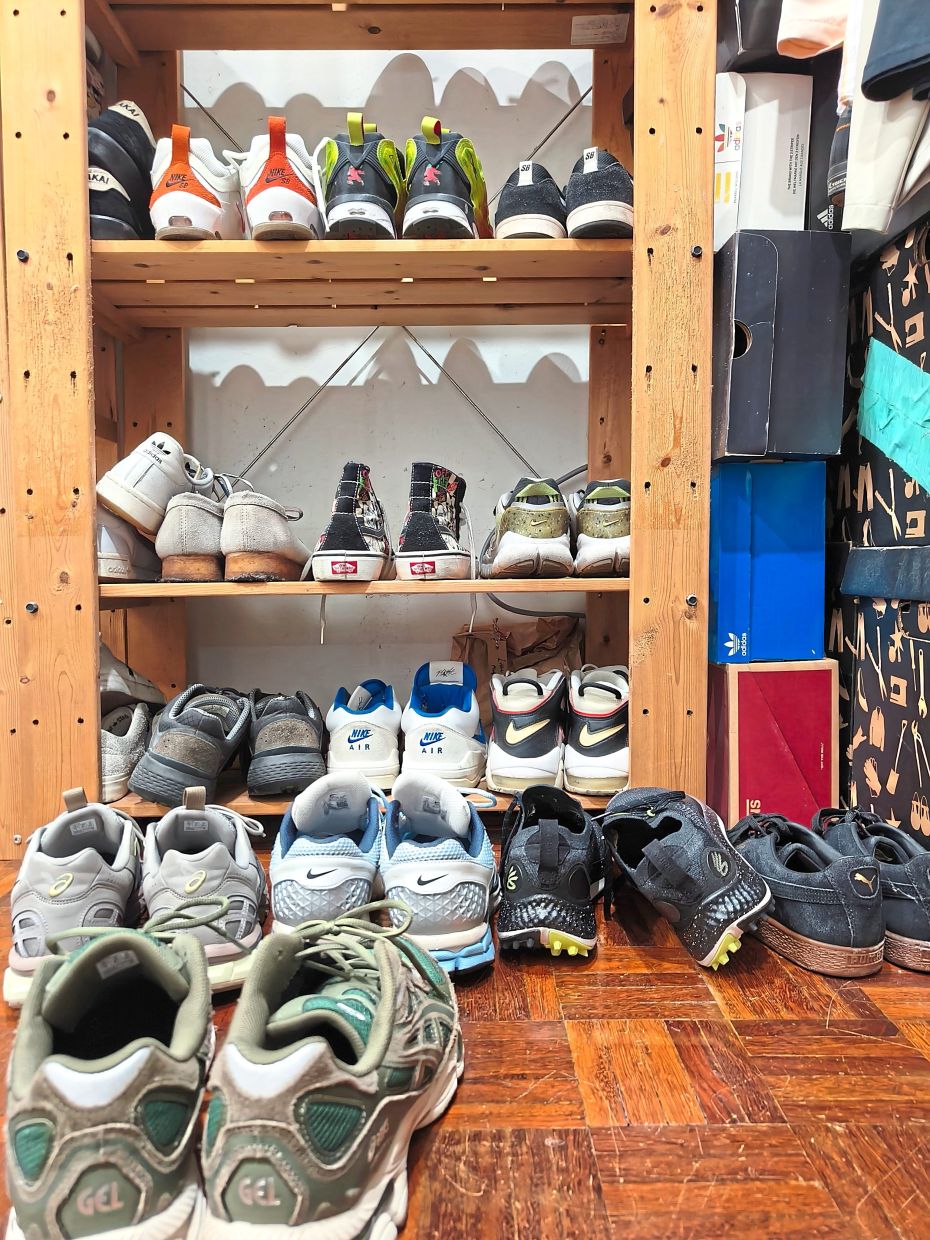
While he no longer counts himself as a collector, he still has quite a large number of sneakers – 30, which he insists he wears all the time.
Rather than stockpiling unworn pairs, he makes a point of rotating through his collection.
For Lim, the emphasis is now less on quantity than on use and appreciation – a shift that perhaps mirrors a broader move away from hype-driven consumption towards something more genuine.
A fashion point of view
For those in the style industry, the question is not whether the sneaker trend is dying, but how it has evolved.
Malaysian footwear designer Nelissa Hilman observes that current silhouettes are lighter and easier to wear – “something you can actually live in”, as she puts it.
“A good example is (Danish fashion designer) Cecilie Bahnsen’s collaboration with Asics. She didn’t make sneakers louder, she softened them – floral details, Mary Jane straps – in a way that feels almost delicate,” Nelissa shares.
“In this way, a sneaker can start to feel closer to a ballet flat than a performance shoe – and that shift feels quite telling.”
She believes such design liberties have made sneakers more refined, and at times even slightly dressed up.
Nelissa has never included sneakers in her own collections.
It is a decision she describes as “intentional”, as she never saw them fitting “naturally” within her brand’s world.
While sneakers are largely a Western sportswear import, she notes that Malaysia has its own equivalent brands.
“Fung Keong, for example, was such a big part of everyday life here – simple canvas shoes, rubber soles, very practical, very lived-in.”
“Vans working with batik, for example. Or how Sneakerlah (Lahlahland) collaborated with Asics on designs inspired by nasi lemak, teh tarik and even Mamee Monster. There’s a sense of play, but also a locally rooted identity,” she adds.
The style ethos of today
Looking at the sneaker scene, the question is whether such designs remain at the forefront or an afterthought.
“We’re not really in that era anymore where every outfit is built around the latest drop, but sneakers are still a core part of how people dress,” says Malaysian stylist Azza Arif.
“So maybe they’re not ‘hot’ in a loud way anymore, but they’re still very relevant, just in a quieter, more considered way.”
Azza, who also does creative direction, has worked with brands such as Bulgari, Kate Spade and Coach.
Her styling portfolio includes Malaysian names like Yuna, Scha Alyahya, Mira Filzah, Meerqeen and Daiyan Trisha, as well as international figures such as Liv Tyler, Fan Bingbing, Camila Mendes, Shailene Woodley and Naomi Scott.
“I still reach for sneakers, but much more selectively than before. It really depends on the story of the look,” she says of her day-to-day approach.
“That said, I’ve noticed a definite shift with clients. More of them are open to exploring alternatives like loafers, ballet flats or sleek boots because they want something that feels a little more elevated or unexpected.”
This, she adds, is not so much a rejection of sneakers as a desire to move beyond the default choice.
Azza also points to designer collaborations with sportswear labels as evidence of the category’s continued relevance.
“The Miu Miu and New Balance collaboration is probably the clearest example right now. It takes a very ‘normal’ sneaker silhouette and makes it feel directional and fashion-forward, without losing that everyday appeal,” she says.
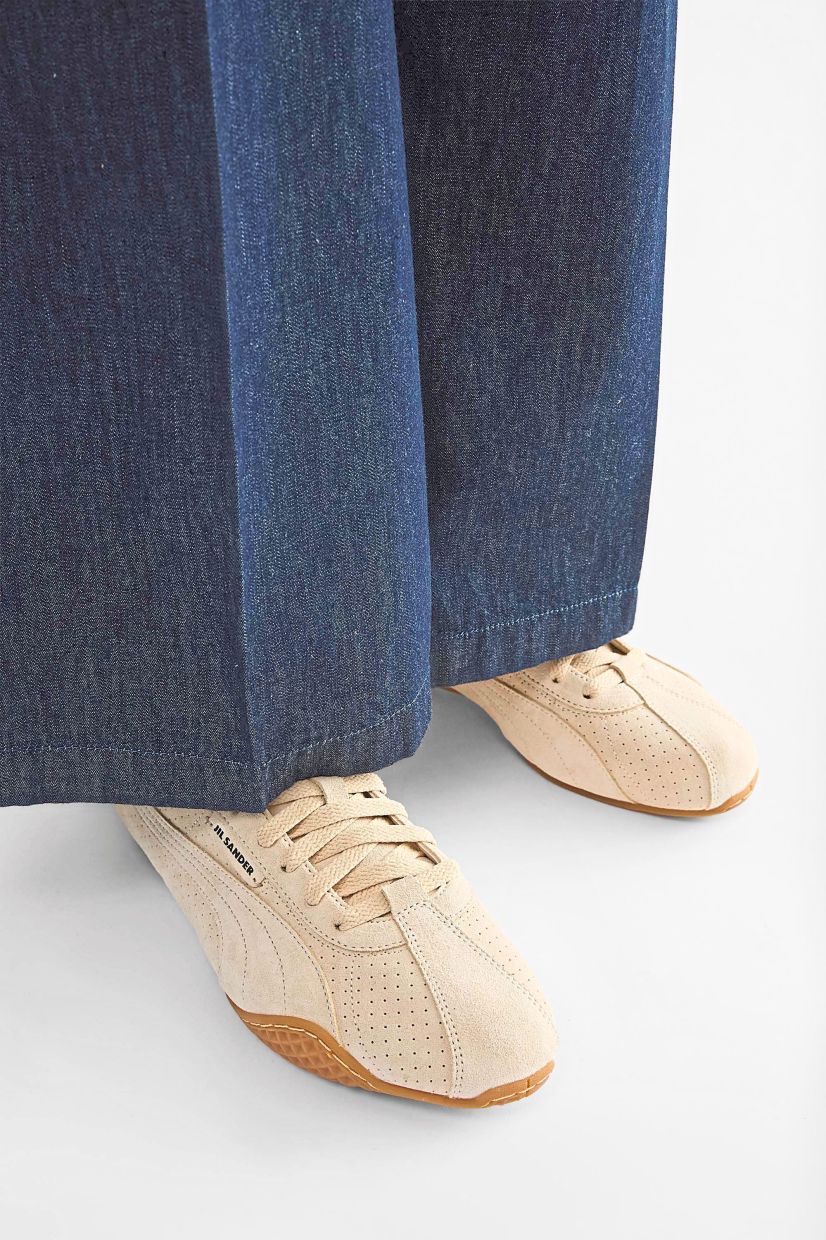
“Another example is how Jil Sander worked with Puma to release a unisex suede sneaker.”
As for advice on wearing sneakers without looking like one is trying too hard or feeling dated, she says it comes down to balance.
Read more: From gym to glam: Why the fashion industry is obsessed with sportswear right now
Sportswear remains a big trend
The rise of sneakers in fashion has run parallel to a broader embrace of sportswear, where performance-driven design has steadily reshaped everyday dress.
Those within the segment are well aware of this shift, and appear less concerned by talk of slowdown.
“Sneakers absolutely still carry clout, but the definition of clout has shifted,” says Stephanie Chang, senior general manager of Skechers Malaysia.
“In the past, exclusivity alone drove hype. Today, consumers are gravitating towards sneakers that reflect their identity – whether through design, innovation, cultural relevance or storytelling.”
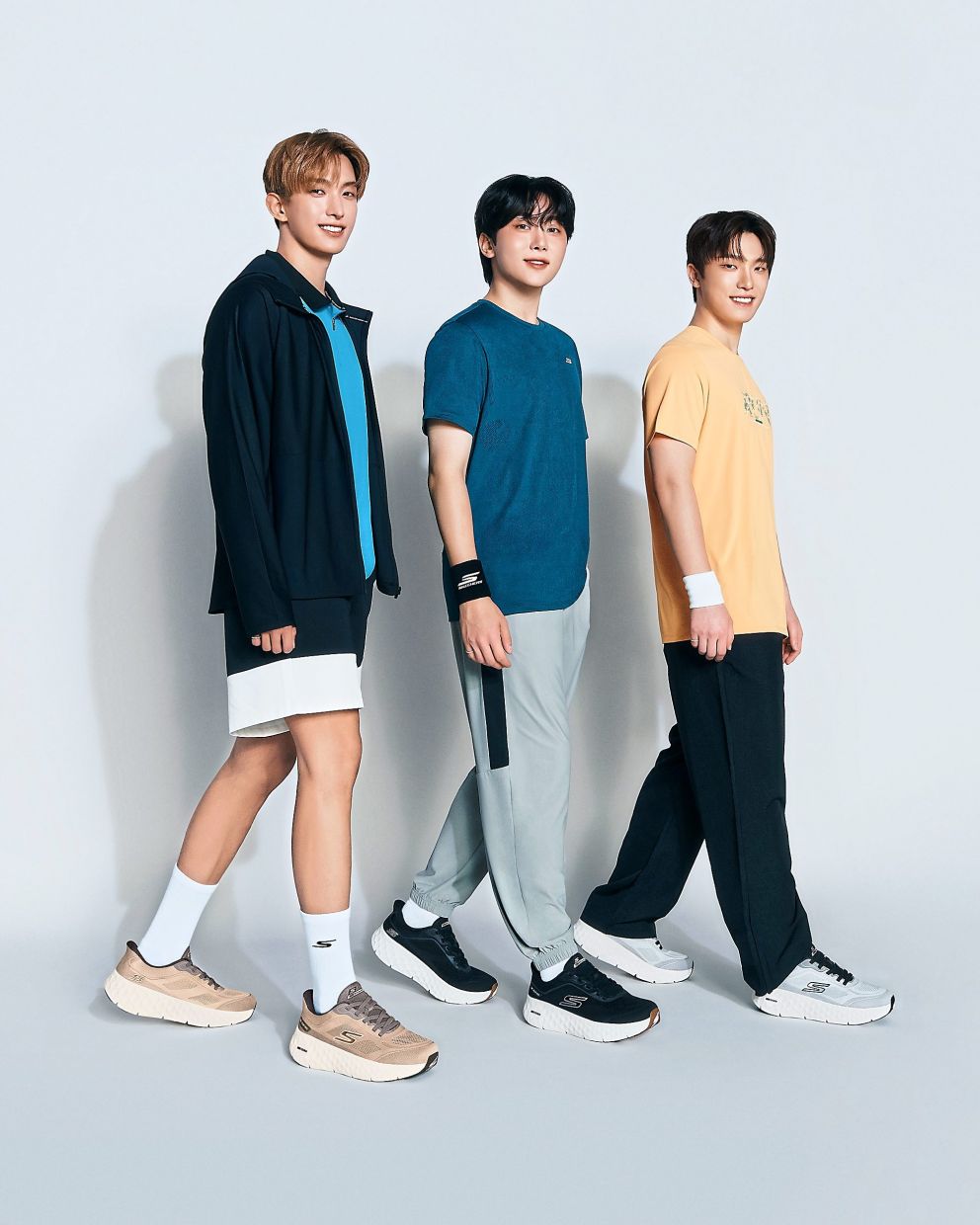
Skechers recently launched a campaign fronted by its newest regional brand ambassadors, DK, Seungkwan and Dino of K-pop group Seventeen.
Whether this signals a need to band together to stay relevant remains to be seen.
K-fashion continues to exert a strong worldwide influence, and sneakers, likewise, show no apparent signs of disappearing.
“Staying fresh requires brands to create cultural moments, not just products,” Chang argues.
“For younger consumers, relevance moves quickly and brands need to stay close to culture while maintaining product integrity.
Collaborations that authentically enter these spaces can transform sneakers into symbols of shared identity.”
There is also the practicality aspect, which has led to the growth of other fashion trends like athleisure and relaxed tailoring, where comfort and function have become as important as style.
Therein lies the lasting cachet of sneakers.
“The brands that succeed are those that understand that sneakers are an extension of self-expression but they must also meet real-life demands for comfort, support and durability,” Chang concludes.