FOR decades, property value was defined by a simple principle – location.
But as markets mature and technology reshapes how people live, work and interact, that equation is changing.
Increasingly, value is being shaped by how developments function as complete ecosystems – integrating daily services, experiences, business activity and emerging technologies into a single, connected environment.
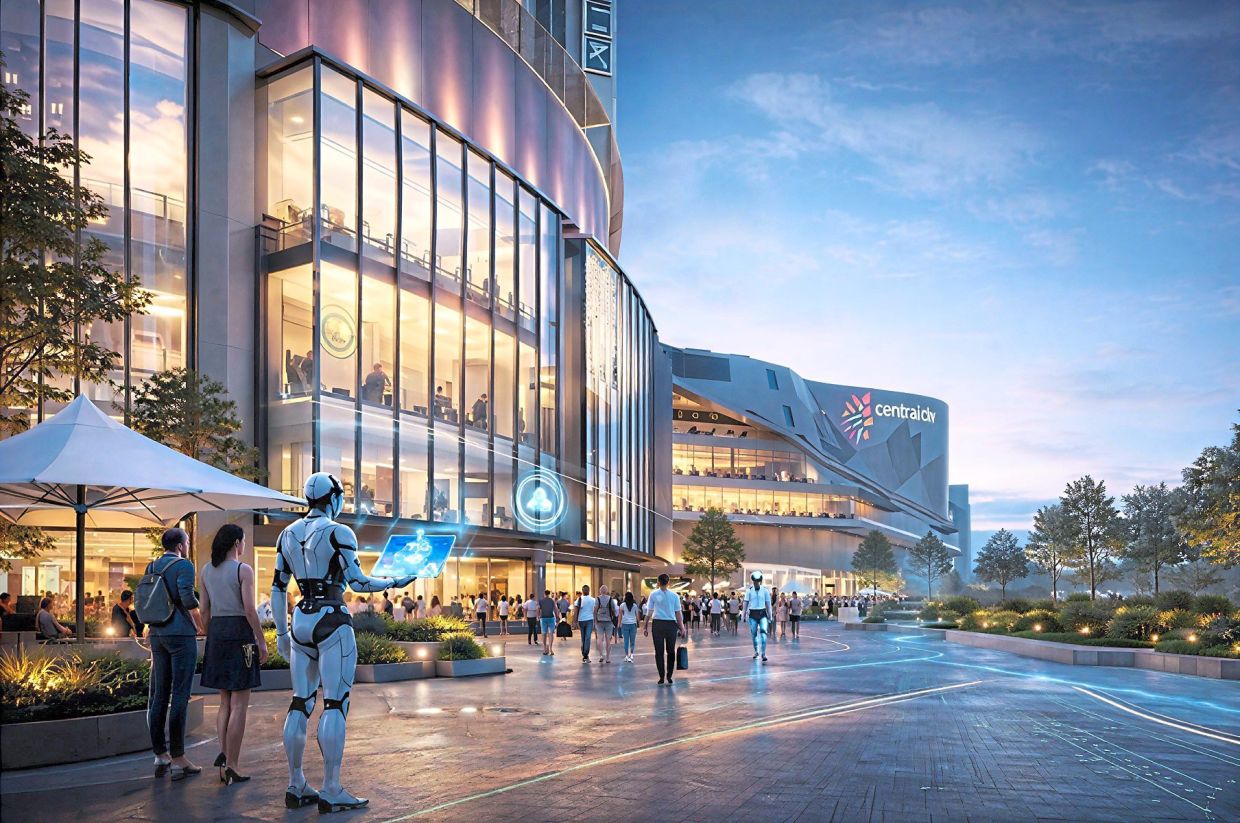
This shift is taking place at i-City, where retail, leisure and hospitality are no longer standalone components but interdependent layers that complement one another.
Together, these elements reflect how the township is evolving from a collection of assets to a platform designed to sustain activity, adapt to change and remain relevant in the artificial intelligence (AI) era.

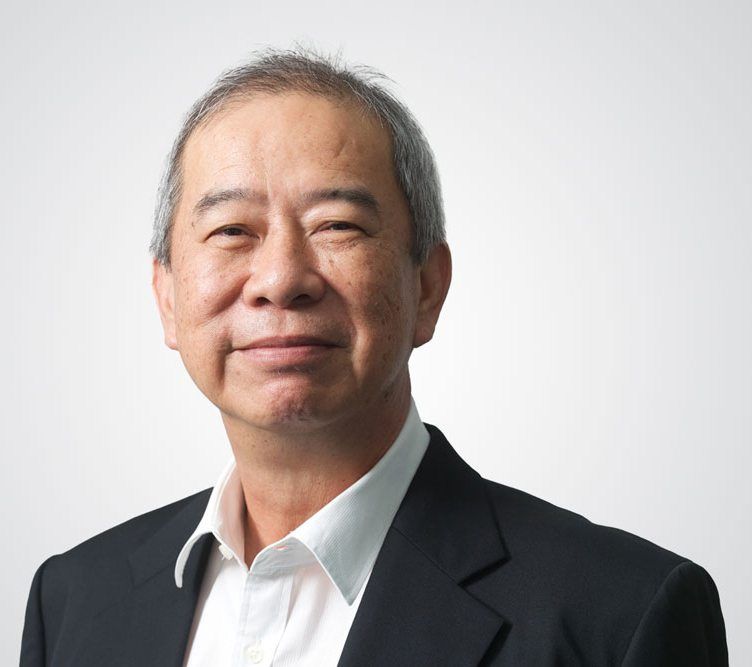
“The differentiator today is no longer just location,” said Firdaus & Associates Group of Companies group managing director Prem Kumar, who has over 38 years of experience in the real estate industry.
“Location is now the entry ticket. What sets developments apart is how well they integrate services and adapt to evolving user needs.”
Unlike traditional developments that often “go dark” after business hours, a living ecosystem is characterised by its round-the-clock vitality, shifting seamlessly from a high-value workspace by day into a technology-driven leisure and residential hub by night.
Central to this is a digital backbone that allows AI and robotics to operate naturally within physical spaces, enabling the township to evolve alongside changing user behaviours.
By combining commerce, experience, and services into a single platform, i-City provides a blueprint for sustaining relevance in an increasingly AI-driven, technology-infused world.
NSK pivots to AI
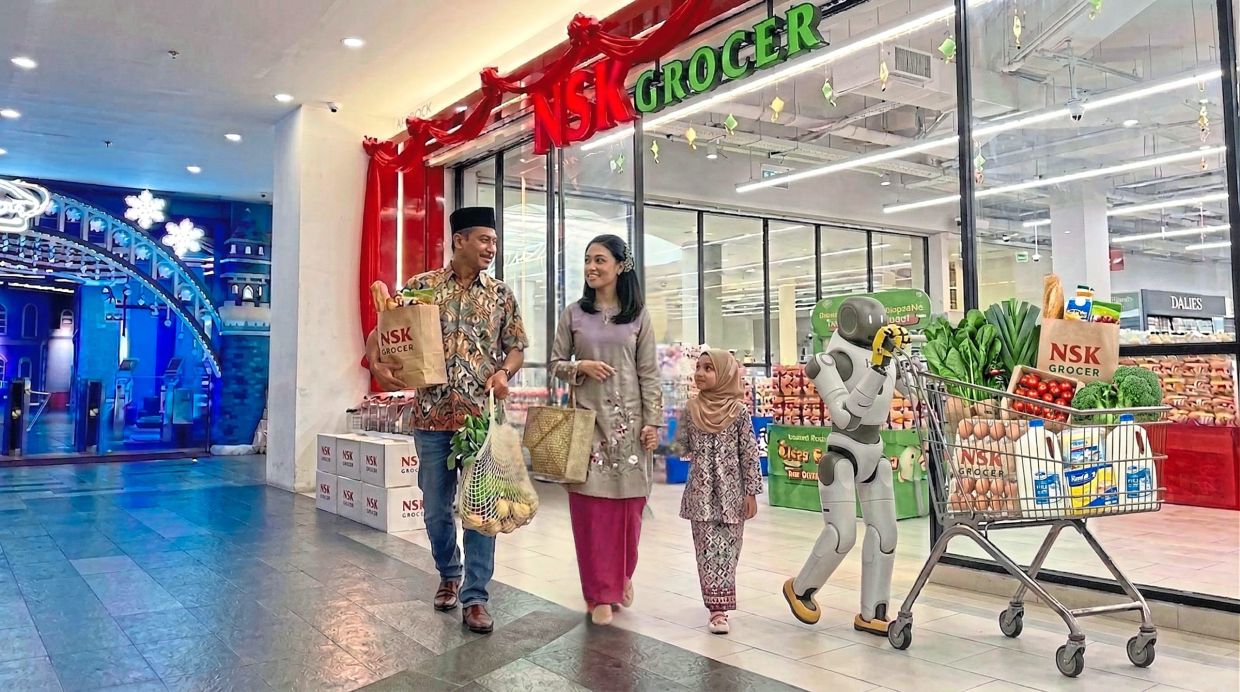
The opening of NSK Grocer at i-City reflects more than a mere retail addition, as it signals how everyday services are becoming central to long-term value creation.
By supporting repeat visits from 30,000 patrons from work and stay communities, NSK Grocer strengthens the township’s daily activity base.
This represents a critical factor in moving beyond reliance on occasional visitor peaks.
This shift towards consistent, everyday usage is increasingly seen as the foundation of resilient urban developments.
At the same time, it opens pathways for future integration with AI and automation, from smart inventory systems to robotics-assisted retail environments.
In that sense, retail offerings at i-City are transforming to no longer be just transactional, as they become part of a wider ecosystem designed to evolve alongside changing consumer behaviour.
SkyCity boost
SkyCity at the i-City Theme Park remains a core component of i-City’s leisure offerings, with recent enhancements strengthening its integration with the AI World Experience Centre (AIWEC), which was launched earlier this year.
While AIWEC introduces visitors to AI and robotics through immersive, interactive experiences, SkyCity broadens the appeal with family-oriented attractions.
Together, these offerings create a complementary mix that drives higher footfall, extends dwell time and encourages cross-spending across the township.
More importantly, this signals a shift in how destinations are curated – not as standalone attractions, but as interconnected
experiences that reinforce one another.
In this model, experience becomes a key driver of ecosystem value, sustaining visitor interest and encouraging repeat engagement over time.
alrajhi bank joins i-City
The presence of alrajhi bank Malaysia in i-City’s Finance Avenue signals growing confidence in the township’s capabilities as a functioning urban
platform rather than just a destination.
The presence of major international financial groups such as Maybank, Prudential and alrajhi bank anchors business activity and contributes to a deeper level of ecosystem maturity.
It reflects how integrated developments are increasingly expected to support not just lifestyle and leisure, but also commercial and institutional needs.
In that context, the addition of financial institutions marks an important step, signalling a transition from a visitor-driven environment to one that supports sustained economic activity.
Wyndham extends hospitality
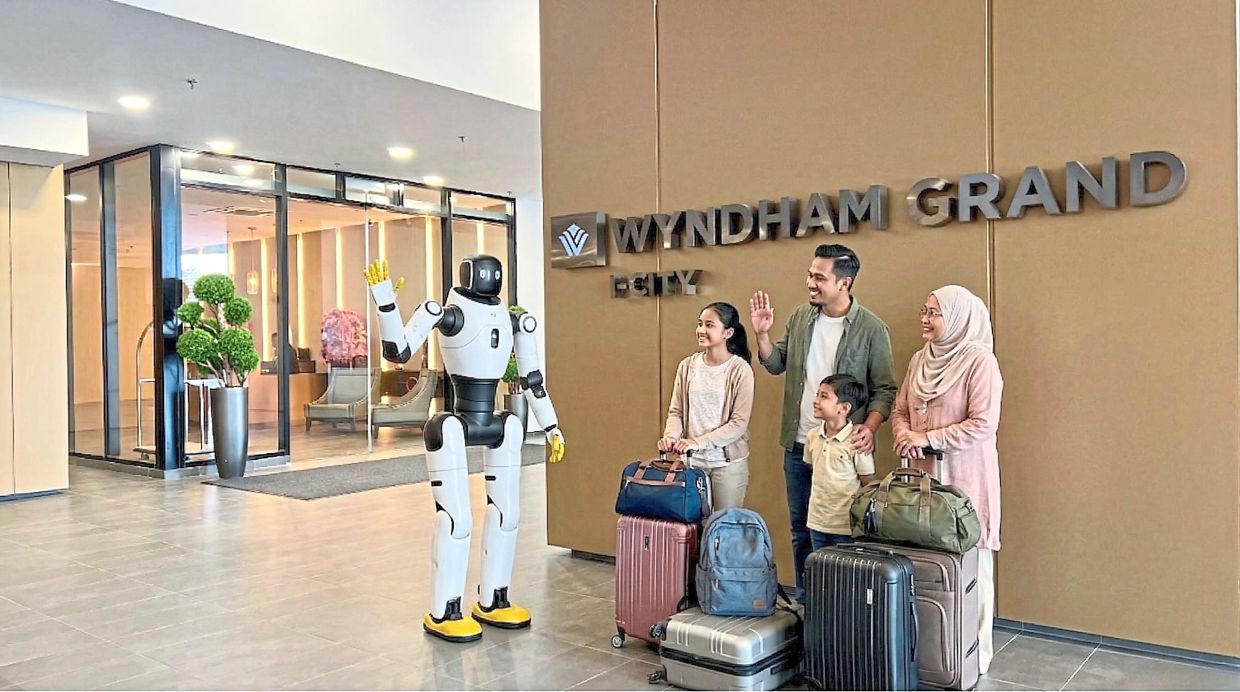
Hospitality remains a central pillar of i-City’s value proposition, as the township aims to support longer stays, higher visitor engagement and a more complete “live, work and play” environment.
With multiple hotels integrated into the township, i-City functions as a self-contained destination where accommodation is closely linked to retail, leisure and emerging technology-driven experiences.
In this context, hospitality is no longer just about rooms –
it becomes part of the infrastructure that sustains the wider ecosystem.
Looking ahead, the integration of AI and robotics is expected to continue reshaping how such environments operate, from service delivery to operational efficiency and personalised guest experiences.
“Buildings must be designed from the outset to allow intelligent systems to operate naturally within them,” said SA Architects Malaysia director Tony Mak.
This reflects a broader shift towards adaptive environments where technology is embedded into how spaces function, enabling them to evolve alongside changing user expectations.
Taken together, these developments point to a broader transformation in how value is created in urban environments, from individual assets to interconnected ecosystems.
In that context, i-City’s next phase may be less about expansion and more about how effectively its components work together – combining commerce, experience, services and technology into a platform that can sustain relevance in an increasingly AI-driven world.