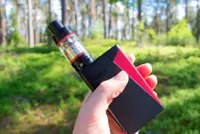
PETALING JAYA: Stronger enforcement, tighter regulations and greater public awareness are urgently needed to address the growing vaping problem among students.
The Alliance for a Safe Community warned that the emergence of drug-laced vape products is particularly concerning.
Its chairman Tan Sri Lee Lam Thye described the situation as a growing crisis that requires immediate and decisive intervention from all stakeholders.
These include parents, schools, enforcement agencies, policymakers and the wider community.
He said reports showing nearly 20,000 cases involving students nationwide in 2024 should serve as a wake-up call for the country.
"What is even more worrying is the growing trend of drug-laced vape products being used by young people," he said in a statement to The Star on Saturday (May 30).
"Vaping is no longer merely a nicotine-related issue; it is increasingly becoming a gateway to substance abuse among young Malaysians," he added.
Lee said vape liquids mixed with prohibited substances posed a serious threat to public health and national efforts to combat drug abuse.
He attributed the popularity of vaping among students to attractive packaging, flavoured products, aggressive online marketing and peer influence.
It is also driven by the widespread misconception that vaping is less harmful than conventional smoking.
"Many young people are unaware that nicotine addiction can develop rapidly and may have long-term effects on brain development, concentration, mental health and academic performance," he said.
Lee warned that drug-laced vape products were particularly dangerous as they could expose students to addictive substances.
This exposure may lead to behavioural problems, impaired judgment and serious health complications.
He added that such products were often difficult for parents and teachers to detect because of their discreet appearance and lack of odour.
According to Lee, urgent action is necessary to protect the health of young people and safeguard the learning environment in schools.
He said vaping and drug use among students could contribute to disciplinary issues, absenteeism and declining academic performance.
"There are also growing concerns that some youths may be exploited by syndicates involved in the sale and distribution of illicit vape products," he said.
Lee cautioned that the long-term health consequences could eventually place significant pressure on the country’s healthcare system.
To address the problem, he called for intensified enforcement against the sale, distribution and promotion of vape products to minors.
This includes regular raids on premises and online platforms suspected of selling illegal or drug-laced vape products.
He also urged authorities to impose heavier penalties on individuals and businesses found supplying vape products to schoolchildren.
In addition, Lee called for closer cooperation among schools, parents, police, health authorities, customs and local councils.
He said awareness and prevention programmes in schools should be strengthened.
Teachers, counsellors and parents should also be equipped with the knowledge needed to identify signs of vaping and substance abuse.
Lee urged the government to enhance monitoring of online sales channels and social media platforms that target young consumers.
He further proposed stricter regulations on vape flavours, packaging, advertising and product displays that appeal to children.
"The fight against vaping among students cannot be left to schools or enforcement agencies alone," he said.
"It requires a whole-of-society approach involving families, communities, healthcare professionals, educational institutions and government agencies," he added.
Lee stressed that allowing vaping to spread unchecked risked creating a generation burdened by addiction and health problems.
"Our children are among the nation’s most valuable assets," he said.
"Immediate and decisive action is necessary to protect our youth and secure a healthier future for Malaysia," he added.
COMPLI
Keywords: Vaping, Students, Drugs, Crisis, Enforcement, Schools, Health, Minor, Addictive, Regulation