




OVER the past five decades, Selangor’s rapid industrialisation and urbanisation have fundamentally reshaped the Selangor Agricultural Development Corporation (PKPS) mandate.
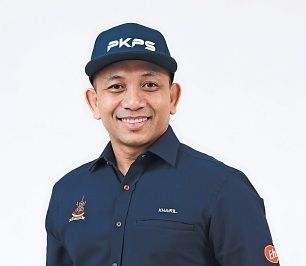
PKPS group chief executive officer Datuk Dr Mohamad Khairil Mohamad Razi said that when the corporation was established in 1972, Selangor was still predominantly rural, with smallholder farming, rubber and oil palm forming the foundation of local livelihoods.
PKPS traces its roots to the Selangor State Padi Loan Board (LPPNS), a state agency established in 1966 to support padi farmers through commercial services, financial assistance and hire-purchase schemes for agricultural land.
PKPS was established following the dissolution of LPPNS, and has since evolved to meet the changing demands of Selangor’s agricultural landscape and an increasingly globalised economy.
From its early beginnings, PKPS has transformed into a dynamic agribusiness corporation with diversified activities across the agricultural value chain, including oil palm plantations, compost fertiliser production, dairy farming and poultry operations.
Among its flagship initiatives is Selangor Fruit Valley, an award-winning agro-tourism destination that reflects PKPS’ commitment to agricultural innovation, diversification and sustainable development.
Today, PKPS continues to strengthen its role in advancing Selangor’s food security by integrating modern agricultural technologies, strengthening supply chains and ensuring that affordable, quality food remains accessible to the people.
As Selangor grew into Malaysia’s economic engine, PKPS built a reliable link between rural producers and urban consumers, strengthened supply chains, and developed commercial ventures to support broader community initiatives.
“For everyday consumers, PKPS’ adoption of modern agricultural technology translates into greater efficiency, freshness and supply predictability,” said Mohamad Khairil.
“Precision agriculture and Internet of Things (IOT) sensors monitor crop health and yield in real time, drastically reducing losses from disease or sudden weather shifts.
“Similarly, smart poultry facilities automatically control temperature, humidity, water quality and feeding schedules.
“These controlled environments mean local families receive a consistent supply of safe, quality protein year-round, regardless of extreme heat or heavy monsoon seasons,” he said.
Mohamad Khairil emphasised that technology is not an end in itself. It must deliver direct, tangible benefits to the public through reduced wastage and dependable food supplies.
Maintaining affordable prices under the Ehsan brand, which is known for its affordable fresh products, relies on value chain integration and operational efficiency.
“By directly managing our own farms, aggregation hubs and distribution networks through dedicated subsidiaries, we are able to eliminate unnecessary intermediaries,” said Mohamad Khairil.
“We restructured PKPS’ supply network into a direct ‘Farm-to-Ehsan’ pipeline supported by our four core operational subsidiaries, offering local smallholders stable off-take agreements while managing cold chain storage and retail distribution directly.”
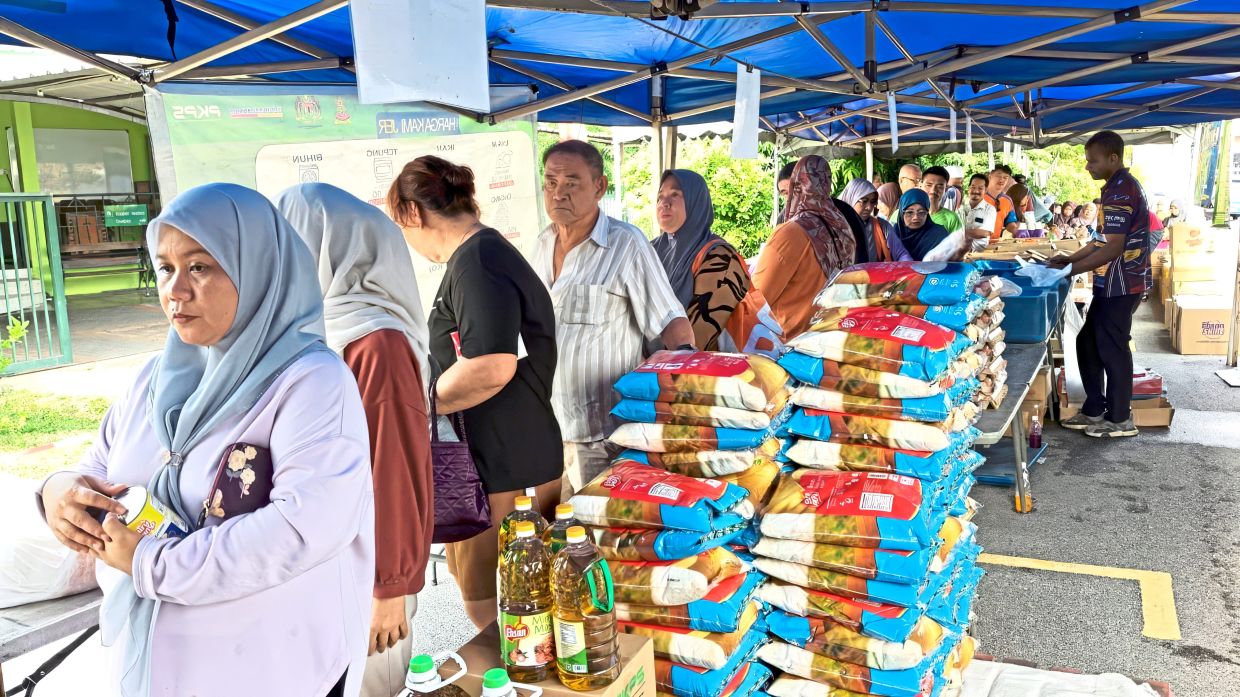
He added that the deployment of the Jualan Ehsan Rahmah programme uses constituency-level mapping and close coordination with Selangor assemblymen across all 56 state seats, prioritising high-density residential zones and B40/M40 communities.
“Key staples – including fresh chicken, eggs, cooking oil, rice, fish and seasonal produce – are systematically capped at prices 15% to 30% below prevailing market retail rates, providing direct financial relief,” said the group CEO.
Strategic partnerships and community empowerment
To sustain this ecosystem, Mohamad Khairil said PKPS actively explores strategic collaborations with private-sector agritech companies, logistics operators and government agencies, including the Domestic Trade and Cost of Living Ministry.
“These partnerships drive technology transfer and create skilled local jobs, ranging from smart-farm technicians and agronomists to drone operators and logistics coordinators,” he said.
“Furthermore, PKPS’ vendor development programmes equip local entrepreneurs and young people with access to modern farming technologies, practical skills and commercial opportunities within the PKPS ecosystem.”
In response to global food shortages and changing weather patterns, Mohamad Khairil said PKPS has shifted from a reactive stance to a proactive, long-term resilience model.
“Through initiatives like the Selangor Food Warehouse (GMS), the corporation currently maintains reserves of key items, including 5,000 tonnes of rice and 1,000 tonnes of meat,” said Mohamad Khairil.
“Combined with expanded local grain corn production to reduce reliance on imported livestock feed, PKPS is actively buffering the state against external supply disruptions, ensuring Selangor is prepared for future challenges rather than waiting for a crisis before responding.”
SEED2030 vision for Selangor’s food security
Looking ahead, the group CEO said the 2026-2030 Agribusiness Transformation Plan (SEED2030) represents the next evolutionary phase of PKPS.
Designed as a comprehensive blueprint, SEED2030 aims to ensure organisational growth translates into tangible, everyday benefits for all Selangor residents.
SEED2030 centres on three core public pillars: expanding strategic food reserves, widening subsidised retail access and fostering the next generation of agricultural talent.
“SEED2030 will significantly scale the GMS storage capacities to provide a robust three-to-six-month emergency buffer for primary food staples, shielding the state against severe global trade shocks,” said Mohamad Khairil.
“PKPS will aggressively broaden the Ehsan retail footprint by increasing the number of physical Ehsan outlets and mobile retail units, bringing heavily discounted groceries directly into residential neighbourhoods.”
He added that SEED2030 will also introduce dedicated youth agro-entrepreneur incubators.
These incubators offer structured training, direct access to modern farming technology and clear market pathways, inspiring young Selangor residents to build viable careers in modern agribusiness.
“By 2030, PKPS envisions a daily reality where essential grocery costs are predictable and manageable, high-quality local produce is readily accessible, and the state’s food supply is securely shielded from international volatility,” said Mohamad Khairil.
Through the SEED2030 roadmap, he said PKPS aims to position Selangor as a national model for sustainable public-sector agribusiness, ensuring families have access to affordable, readily available food while creating more opportunities for local farmers and agro-entrepreneurs to grow.



