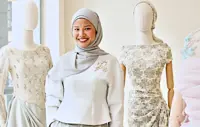
The global fashion industry has long been dominated by the powerhouses of New York, London, Milan and Paris.
Times are changing, though, with other cities fast emerging as significant players.
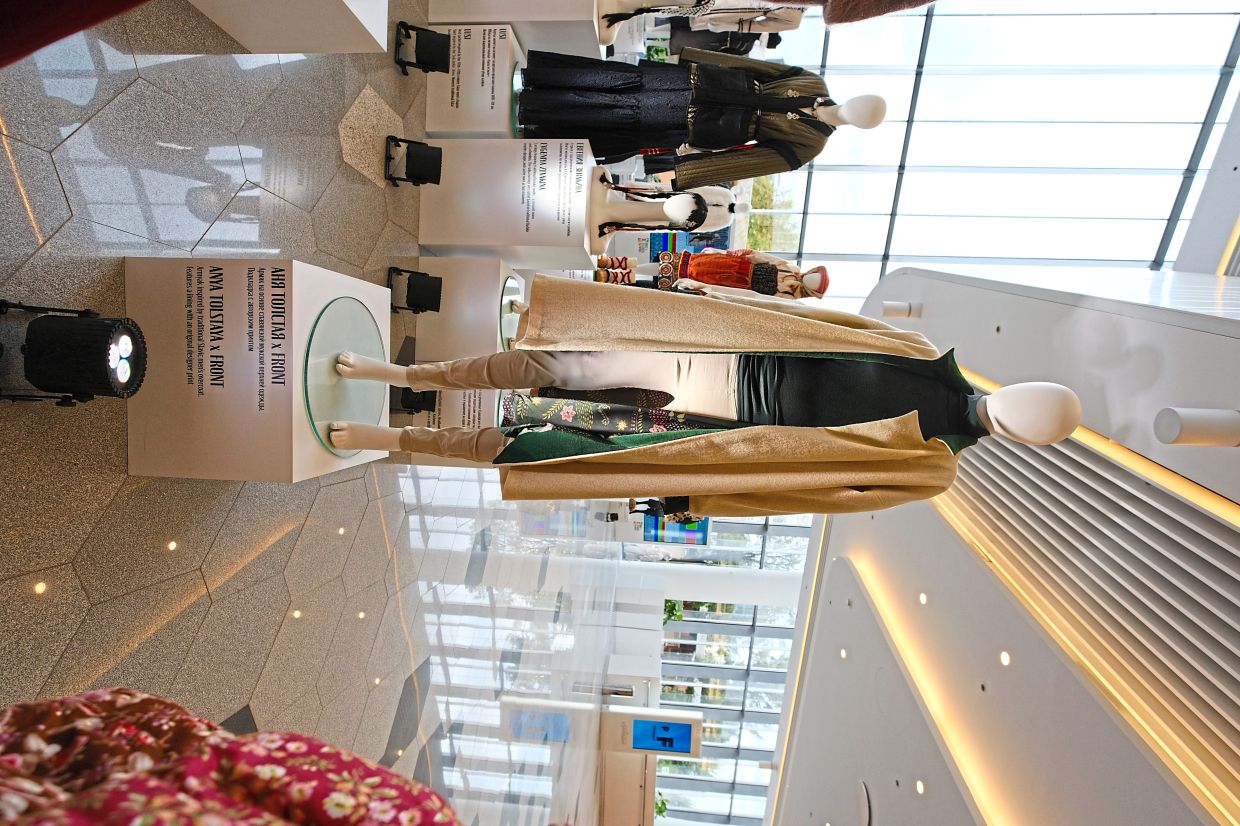
At Moscow Fashion Week, for example, designers from around the world were showcased alongside Russian talent, underscoring the city’s growing role as a stage for global exchange.
By spotlighting those outside the traditional circuits, such events foster an inclusive scene – one that embraces a wider spectrum of cultural narratives, design perspectives and aesthetic traditions.
This shift reflects a broader movement toward decentralisation in fashion, where creativity knows no borders.
Of course, countries will (and should) still use their fashion weeks as a stage to assert cultural identity, economic ambition and creative innovation.
Kuala Lumpur Fashion Week in July spotlighted some of Malaysia’s most recognisable designers, celebrating the country’s diversity.
Dubai Fashion Week, which wrapped up earlier this month, reinforced the United Arab Emirates’ reputation as a rising Middle Eastern hub.
Around the same time, Beijing Fashion Week brought together established names and experimental newcomers, underscoring China’s growing influence on the world stage.
From Mumbai and Sao Paulo to Jakarta, more cities are carving out their own space on the fashion calendar.
Collectively though, they signal a future in which the international conversation is shaped not by a few capitals, but by a constellation of creative hotspots – each bringing its own voice while enriching the evolving narrative of style.
Read more: New York Fashion Week opens under scrutiny over its relevance and reach
Serious business
Fashion’s impact extends far beyond the perception of being mere “fluff”.
It is an economic driver, cultural marker and social force that shapes how communities see themselves and are seen by others.
Globally, the industry generates trillions in revenue, sustains millions of jobs and fuels related sectors from textiles to manufacturing.
The apparel market alone, according to data-gathering company Statista, is projected to reach US$1.84 trillion (RM7.72 trillion) in 2025.
“Fashion is trade, fashion is industry, fashion is recognised around the world,” said Jay Ishak, CEO and co-founder of the International Fashion Chamber Malaysia.
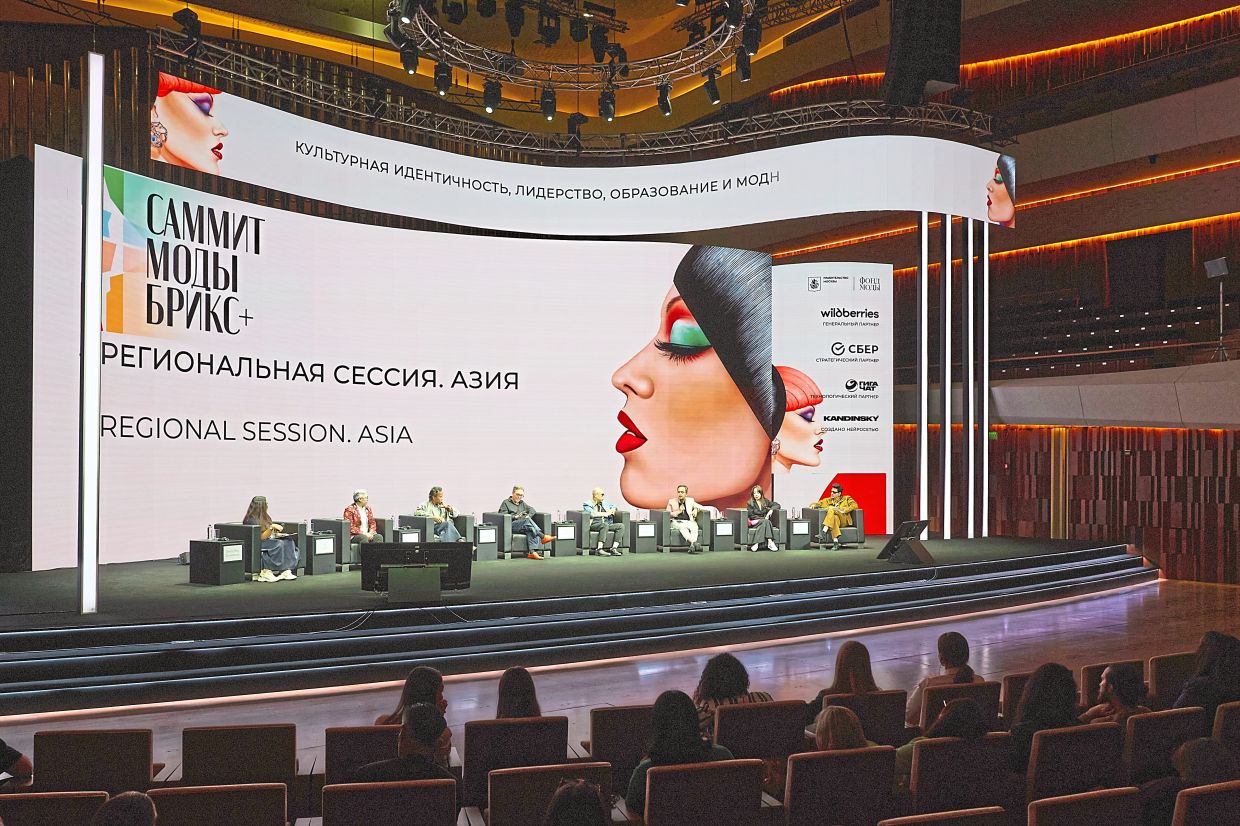
Jay took the stage at the recent BRICS+ Fashion Summit, which ran alongside Moscow Fashion Week Spring/Summer 2026.
StarLifestyle was on the ground, capturing conversations that positioned South-East Asia within a broader global context.
Speaking in the Asia-focused session, she described a dynamic region where traditional craftsmanship and cultural heritage intersect with innovation and rapidly expanding markets.
For South-East Asia, Jay said fashion can serve as both an economic engine and a cultural ambassador.
The region’s rich textile traditions offer unique stories that resonate globally, while its young, digitally savvy population is driving new modes of consumption, design and branding – positioning South-East Asia as one of the most exciting frontiers in the global style conversation.
“Fostering mutual understanding through shared creative expression is key to driving fashion markets,” she added in an interview.
“These summits unite diverse cultures, enabling brands from various countries to present their unique narratives and traditions, promoting cultural appreciation and collaboration.”
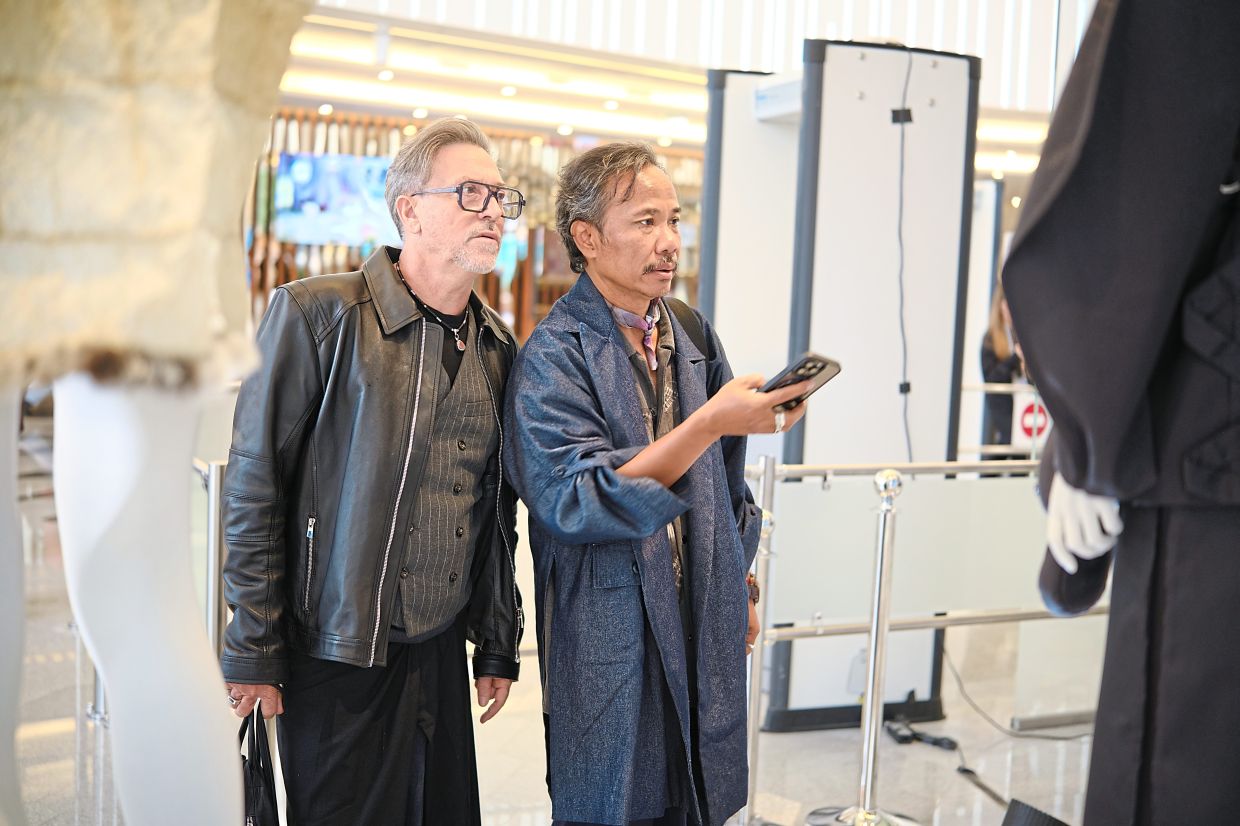
Malaysia’s trade commissioner in Moscow, Khaifil Elmi Jamil, echoed this sentiment, stressing that fashion’s potential for attracting investors should not be overlooked.
“People outside of Malaysia or South-East Asia have always been intrigued by our fashion, which combines tradition and heritage,” he said on the sidelines of the BRICS+ Fashion Summit.
He noted that Russia is highly fashion-focused: “Malaysian designers have always been an attraction to the country, whether in terms of business opportunities or creative collaborations.”
Read more: London Fashion Week presses on amid fresh direction and ongoing challenges
Universal voice
Fashion today speaks with an all-encompassing voice. Trends transcend borders, and what once felt homegrown quickly becomes part of a shared international discourse.
Look across the runways and you will notice themes, silhouettes and references bouncing between continents with ease.
Fashion should not be compartmentalised as either local or global, but seen as an interconnected conversation where influences flow freely, shaping a “language” that belongs everywhere and to everyone.
Minimalist tailoring, sportswear’s casual edge or the romance of artisanal craft resonate across geographies – proof that style today taps into emotions and identities that feel universal, even as they retain traces of their origins.
You see it in the quiet luxury wave embraced in New York and Seoul, the Y2K nostalgia linking London to Tokyo, or the appetite for sustainable upcycling from Copenhagen to Singapore.
At the recent Moscow Fashion Week, designers from Brazil, India, China, South Africa, Turkiye, Spain and lots more underscored this fluidity.
This interconnectedness makes fashion one of the few industries where collaboration and competition flow side by side.
As designers, brands and markets interact across borders, the shared vocabulary of style grows richer, carrying not only silhouettes and fabrics but also the cultural histories that gave rise to them.
Ultimately, the decentralisation of fashion is not about dismantling the traditional capitals but broadening the map.
The more voices that join the conversation, the more layered and inclusive fashion’s story becomes – reflecting a world that is diverse, dynamic and deeply interconnected.