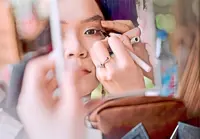
A walk around your favourite beauty store today reveals a quiet shift: refillable perfumes, reusable under-eye patches and refill pouches are steadily replacing the industry’s single-use norm.
Our routine, from the morning shower to the evening cleanse, could easily fit a handful of these thoughtfully designed products.
Between the refillable shower gel, hand soap, perfume, lotion, moisturiser, lipstick – and many more – we could have functionally reduced the amount of plastic, paper and glass materials that would have ended up in the landfills.
In this day and age, any amount of offset matters.
Despite its ubiquity, this idea of shopping for beauty refills is not yet an automatic consideration for many.
The cost of convenience – and the lack of forethought – will compound over time.
While some may view their beauty shopping as therapeutic, its environmental cost is anything but.
Recycling after the fact is simply no match for reusing the packaging we already have on hand.
As someone who witnesses the business end of recycling, Ken Jim, co-founder of a recycling collective, Bungkus, welcomes this new dawn of refills.
“It should 100% be normalised. We have to realise that the cost of convenience is actually paid elsewhere,” he says.

He also acknowledges that smaller local brands have quietly but actively been a part of this change.
But as more global brands join the conversation, he agrees that any support towards decreasing waste counts as us heading towards the right direction.
Read more: What are multitasking cosmetics and why are they now a go-to beauty choice?
Choose with the planet in mind
As refill options become more mainstream, major beauty brands are beginning
to invest more heavily in making them accessible.
Despite the slow adoption rate in Malaysia, sustainability lead of L’Oreal Malaysia, Natasha Karim, takes any sign of progress as encouragement.
“I see a difference with each passing year. Globally, our refillable range has seen a 3.7-fold increase in growth since 2019.”
With that promising development, it is a sure sign that this endeavour is here to stay.
According to the Kantar Sustainability Sector Index Survey 2025, 84% of global consumers already want to make sound, responsible choices.
Yet 42% are unaware that refillable beauty options are available and 43% could not locate them in-store.
To bridge this gap, the brand invites the public to “Join The Refill Movement”, where Malaysians can have easy access to high-quality and accessible refills of their favourite beauty products.
Now is as good a time as any to be the change you want to see in the world.
If you want to help accelerate this meaningful journey, Jon Lee, who’s already holding up his end of the bargain through beauty refillery, Remedy, has this to say to help stir you into action and steer you in the right direction:
“Businesses and governmental policies will change if everyone works towards a more sustainable society.”
Make it easy and enjoyable
Both Lee and Jim agree that the path towards a sustainable habit starts with integration, and this is made all the easier as more and more brands embrace refills as an alternative for replenishment.
“The easiest is to start with a product that you use most often. For most people, that would be body wash or shampoo,” says Lee.
Whether you’re buying off the shelves or heading to a refilling station, it’s totally achievable.
“Most bulk stores now collect upcycled bottles to let customers use them to get a refill, so you don’t even need to bring your bottle; you just need to rock up and buy your refill in a cleaned, used bottle.”
Overall, Jim points out that we have to be more vigilant and conscious about what we use in our households.
“We have to start small and slowly branch out to other aspects of our lives,” he says.
For many of us, beauty is a great starting point.
This is where brands, with their extensive reach and capabilities to innovate, come in.

Natasha agrees that companies play a role in transforming a consumer’s behaviour: “We want to normalise this and make refilling cool”.
Fall in love with it
Though refilling can feel mundane at times, there are ways to give this sustainable gesture its very own touch of glamour.
There is no denying the fact that inanimate stuff brings us joy, so how do we replace that dopamine rush we experience when buying something new? Lee’s short answer? Get a beautiful dispenser or bottle.
“You want your environment to look good. If you have a nice bottle, you will get a refill to use it,” he adds.
Jim echoes the idea, but posits another frame of thinking.
“What we can do is to also emotionally invest in reusable packaging that we love to use constantly. When we de-centre that experience, you start to realise there’s so much customisation that we can design to suit our personal consumption,” he says.
Still not sold on the idea? Natasha might just have the kicker. “You’ll be surprised to see the value impact. It’s actually very attractive,” she confirms.
Not only will consumers save on the cost of the primary packaging, but often, the refills also come in deluxe volumes. Some even go as far as to offer double the value.
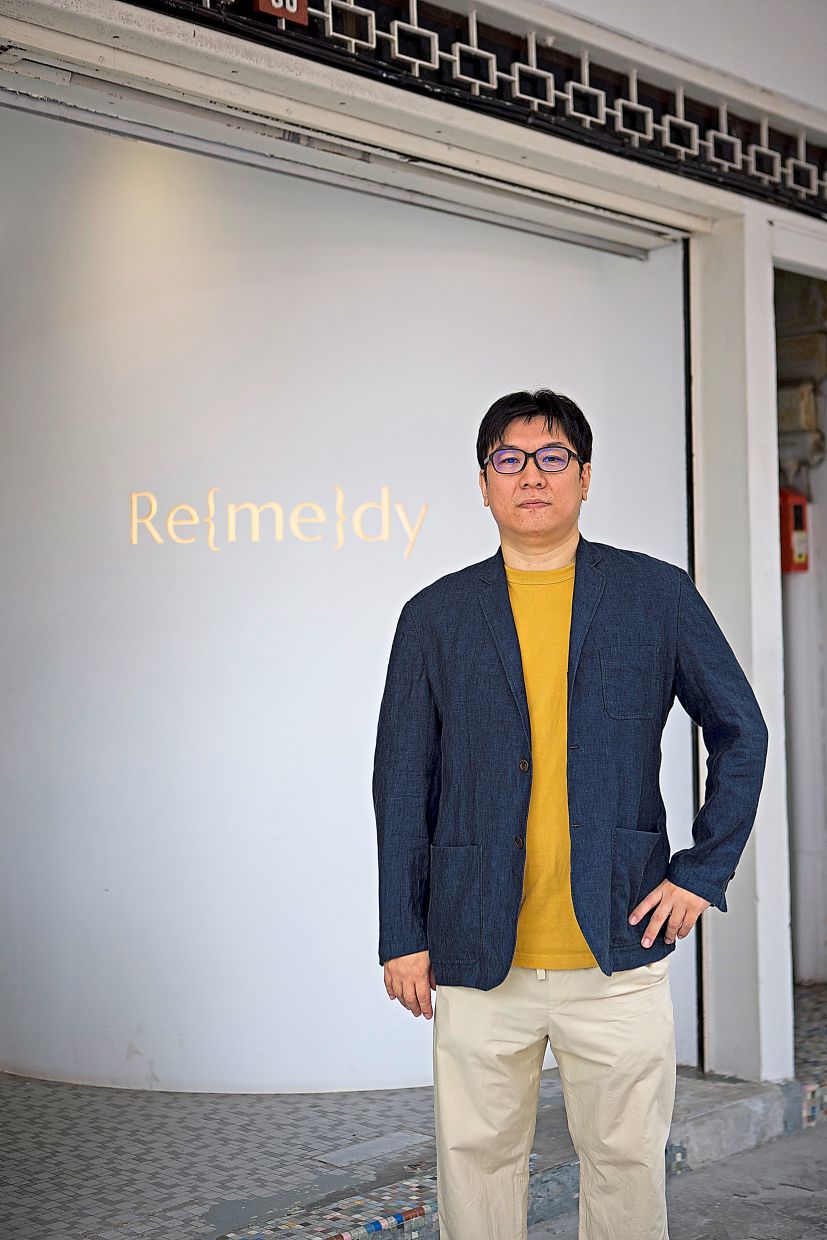
Similarly, refilleries also offer great value for money options that almost totally omit the need for refill packaging.
As more refill options become available, brands continue to innovate and consumers become more conscious of their choices, refilling could soon become an everyday habit rather than an exception.
Read more: From mori to Douyin makeup, Malaysians are creatively remixing beauty trends
Food for thought
For a lot of us, the ‘why’ behind our actions matter greatly.
Instead of going in blindly, these three experts have wise words for our consideration.
“We’re not paying the true cost of our purchases most of the time. The supply chain of the products that we consume is very disconnected and the environmental implications are usually not accounted for or spoken about,” Jim starts.
“The price is paid by our environment. As consumers, we have every power to make better decisions with our purchases and to push for more accountability.”
According to Lee, remind yourself why you are doing this.
“Note how many refills you have done and look back to how many bottles you have saved from the landfill so far and give yourself a pat on the back.”
He also recommends finding like-minded people in order to stay encouraged and informed.
And if you’re feeling deflated, just know that there are those out there looking into the future of sustainability.
Natasha says investments are already taking place in order to make green technologies and circular solutions a reality.
“We just started. But who knows? These might be the seed that helps us achieve net zero in the future,” she hopes.