The goal has always been to expand internationally, but for Malaysian fashion, going global requires more than good design.
Creatives need the will and resources to navigate unfamiliar markets, build international networks and turn good taste into a commercially viable proposition.
A strong product may open doors, but business acumen is what keeps them open.
According to the Malaysia External Trade Development Corporation (Matrade), the country’s fashion and apparel sector has been building its export presence since the early 1970s.
Since then, the government agency says the sector has evolved from a domestic manufacturing base into a significant contributor to the country’s trade economy, while reflecting broader consumer market trends.
Today, Made By Malaysia apparel “maintains a strong international reputation built on product reliability, quick delivery times, and exceptional manufacturing standards”, a Matrade spokesperson tells StarLifestyle.
Beyond manufacturing, local businesses have developed their own designs, specialised printmaking techniques and premium garment-finishing capabilities, allowing them to compete on more than production alone.
Matrade lists the UK, the US, Italy, Japan and France among the key fashion markets for Malaysian exports, while highlighting the country’s prominent position in the global Islamic fashion market.
Its data puts Malaysia’s combined exports of textiles, apparel and footwear at RM13.9bil in 2016, rising to RM15.5bil in 2019 before contracting by 10.2% during the pandemic in 2020.
The sector rebounded in the following two years, with exports growing by 13.5% in 2021 and 9.6% in 2022 to reach RM17.3bil.
After dipping 7.6% in 2023, exports recovered by 7.6% in 2024 to RM17.2bil, nearly matching the previous peak.
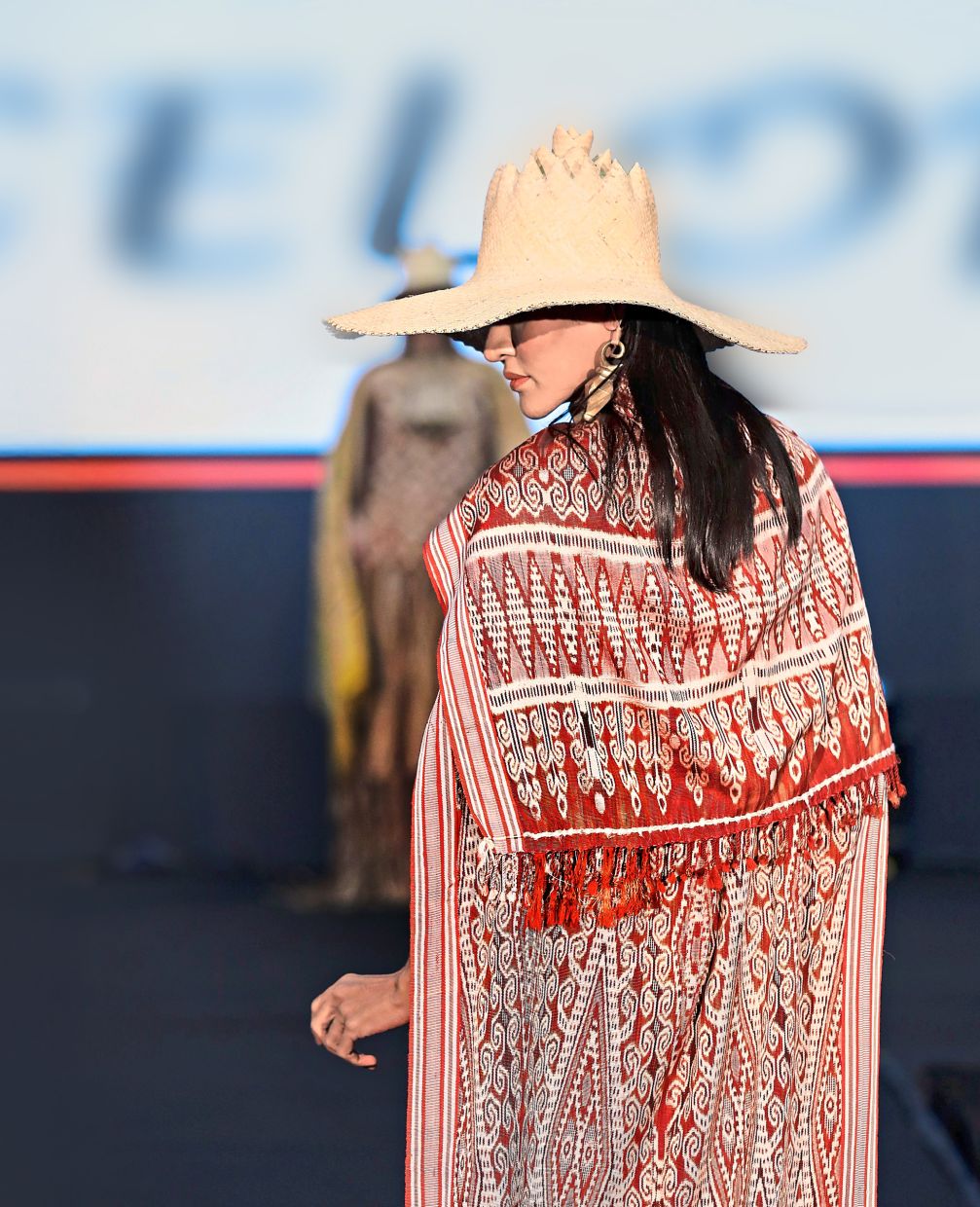
Matrade attributes much of this progress to the designers who have helped establish Malaysia’s creative credentials abroad.
“Underpinning this export success is a world-class pool of creative talent driving Malaysia’s international brand recognition,” reads Matrade’s statement.
Yet visibility alone does not guarantee commercial success.
For Malaysian labels looking to establish a lasting presence abroad, the challenge is to convert recognition into sustained demand, build relationships with buyers and develop the business capacity to compete in markets beyond their own.
To this end, entrepreneurs are encouraged to tap into Matrade’s network of 47 overseas offices to explore new markets.
“Think of these offices as your personal, complimentary marketing team on the ground,” the agency shares.
“They provide vital market intelligence and connect you directly with potential importers and buyers in your target markets.”
Read more: Why Malaysia is becoming an important stop on fashion’s evolving global map
Beyond the glitz and glamour
There are certain segments where Malaysia has a natural advantage, and modestwear is one of them.
With its established Muslim consumer base and familiarity with the needs of modest dressers, Malaysia is well placed to develop a distinctive proposition in a market that extends far beyond its borders.
At Modest Fashion Week 2026 – held last month as part of the Malaysia International Halal Showcase in Kuala Lumpur, organised by Matrade – local designers demonstrated a knack for balancing the demands of modest dressing with contemporary aesthetics.
The runway featured silhouettes and styling with appeal beyond the domestic market.
Yet the real challenge lies in turning that appeal into sales.
Modest Fashion Week is an initiative by the International Fashion Chamber Malaysia, which aims to help local designers generate economic value from overseas markets.
For its co-founder, Jay Ishak, the pertinent question is what happens after the applause fades.
“Going overseas is not the same as exporting,” she says.
“You can showcase overseas and come home with photographs and publicity. Fashion export begins when that exposure converts into international business, and it becomes sustainable when the business repeats.”
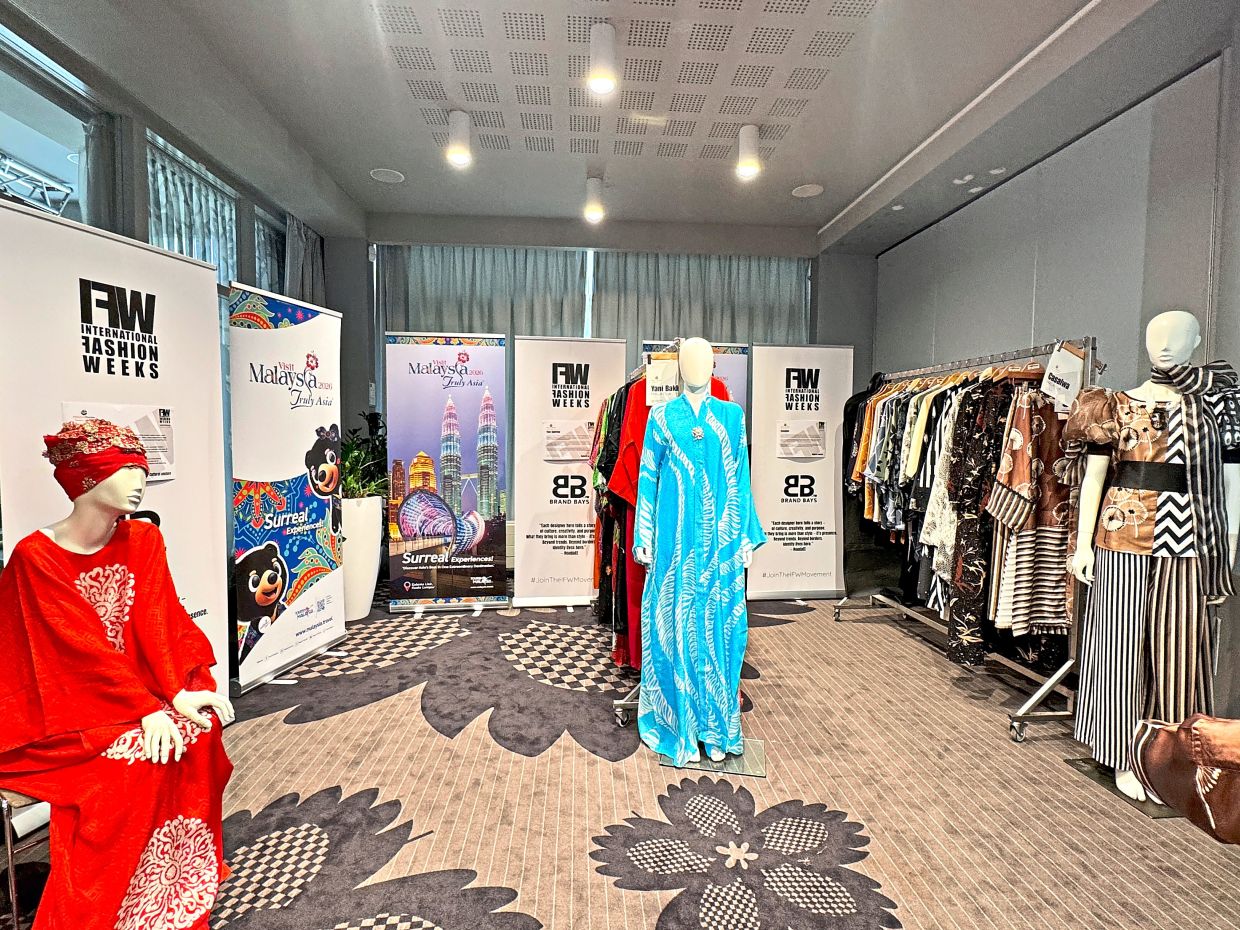
Jay argues that if an opportunity does not ultimately build capabilities, open up markets, foster business relationships or generate economic value, it is worth asking whether the effort truly moves the industry forward.
The ambition for Malaysian fashion, she believes, should go beyond gaining overseas exposure to building a high-value industry.
“Malaysia already knows how to manufacture for international markets. The bigger opportunity is increasing how much of the value is Malaysian-owned – the design, the brand, the intellectual property, the customer relationship and ultimately the distribution,” she says.
That shift, Jay adds, requires the next generation of designers to learn to speak two “languages”: creativity and commerce.
She also sees a role for the government, not in building the industry itself, but in creating the infrastructure, incentives and market-access mechanisms that allow promising Malaysian businesses to scale faster.
“The next phase of Malaysian fashion is not about proving that we are creative enough. We are,” she says.
“It is about building the systems that allow Malaysian creativity to travel further, earn more and create lasting economic value.”
For Jay, the ultimate ambition is bigger than simply exporting fashion. It is for Malaysia to become one of the places where the world comes to trade it.
Enduring local appeal, strong global attention
Indeed, Malaysian fashion has shown time and again that it can hold its own alongside the grand fashion houses of Paris and Milan.
Malaysian names have repeatedly surfaced on the international stage, demonstrating that local talent can compete beyond its home market.
Datuk Zang Toi, who established his label in New York City more than three decades ago, is one of the designers who have helped put Malaysia on the global fashion map.
Toi has often said he was simply in the “right place at the right time”. He arrived in New York to study fashion and caught the attention of US Vogue, a breakthrough that helped launch his career.
But his success cannot be attributed to luck alone.
Proud of his heritage, Toi has never needed much prompting to talk up his home country.
In a casual conversation over a video call, he acknowledges that most Americans do not know much about Malaysia, but his clients certainly do.
“Over 37 years, I’ve done at least four Malaysian collections,” he quips, cheekily adding that he did a rather good job of it, too.
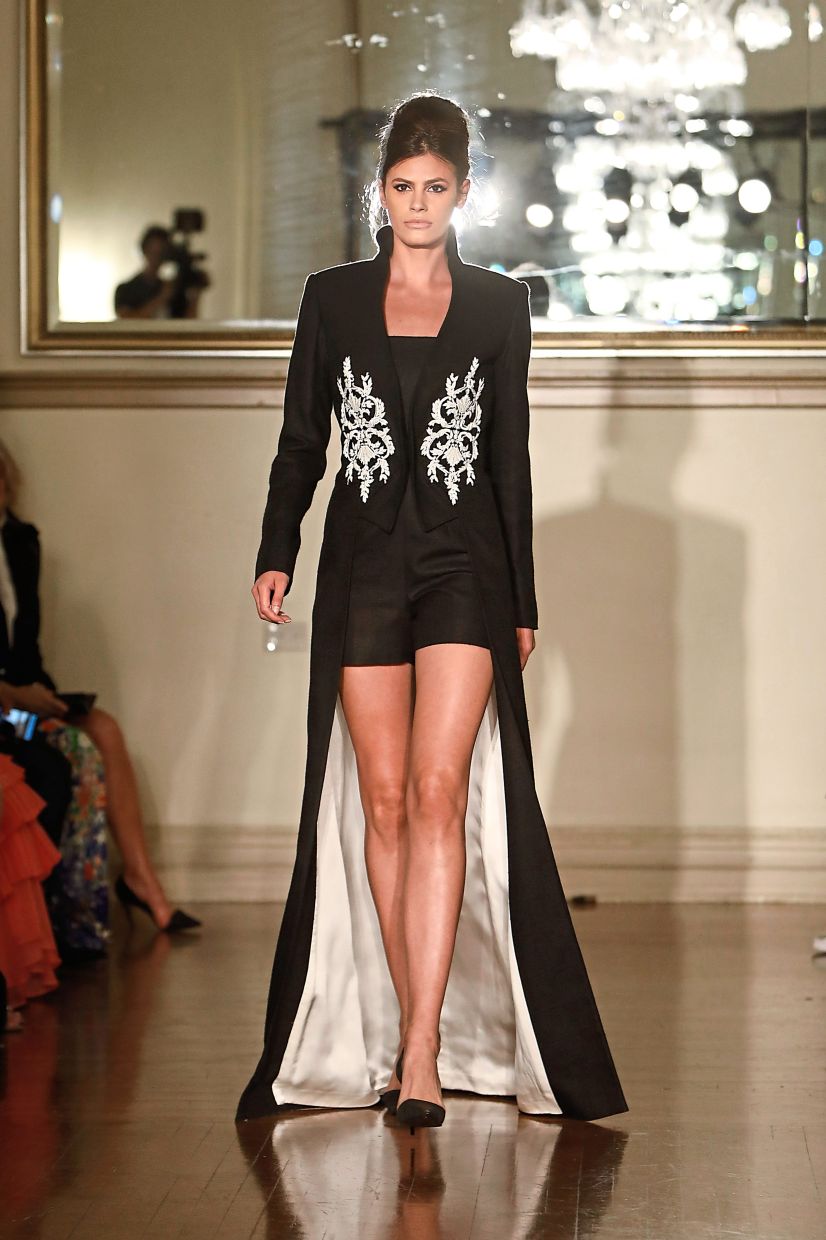
His 30th anniversary Spring/Summer designs, for example, used traditional motifs and elements.
He used sarong fabric, but in black and white, instead of its usual multi-coloured form. There were also intricate beading on some dresses that represented the songket pattern.
“We have to modernise what we love. If you don’t, you’ll be limited to only specific markets,” Toi says.
While he does wish that he had more support back then starting out, hard work is non-negotiable.
“Fashion is a business. Even now, I’m on the road five days a week during trunk show season,” Toi relates.
Then there are the harsh realities of trying to make it in a new country.
“I would like to think that work ethics is as equally important as aesthetics. If you receive orders, you have to fulfil them in time. You can’t just decide you want to take a year off, or even a season,” Toi says.
Wendy Ng, commercial director of Malaysian designer label Khoon Hooi, echoes this sentiment.
“Your production has to be in order, and the quality has to be impeccable,” she says bluntly.
“When you go international, your brand sits alongside names like Oscar De La Renta and Carolina Herrera. You have to ask yourself whether your products meet those standards.”
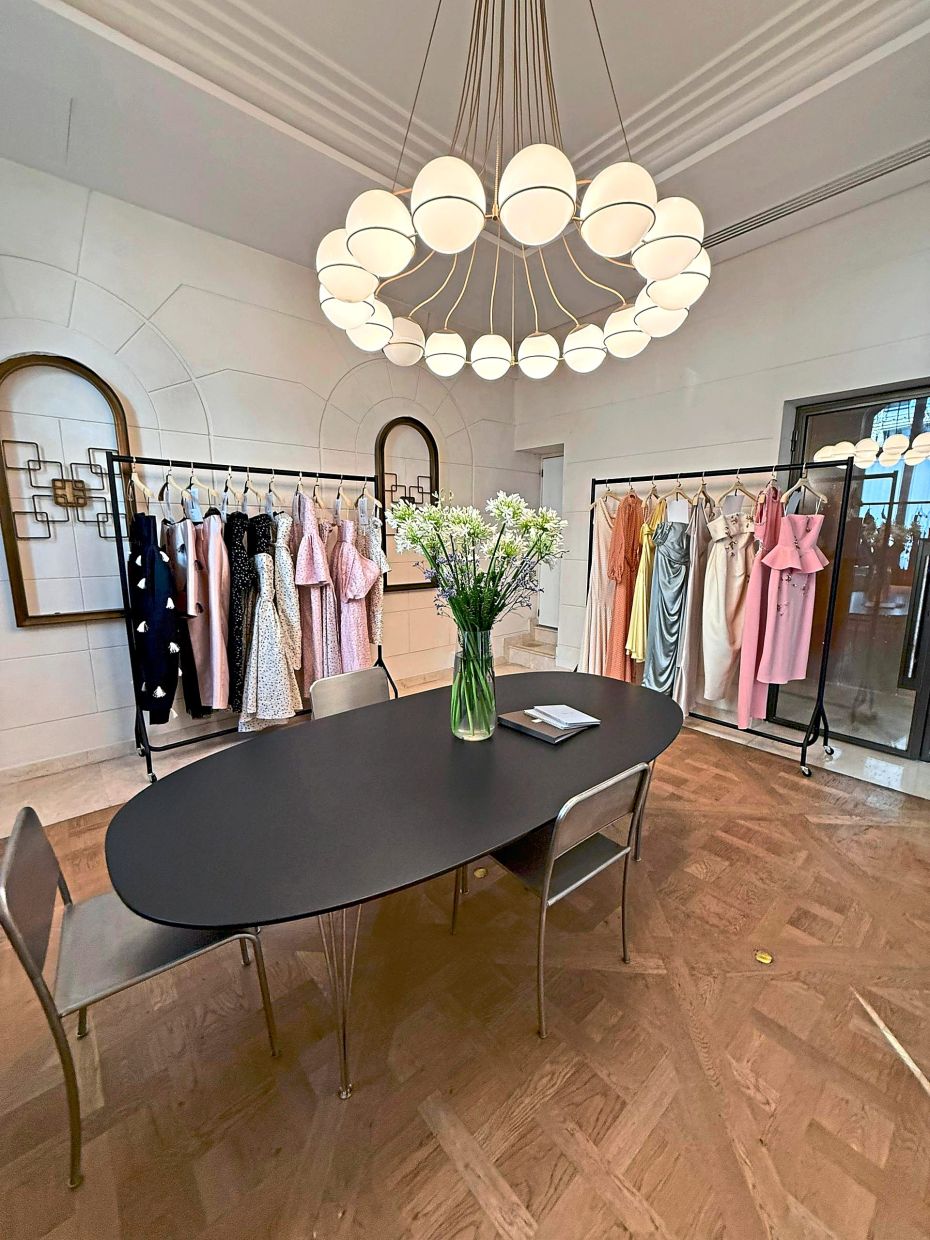
Ng, who has previously worked with international fashion retailer Net-a-porter and luxury house Prada, draws on her retail experience to point out that consumer preferences vary across markets.
There is no single formula for achieving “global appeal”, she says.
“If you’re selling to the Middle East, for instance, certain designs may work perfectly there, but the same pieces might not make sense in different parts of the US.”
Beyond getting their products market-ready, Ng believes designers require government support to expand overseas.
“It’s about storytelling, especially when it comes to playing up our fashion heritage.Designers need help to sell the Malaysian name beyond our borders,” she further explains.
“Sometimes, we need to go beyond trade shows. We may need funding for networking, trunk shows, red carpet dressing and other public relations activities.”
Read more: Global runways: How emerging fashion weeks are helping to redefine style
Fashioning a country’s pride
Khoon Hooi’s designs have graced Hollywood red carpets, while the label has also developed its commercial presence through trade showrooms in New York and Paris.
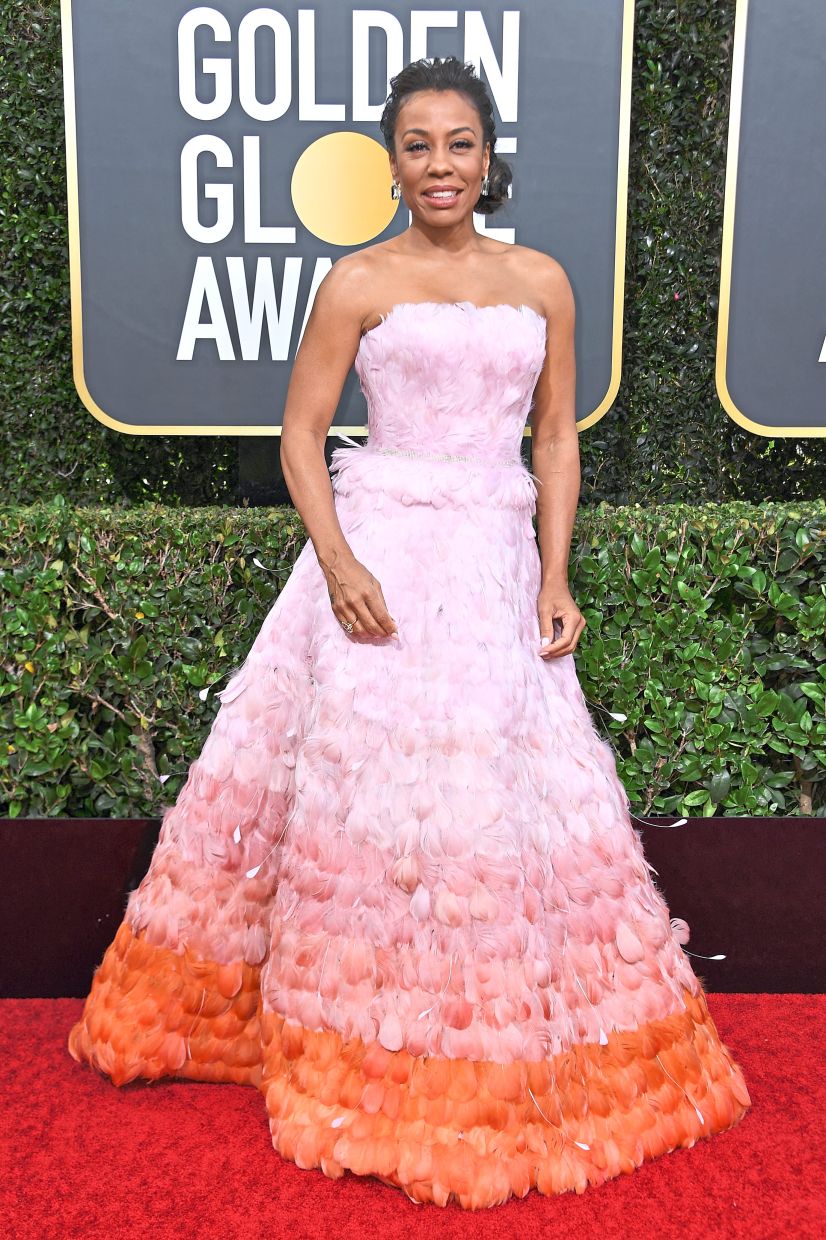
Malaysian fashion has also found a place in the wardrobes of international celebrities.
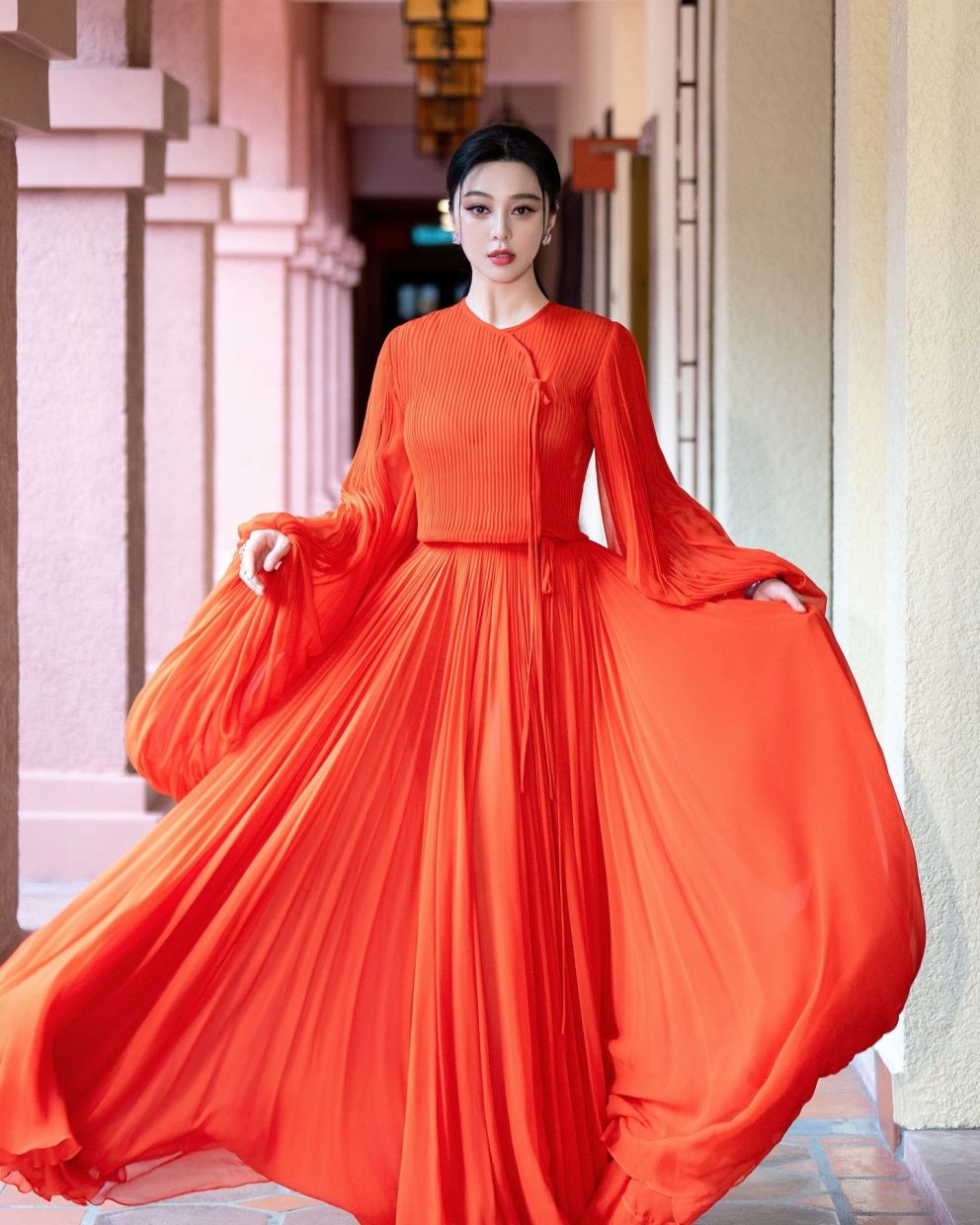
When China’s actress Fan Bingbing visited Melaka in 2024 as the state’s tourism ambassador, she wore a kebaya by Khoon Hooi.
She has continued to wear his designs for subsequent visits.
The actress has also stepped out in creations by other local talents, including Datuk Seri Bernard Chandran.
When she returned to Malaysia in 2025 to receive her datukship, she wore an elegant bespoke creation by Melinda Looi for the occasion.
Another Malaysian name that could soon be making waves internationally is Yuleza, which announced last week that it will open a pop-up space at Iwataya, a high-end Japanese department store chain, in Fukuoka.
Lizalina Chew, one of the siblings behind the brand, says the opportunity came unexpectedly.
The brand had not even pitched for it. Instead, she was on holiday when an Iwataya representative approached her after spotting her outfit.
“I was wearing a blouse with intricate embroidery on the front, and he loved it,” she recalls.
For Chew, the encounter is a reminder that Malaysian fashion can indeed make an impression on foreign audiences.
“People often assume that only big international brands can turn heads, but we shouldn’t underestimate the talent and creativity we have here at home.”
Yuleza began as a small batikwear shop in Kuala Terengganu before being passed down to the next generation.
Today, the brand continues to celebrate traditional craftsmanship through designs distinguished by their intricate details and artisanal touches – qualities that resonate with audiences everywhere.
“Malaysian designers are really talented. As a country, we are so rich in craftsmanship and heritage, and these are the very things the global fashion world is hungry for right now,” Chew says.
From established names that have built businesses overseas to emerging labels attracting attention from international buyers, Malaysian fashion has no shortage of creative talent or distinctive cultural influences.
The challenge is to turn that potential into lasting commercial success.
That means looking beyond the runway and the red carpet to build brands that can meet international standards, understand different markets and sustain relationships with buyers and customers.