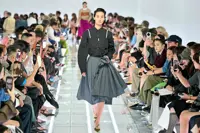
The fashion business has rarely been more complex. Today, understanding what sells – and what does not – means weighing a far broader range of factors than ever before.
At the centre of this is the millennial versus Gen Z debate, with brands increasingly aware that different generations have distinct tastes, shopping habits and expectations.
A market report released last year by Women’s Wear Daily and Boston Consulting Group found that fashion’s “next generation” of consumers (which also includes Gen Alpha) spend more on clothing and footwear than older shoppers.
They are, however, also highly driven by trends.
The study drew on insights from 9,000 US consumers, social media listening and interviews with chief executives of brands successfully connecting with younger audiences.
The shift in consumer preferences is evident in Malaysia too.
“Decades ago, when you thought about suits, there was really only one cut – loose-fitting. Then came slim fits, and now oversized silhouettes. Every generation wants something different,” says Datuk Dickson Phang, founder of Malaysian menswear brand Smart Master.
“The idea of tailor-made has evolved as well. Tailoring isn’t just about suits anymore. Casual clothing can be made to measure too, especially for people looking for a better fit or a more personal style.”
Read more: Glamour game: The power of celebrity fashion in Malaysia and beyond
Founded in 1999, Smart Master is reimagining the traditional menswear shopping experience through a more contemporary lens.
With a new flagship boutique in the heart of Kuala Lumpur, the brand hopes to position slow fashion as an appealing option for younger consumers.
Alongside ready-to-wear collections, it offers custom tailoring supported by an in-house team of tailors and a service-led retail experience.
“We tend to think having a suit made is an ‘old-school’ thing. In Malaysia, people even call it ‘uncle’, as if tailoring is only for an older generation,” Phang notes.
“But we want to show that menswear doesn’t have to feel dated or intimidating. Trends change, and even our loyal customers can experiment with different looks while staying true to classic menswear.”
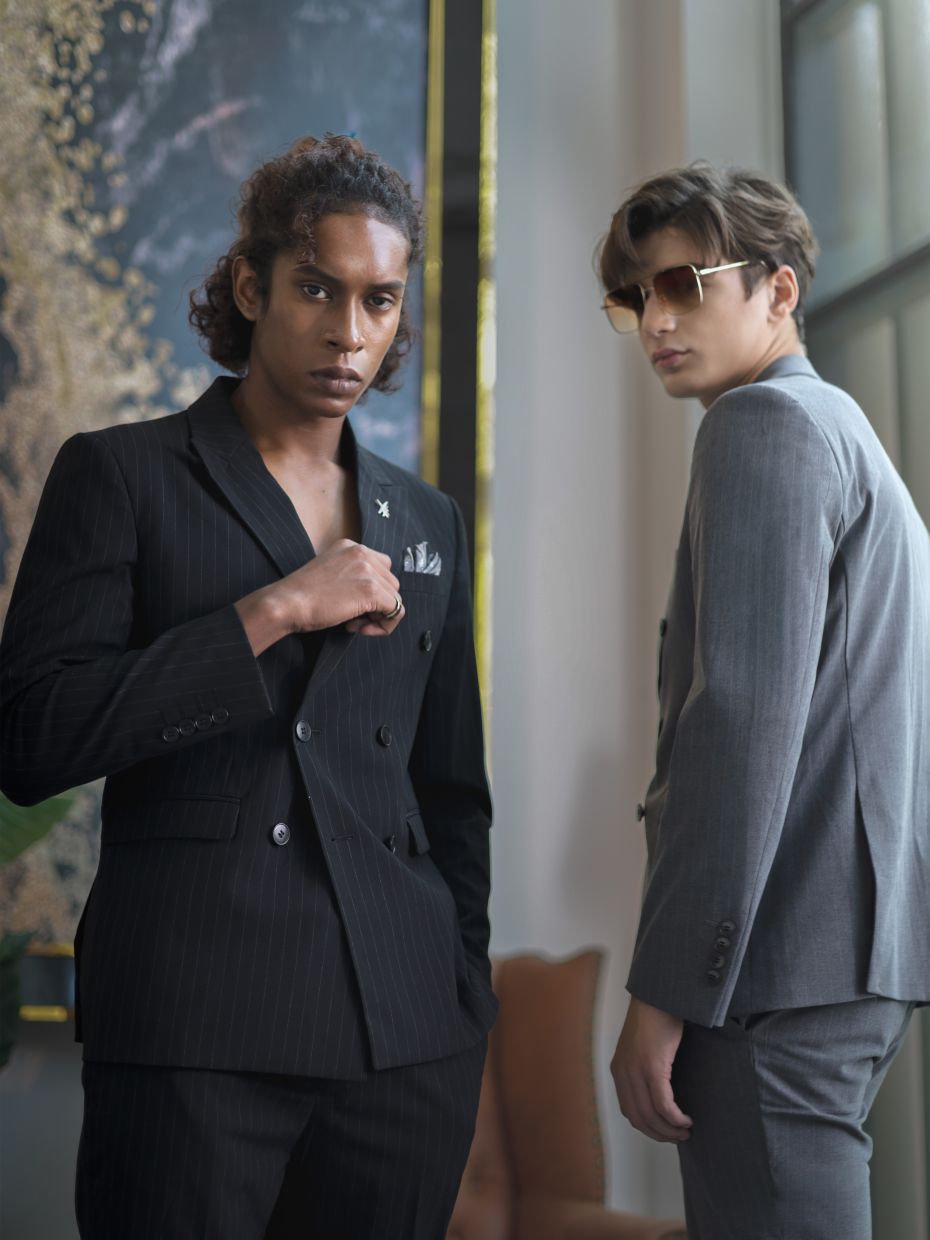
That philosophy is reflected in Smart Master’s campaigns, where sharp tailoring is styled in a way that feels contemporary and accessible to younger men.
“We’re not trying to go full-on fashion,” Phang adds. “We want to stay true to our roots while making menswear relevant to a younger generation.”
The hype factor
Fashion businesses also face the question of whether to chase the latest hype.
Even fashion houses across the industry must contend with shifting consumer tastes, social media-driven trends and slowing demand in key markets.
An analysis of the luxury sector by news agency AFP, published earlier this month, found that major groups including LVMH and Kering are refocusing on craftsmanship, product quality and customer experience as they seek to restore desirability without sacrificing exclusivity.
Industry experts quoted in the story said the future of luxury lies in striking the right balance between growth and scarcity.
That, on the whole, reflects a broader tension across the global fashion industry.
Nazifi Nasri, known for his sell-out bag drops, says exclusivity remains a crucial part of fashion’s appeal.
“It creates desirability and makes a product feel more special, as not everyone can own it. In a way, it’s similar to a limited-edition release – people value it more because it’s not always available,” he adds.
With his eponymous accessories brand, he says his approach sits somewhere in the middle.
This is especially true when designing bags that feel current while maintaining relevance beyond a single season.
“I aim for a design to feel current without being overly trend-driven. A successful bag should remain relevant years later,” he points out.
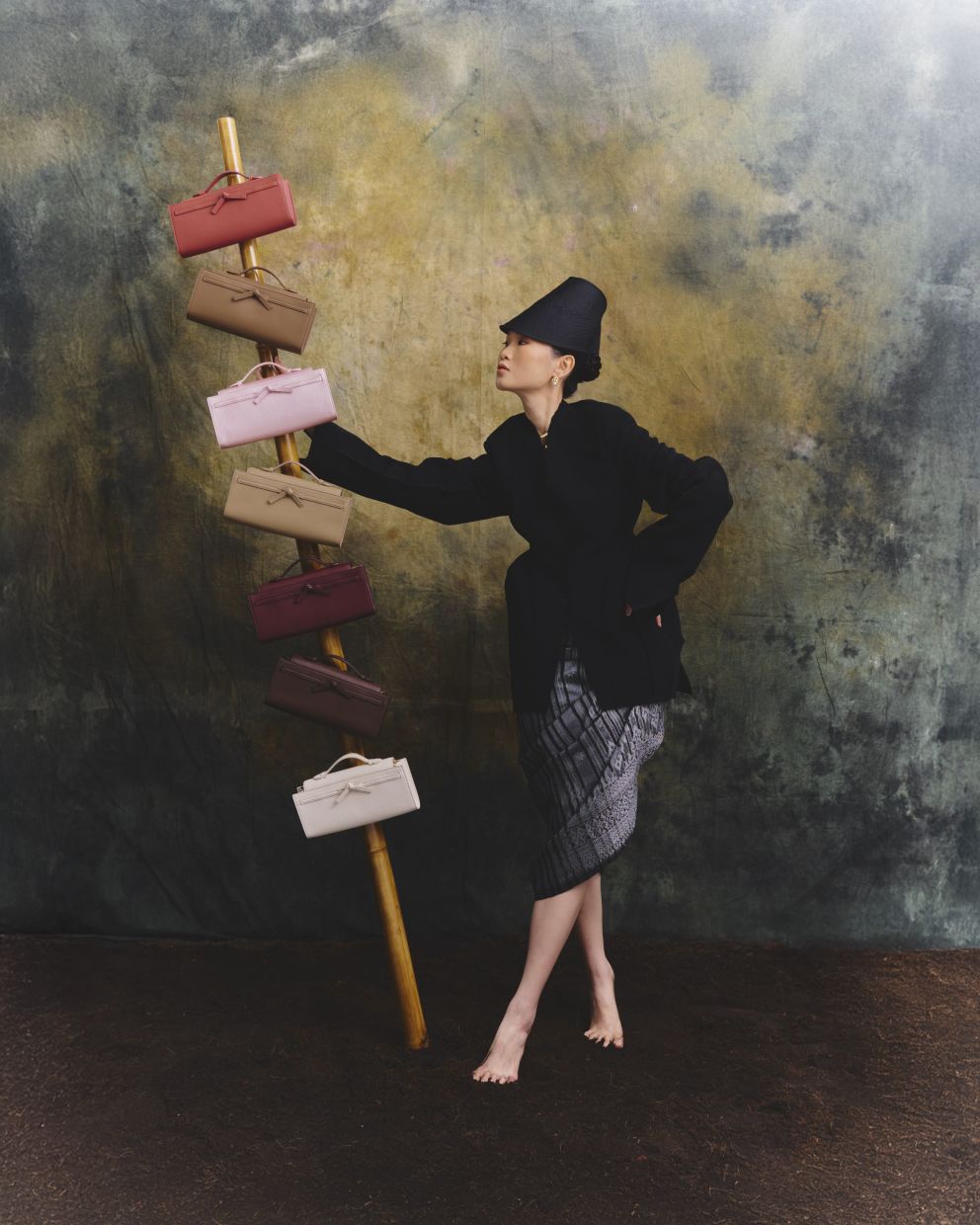
A leather goods designer, Nazifi first began selling men’s footwear in 2014, specifically sandals. His move into women’s accessories came later after he realised there is a stronger demand in that category.
By 2023, his bags had gone viral, leading to long queues at a bazaar stall he set up for the Hari Raya season.
He says his customers are varied, with some prioritising timelessness, quality and longevity, while others are drawn to more trend-led designs.
Nazifi nevertheless adds that Malaysian consumers still tend to favour classic, versatile pieces.
“The market for quirky or statement pieces remains relatively niche. Because a bag is often the finishing touch to an outfit, most local consumers prefer classic designs that offer versatility, longevity and better overall value,” he explains.
Mass fashion appeal
Beyond exclusivity, mass appeal has become another defining force shaping the industry’s direction.
Increasingly, designers are also taking up positions within fast fashion companies, bringing high-end design sensibilities into brands built for speed, scale and accessibility.
US designer Isaac Mizrahi recently joined Target, while his counterpart, Zac Posen, took on a senior creative role at Gap in 2024.
British designer Clare Waight Keller, known for her work at Chloe and Givenchy, now heads Japanese clothing retailer Uniqlo.
These moves signal how the lines between affordable and luxury fashion are blurring.
In March, it was announced that John Galliano, recognised for his haute couture work, had entered a two-year partnership with Spanish fast fashion retailer Zara.
Swedish-British fashion brand COS appeared on the New York Fashion Week schedule last September – for the fourth time since 2022, underscoring how mass-market brands are increasingly occupying the same cultural space as designer labels.
“Consumers today are more informed and want good design at accessible prices,” says designer Jimmy Wong, who runs Malaysian label Double U.
He says luxury talent working with mass-market brands helps bring designer aesthetics to a wider audience.
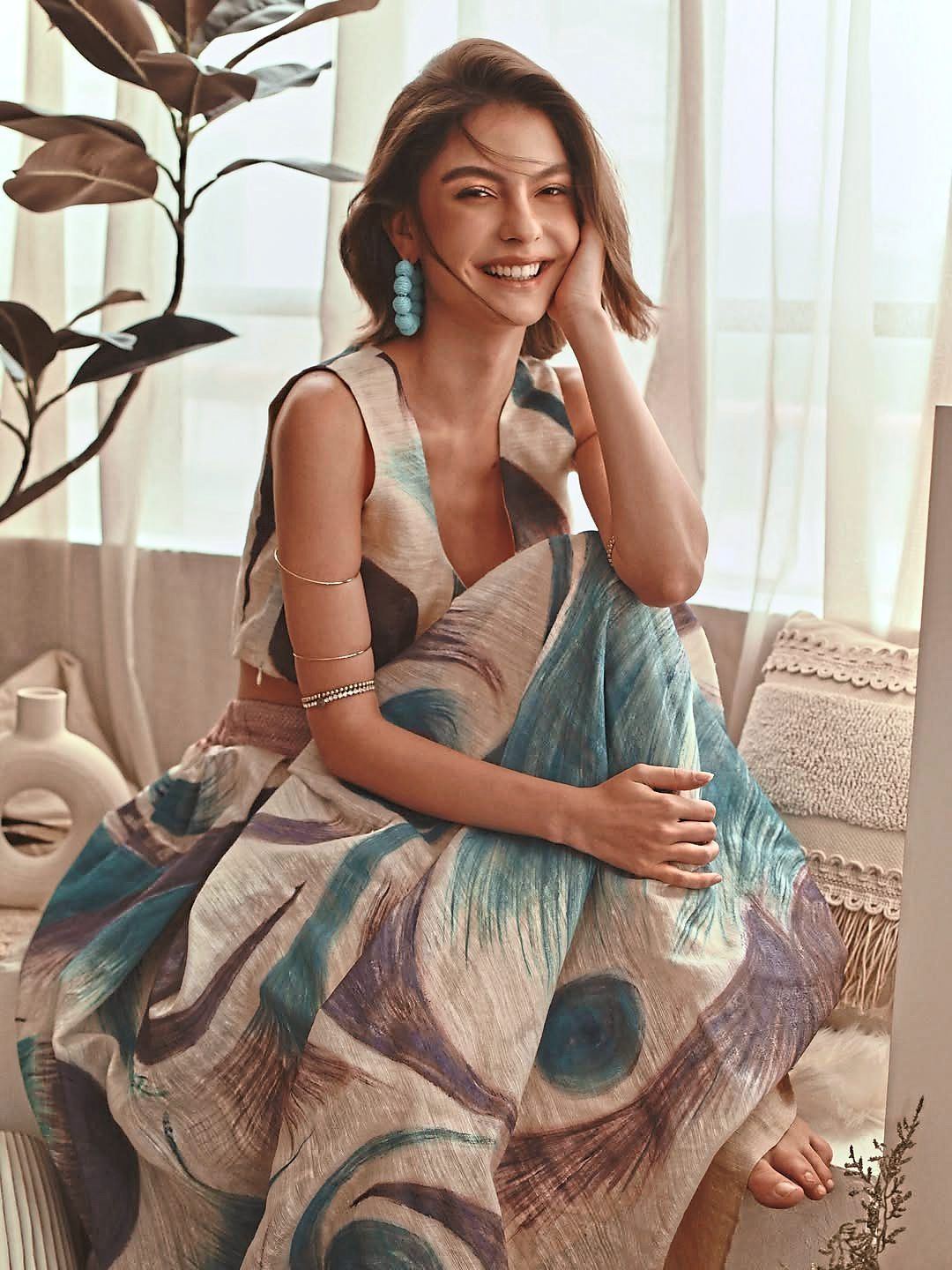
The divide between designer and fast fashion, he adds, is increasingly defined by statement pieces versus everyday basics.
Read more: Malaysian entrepreneur Vivian Quah bets on experiential fashion retail
Ultimately, it comes down to whether a brand chooses volume or value.
“As a designer, we need a balance of both – basics provide commercial stability, while statement pieces communicate the brand’s vision and attract attention,” Wong explains.
“It increases competition because consumers have more choices at different price points. However, it also encourages independent designers and luxury brands to focus on what makes them unique, such as craftsmanship.”
Other factors continue to shape fashion business decisions.
To understand what sells today, and how brands should respond to shoppers, is increasingly less straightforward.
“Many people now prioritise value, quality, sustainability and emotional connection over status alone,” Wong says.
“Designers should respond by creating products with stronger meaning, better quality and timeless appeal rather than focusing only on trends.”
Along this line of thought, the bigger picture thus emerges – creativity is increasingly used to build lasting relationships with consumers rather than simply driving consumption.