With fast fashion, algorithm-driven trends and mass production dominating today’s fashion industry, is there a decline in the popularity of handmade products?
According to local artisans, leathercraft occupies an interesting space in modern fashion, blending traditional craftsmanship with contemporary tastes.
The skills required can take years to develop, the materials are costly and the work demands patience in an era increasingly defined by speed.
While traditional craftsmanship faces undeniable challenges, a growing number of consumers are seeking products with meaning, longevity and a story behind them.
The lifelong pursuit
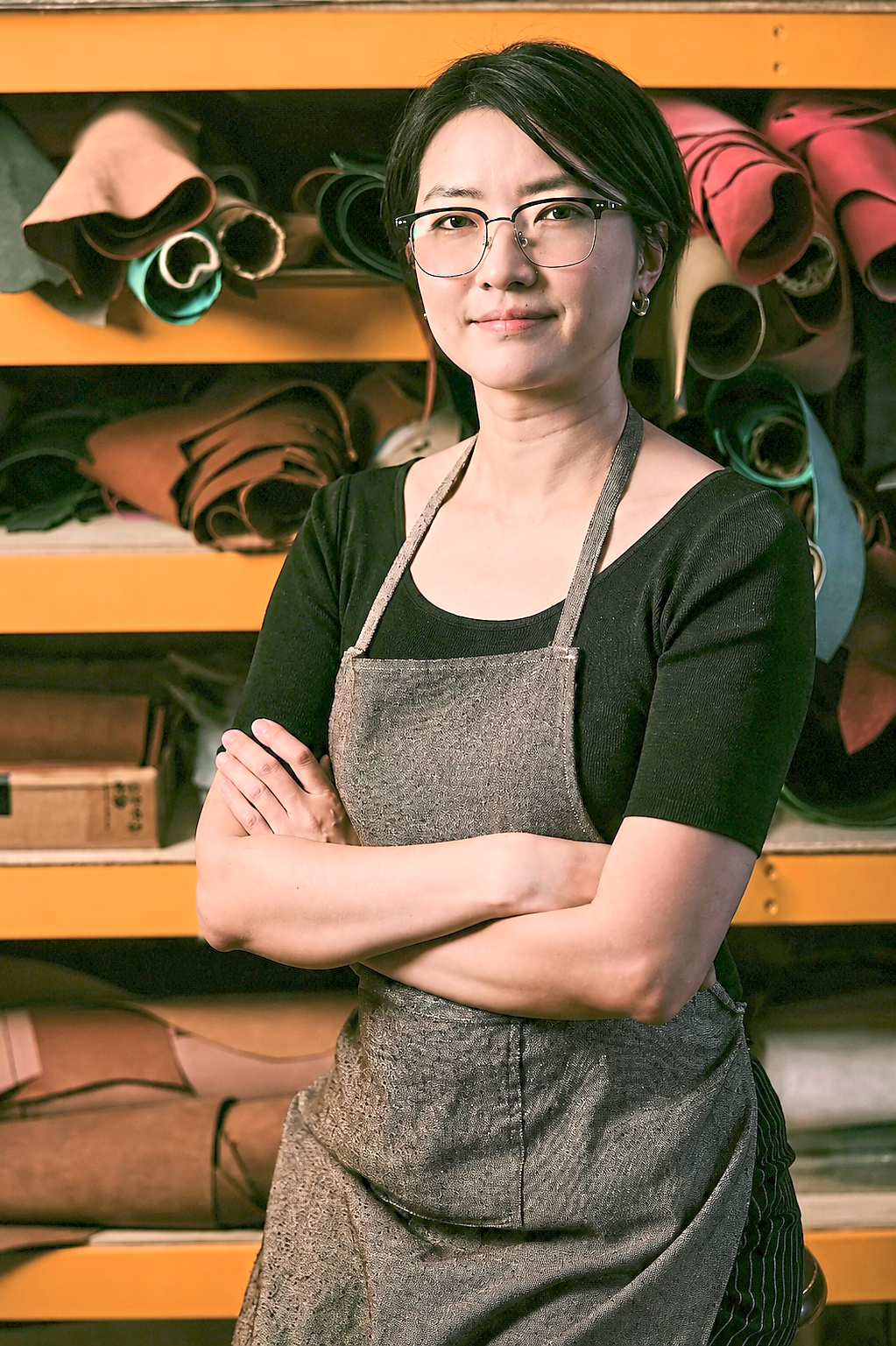
For Chim Yee Hui, founder of Atelier Chim, leathercraft began as a fascination with making things by hand.
Trained as an engineer, she explored papercraft, embroidery and patchwork before discovering leather in 2012.
“Leather is a special material. Every piece is unique, with its own grain and character, and it develops a beautiful patina over time,” says Chim, who studied the craft in Paris and later worked as a prototypist for the French luxury house Moynat.
“A simple, well-proportioned design is often enough to let the material speak for itself.”
Today, from her base in Kuching, she creates pieces inspired by nature, architecture and everyday objects using European leathers.
Like Chim, leather craftsman Ryan Lee believes mastery is something of a moving target.
A fashion design graduate who now works full-time as a leather artisan, Lee traces his fascination with bags back to childhood, creating his first leather bag at 14.
“I wouldn’t say I’ve mastered it yet,” says Lee, who mostly does made-to-order but hopes to expand his business eventually.
“I think I can always be better. I’m always critiquing myself.”
Read more: Malaysian entrepreneur Vivian Quah bets on experiential fashion retail
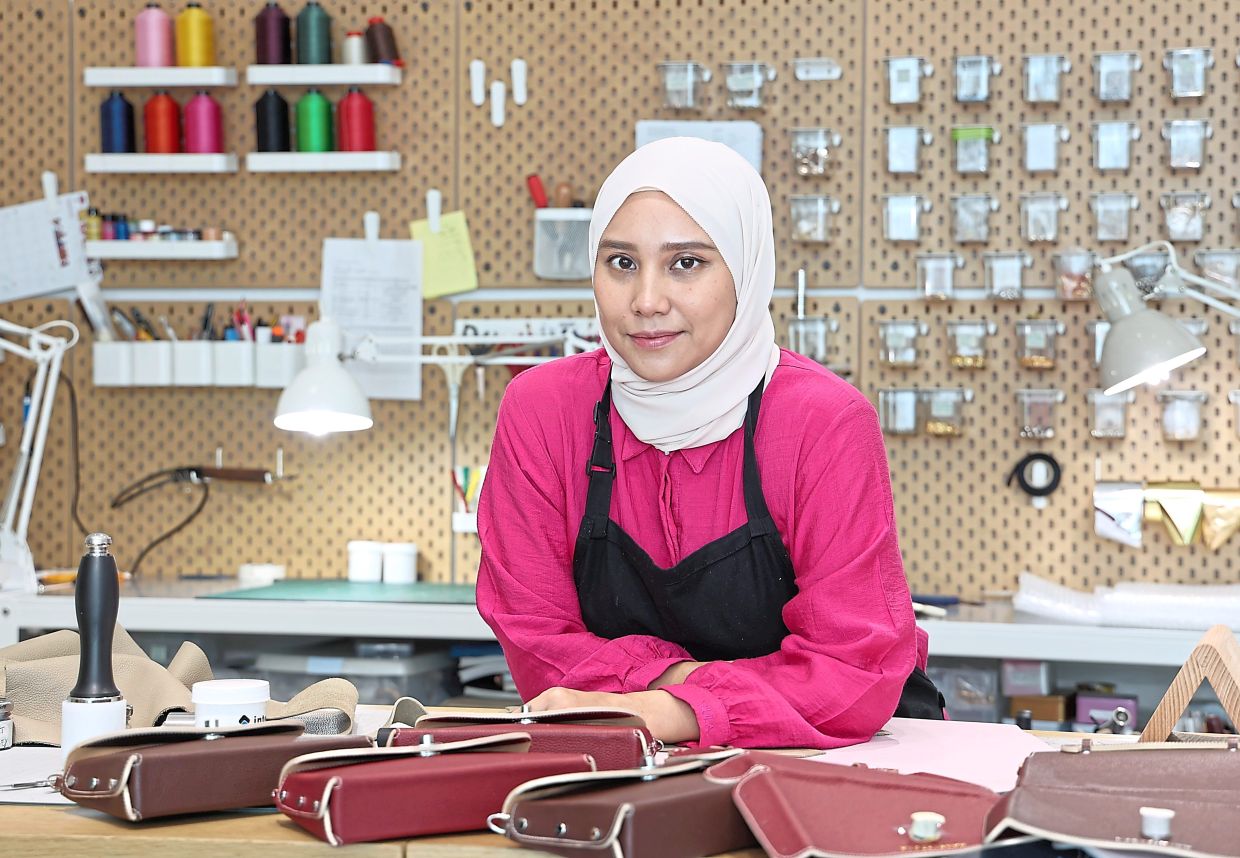
For artisan Hana Fedora, who has gone from working alone to hiring a team of craftspeople in a few years, leathercraft is ultimately about creating something meaningful.
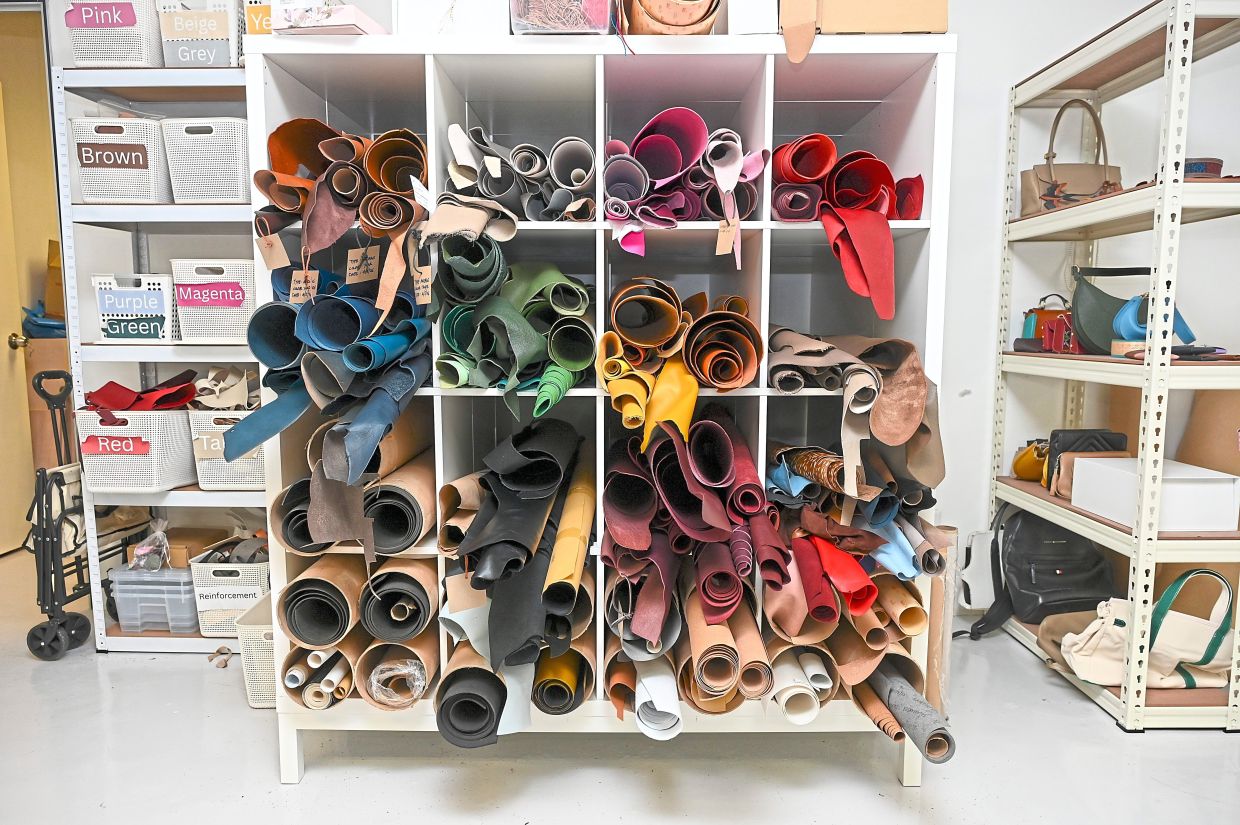
She sources her leather primarily from premium overseas tanneries, particularly in Italy and Spain, with some materials processed through reputable Chinese tanneries that work to European standards.
Design inspiration comes from everyday life, from heritage buildings to scenes at the morning market.
“Leathercraft is not just about making a product,” she says. “It’s about creating something meaningful, memorable, something that means something to a person.”
A craft worth preserving
On whether traditional leathercraft skills are disappearing, these artisans note that there has been a growing appreciation for handmade goods.
“Nowadays people move at a very fast pace. They want something quick, they want something functional,” says Hana, who believes the leathermaking skills are at a risk of disappearing eventually.
Yet she has also noticed an increasing demand for handmade products such as leather accessories.
Through workshops, training programmes and artisan mentorship, she hopes to help preserve the craft for future generations.
“We’re starting to see a growing number of very discerning customers,” she says.
“They want something intentional. They want to know who made it and how they made it. They want to feel connected.”
A variety of people take part in her workshops – some are fresh graduates, while others have left careers in fields such as engineering and architecture to pursue work that allows them to create with their hands.
Meanwhile, Lee has witnessed a shift in attitudes over the past decade.
When he first started, sourcing leather and finding customers who appreciated handmade work was considerably more difficult.
Today, he sees a much more informed and receptive audience.
“I think the market in Malaysia is maturing,” he says. “People are more accepting of handmade goods.”
Initially, he was concerned that the Malaysian market was too brand conscious to embrace the idea of homegrown leather products.
“When I first started out, that was my worry. But I’ve been pleasantly surprised. I think people are always looking to buy something different. I do have clients coming up to me and saying, ‘I want to get something special but I just don’t want to drop thousands on a branded bag. They want to get something customised, something that’s special to them.”
Chim sees preservation somewhat differently. Rather than viewing craftsmanship as something threatened by modern production methods, she believes the focus should be on protecting the knowledge behind the craft.
“Traditional leathercraft skills face challenges because they take years of practice and dedication to develop.
However, I do not think craftsmanship is disappearing. Craftsmanship can exist at many scales, from a small artisan workshop to a global brand such as Hermes,” she says.
“Craftsmanship is not about resisting modern production,” she says. “What matters is preserving the knowledge, skills, attitude and attention to detail behind the craft. To me, craftsmanship is a mindset as much as it is a technique.”
Read more: Fashion's future is human and rooted in craftsmanship, says Gabriela Hearst
Beyond the product
What, then, keeps customers returning to handmade leather goods when mass-produced alternatives are often cheaper and more readily available?
For all three artisans, the answer goes beyond functionality.
“I think the human touch is more valued today more than ever,” says Lee. “It’s refreshing for some people to know that someone put careful thought and consideration into designing and making a product.”
Chim believes what smaller ateliers offer is something luxury brands often cannot: a personal experience.
“Many customers come to us because they are looking for something that reflects their own story,” she says, adding, “Whether it is a bag strap adjusted to suit their height, a wedding gift stamped with initials or a colour combination tied to a cherished memory, those details create an emotional connection between the object and its owner.”
Because these artisans work on a smaller scale, they are able to connect with their customers and create pieces that are uniquely personal.
Hana notes that in an increasingly standardised world, people are looking for authenticity.
“They want something meaningful,” she says. “They crave identity. They want something that can show who they are.”
At the end of the day, leathercraft will continue to endure as its appeal is not entirely that it is handmade, but that its creation involved more time, skill and intention than mass-produced items.