The "brilliance of humanity" will matter more, not less, in an AI world, Uruguayan designer Gabriela Hearst said in an interview.
Natural materials and handmade craftsmanship are the hallmarks of Hearst's luxury brand, whose commitment to environmentally friendly fashion has secured her status as a sustainable style icon.
With celebrities including Kate Middleton, Julia Roberts and former US first lady Jill Biden wearing her personal brand, Hearst was also the first Latin American woman to lead the French fashion house Chloe from 2020 to 2023.
In a world threatened by climate crisis and the emergence of artificial intelligence, "there will be a genuine need for handmade creation", Hearst said during a recent trip to Montevideo to present World Cup uniforms to the Uruguayan team.
Read more: Fashion rental isn't always as sustainable as it seems, experts caution
"The human part, the part of our brain that is unique to us, the part that represents the brilliance of humanity, is going to matter more and more," she said.
The designer on the cusp of 50 prizes quality over quantity, and obstinately opposes fast fashion fads.
"There are so many clothes in the world," she said. "There's always a way to have a small amount, but of good quality."
'True beauty'
Now based in New York, Hearst said she owes her intimate knowledge of quality, sustainability and "true beauty" to her native Uruguay.
"When I was little, I wanted to go travel, to see the world," she said.
"After travelling," she continued, "I was able to appreciate what it means to grow up with those star-filled skies, the nature, eating food from the land, the quality, the natural luxury that surrounded me."
"Clothes were passed down" in Hearst's community, she said, recalling picking through her mother's wardrobe filled with garments made by the family seamstress.
Read more: Is sustainable denim indeed fashion’s toughest greenwashing challenge?
In her native country of 3.4 million people, hundreds of weavers work for Manos Del Uruguay, a network of cooperatives that produces handcrafted garments for Hearst's brand.
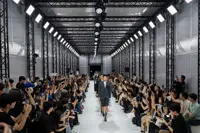
The finished products end up on runways, Vogue magazine covers and even on-screen in Sex And The City film sequel, where a multi-coloured blanket designed by Hearst appears draped over Sarah Jessica Parker's legs.
"It's incredible that our craftsmanship reaches so far," said 60-year-old weaver Mabel Bargas, who works in one of the Manos Del Uruguay workshops.
Hearst wants to leave a legacy of positive social impact by creating jobs and doing her bit for the environment.
"We can't afford to lose our human connection," she said, adding that people with privilege "have a responsibility to help others". – AFP