The FIFA World Cup 2026 kicks off next week, and one industry that is extremely excited is fashion.
You might think the style world pays little attention to the football pitch, but brands have gone all in on the tournament.
Numerous World Cup-inspired fashion collections have already been released, many centred around the football jersey.
Levi’s, for example, unveiled T-shirts in the colourways of the 13 countries competing in the tournament.
While the denim label insists the pieces are not sports merchandise, they still resemble jerseys in their celebration of national pride.
Boggi Milano has also launched a capsule collection, though its focus is narrower – the eight nations that have won the FIFA World Cup, from Uruguay in 1930 to reigning champions Argentina, alongside Italy, Germany, Brazil, England, France and Spain.
Read more: Tennis fashion is evolving, as jewellery becomes part of the athlete persona
The Italian menswear brand is also FIFA’s “official formalwear outfitter and official licensee”, a partnership announced last December.
Under the agreement, Boggi Milano supplies tailored looks for the entire FIFA workforce as well as members of the FIFA Council.
Of course, the football federation is not leaving fashion entirely to outside brands.
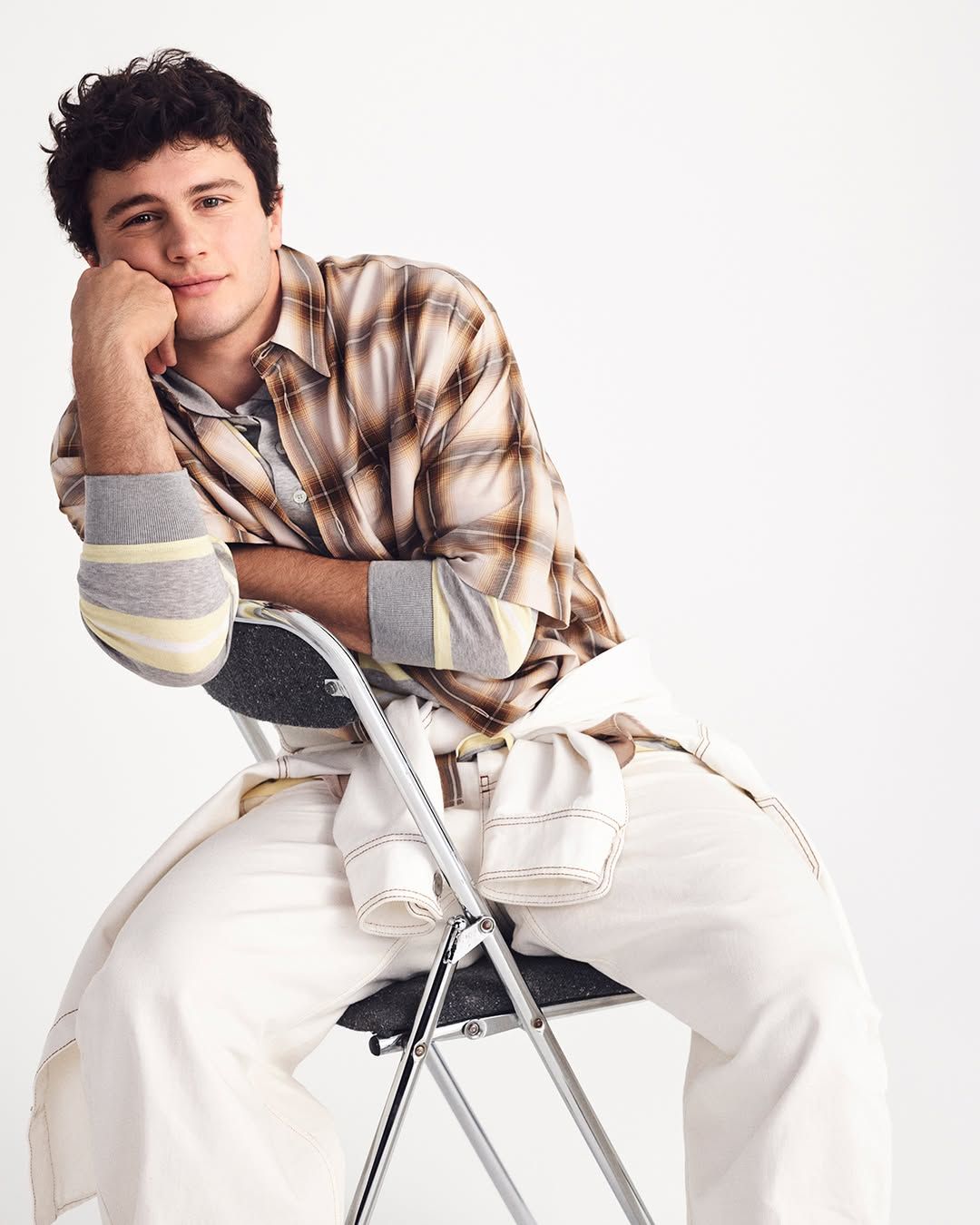
There is even FIFA1904, a lifestyle label named after the organisation’s founding year in Paris, offering elevated streetwear, polished tailoring and luxury-adjacent essentials for men and women.
Luxury fashion houses, meanwhile, are finding their own ways to tap into football fever, even without official ties to the tournament.
Ami Paris unveiled a campaign in April fronted by Portuguese footballer Joao Neves, portraying the athlete in a series of quietly intimate, offbeat everyday moments designed to showcase a softer, more cultured masculinity.
Hugo Boss, too, released its third collaborative capsule with David Beckham earlier this year.
Although Beckham retired from professional football more than a decade ago and has since become firmly embedded within the fashion scene, his name still conjures the glamour of the sport at his sporting peak.
Just recall the stadium flashbulbs, tabloid frenzy and his perfectly gelled hair, which defined his life back then.
To be fair, athletes have become some of fashion’s most valuable ambassadors in recent years.
Placed on the same pedestal as film stars and musicians, their influence now extends far beyond the field, court or track.
Read more: How wraparound eyewear defies fashion rules, becoming a style statement
Basketball and tennis players, in particular, have become style authorities in their own right, with tunnel walks and courtside arrivals dissected almost as intensely as runway shows.
Sportswear, too, has long crossed into the realm of fashion. Athletic staples are now transformed into everyday wardrobe essentials with increased fervour.
In Malaysia, even pickleball has evolved into a social scene where style matters almost as much as skill, with players arriving in coordinated looks that seem designed as much for Instagram as for competition.
Football’s grip on fashion may be strongest through the rise of blokecore, the hyper-specific aesthetic built around vintage jerseys, baggy denim, terrace sneakers and the swagger of 1990s football fandom.
Once confined to diehard supporters, the football shirt has since become a street-style staple, worn by everyone from models to pop stars to people who could not explain the offside rule if asked.
Yes, the beautiful game has become aesthetically irresistible – rich with celebrity culture and instantly recognisable visual codes.