This year’s biggest fashion moment may well be a wedding dress few people have seen.
When pop superstar Taylor Swift got married early this month, the ceremony was kept largely out of public view.
Yet one detail quickly emerged – her wedding gown was designed by Jonathan Anderson of Dior.
No official photographs of the dress have been released, but that did little to quell fascination.
If anything, the absence of images has heightened the intrigue, fuelling speculation across social media and fashion circles eager to imagine what one of the world’s most scrutinised brides wore on her wedding day.
The episode is a reminder of the enduring power of celebrity bridal fashion.
A single wedding gown can dominate the conversation, elevating a designer’s profile and generating invaluable attention for a fashion house.
The same dynamic plays out in Malaysia, where designers understand the value of helping transform a celebrity’s wedding into a modern fairytale.
“I think the celebrity bride and her wedding dress have always held a very particular place in fashion history – or quite literally, ‘her story’,” says Alia Bastamam.
“Grace Kelly, Bianca Jagger, Kate Moss, Solange – the list goes on. They’re not just dresses; they’re cultural references.”
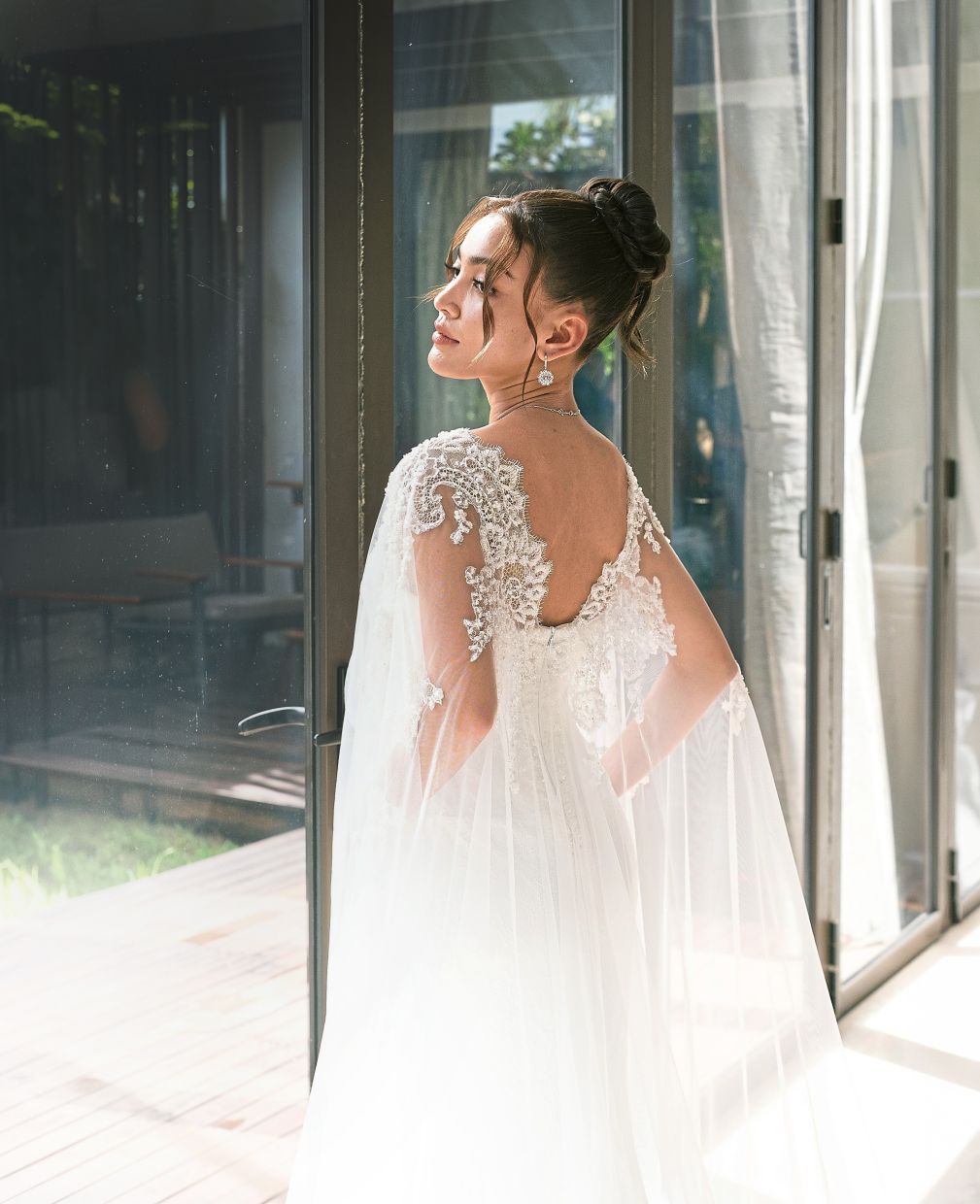
While runways and red carpets remain powerful platforms, Alia argues that they can feel aspirational and removed from everyday life.
Bridalwear, by contrast, carries the same sense of fantasy while being anchored to one of life’s most personal and emotional milestones.
“It’s a dream that can actually come true,” Alia points out.
Read more: Bridalwear that is elegant and rich in culture popular among Malaysians
Over the years, Alia has designed wedding gowns for numerous Malaysian celebrities, including Neelofa, Siti Saleha and Eyka Farhana, as well as public figures Kim Raymond and Jeslina Hashim, or even models Shir Chong and Shikin Gomez.
She remains reticent, however, when asked to name a standout.
“I would not single out one as the ‘most famous’ because every gown carries its own memory,” she declares, like how a parent never admits to having a favourite child.
For Alia, longevity matters more than headlines too.
“Timelessness always comes first. A wedding gown has to live beyond the moment, beyond the photograph, beyond the social media post,” she says explaining why she prioritises timelessness over fleeting trends.
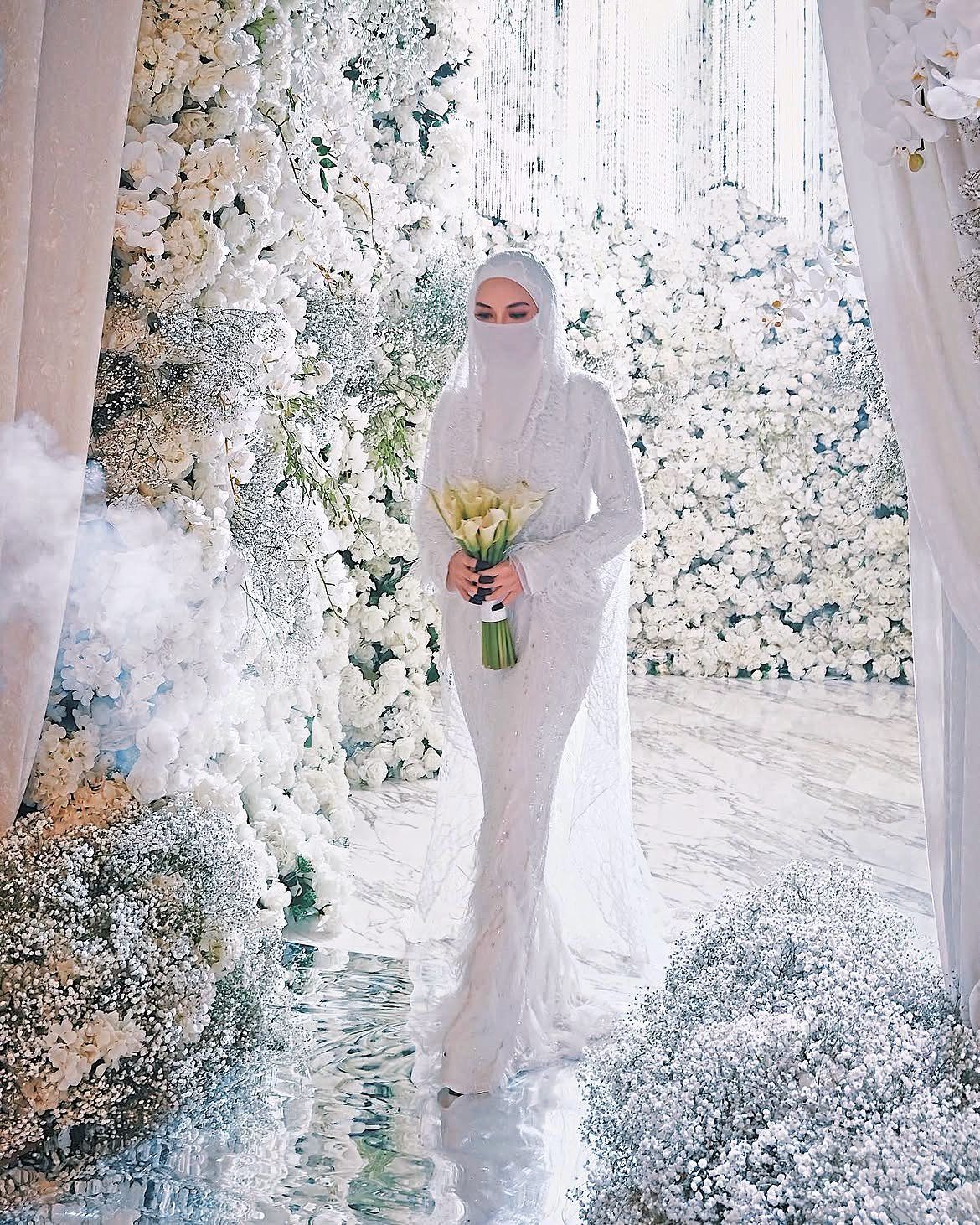
And while there are countless considerations involved in creating the perfect bridal look, she believes the dress should never eclipse the woman wearing it.
“It should not wear her. It should heighten who she already is,” Alia shares.
Etched in memory
The world’s most celebrated celebrity weddings often become unforgettable pop culture events. The dress worn is central to this.
In Malaysia, few bridal looks have generated as much excitement as Datuk Seri Siti Nurhaliza’s wedding gown in 2006.
The national songstress wore a custom design by Michael Ong, a creation she still occasionally revisits on social media.
“My wedding dress is so beautiful,” Siti captioned in a 2016 post, adding that the designer is simply “legendary”.
With its puff sleeves, boat neckline and ombre pink palette, the gown broke away from the traditional bridal white, creating a romantic and distinctly feminine silhouette (attempts to contact Ong for comments were unsuccessful).
Nearly two decades later, the dress remains firmly etched in the public memory.
“I think celebrity bridalwear has become one of the biggest moments in fashion today. A wedding gown is emotional, personal and timeless,” says Ezuwan Ismail, who has designed for Siti on numerous occasions.
Although Ezuwan worked with Ong early in his career around the time of Siti’s wedding, he was not involved in creating the bridal gown itself.
Yet, Siti chose one of his designs to wear at her 18th wedding anniversary celebration in 2024. She shared the look on Instagram with pride.
The moment illustrates how milestone dressing does not end with the wedding day.
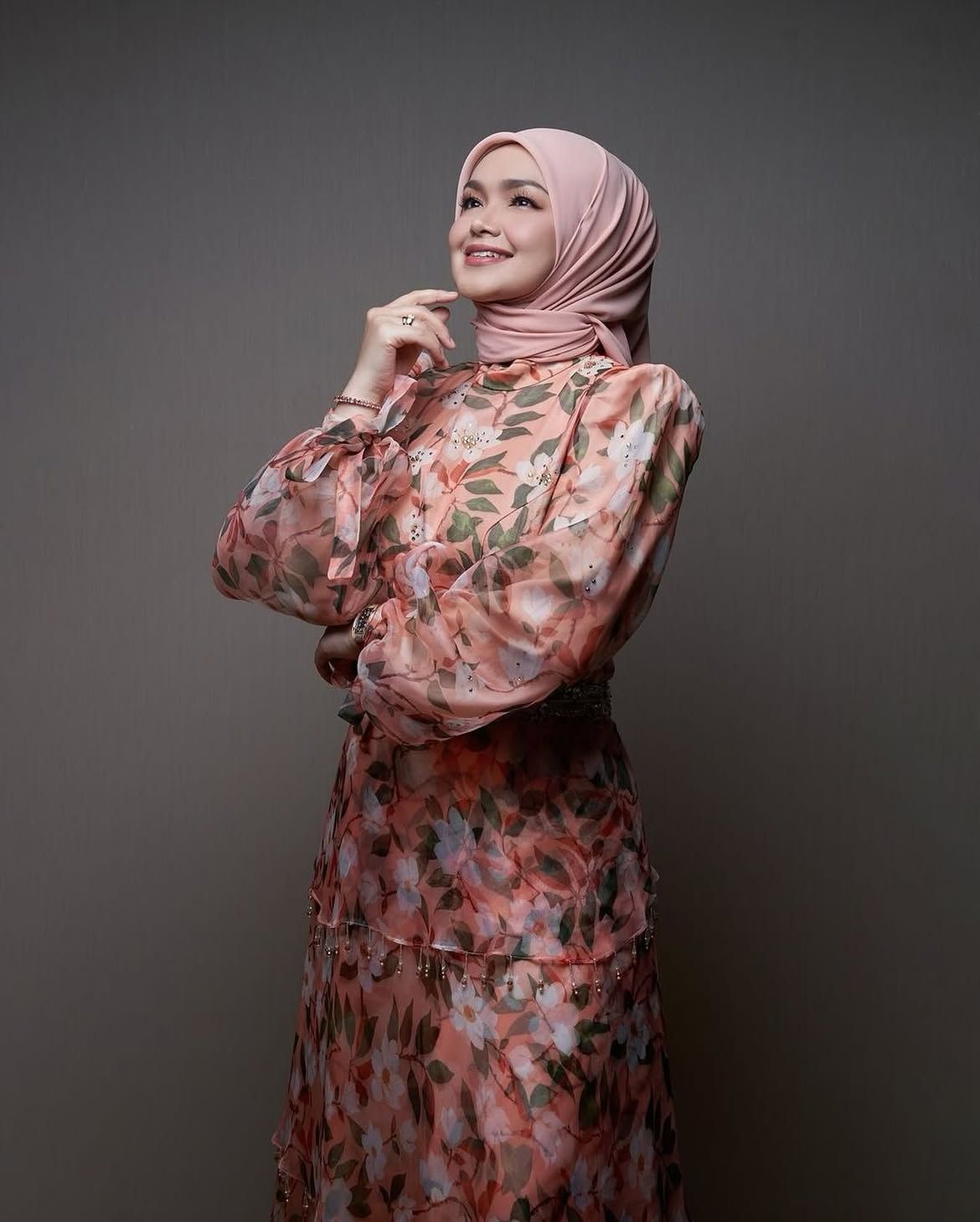
Garments connected to significant life events can continue to mean something. Each new look creates new memories, long after the ceremony itself.
Ezuwan believes celebrity weddings command unprecedented attention in the social-media era, where a single bridal look can reach millions within minutes.
“People don’t just talk about the couple anymore. They talk about the dress, the designer and the story behind it,” he stresses.
Ezuwan has become known for the bold designs celebrities wear for performances, but even he acknowledges that a bridal gown occupies a category of its own.
“Unlike those, where celebrities wear countless different looks over their length of their career, a wedding dress is often ‘the dress’ people will always associate with that person,” he muses.
Khoon Hooi, who designed another of Siti’s gowns for one of her wedding receptions in 2006, describes the commission as a defining chapter in his brand’s bespoke journey.
He still remembers the dress vividly.
It was meticulously hand-embellished with 888 individually sewn pearls, chosen to “symbolise prosperity, blessings and new beginnings”.
“That dress carries lasting cultural resonance because her wedding was more than a celebrity event. It became part of the country’s cultural memory,” he says.
“Years later, people still reference all of her looks. That kind of longevity is difficult to achieve through a single runway collection.”
Unfortunately, the cultural impact did not translate into a significant boost in sales or client referrals for him, largely because times were different.
“Back then, social media was virtually non-existent, and there weren’t the digital platforms we have today to amplify such a milestone or convert public interest into tangible business opportunities,” he explains.
Fairytale inspiration
Celebrity weddings have become an increasingly influential force in shaping how ordinary couples plan their own celebrations.
An article this month by The New York Times highlighted this phenomenon, citing a February 2026 study by wedding planning platform Joy.
It states that four in 10 engaged couples said celebrity weddings have directly influenced their planning, while one in 10 couples said they have modelled their entire wedding after a celebrity’s.
When Dua Lipa married in May, images of her bridal suit for a town hall ceremony quickly circulated online, prompting fans to dissect every detail of the look.
Similarly, Selena Gomez’s 2025 wedding drew widespread attention, with her bridal wardrobe – from the ceremony gown to the reception looks – becoming a source of inspiration for brides everywhere.
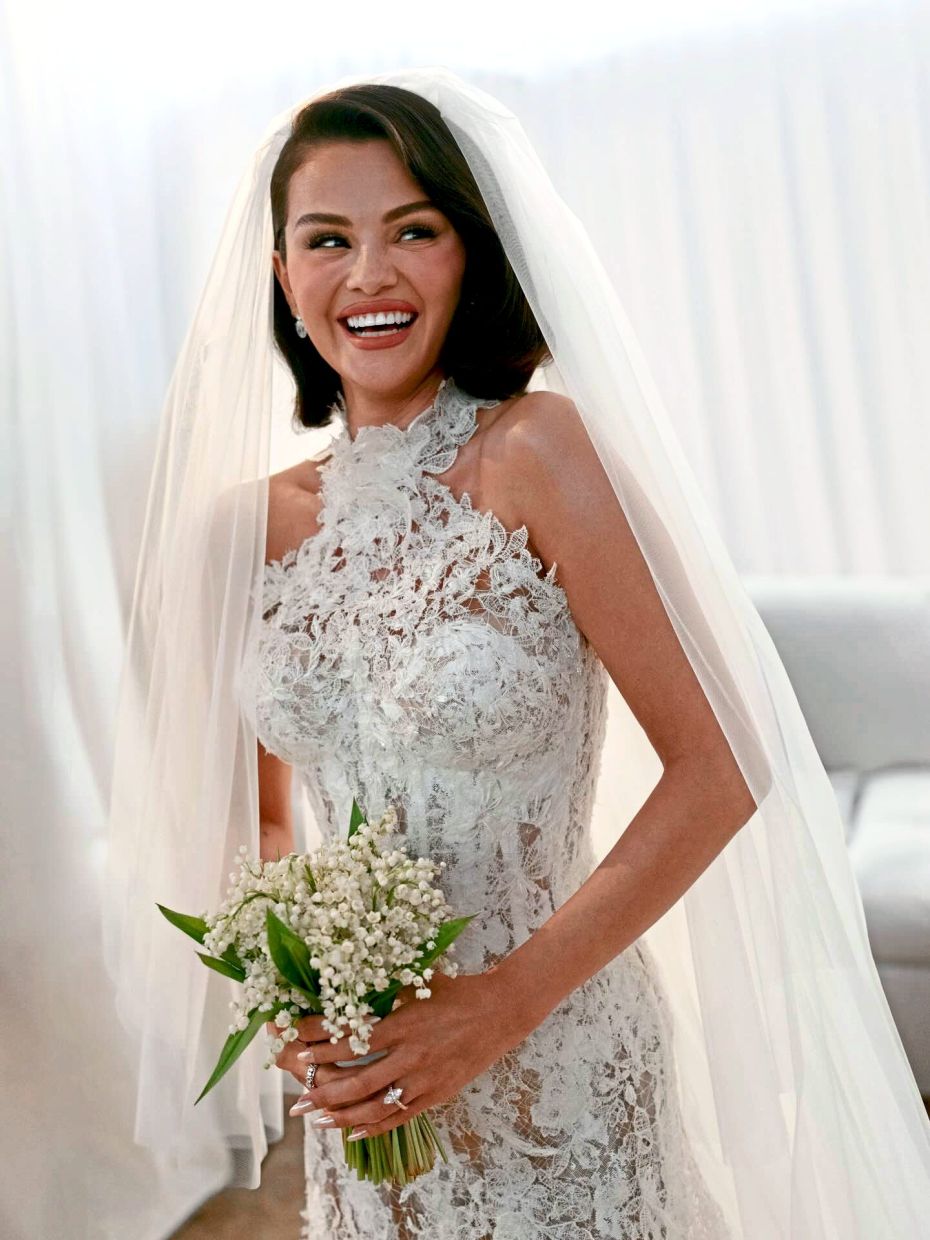
Such moments demonstrate bridal fashion’s ability to shape trends globally.
They also underscore the value of celebrity commissions, with Daniel Roseberry of Schiaparelli sharing the spotlight for Lipa’s look and Ralph Lauren for Gomez’s.
Hatta Dolmat agrees that a high-profile bridal commission can significantly elevate a designer’s reputation.
“Naturally, people want to know who designed the dress that they love,” he comments.
Among his most talked-about creations is the wedding gown worn by Malaysian singer-songwriter Yuna in 2019.
The all-white lace design complemented the grandeur of the outdoor setting, made even more memorable by the misty backdrop that emerged after a brief downpour.
Hatta notes, however, that coloured bridalwear is increasingly finding favour among Malaysian brides – a movement he believes he helped popularise through his celebrity commissions.
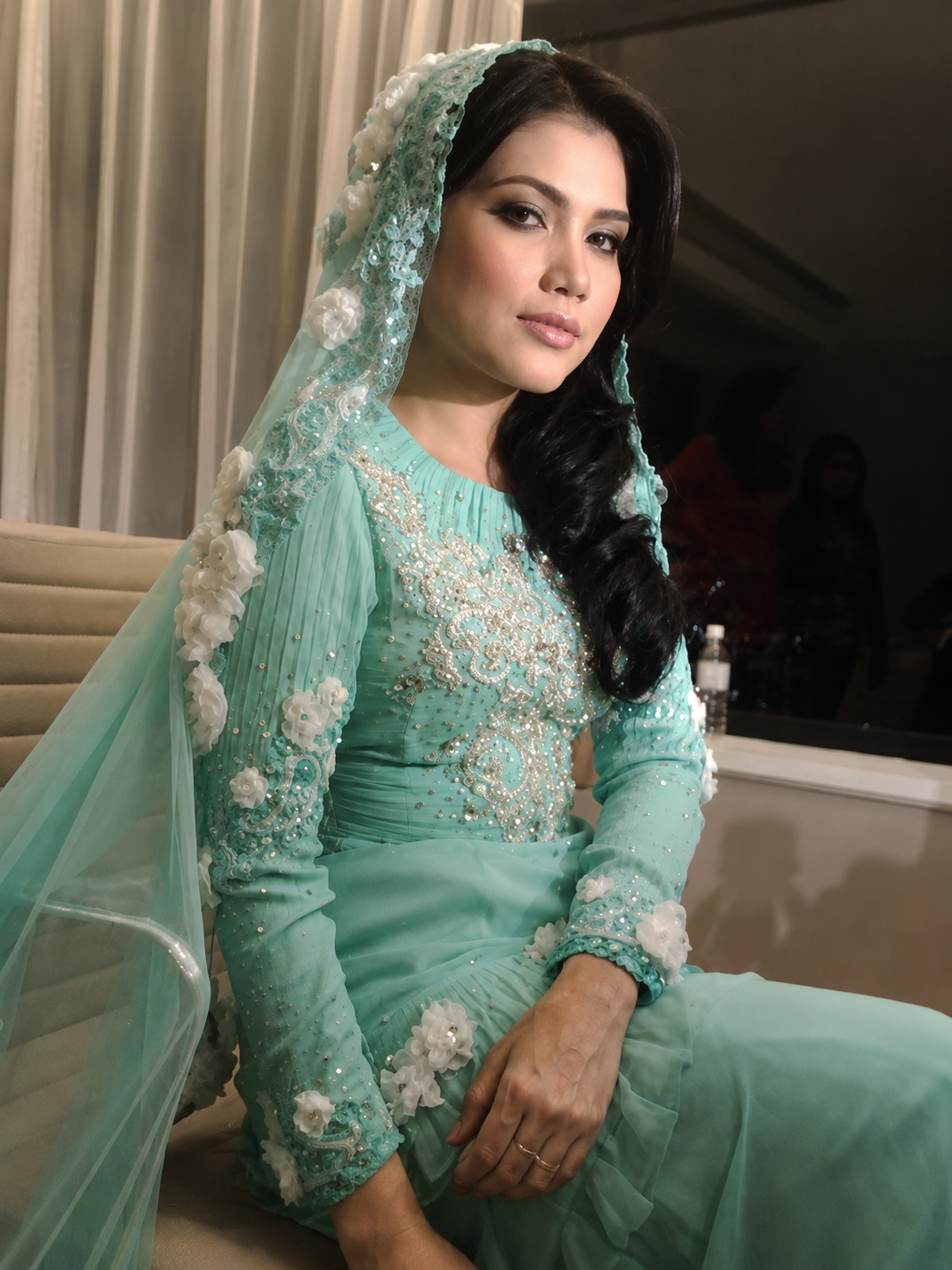
“I love creating statement bridal looks through colour rather than changing the classic silhouette,” he says.
“I introduced Tiffany blue for Elyana’s wedding (2010), yellow for Tomok’s solemnisation (2011), and coral orange for Shuib and the late Siti Sarah’s wedding (2011).”
Read more: Every stitch tells a story: Brides seek gowns uniquely and stylishly their own
There is no doubt that bridalwear is a significant business opportunity.
According to him, Malaysia’s key fashion collections are for weddings and Hari Raya – unlike countries with the Spring/Summer and Autumn/Winter seasons.
“Weddings are timeless. Every year, people get married, so
there will always be demand,”
he adds.
Nurita Harith knows a thing or two about dressing celebrity brides as well.
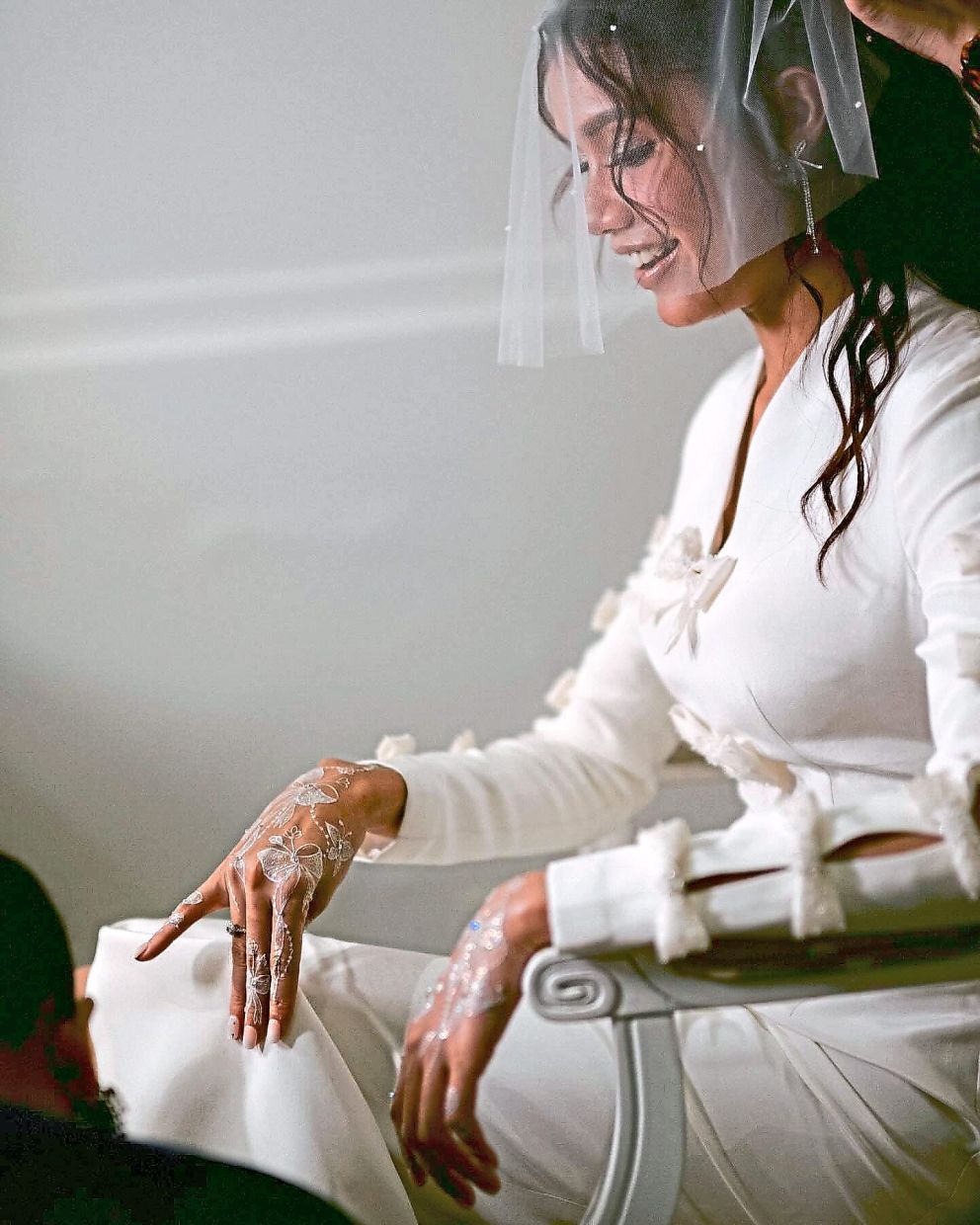
Her most recent famous client is actress Mimi Lana, who got married last year in a quietly chic design covered in bows.
Nurita says she enjoyed working on the look, as Mimi has, as she puts it, “a quirky style”.
“It was fun as it brought out a new challenge in me,” she adds. “When someone pulls you out of your comfort zone, it gives you that new excitement in designing.”
Still, she cautions that visibility cuts both ways.
“With the impact of social media today, designing bridalwear for celebrities can definitely bring a brand into public attention,” she says. “But you never know what people will
like – or dislike.”
Her advice to designers is straightforward: focus on the bride first. The fame, attention and online commentary should remain secondary.
“When a bride comes to you, whether she is famous or not, that is something to appreciate.
It means your style matches her ‘DNA’.”
Even so, the opportunity to dress a celebrity bride remains one of fashion’s most coveted commissions.
In an industry built on visibility, few assignments carry as much prestige – or commercial potential – as creating a gown destined to be seen by millions.
Or, in Swift’s case, still not seen by hundreds of millions.