
Although a wedding celebrates love and commitment between two people, it is also a moment when fashion takes the spotlight.
The bride’s gown will somehow always become a focus.
Is she wearing a strapless design? Does it trail into a mermaid train? Is it a traditional ensemble or a Western-style gown?
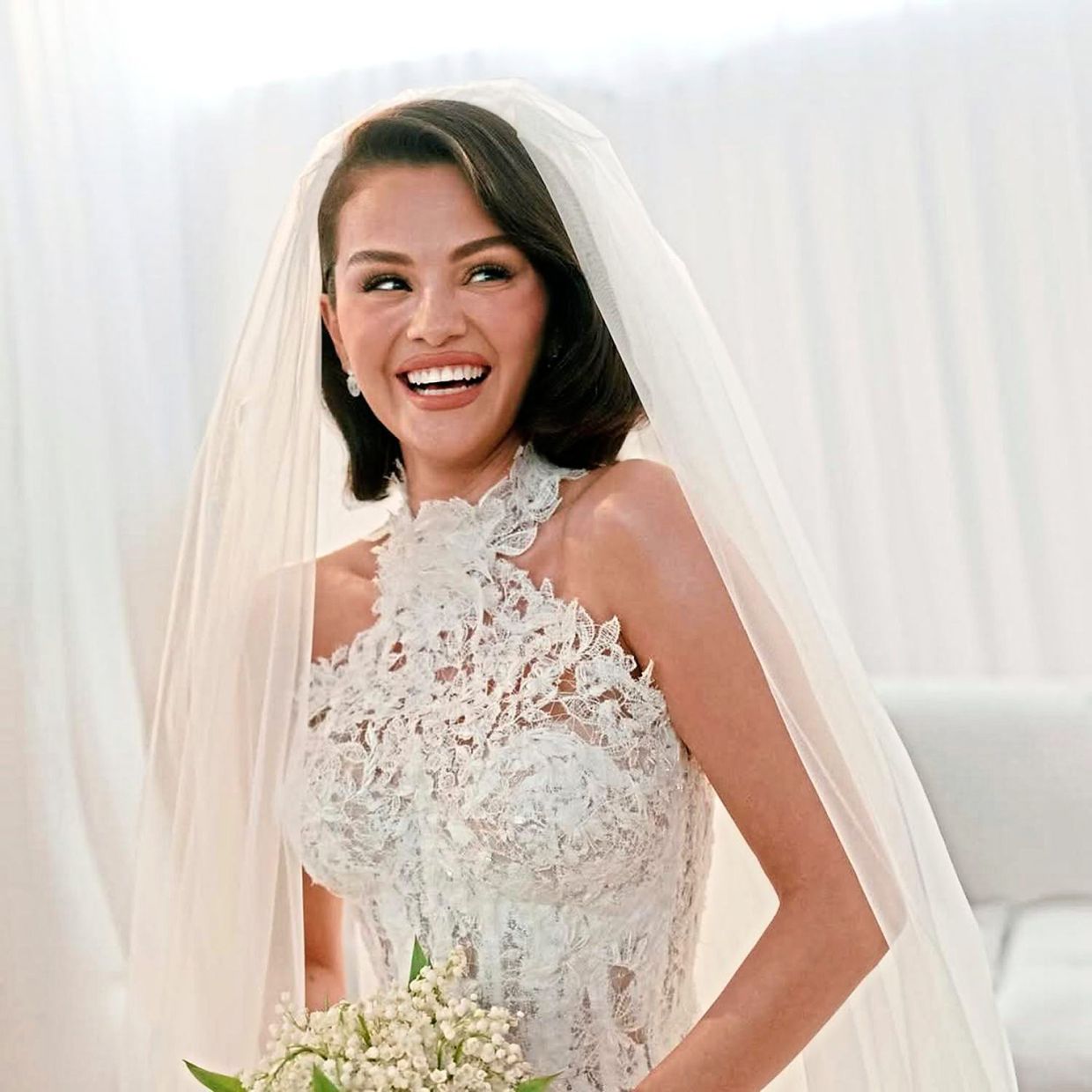
When Selena Gomez shared her wedding photos on Instagram early this month, it instantly made headlines.
The pop star tied the knot with songwriter Benny Blanco in not one, not two, but three spectacular looks. All of them were custom-made by Ralph Lauren.
Gomez began the day in a halter-neck gown trimmed with a macrame collar, before changing into a silk lace number adorned with floral appliques and a crystal-embellished, hand-painted corset.
As the evening unfolded, she reappeared in a tulle dress, its bodice draped in hand-pleated panels of cotton, silk and linen voile.
In many ways, Gomez’s big day underscored what every bride understands: all eyes are on the dress (or dresses).
There is no escaping the scrutiny of what you wear – and thus, it is important to know what styles are shaping the bridal landscape right now.
Bigger, bolder
Creative director of Yuleza, You Sheng, notes that Malaysian weddings, unlike in the West, are rarely a one-day affair.
“Brides here don’t usually go for something simple or pared-down. They want gowns that feel spectacular, gowns that can light up a ballroom filled with hundreds of guests,” he says.
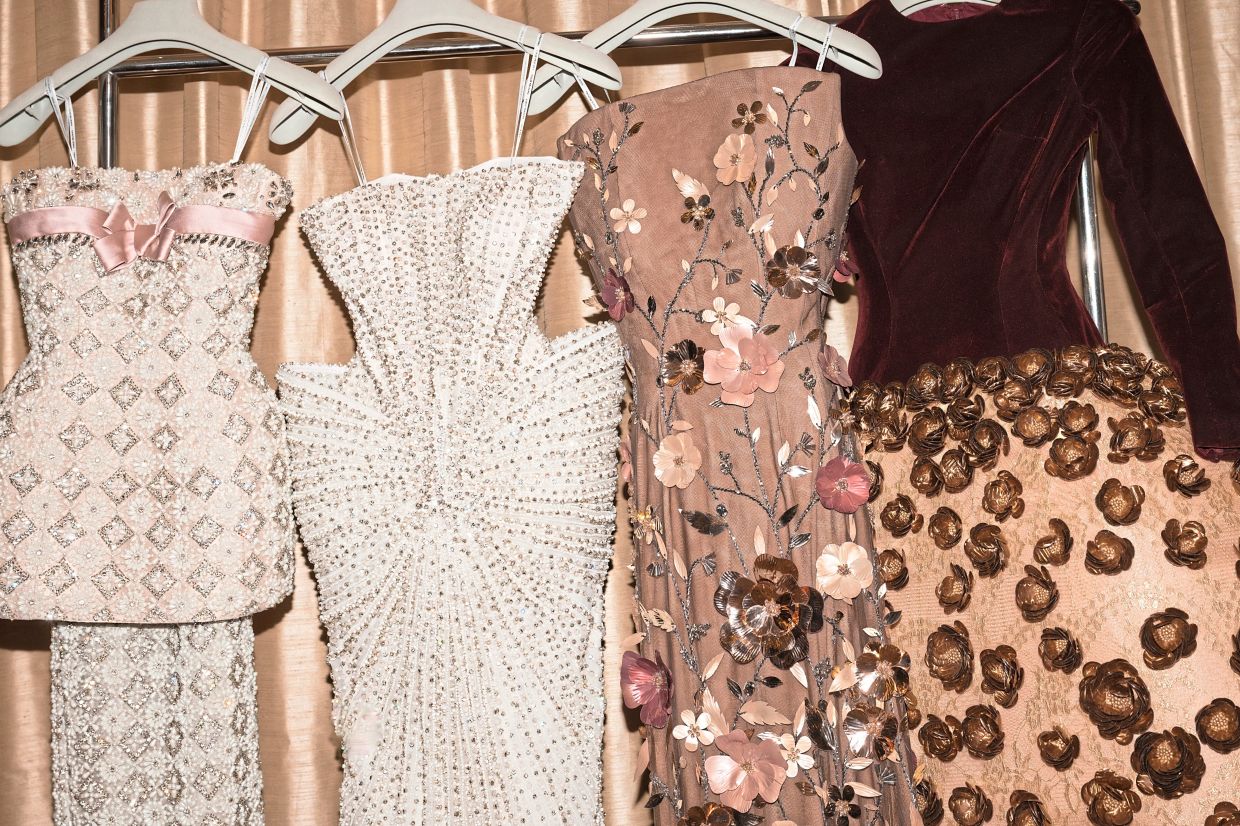
According to him, his clients are embracing what he calls “modern maximalism” – a style that celebrates grandeur through couture tailoring, intricate embellishments and dramatic volume.
“These elements say, ‘This is my moment,’” he adds.
You Sheng transformed his mother’s humble batik shop in Kuala Terengganu into a full-fledged fashion label, now celebrating its 30th anniversary.
Over the decades of his career, he has witnessed Malaysian bridal fashion evolve from traditional silhouettes to a confident blend of heritage and innovation.
“I believe the future of Malaysian bridal fashion lies in our craftsmanship and heritage,” he comments.
Brides today, he explains, already expect the kind of intricate beadwork and embroidery that takes weeks of handwork, or fabrics like songket and lace that carry cultural meaning.
What excites him most is seeing designers reinterpret these elements with couture techniques to create something fresh and contemporary.
“Almost every bride I meet wants something uniquely hers – a detail inspired by her love story, a silhouette designed for her body, or embroidery that carries personal meaning,” he relates.
“That shift shows how much Malaysian brides value individuality. The gown isn’t just clothing. It’s part of their identity, something they’ll carry with them long after the wedding. In many ways, it becomes an heirloom.”
Classic versus contemporary
Indeed, classic choices remain a strong favourite among brides.
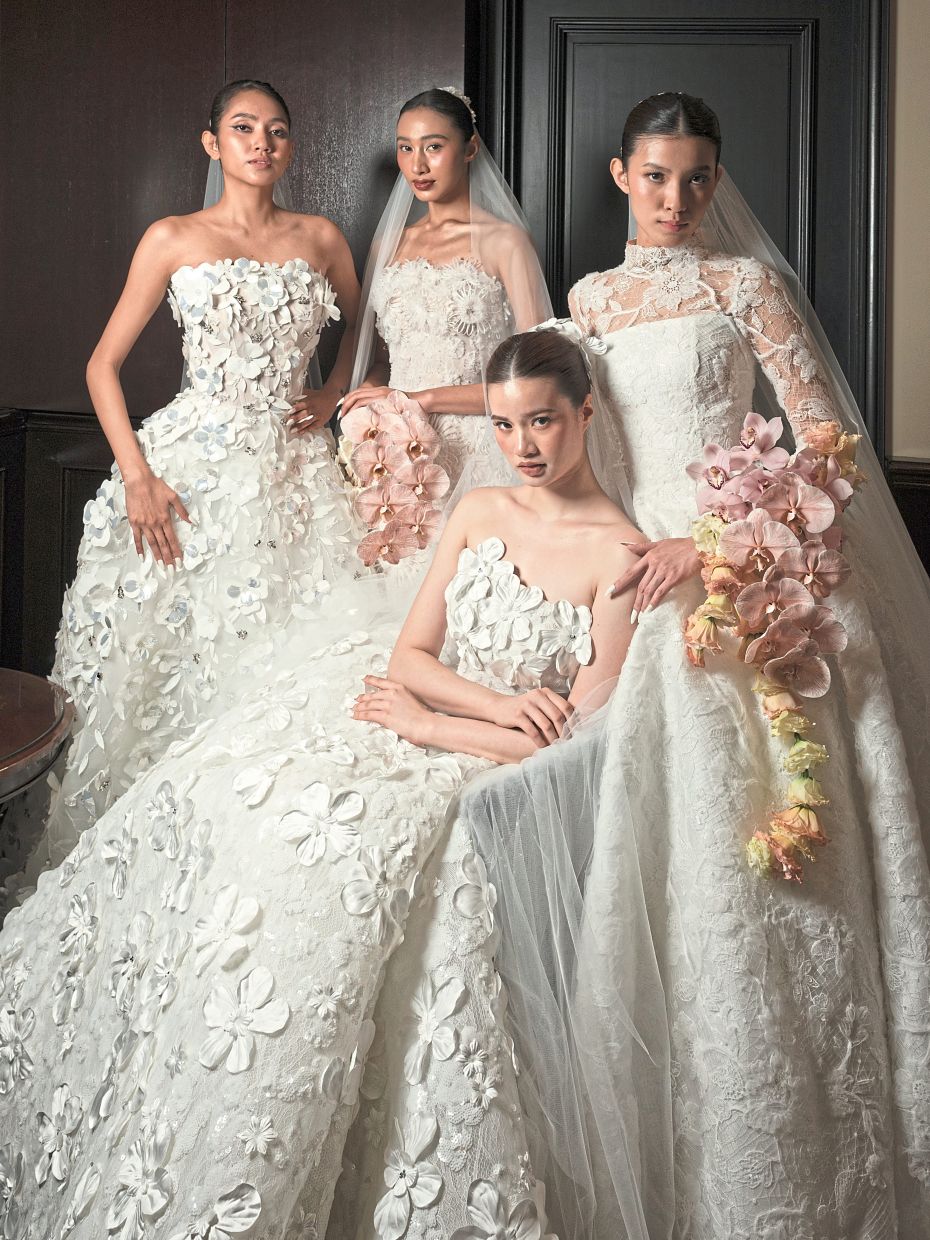
“Brides still choose traditional silhouettes for key ceremonies – think cheongsam, qun kwa, baju kurung, kebaya or lehenga choli – but they’re increasingly reinterpreting them through contemporary cuts, colours, embroidery and beadwork,” says co-founder of Roema Atelier, Tuscany Leau.
“It’s less about choosing between tradition or modernity, and more about weaving both together to create something that feels personal, rooted and relevant.”
Roema Atelier specialises in both bridal gown rentals and bespoke wedding dresses across Malaysia and Singapore.
Co-founder Felita Wibisono adds that their mission is to bring the best of South-East Asia into a contemporary conversation.
“What’s important is honouring tradition while presenting it in a fashion-forward way that resonates both here and on the world stage.”
In their experience, modern brides are approaching weddings with much more intention, going beyond logistics to focus on styling and curation.
This is especially true with the rise of destination weddings.
Trying to keep up with multiple trends, however, can be a fine balancing act.
“We see it as our role to guide brides in balancing those elements so that their looks celebrate culture while also speaking in a modern, fashion-forward language,” says Wibisono.
Read more: 'Incredibly moving': More brides are upcycling their mothers’ wedding dresses
Truly theirs
What is seen with Gomez’s wedding – and similarly observed in Malaysia – reflects a broader trend in bridalwear. There is a demand for custom designs.
Designer Yogie Pratama notes that big weddings have long been the norm in Indonesia.
“Brides are willing to invest in creating gowns that feel more personal and uniquely theirs,” he says.
“It’s not unusual for a bride to have three or four looks – whether for the ceremony, reception, after-party or photoshoots – each distinct yet still rooted in timeless silhouettes, elevated through customisation and detail.”
Pratama adds that younger brides, particularly Gen Z, are increasingly leaning towards simplicity.
“They favour duchess satin or French lace, and designs that feel timeless so they won’t look back with regret,” he explains.
That said, there is no clear divide.
“Around 60% still gravitate towards the simple, classic and elegant look, while about 40% are drawn to more glamorous or alluring styles,” says Pratama.
For him, the little details remain central to great bridal design.
His label emphasises impeccable hand-embellishments – sequins, crystal beadwork and embroidery that bring depth, movement and life to a gown.
While demand for elegant designs remains strong, Pratama believes the true distinction lies in personalisation.
“What’s exciting is how the embellishment itself becomes the centrepiece rather than just an added detail, and that focus on craftsmanship is inspiring brides across the region,” he concludes.