For years, conversations around women’s fashion sometimes framed femininity and empowerment as opposing ideas.
To be taken seriously, women were encouraged to adopt traditionally masculine codes of power dressing – boxy suits, trousers, loafers and so on.
Today, a different narrative, seen across runways, retail collections and everyday wardrobes, is emerging.
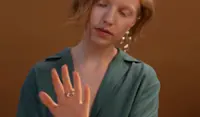
Elevated femininity is gaining momentum as women embrace clothing that is refined, graceful and distinctly feminine, centred on thoughtful tailoring, quality fabrics, understated luxury and silhouettes that celebrate the female form.
A new design language
According to Saya founder Ines Aryaniputri, elevated femininity focuses on revisiting traditional ideals and reinterpreting them for contemporary women.
“To us, elevated femininity is about redefining classic femininity for the modern woman,” says Ines, who co-founded the Indonesian label with Dharu Dwihutami (Tami).
“It is not about returning to traditional ideals, but about celebrating womanhood in a way that feels contemporary, confident and authentic.”
Local designer Justin Yap shares a similar view, describing the movement as “a refined expression of womanhood that balances softness with strength.”
“Rather than relying on overtly romantic or decorative elements, it focuses on thoughtful tailoring, luxurious fabrics, subtle details and a sense of effortless confidence,” he explains.
The growing popularity of the trend reflects a broader shift in how women see themselves and wish to be seen.
“We believe this trend resonates because women today are no longer interested in choosing between being feminine and being powerful,” says Ines. “Femininity is no longer seen as the opposite of strength; instead, it has become another expression of it.”
Read more: Fashion asks again, is it finally time to embrace wearing socks with sandals?
Strength meets softness
One of the defining characteristics of elevated femininity is its ability to blend seemingly contrasting qualities.
Designers are moving away from stereotypical interpretations of femininity and embracing a more nuanced approach.
For Tami, modern femininity is rooted in versatility and authenticity.
“We interpret femininity in a modern way by embracing a balance between strength and softness, authenticity and inclusivity,” she says. “We believe femininity is not defined by a single personality, lifestyle or ideal, but can be expressed in many different ways.”
Rather than creating clothing for a singular vision of womanhood, the brand focuses on pieces that combine style and practicality, reflecting the realities of contemporary life.
Similarly, Yap believes confidence is at the heart of modern femininity.
“We are interested in creating pieces that celebrate the female form through proportion, craftsmanship and texture, rather than relying solely on traditionally feminine motifs or materials,” says Yap.
This often means juxtaposing softer elements with stronger design details.
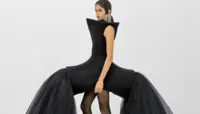
Structured silhouettes, architectural lines and unexpected fabric combinations create garments that feel both powerful and elegant.
“For us, femininity is not about dressing for a specific ideal; it is about allowing women to express themselves authentically through thoughtful design,” says Yap.
A flattering aesthetic
For Ines and Tami, flattering silhouettes and subtle sensuality play a key role in defining the idea of elevated femininity.
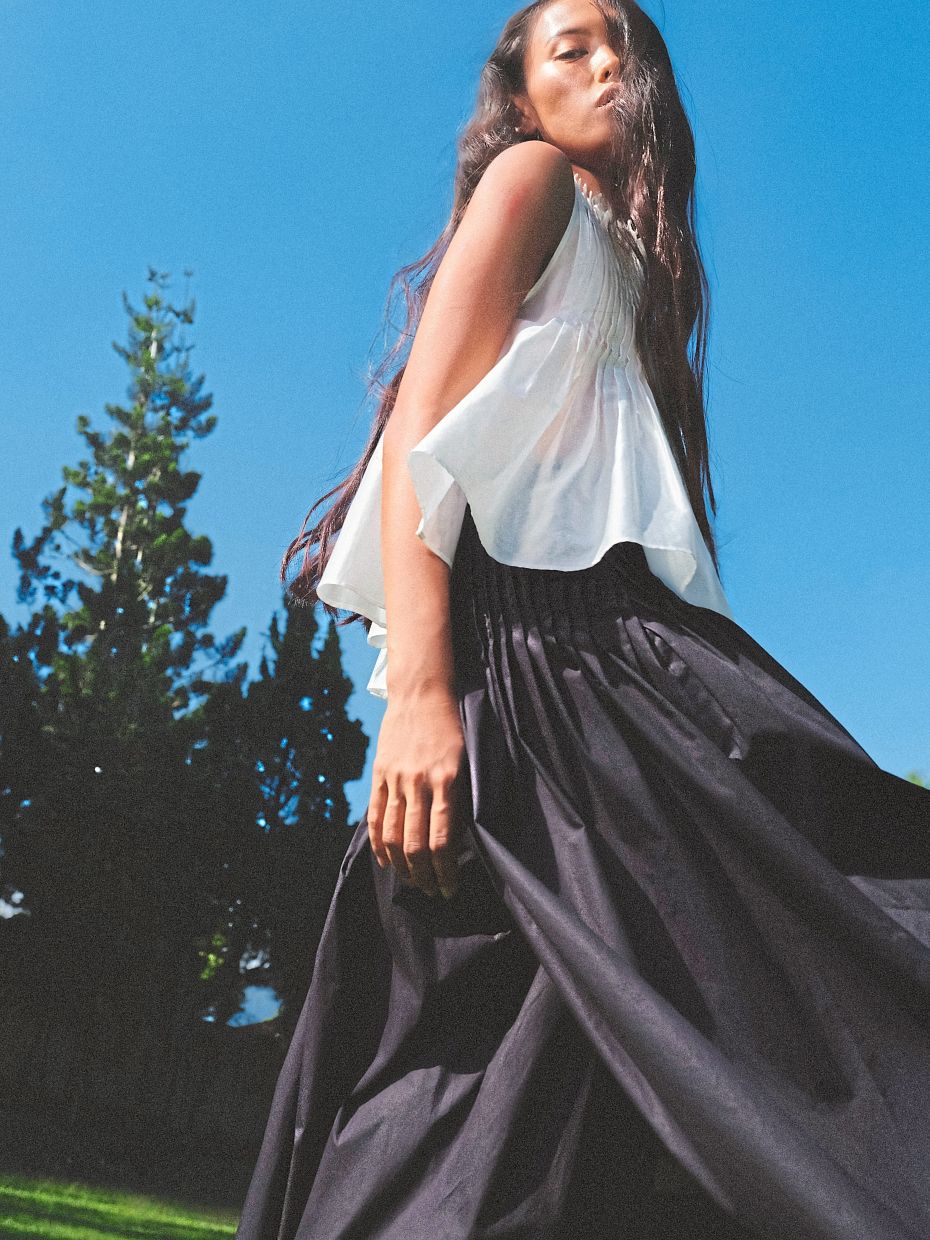
“Many of our designs feature flattering A-line cuts, open-back details and silhouettes that intentionally highlight a woman’s natural shape,” says Ines. “We often explore the balance between showing and concealing.”
Fabric also becomes a powerful tool in creating softness and movement.
“We are drawn to lightweight and sheer textures that create movement and softness,” she adds. “By layering sheer elements with more structured materials, we create a sense of lightness and sophistication that feels effortless and modern.”
For Yap, the aesthetic is reflected through clean lines, fluid movement and meticulous attention to detail.
Elongated proportions, sculptural draping and subtle volume are recurring themes in his collections, while the colour palette leans towards sophisticated neutrals such as ivory, ecru, black and soft earthy tones, occasionally punctuated by richer jewel hues.
“What distinguishes elevated femininity is restraint,” he explains. “Rather than overwhelming the garment with detail, we focus on craftsmanship, fabric and sleek silhouettes to create a lasting impression.”
According to stylist Sasha Ivan, the key to mastering the trend lies in investing in timeless essentials.
She recommends building a wardrobe around four foundational categories: footwear, jewellery, handbags and tailored separates.
“Always have a few pairs of perfectly fitted jeans, sharp blazers, classic shirts and skirts that beautifully accentuate your figure,” she says.
When it comes to accessories, quality and longevity matter more than quantity.
Classic pumps, elegant kitten heels, pearl jewellery and structured handbags in neutral tones can instantly elevate an outfit while remaining versatile for everyday wear.
“Invest in high-quality pearl necklaces, delicate earrings, and elegant bracelets that never go out of style. Look at vintage stores because sometimes you might get super lucky and find some of the most stunning jewelry pieces there,” she adds.
Read more: Are women’s handbags obsolete? Fashion has arrived at something of a pivot point
Making it work in real life
One reason elevated femininity has resonated so strongly is its practicality.
“I would always recommend that you embrace minimalism,” says Sasha. “Approach feminine dressing with a ‘less is more’ mindset to keep the look effortless.”
Instead of piling on statement pieces, she suggests balancing standout elements with understated companions.
A dramatic pearl necklace, for instance, works best when paired with delicate studs rather than competing accessories.
She also encourages women to mix feminine pieces with wardrobe basics.
“Blend romantic items with casual staples, like pairing a silk blouse with straight-leg denim,” she says.
Equally important is avoiding common styling pitfalls.
“One mistake I notice when I see people wearing feminine or romantic pieces is that they tend to over-accessorise,” she says.
“Wearing too many statement details like lace, ruffles, and pearls all at once. In the end, the outfit ends up looking too busy and it can take attention away from the wearer.”
Another is choosing oversized romantic pieces that overwhelm rather than flatter the body.
In humid weather, practicality also means dressing for the climate.
Lightweight fabrics such as linen, cotton eyelet, silk and lightweight satin allow women to achieve elegance without sacrificing comfort in humid conditions.
She also advocates smart layering, such as pairing a linen blazer with a slip dress, along with airy silhouettes like A-line dresses and flowing midi skirts that promote airflow while maintaining sophistication.
“Another key mistake I notice is that poor fabric choices are a reoccurring theme when it comes to elevated feminine dressing. Choosing cheap, shiny synthetic materials that ruin the sophisticated illusion of the look,” she says.
This balance between elegance and functionality is something designers observe among consumers throughout the region.
“Women are making it their own, finding a balance between elegance and everyday wear that feels authentic to their lifestyle,” says Tami.
Yap agrees, noting that people are increasingly adapting the trend to suit local needs rather than simply following international fashion narratives.
“What’s really interesting is how women in the region are blending elevated femininity with the local climate and their everyday lives,” he says.
“Instead of just copying what’s popular internationally, South-East Asian women are creating their own version through practicality, cultural understanding and a love for understated elegance.”