Modern fashion and entertainment emerged in the late 19th century, growing alongside each other and continually shaping one another on a global scale. The Malaysian scene for both also reflects this long-standing synergy. It is one where style and stardom move in tandem.
With social media influencing trends, the way celebrities dress – both in their personal lives, and on the red carpet or at award shows – matters more than ever.
Public visibility is indeed at an all-time high, making style more essential than ever in the entertainment world.
The question is whether it has become little more than a spectacle for online engagement.
For brands, are celebrities leveraged purely as marketing tools? And in all this, does authentic fashion still exist in the world of entertainment?
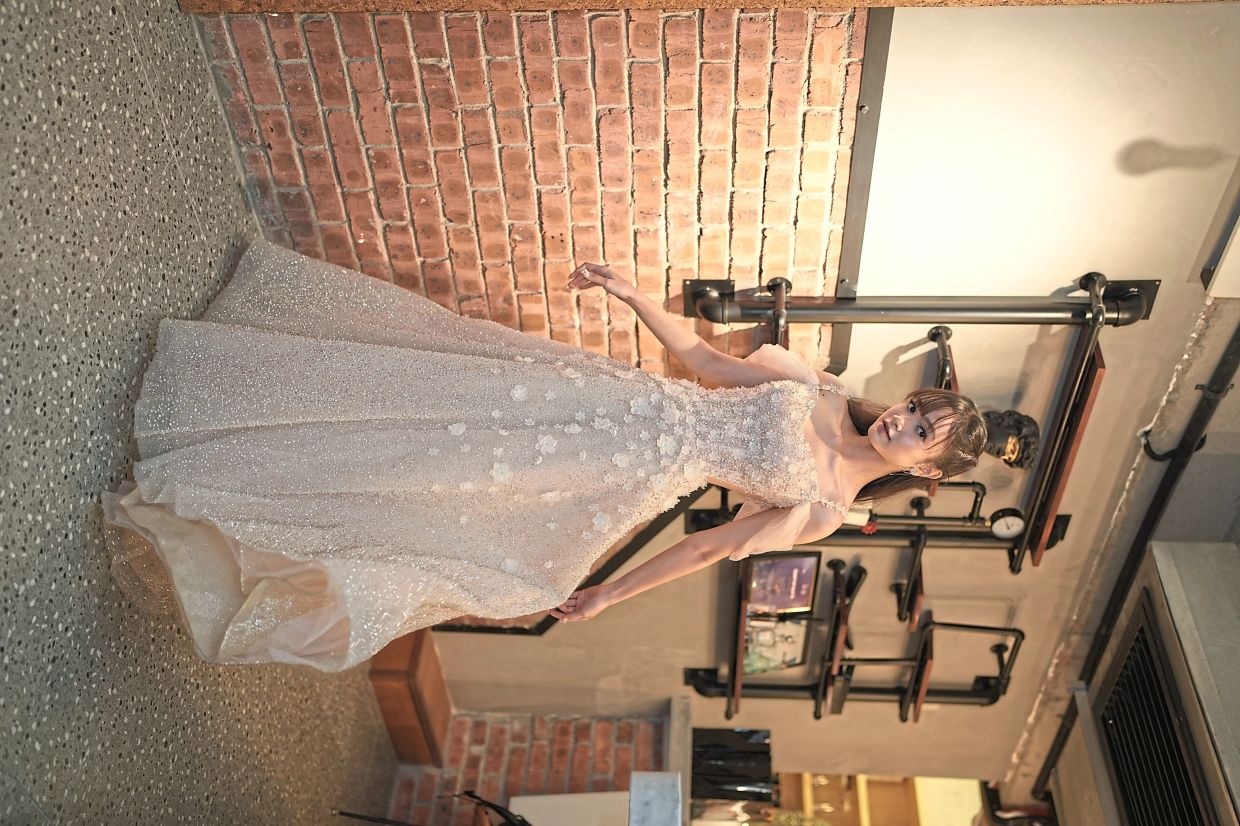
“When a celebrity wears something, it becomes more than fashion, it becomes a moment, a feeling, a memory,” says designer Melinda Looi.
Among the big stars she has dressed is singer-songwriter and actress Aina Abdul, who is known for her elaborate attires at red carpet events.
Looi believes in telling stories with celebrities, through the pieces she crafts for them.
“Every celebrity has an aura, strength, softness, mystery, elegance or rebellion. My role is to translate that invisible energy into fabric, silhouette and details. I want them to feel powerful yet authentic, glamorous yet human,” Looi states.
The biggest thing she avoids when designing pieces for celebrities, is creating something that feels disconnected from who her clients are.
“Fashion should not be a costume,” she notes.
Read more: Madonna’s star power ignites Dolce & Gabbana runway show at Milan Fashion Week
“Trends fade, but identity lasts. If a design doesn’t respect the wearer’s personality or restricts their comfort and confidence, it loses its meaning. For me, the most unforgettable designs are not created to impress... They are created to express.”
Authenticity in fashion takes many forms. Ironically, one of the most genuine is a deliberate disregard for it.
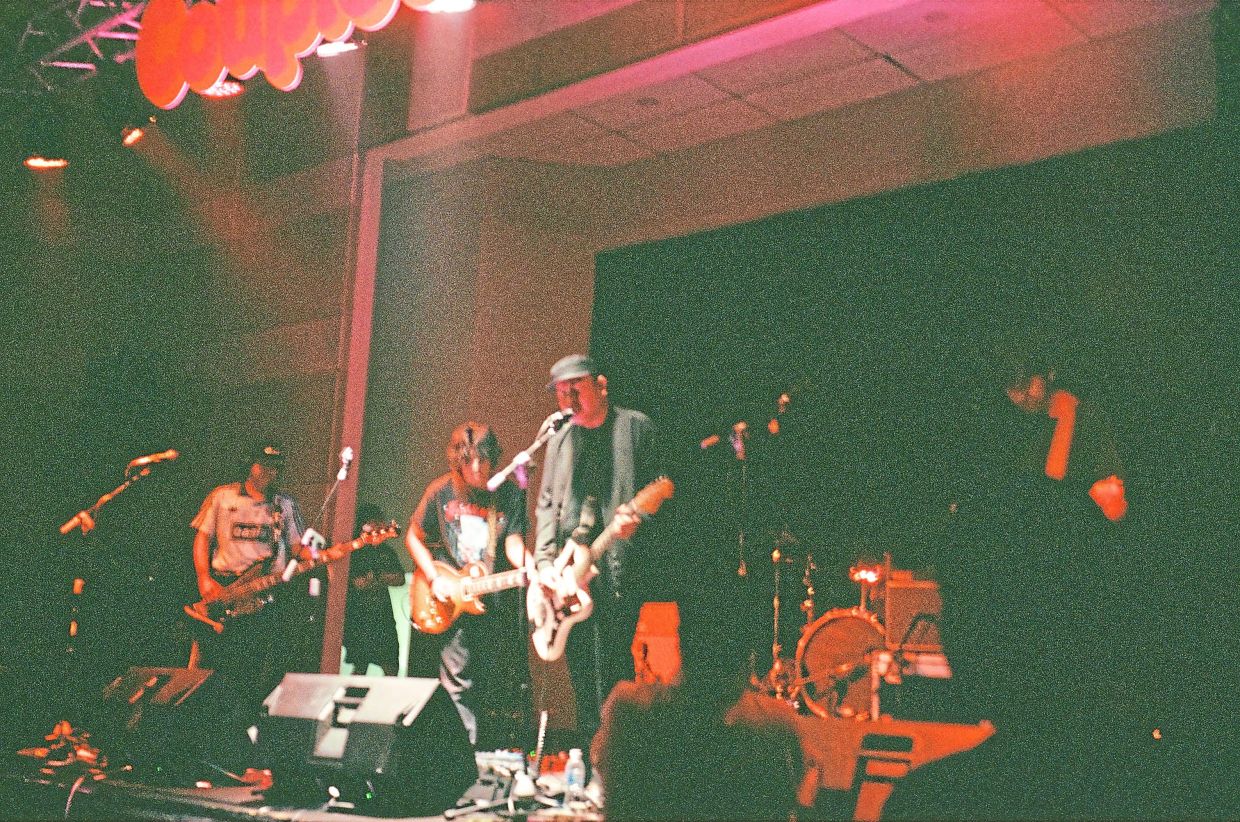
“We don’t really pay attention to, or coordinate what we wear. We only care about how we sound on stage,” says Danial Ardi, bassist of shoegaze band The World Ends With You.
He believes that if he and his band are forced to wear clothing they are uncomfortable in, their performance will not feel honest.
“We like to convey real emotions on stage and anything that is unnatural takes away from that,” Danial states.
Although the band does not strive to be runway models, they still believe that fashion plays a core role in the Malaysian music scene – in some ways.
“Fashion does help bring an extra layer of appeal to a band. It serves like a visual cue for the audience to imagine how a band might sound like, even before they hear the music.”
Not only does fashion help create additional appeal for musicians, it can work to boost their performances as well.
Danial was once told by a member of another local band, Fictions, that their polished style comes from a simple mindset: “If we look good, we play good.”
Actress Emma Sofea is another artiste who does not prioritise fashion as part of her image.
“I want to merely express myself on social media, and I’d want my fans to feel comfortable in their own skin and express themselves,” Emma notes.
Her authenticity is not isolated from fan engagement though. When asked if social media engagement influences her fashion choices, she acknowledges it does.
“If I see fan engagement increase, I’d take note and continue dressing that way but I would do it comfortably and in my own way.”
Shaping enduring influence
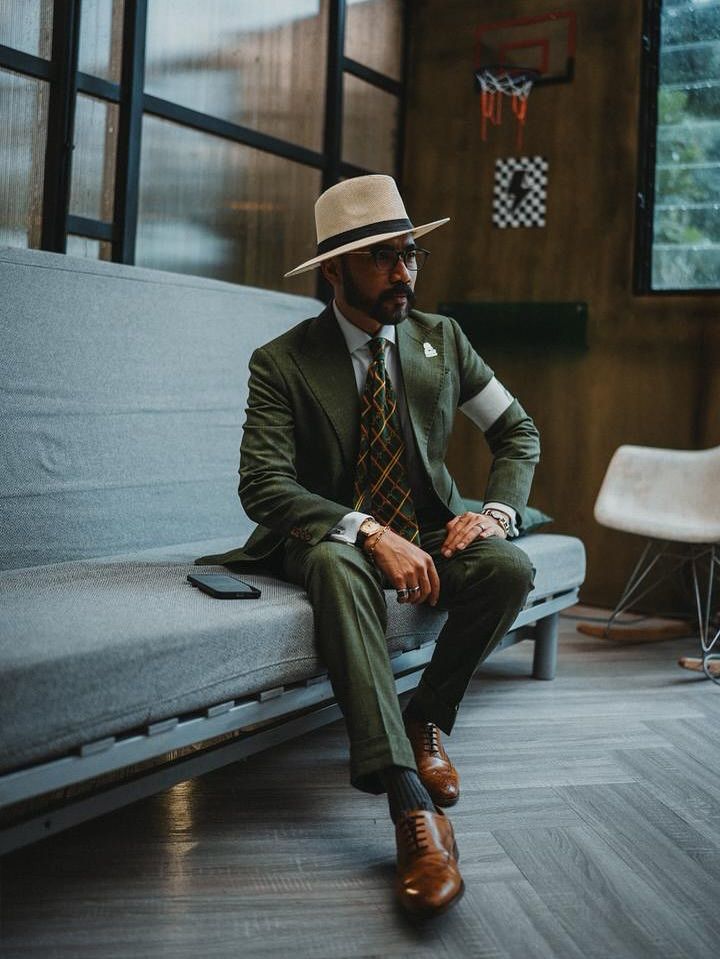
“Identity is the core of who we are,” he declares, conversing in Malay.
Wak, who has his own fashion label, speaks from a design point of view when he says that everyone need to know their end goal.
“Every collection is created with intention, not simply to be worn, but to communicate meaning. When clothing carries purpose, it has the power to inspire others, that power is influence.”
He believes that celebrities are the ones following trends, not creating them.
“The people who create trends are the trendsetters. They don’t come from celebrity circles, but from street-style communities. Street style is what triggers certain fashion movements,” states Wak.
Faizal Hamid, a senior fashion lecturer at Universiti Teknologi Mara, has the same position on celebrities and trends. He believes that trends are rarely created by celebrities alone.
“Trends emerge from a wider cultural landscape that includes designers, street culture, social movements and historical context,” he shares.
“Celebrities function as powerful amplifiers within this system. By wearing certain styles, they bring visibility and legitimacy to ideas that are already gaining momentum.
“Fashion, therefore, is shaped through dialogue rather than domination.”
Read more: Return to sexed-up roots? Kate Moss closes Demna's first Gucci show in a thong
Faizal states that celebrity fashion plays a significant role in shaping narratives within the entertainment industry.
“It influences how performers are perceived, how their work is contextualised, and how audiences engage with them.
“Beyond image-making, celebrity fashion can reflect cultural shifts and, at times, challenge established norms around gender, beauty, and representation. In this way, fashion becomes a visible record of cultural change.”
Faizal also thinks that fashion is fundamental to a celebrity’s public persona.
“Long before an artiste speaks or performs, their clothing communicates meaning. A coherent fashion language allows celebrities to establish recognition, express transformation, and maintain agency over how they are seen.”
When asked if fashion if celebrity culture leaned more towards artistic expression or commercial strategy, he notes that both are important to the fashion industry, but a balance is essential.
“The most compelling moments in celebrity fashion occur when these two forces – expression and strategy – are thoughtfully aligned.”
A memorable style statement
Celebrity fashion only has the chokehold it does on pop culture because of its fans and enthusiasts – but what exactly do they love about it?
Niki Goh, a consumer of celebrity culture, admires unapologeticness within celebrities’ personal styles.
“When a celebrity experiments with bold or unconventional fashion choices, I tend to see them as more creative and fearless souls,” states 22-year-old Goh.
Another factor that cements her love for a celebrity’s style is a strong sense of identity.
“A consistent and well curated style gives the impression of professionalism and a strong personal brand,” notes Goh.
In her opinion, Nicole Kidman is someone who embodies both factors.
“She has always been experimental and a boundary-pusher ever since she started her acting career.
“Her red carpet style in the 1990s stood out the most to me, especially during a time when celebrities dressed more casually for film premieres and award show red carpets.
“Her fashion choices during that era really reflected her as an actor who was willing to try new things.”
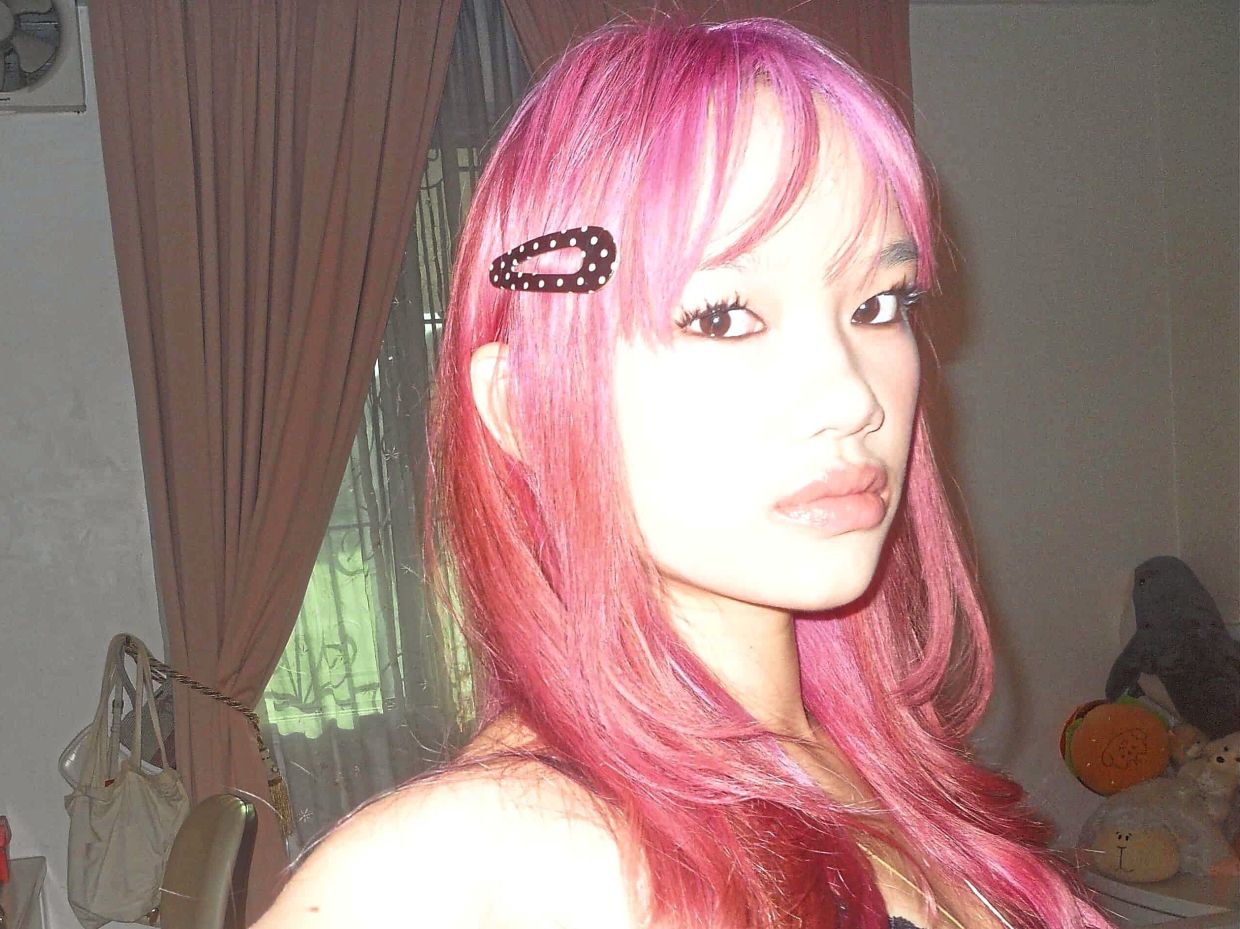
This sentiment for authenticity is echoed by Zaria Low Junjie, another lover of celebrity fashion.
“If a celebrity’s style feels intentional and aligned with who they are or what they create, I view them as more authentic.
“When their fashion reflects their music, personality, or political beliefs, it signals creativity and individuality, making them feel real rather than manufactured.”
She adds that consistency and risk-taking also shape her perception.
“Sticking to a distinctive aesthetic over time shows confidence, while constantly trend-hopping makes me lose interest in them,” Low, 19, says.
“Wearing polarising or unconventional pieces, or using clothing to make political or social statements, and owning them makes someone seem bolder and more original, whereas playing it safe too often makes them less memorable.”
Given her admiration and passion for celebrity fashion, there is no question that Low is influenced by how her favourite stars dress.
“Getting inspiration from celebrities helps me understand patterns, silhouettes, and colour combinations, and it also helps me shape my own personal style and identity.”
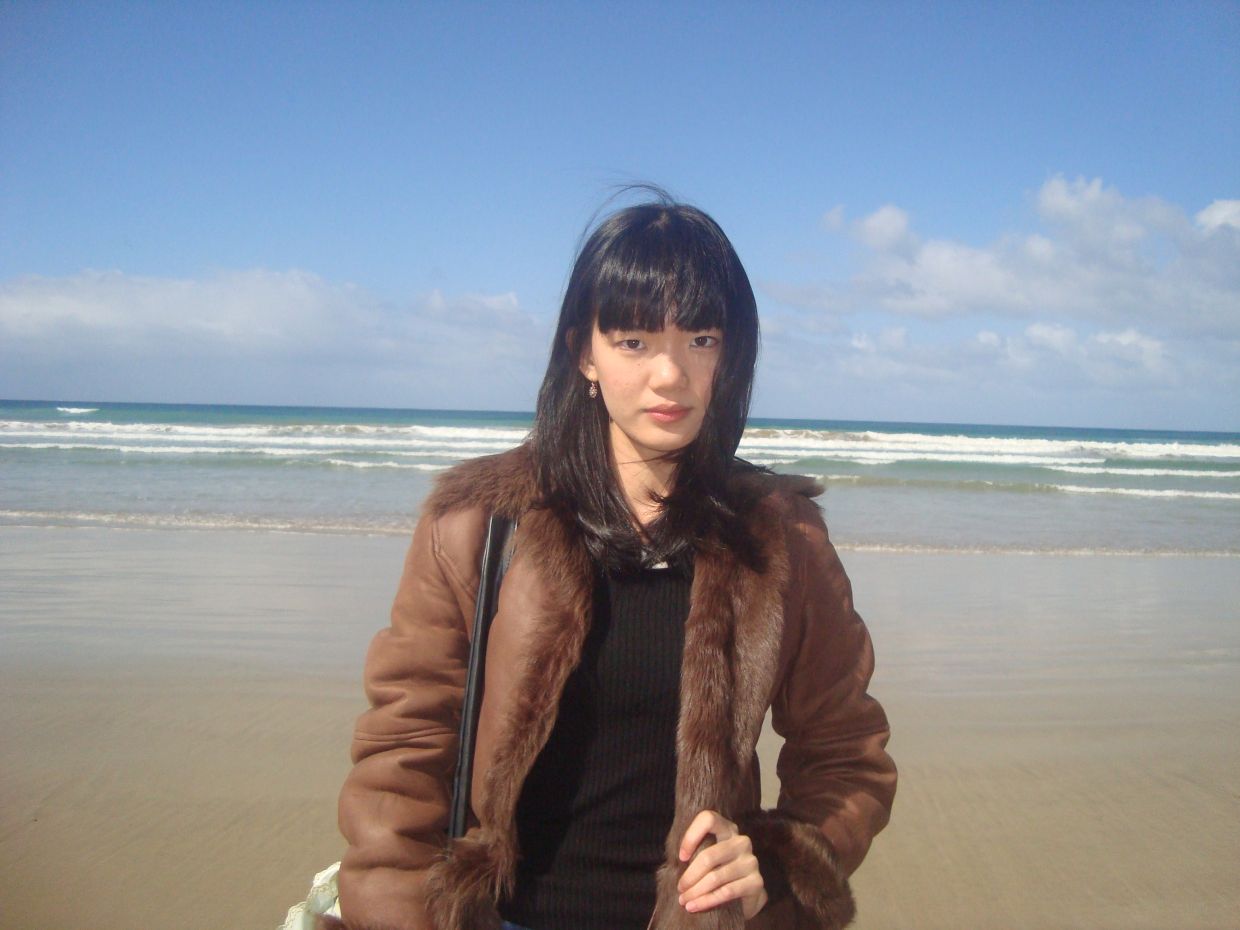
She also notes that analysing pieces that celebrities wear helps her choose brands to explore.
“If I see something with a pretty silhouette or interesting layering, it makes me want to also dress the same way.”
Goh notes that her favourite celebrities’ fashion choices influence her own too, but only to a certain extent. She is mostly drawn to 1970s boho and 1990s chic, as that era of style speaks to her the most.
“It’s harder these days to follow a single celebrity’s fashion choices exclusively, because much of modern celebrity culture feels more performative and less authentic than 20 years ago,” Goh laments.
Across perspectives, the shared sentiment among industry experts and pop culture enthusiasts is that fashion is most powerful when driven by intent and meaning.
The commercial side of the industry will always remain, but a balance must be upheld or fashion’s original message will be lost to performative trends.
Beyond the outward spectacle, meaningful celebrity style definitely endures as a powerful form of personal and artistic expression.