For decades, menswear has operated within a surprisingly narrow definition of who it is designed for.
Guys are often expected to fit a certain mould – relatively tall, athletic and aligned with conventional ideals of rugged masculinity.
Beyond that, it can be difficult to find clothing that feels thoughtfully designed for those who fall outside the bell curve of the so-called “average” man.
Those of shorter stature or slighter build, for instance, are frequently overlooked. Many end up shopping in the women’s section for basic unisex pieces or, at times, even the children’s department.
“Garments are either too long or too wide, making it difficult to find sizes that truly complement my proportions,” says Hariz David, who stands at 150cm.
He finds online shopping especially frustrating, where fit is difficult to judge without trying items on first.
“Even when I visit physical stores, finding the right fit isn’t always guaranteed,” says the 33-year-old Malaysian. “More often than not, I need to have my clothes altered, especially tops and pants.”
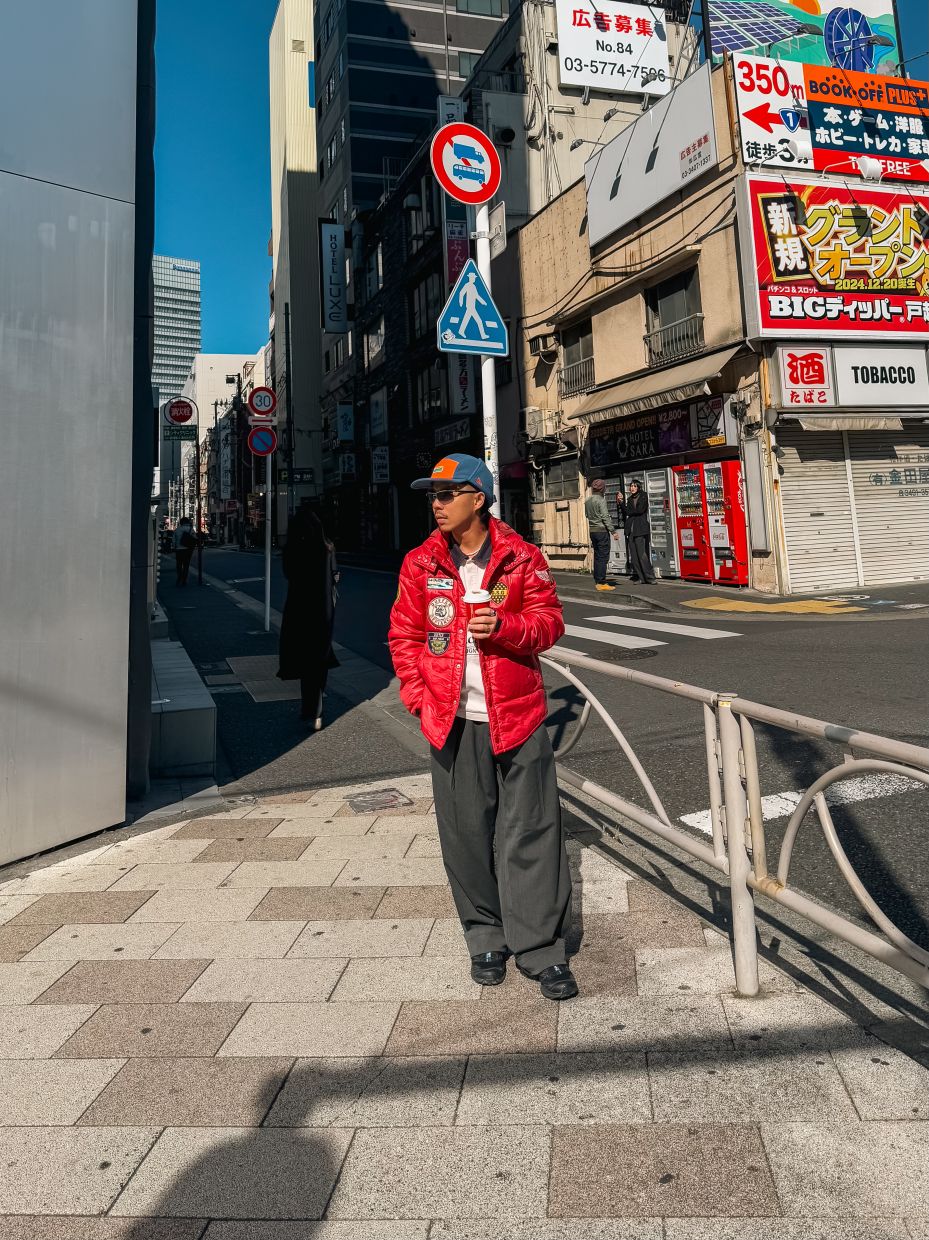
In that sense, he argues, men will always invest in clothing that fits better.
He also points out that womenswear has become far more diverse and inclusive – something he believes menswear could learn from.
“Traditionally, society has often associated the ideal male image with being tall and physically fit,” he says.
“These attributes were widely regarded as the benchmark of attractiveness and masculinity. Such expectations create pressure on men who do not naturally fit these standards, often affecting their confidence and self-perception.”
Against this backdrop, he calls for greater variety in menswear sizing and design, noting that well-fitting clothes can meaningfully improve how men feel about themselves.
“As conversations around mental well-being, body image and individuality become more mainstream, more men are embracing styles that reflect their personality, culture and lifestyle rather than conforming to a single ideal.”
Read more: Movember calls for men to grow a moustache, but some just struggle with it
A complex issue
The issue of diversity in menswear is not centred on a single problem.
If men of smaller build struggle to find clothing that fits, very tall men face their own frustrations too.
For those who stand quite literally head and shoulders above the crowd, finding clothes that feel both comfortable and stylish can be equally difficult.
At 201cm, Paul Marlow towers over most people he meets. The Canadian, currently based in South-East Asia, says finding clothes that make him feel at ease is a constant challenge.
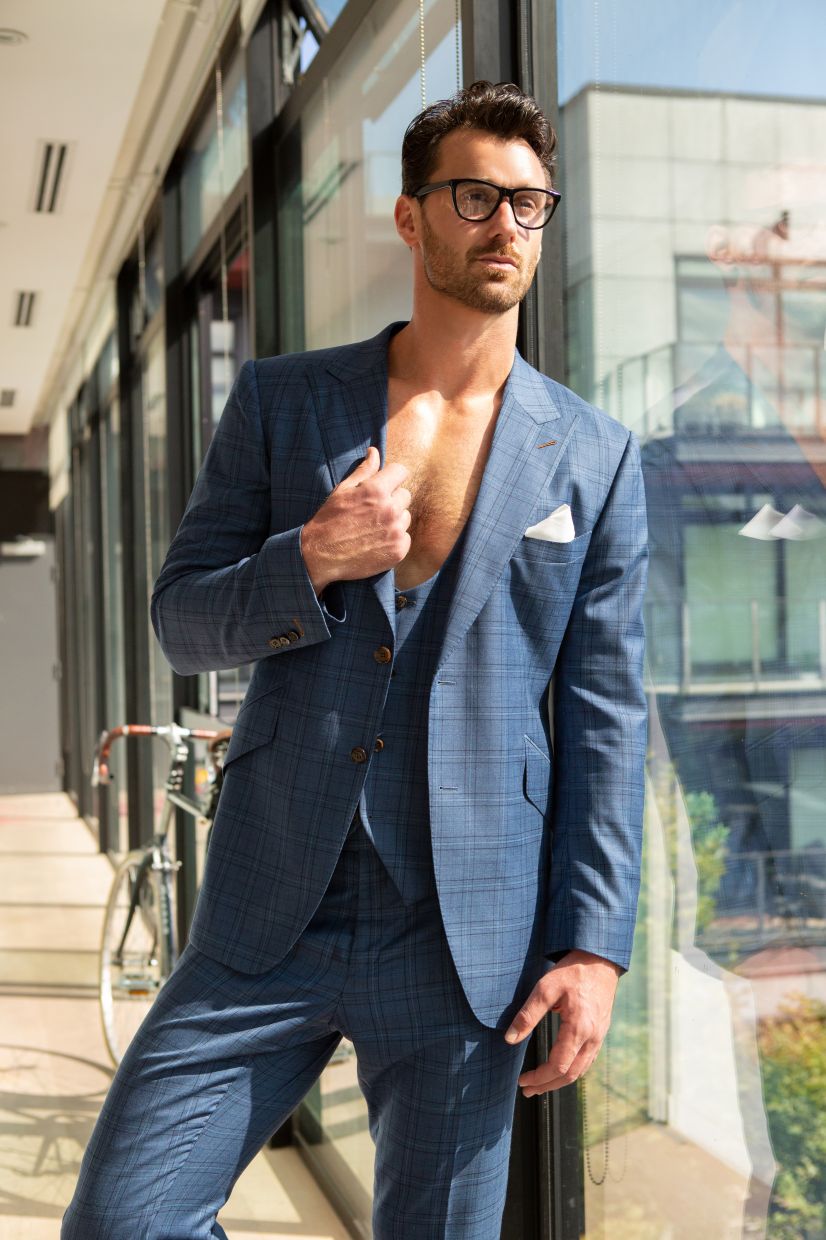
“Most ‘tall men’ labels out there offer only the basics – maybe a white or grey T-shirt with jeans. There’s not much fashion going on.”
Marlow adds that many brands simply add extra length to standard garments or scale up proportions indiscriminately.
For someone with a tall but lean frame like his, that approach rarely works.
“Clothes in XXL or XXXL sizes – even if they fit lengthwise – are usually too baggy for me and hang oddly on my frame,” he says. “It’s not a one-size-fits-all situation, even within a category like ‘big men’.”
Now focused on online fitness coaching for tall men – whom he says require different training techniques to see results, Marlow notes that social media has helped connect him with others facing similar issues.
“The online algorithm works remarkably well at connecting me with people who fit this category, sharing my videos to their suggested feeds,” he says, dismissing the argument that he has simply chosen to live in the wrong part of the world.
The reality is that while Marlow stands out dramatically in Asia, where the average male height hovers around 170cm, he is still taller than most Caucasians.
For context, Hollywood actor Jacob Elordi – often noted for his towering stature and relaxed sense of style – stands at 196cm, still shorter than Marlow.
“I can get my clothes custom-made, of course, but that’s expensive,” says Marlow, who travels to Vietnam to have garments made by a tailor he trusts.
The 41-year-old also says finding shoes is another persistent challenge due to his large foot size.
Having dabbled in modelling, he has long maintained an interest in fashion and is now exploring the idea of launching his own label focused on trousers for tall men – though he admits the process is far from straightforward.
Marlow acknowledges the realities of the fashion business, from production costs to the pressure of serving commercially viable market segments.
Still, he remains disheartened by how limited the options can be for men of his height.
“You can’t just buy an average-sized piece of clothing and alter it upwards,” he says.
Read more: Ask The Expert: Sneakers or leather shoes? A man’s style dilemma, answered
Design challenges
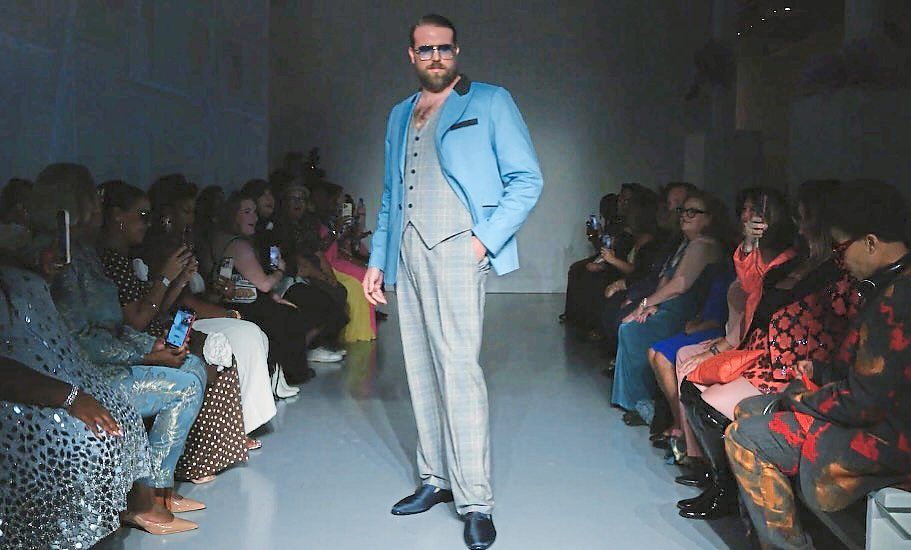
While plus-size female models have become increasingly visible, it is still relatively rare for bigger men to gain similar prominence in fashion.
Among the few exceptions is Zach Miko, who rose to fame nearly a decade ago as the first plus-size male model signed to a major agency through IMG’s “Brawn” division.
More recently, he appeared on the runway at New York Fashion Week for designer Renee Cafaro, a longtime advocate for fashion inclusivity.
Compared to a decade ago – when menswear sizing was often rigidly standardised, with trousers rarely going below a 29-inch waist and T-shirts seldom available below a size S, brands today do offer a broader range of sizes.
Yet sadly, limitations remain.
While Uniqlo offers sizes ranging from XS to XXXXL, these are limited to online purchases, with physical stores stocking only sizes S to XL – leaving customers with less common sizing needs unable to try garments on before buying.
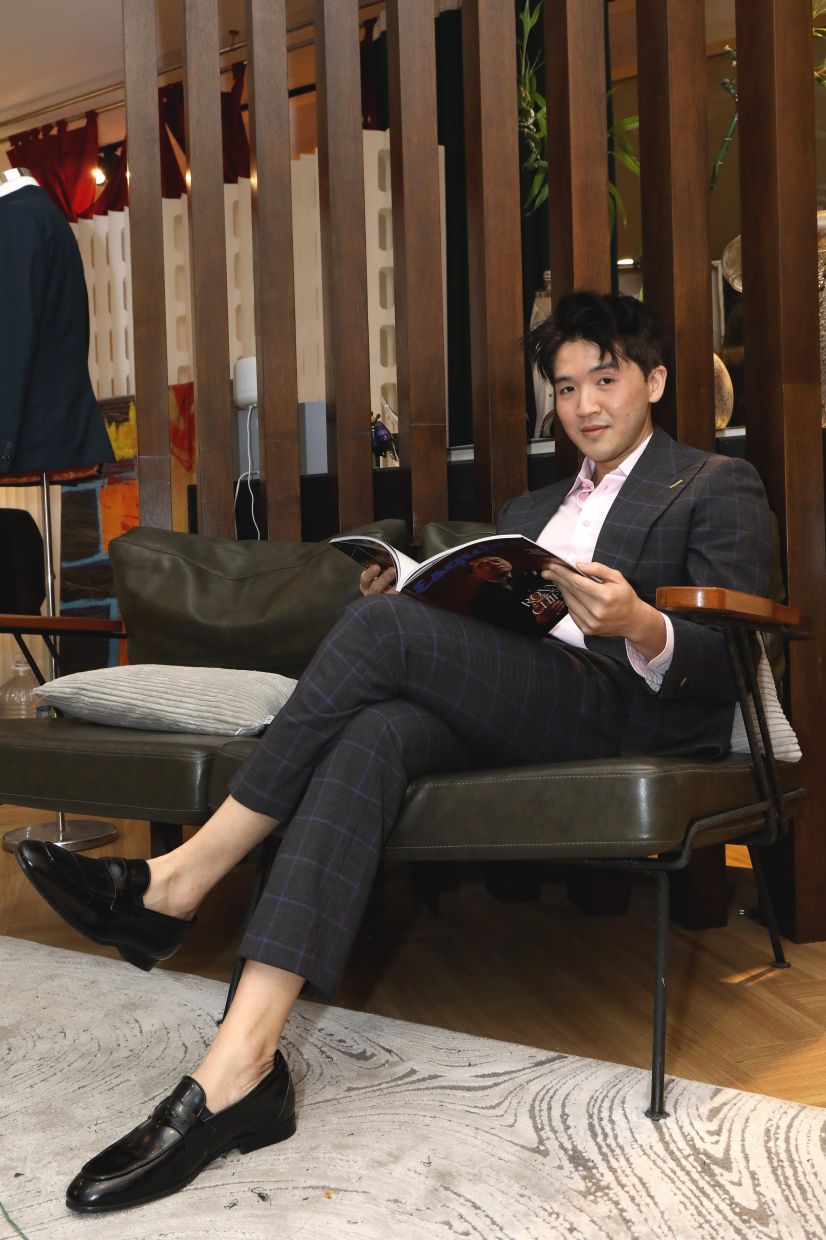
Vincent Siow, who runs a tailoring boutique in Kuala Lumpur, says designing for unconventional body types is more complex than many assume.
“This is not simply a matter of cutting a suit to fit a taller or larger body,” he says.
“You also have to understand proportion. You need to design something specifically for the individual.”
He recently began selling men’s leather shoes with height-elevating soles, which have since become bestsellers, with sales outpacing regular designs.
“Most men come in for a tailored suit for their wedding, and they don’t want to be standing at the altar with their wives literally looking down on them,” says Siow, who previously ran his own menswear label and has presented at the trade shows of Paris Fashion Week.
This highlights just how image-conscious many men can be.
Jay Perry Ang, co-founder of Malaysian fashion label Motoguo, admits that menswear remains a challenging category.
“You can have an interesting story behind your collection, but if it goes against how men are expected to dress, the designs are unlikely to connect with people,” he says.
Motoguo’s unisex aesthetic is built around dressing differently.
Colours used extensively in the label’s collections – particularly pastels – are often viewed by more traditionally masculine consumers as “too sweet”.
“I can’t speak for everyone, but what I’ve observed is that certain pieces of ours, especially in pink, don’t sell well to men,” Ang says.
According to him, menswear remains deeply entrenched in narrow ideas of how men should dress, making it difficult to break away from the mould.
“Society has this odd idea of how men should dress appropriately, to the point where even colours become an issue,” he says.
“Menswear is already limited in terms of design. Adding further restrictions – even something as simple as colour – narrows it even more.”
While it shows that menswear is slowly expanding to accommodate a wider range of bodies and expressions, or at least designers are trying to, dismantling deeply embedded ideals of masculinity and appearance remains a gradual process.