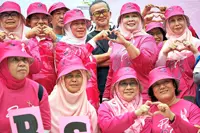
In crowded trains, cafes, shopping malls and campuses – almost anywhere, in fact – moments of harassment can unfold quickly, and sometimes in plain sight of others who may not know what to do.
Most times, people hesitate, unsure whether it is their place to intervene or worried that stepping in could make the situation worse.
A new campaign in Malaysia is trying to change that narrative by reminding the public that small, safe actions from bystanders can make a powerful difference.
Launched recently by Women’s Aid Organisation (WAO), the “Weh, Bro!” video series encourages people – particularly men – to become active allies in preventing violence against women.
Directed by Malaysian filmmaker Khairi Anwar and produced in collaboration with University of Nottingham Malaysia and MK Entertainment, the initiative is funded by Yayasan Sime Darby.
The series introduces a simple framework that anyone can use when witnessing harassment in public.
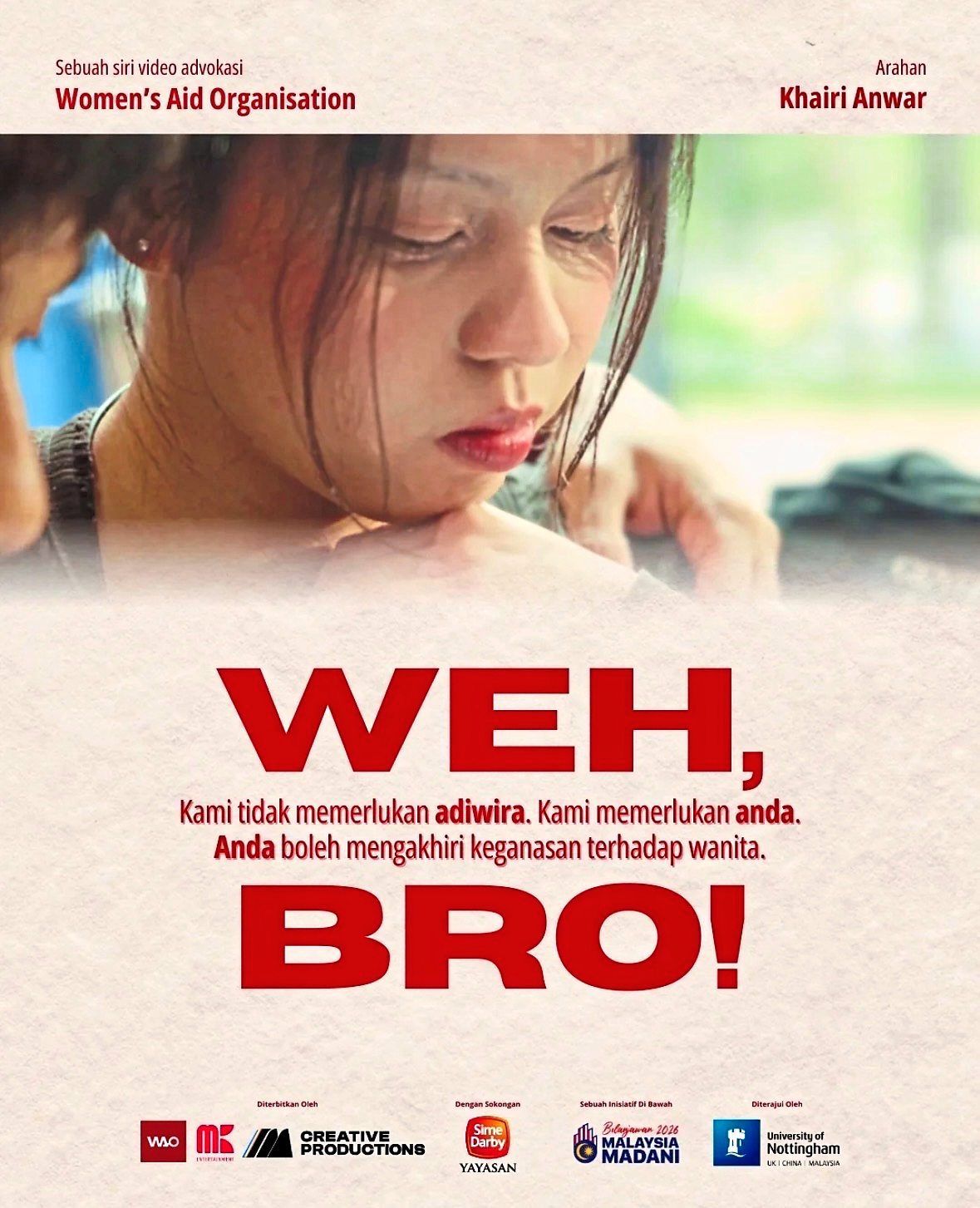
At the heart of the campaign is “5M Campur Tangan Saksi”, WAO’s Malay-language adaptation of the internationally recognised 5D bystander intervention approach.
The five steps are: Mengalihkan (Distract), Melaporkan (Delegate), Merakamkan (Document), Menenangkan (Delay) and Menegur (Direct).
These methods offer different ways for bystanders to step in safely when they see harassment taking place.
According to WAO executive director Nazreen Nizam, violence against women does not only occur behind closed doors.
“Violence against women isn’t just limited to marriage. It could occur wherever there is control, coercion or danger,” she says.
The campaign aims to empower communities to respond in ways that support victims without escalating the situation.
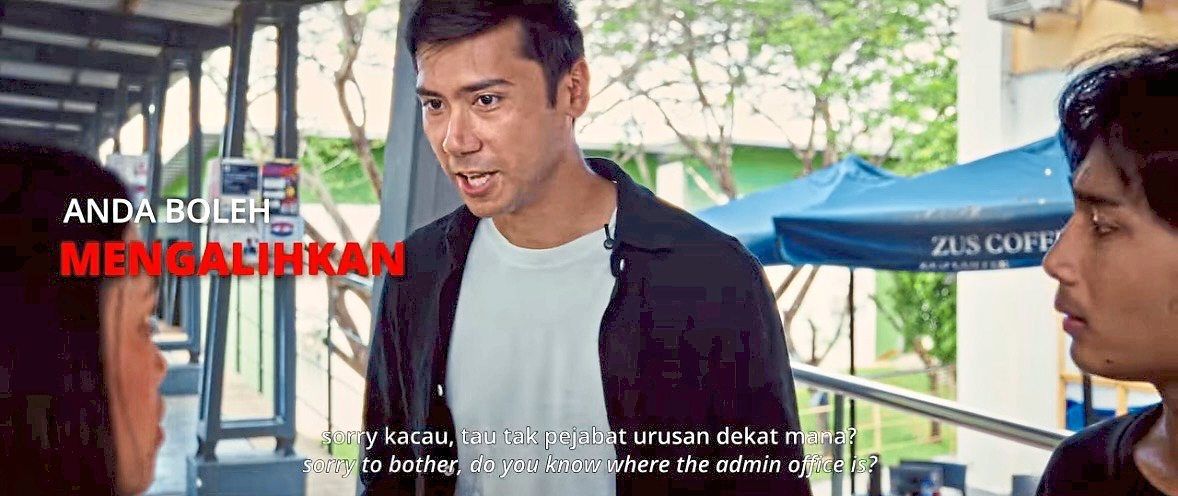
One of the most accessible strategies is distraction – subtly interrupting the situation without directly confronting the harasser.
This might mean pretending to ask the targeted person for directions, starting a casual conversation, or creating a diversion that breaks the tension.
The goal is simple: disrupt the interaction and give the person being harassed an opportunity to get away safely.
Another option is delegation, which involves asking someone else for help. In a public space, that could mean alerting a security guard, a store supervisor, a bus driver or another nearby person who can assist.
Documentation is another form of intervention, but it must be handled responsibly. If someone else is already helping the person being harassed, a bystander can record the incident as evidence.
However, the footage should never be shared publicly without the victim’s consent as it could turn them or you into a target.
Even when immediate intervention is not possible, delay can still help. Simply checking in with the person afterwards – asking if they are okay or offering support – can help reduce the emotional impact of the incident.
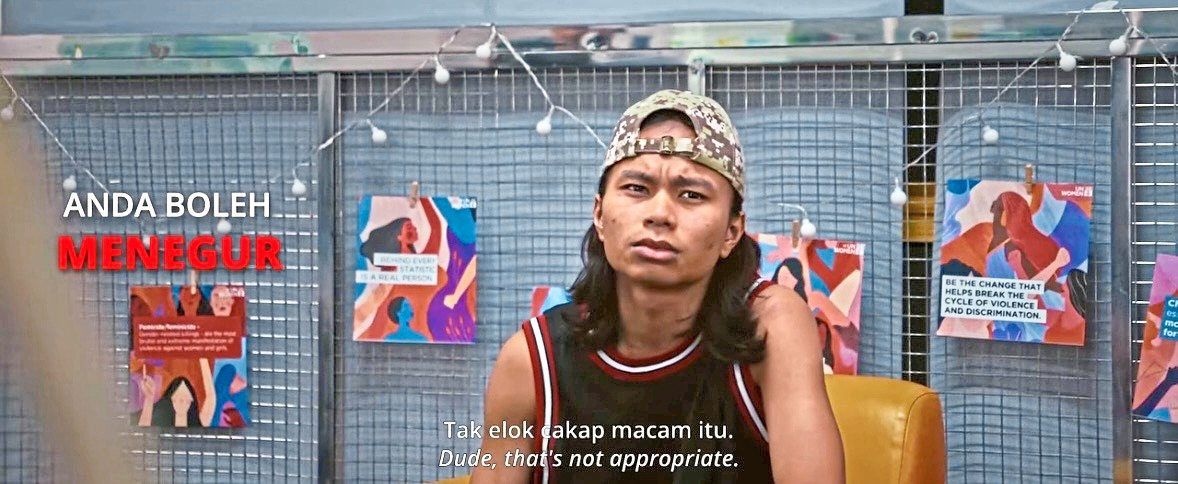
The final method, direct intervention, involves calmly telling the harasser that their behaviour is inappropriate. Because this approach carries a higher risk of escalation, it should only be used if the bystander feels confident the situation will remain safe.
For someone experiencing harassment, the silence of people around them can feel almost as painful as the incident itself.
Research and global advocacy programmes have long shown that active bystanders can help reduce harm, shift social norms and signal that harassment is unacceptable.
“When bystanders intervene, they not only help the person being targeted, but they also challenge the culture that allows harassment to continue,” Nazreen explains.
“In other words, intervention is not just about one moment; it is about shaping a community where people feel responsible for one another’s safety.”
The campaign was launched alongside WAO’s latest services data and policy discussions, which highlight ongoing concerns about gender-based violence in Malaysia.
While the Domestic Violence Act 1994 protects individuals within legally recognised domestic relationships, victims in dating or non-marital relationships may not always have the same legal protections, highlights Nazreen.
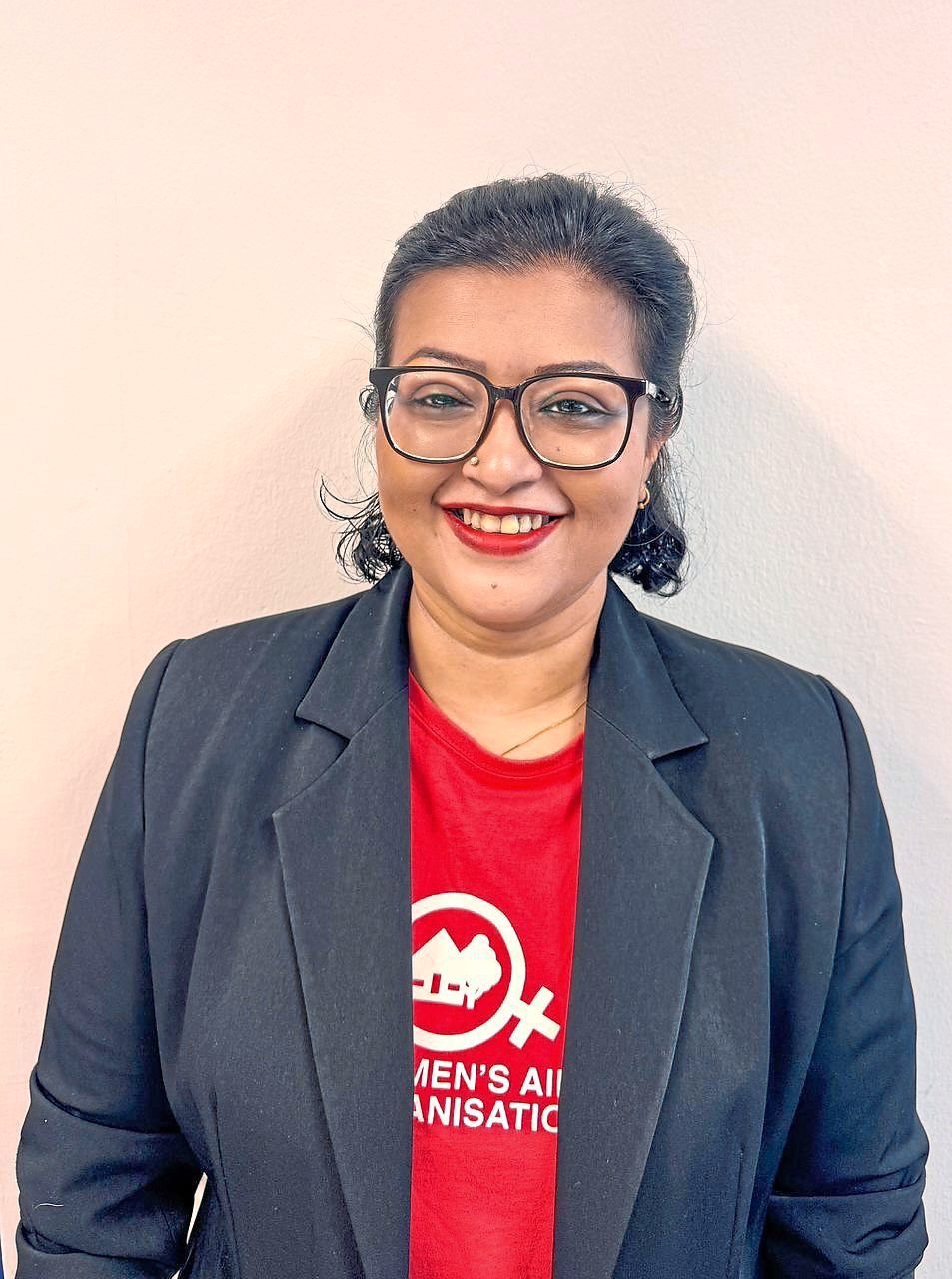
She adds that WAO’s helplines and support services receive thousands of requests for help each year, covering issues such as domestic abuse, sexual harassment and online gender-based violence.
However, advocates note that rising numbers may not necessarily indicate more violence – but rather greater awareness and willingness among survivors to seek help.
For organisations like WAO, that shift is significant.
“As more victims speak out, our systems can then respond with empathy, efficiency and appropriate protection,” Nazreen says.
“Ultimately, the message behind ‘Weh, Bro!’ is simple: preventing violence is not solely the responsibility of victims or authorities. It is a shared responsibility.
“Whether through a quick distraction, a supportive check-in, or speaking up when it is safe to do so, ordinary people can play a role in creating safer public spaces.
“Because sometimes, all it takes to change a moment – or even a culture – is for someone nearby to decide not to look away,” she concludes.
More info: @womensaidorg