



To an outsider, Norfiza Nor Ariffin, 56, should be enjoying her stress-free years.
With her husband retired and her only child working, it is easy to assume that her tough days of managing household finances are over.
In a way, that’s true, as their financial situation is stable now, with both car and housing loans settled.
Yet her responsibility of handling money remains.
“Now that he’s retired, we manage things together, but it is still my responsibility to remind everyone to be judicious in their spending,” she adds. “The role never really ends; you just manage different things, in different settings.”
In previous decades, the Ipoh-based homemaker ran a household in a long-distance marriage, which taught her to be resilient and meticulous.
“Those years were tight,” she recalls. “My husband worked in Kuala Lumpur and came home only on weekends. He would leave cash for provisions and pocket money for the week, and I had to learn to optimise it,” she says.
While the weekly allowance was sufficient for basic necessities, Norfiza chose to contribute by putting her cooking skills to good use.

“After settling housework and my daughter’s school routine, I would cook nasi lemak to sell at a nearby burger stall,” she shares.
“That nasi lemak money allowed us small luxuries, like eating out when my husband returned, short family holidays or buying better stationery for my daughter.”
Across many societies, a majority of mothers take primary responsibility for budgeting groceries and daily expenses, tracking bills and debts, and even planning savings and emergency funds.
Research consistently shows that women in households are often the operational managers of money.
A 2020 study in the Journal Of Obstetric, Gynecologic And Neonatal Nursing found that for “women with young children, financial strain results in forced tradeoffs, compromised parenting practices and self-blame, which contribute to significant mental health problems”.
A 2024 study in Mexico on the role of housewives in household finances concluded the need to “increase financial knowledge” to better manage the household’s economic resources.
Managing money
For Santhoshana Palaniandy, 36, managing finances is a careful balancing act. With a household income of RM7,000 and monthly expenses close to RM6,000, the customer service executive says she has little room for error.
She and her husband have two young children and they use a simple “divide and conquer” approach.
“We write everything down manually – it helps us stay aware of our spending,” shares Santhoshana.
While she admits to being emotionally overwhelmed by financial stress at times, Santhoshana believes that having additional income would help them to feel more secure. Hence, her husband takes on a second job.

For Noor A’zimah Yacob, a housewife in Bangi, Selangor, financial management is a shared responsibility – but one that requires constant communication.
“My husband and I handle the daily household expenses together,” says the mother of four, aged between 11 and 20. “We discuss bills, groceries and make sure there is enough for monthly needs.”
They keep track of their spending through handwritten records and regular checks on bank statements – a system that helps them stay organised amid rising costs.
In contrast, Tengku Mazlinda Tengku Mahmood, 46, who works in the civil service, manages her household finances largely on her own – relying on digital tools to keep everything in check.
“I use apps to track payments, and I compare prices before buying anything,” she says.
Managing a household of six on RM9,000 – much of it committed to loans, basic expenses and her children’s education – has turned her into a meticulous optimiser. But as financial literacy advocate Aisya Rahman points out, budgeting is simple in theory, but challenging to execute.
Even in households where financial decision-making is seemingly shared, the burden is not always evenly carried.
Aisya says that the silent financial load mothers carry affects how they make decisions.
“When you are already stretched between work and caregiving, budgeting becomes the last thing you want to deal with – even though it is the most necessary,” says Aisya.

Rising cost of living
For Tengku Mazlinda, sacrifices are made through small, everyday decisions. As household expenses climb steadily – from groceries to electricity, which now reaches up to RM500 a month – she knows something has got to give.
“We no longer use the dryer at home,” she says. “The air conditioner in the living room is only switched on when we have guests. Before this, it was switched on almost all the time.”
Other adjustments have been harder.
“It is unfortunate that I can no longer afford to send my children to art classes, swimming and badminton lessons,” she adds. “But they understand.”
What the rest of the family may not see is how she quietly reduces her personal spending.
“Skincare is limited to cleanser, moisturiser and sunscreen, while clothing is bought only when necessary – almost always during online sales,” says Tengku Mazlinda, who also takes on freelance translation, editing and writing projects, and bakes for her husband’s cafe for extra income.
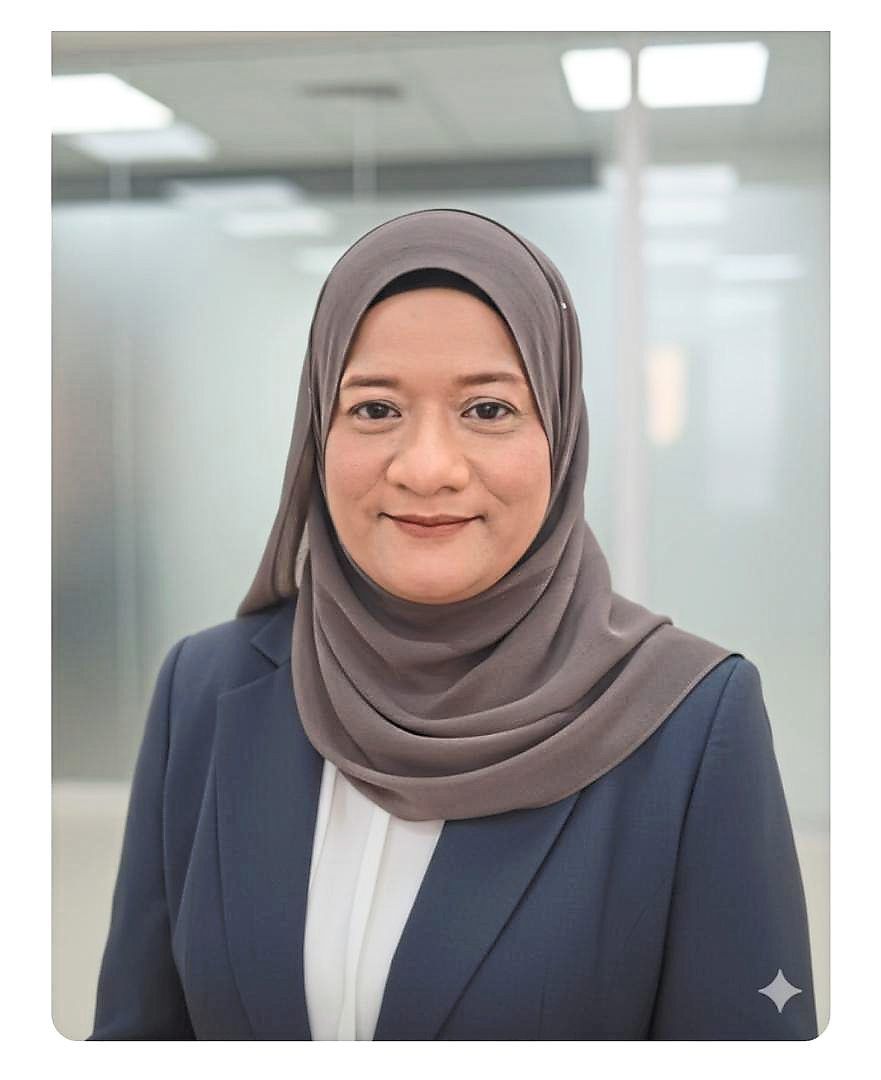
Norfiza knows this all too well. Even now, her spending remains firmly centred on necessities.
“I only spend on what is needed,” she says.
Years of stretching a single income have shaped how she approaches money today – careful, deliberate and always with an eye on the future.
Health, inevitably, has become a growing consideration.
“At this age, medical expenses are one of our biggest concerns,” she adds, referring not just to treatment, but ongoing costs such as medication and supplements.

For Noor A’zimah, the sacrifices are about constant prioritisation.
“When money is tight, we cut back on entertainment, eating out and personal spending,” she says. “As parents, we often put our own needs behind to make sure the family has what it needs.”
Aisya says when things get hard, the first thing mothers give up is their own needs. What begins as small adjustments, she adds, can over time turn into a cycle where personal needs are repeatedly set aside to keep the household running.
“(Also), whatever cash they hold, they advance it to support rising costs,” she adds. “What’s left is often nothing – or a deficit.”
She cautions about normalising this as a default practice.
“There is nothing romantic about sacrificing your future.”
Instead, she encourages mothers to become more intentional with their choices – recognising that every financial decision is a trade-off between present needs and future security.
Breaking the cycle
This instinct to save, stretch and sacrifice is not new. For most of these mothers, it is something they watched growing up.
What Santhoshana learned from her parents was to prioritise needs over wants.
“This is something we aim to pass on to our children, encouraging them to value essentials and learn responsibility as they grow older,” she says.
Norfiza has a simple advice for her 27-year-old daughter: “Get whatever you want when you have the money, but at the same time, save for your future.”
Noor A’zimah learnt a related lesson from her parents – to live within her means and save for emergencies.
Today, she hopes to pass on to her children something similar: how to budget wisely, avoid waste and understand the value of hard work and financial discipline.
“I want my children to know that for parents, managing money is not just about paying bills. It also includes the stress of planning, worrying and making sacrifices quietly,” she adds.
Tengku Mazlinda remembers her late parents as the ultimate “price-comparers”.
“They would go to several supermarkets to compare prices before buying something,” she recalls. “They lived below their means and prioritised needs. We only got the ‘wants’ – like comic books or novels – by saving our own pocket money.”
While these lessons provide a foundation for survival, Aisya says they can also create a “financial trauma loop”.
“It’s the intersection of mental and financial pain,” Aisya explains. “It is repeating what you saw growing up, and most of the time, it is unhealthy.”
Her own experience is similar.
“I grew up seeing the women in my family as the pillars, earning and working hard, but rarely spending anything on themselves.”
For her, the true act of empowerment for mothers today is to become “cycle breakers” – to move away from inherited patterns of struggle towards intentional and informed financial decisions.
“The beautiful thing about children is that they do not listen; they watch,” Aisya notes.
“When we mirror financial literacy – understanding basic money management, our credit scores and the importance of a retirement nest egg – our children will mirror the same.
“If we only mirror anxiety and debt, they will grow up doing the same.
“That is why women make the best educators and teachers. It really starts with you,” she concludes.
