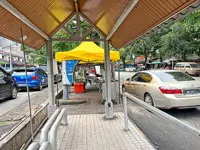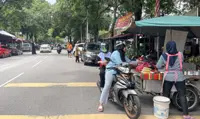
The recent clearing of roadside stalls along Jalan Wangsa Melawati 3 initially brought relief to many residents of Taman Wangsa Melawati in Kuala Lumpur.
After years of complaints about safety hazards, traffic congestion and public nuisance, residents hoped that the authorities had finally acknowledged their concerns.
However, it now appears that the stalls are merely being removed to make way for a more organised version of the same business activity.
While efforts to improve the appearance and management of the stalls are commendable, the fundamental question remains: has Kuala Lumpur City Hall (DBKL) adequately considered challenges faced by residents before proceeding with this plan?
The proposed stall area is located near a busy traffic junction.
The entrance to Taman Wangsa Melawati is already affected by congestion caused by a kindergarten and motor repair workshop, where indiscriminate parking and vehicles waiting along the roadside create daily traffic chaos.
Introducing additional commercial activity without addressing these existing issues could worsen the situation.
DBKL should consider installing a yellow box junction at the entrance from Jalan Wangsa Melawati 3 into the residential area.
This would help ensure smoother traffic flow and allow residents to enter and exit the neighbourhood safely.
Existing speed breakers along the road have proven largely ineffective in slowing traffic.
Several accidents have already occurred, particularly involving motorcyclists travelling at high speed, creating dangers for motorists attempting to turn into Taman Wangsa Melawati.
I personally met with an accident recently because a car was parked in the middle of the road, and in the process of trying to avoid it, I knocked into a speeding motorcyclist.
Another critical concern is parking. Where will customers park?
If vehicles are left along Jalan Wangsa Melawati 3, haphazard parking will inevitably add to congestion and safety risks.
Residents are already witnessing a similar situation along Jalan Wangsa Melawati 1, where new roadside stalls have gradually appeared.
Business owners frequently park their vehicles on grassy road reserves, while customers leave their cars along the roadside, creating obstructions, reducing visibility and contributing to traffic disorder.
Another example is in the area
around one residential condominium development here, with unplanned roadside commercial activities adversely affecting traffic flow and neighbourhood liveability.
While DBKL understandably seeks to support business and economic activity, residents’ concerns deserve equal consideration.
The city authorities must carefully balance the needs of traders, motorists and residents before implementing any permanent solution.
Development should not come at the expense of public safety, accessibility and the quality of life of those who call Wangsa Melawati home.
CONCERNED SENIOR CITIZEN
Kuala Lumpur