
Rising highway fatalities highlight urgent need to reform Malaysians’ motoring habits
EVERY festive season brings the same urgent pleas for road safety, yet Malaysia’s crash numbers tell a grim story.
Last year, road accidents reached a record 790,614 cases – claiming 6,537 lives at a staggering average of 18 deaths a day.

According to Transport Ministry, another 273,668 crashes were recorded in the first four months of this year alone.
Road accidents have increased by an average of 3.39% annually over the past three years.
Passenger cars account for between 60% and 70% of crashes, while motorcycle-related accidents have risen by an average of 5.83% annually.
These figures serve as a sobering reminder as families prepare to travel for Deepavali, besides more festive celebrations to come in the months ahead.
Despite years of safety campaigns and repeated warnings, speeding, reckless overtaking and driver fatigue remain persistent risks.
Why do the same problems keep recurring? Part of the answer lies in our attitude towards driving.
Works Minister Datuk Seri Alexander Nanta Linggi has said that 80% of accidents are caused by human factors, with the rush to reach a destination often leading motorists to put convenience ahead of safety.
Some motorists push themselves to cover long distances without sufficient rest, while others become impatient in traffic and resort to risky manoeuvres.
Campaigns and enforcement operations remain necessary, particularly during peak travel periods.
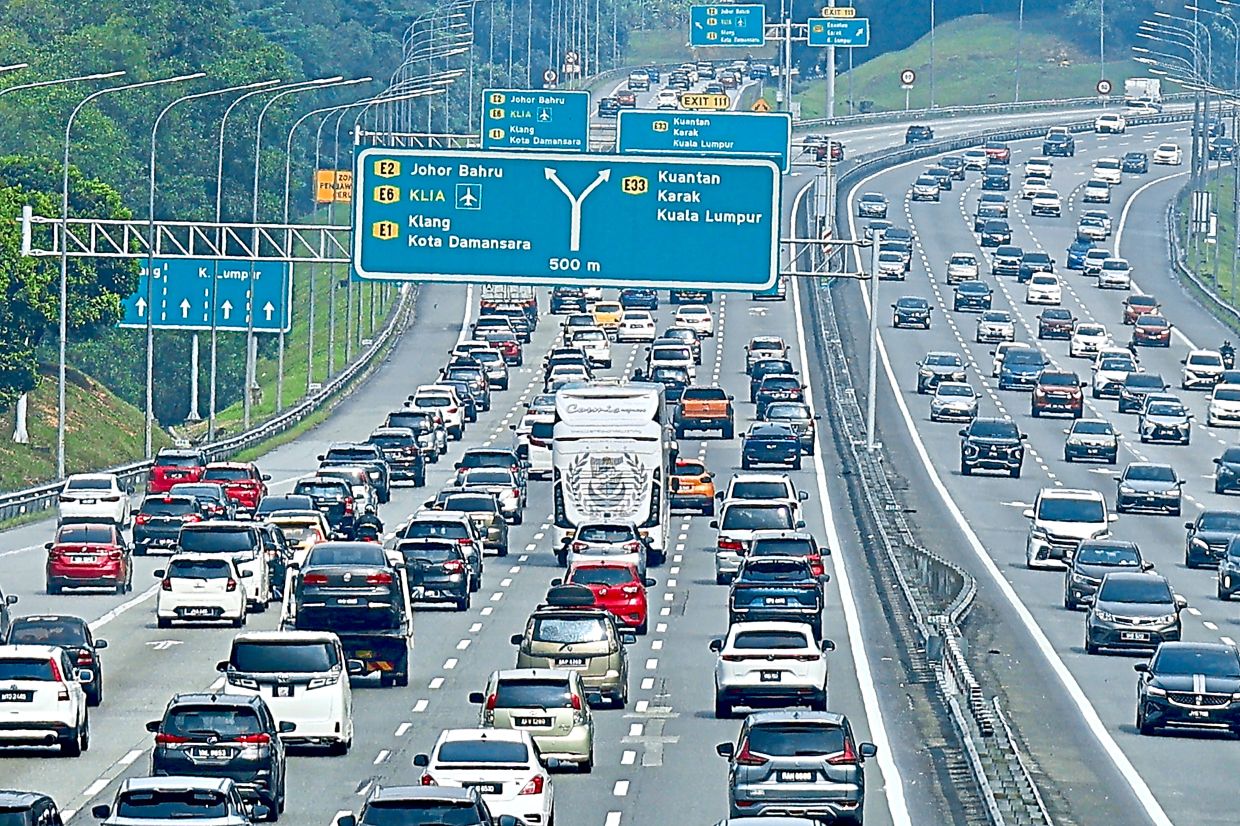
However, they have limited impact if motorists continue to treat safety messages as routine reminders rather than a reason to change their behaviour.
Personal responsibility must be at the heart of safer driving.
Motorists should allow enough time for their journeys, avoid peak periods where possible and plan rest stops in advance.
They should also ensure their vehicles are properly maintained.
Those travelling long distances should take regular breaks and share driving duties where possible, as fatigue can impair concentration and reaction time, sometimes before drivers even realise how tired they are.
Enforcement should be backed by better identification of accident-prone locations, particularly stretches where speeding, dangerous overtaking or poor visibility pose recurring risks.
Temporary traffic management during peak periods must also be clearly communicated so that motorists can plan their journeys.
Rest stops deserve attention too. Adequate parking, clean facilities and sufficient space to rest can encourage drivers to take proper breaks instead of pressing on out of convenience.
Safety campaigns must also move beyond general reminders to be careful.
They need to address specific behaviours, including driving while tired, speeding to make up for lost time or using mobile phones behind the wheel.
Such messages should be reinforced throughout the year, not just before major festive periods.
Accountability is equally important.
Transport Minister Anthony Loke has said that the government was studying amendments to Road Transport Act 1987, empowering courts to order traffic offenders to compensate accident victims or their next of kin.
The proposed changes could give victims and their families another avenue to seek compensation, while reinforcing the consequences of reckless driving.
However, stronger legal provisions must go hand in hand with consistent enforcement and greater awareness among road users.
Ultimately, safer roads depend on each person behind the wheel and every road user.
A decision to speed or overtake recklessly puts not only the driver and passengers at risk, but also motorcyclists, pedestrians and other motorists.
No celebration is worth the loss of a life.
Here’s to safer journeys, joyful reunions and everyone making it home safely to the people who matter most.