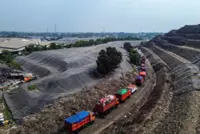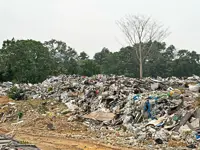

Piles of rotting food, large mounds of garden refuse, mountains of discarded e-waste and broken bulky furniture laid scattered across the charred ground of this vacant land.
This was my initial encounter with an illegal dumpsite in Bukit Enggang, Sungai Long in Selangor, back in 2020.
The four-ply surgical mask did little to shield me from the sickening odour.
It was a grim, troubling sight – one that remains deeply etched in my memory.
Ultimately, persistent public pressure and the local council intervention led to the site’s closure.
Fast forward to September this year, I reported on Sungai Buloh residents’ complaints of bad odour emitting from an illegal dumpsite in Bukit Rahman Putra.
Despite intervention by local authorities, the site is still there.
The issue of illegal dumping continues to plague local authorities across the Klang Valley because as fast as old sites are cleared, new ones silently emerge.
This unending game of cat-and-mouse raises the urgent question: why does this persist?
From the perspective of private waste contractors, dumping illegally on vacant land yields massive profit margins.
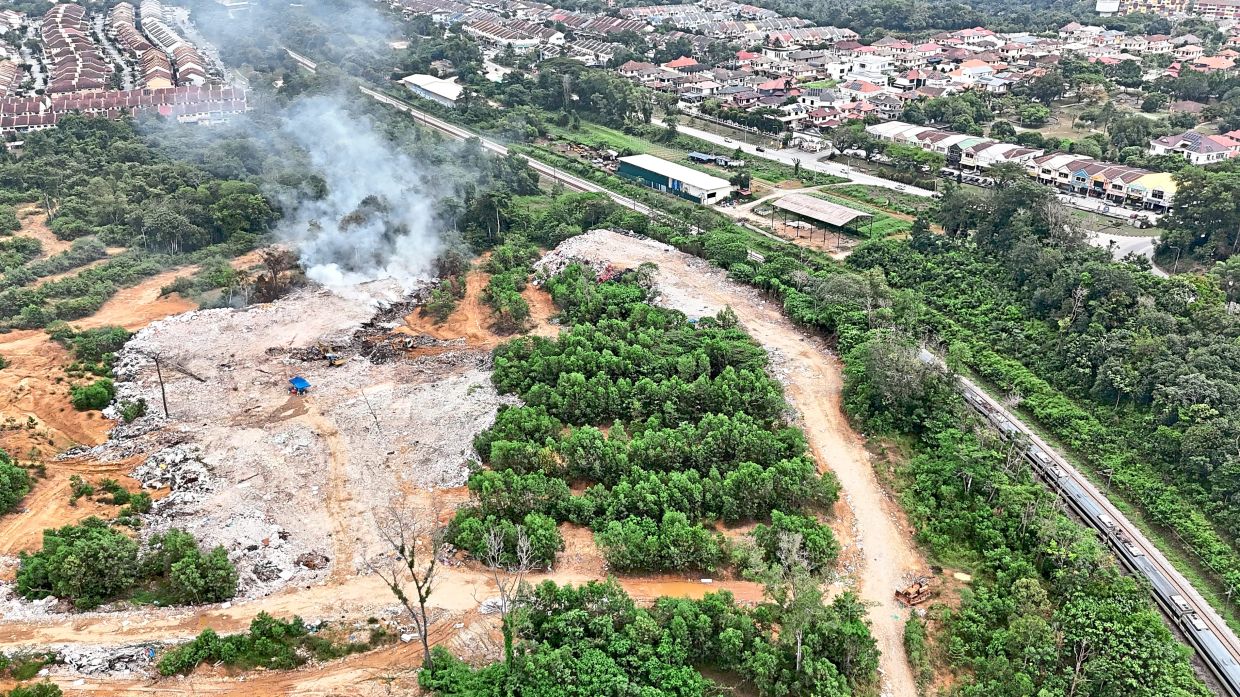
They avoid paying tipping fees, which can be costly, at sanctioned sanitary landfills and modern waste-to-energy processing facilities.
The existence of secluded, vacant areas throughout the Klang Valley also encourages the practice.
On paper, the authorities possess a broad arsenal of statutory powers to combat environmental degradation.
Under local council by-laws − Local Government Act 1976 in Selangor and Solid Waste and Public Cleansing Management Act 2007 (Act 672) in Kuala Lumpur − officers can seize vehicles caught dumping, issue immediate maximum compounds and revoke business licences of rogue contractors.
Furthermore, under the National Land Code, land offices can issue notices forcing private landowners to rehabilitate contaminated sites or face land forfeiture.
In recent years, local councils have even deployed modern surveillance tools, utilising drone patrols, installed closed-circuit television (CCTV) cameras at hotspots and digital reporting apps like i-Clean Selangor to catch perpetrators in the act.
Yet, local councils still face jurisdictional challenges because officers cannot immediately enter or seize private property without first issuing notices.
This prevents swift enforcement, leaving officers unable to catch perpetrators in the act.
It is clear this problem cannot be solved by force alone.
I believe that neither stricter penalties nor smart surveillance will end illegal dumping, as offenders will simply adapt to beat the system.
The only lasting solution is to advocate for recycling and waste reduction while maintaining enforcement.
Authorities and the Federal Government must offer lucrative incentives and ensure convenient locations so that recycling becomes second nature – two critical elements currently lacking in our waste ecosystem.
Future developments must also integrate recycling into their services to encourage greater public participation.
While shifting societal habits may take 30 to 50 years to yield full results, putting the right systems in place today is the only way to ensure illegal dumping is not left for future generations to clean up.