
THE modern landscape for women is shifting.
Across generations, women are increasingly charting their own destinies, moving beyond outdated societal expectations to prioritise personal fulfilment, financial independence and professional excellence.
In conjunction with International Women’s Day, StarMetro spoke to women whose lives represent a spectrum of the modern female experience.
From a farm in Australia to the competitive stage of bodybuilding and the high-stakes world of engineering, these women are proving that “having it all” is no longer about a standard checklist, but about the radical power of choice.
Solo voyager
For 28-year-old A. Devika Ishoney, the catalyst for change wasn’t a grand epiphany, but a single flight.
As a budding public relations professional, she was sent on a solo assignment to Kuching, Sarawak and Kota Kinabalu, Sabah.
Up until that point, her life had followed a familiar corporate rhythm. But upon arriving in the Borneo states, something shifted.
“My first flight for work enabled me to experience freedom. I loved it,” she recalled.
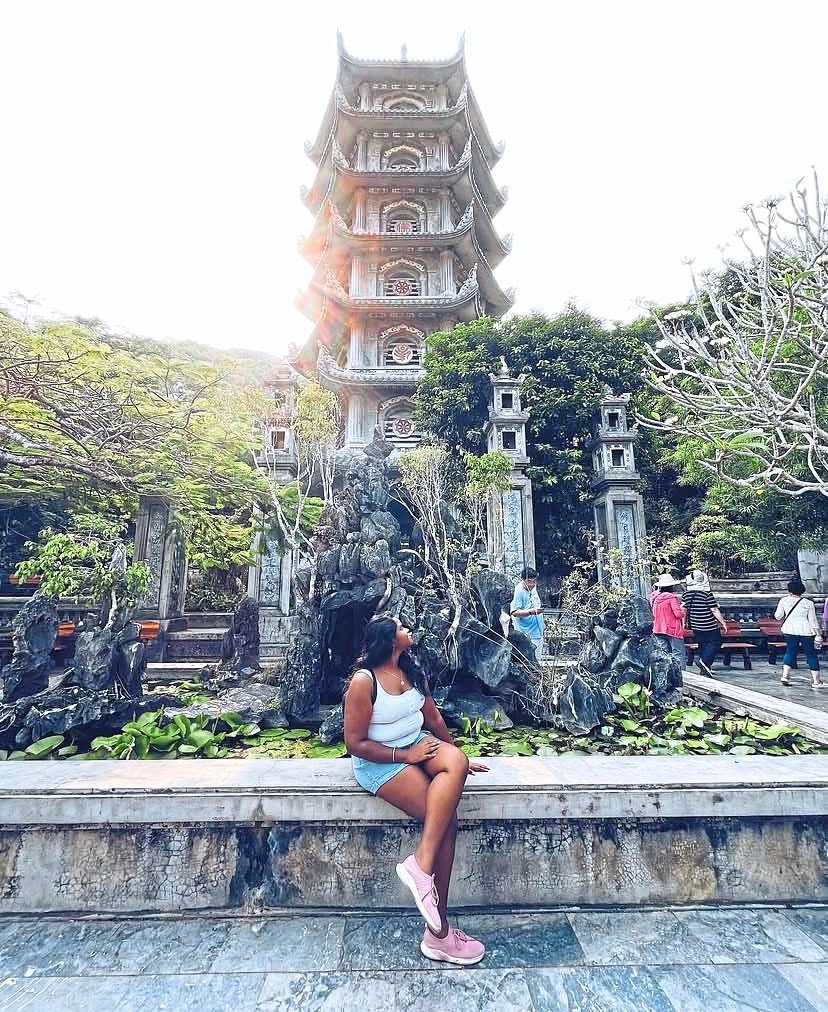
That taste of autonomy – navigating new cities alone, managing her own schedule and answering only to herself – ignited a hunger that a traditional 9-to-5 could not satisfy.
She began to experiment with solo travel, visiting Langkawi for her birthday and eventually trekking through Vietnam and Bali.
It was during these travels she encountered the “work-and-holiday” subculture: people who traded the security of a permanent office for the richness of global experience.
A public relations graduate, Devika realised early on she didn’t want a conventional career path.
While she worked her way up to become an assistant manager in the PR sector, the long hours and high-pressure environment of the agency world began to feel like a cage.
When she discovered she qualified for an Australian Work and Holiday visa, she jumped at the chance.
Since arriving in Perth in December 2024 and later to Coffs Harbour (a city in New South Wales) in June last year, her life has been a whirlwind of physical labour and new perspectives.
She has traded press releases for raspberry picking and boutique retail.
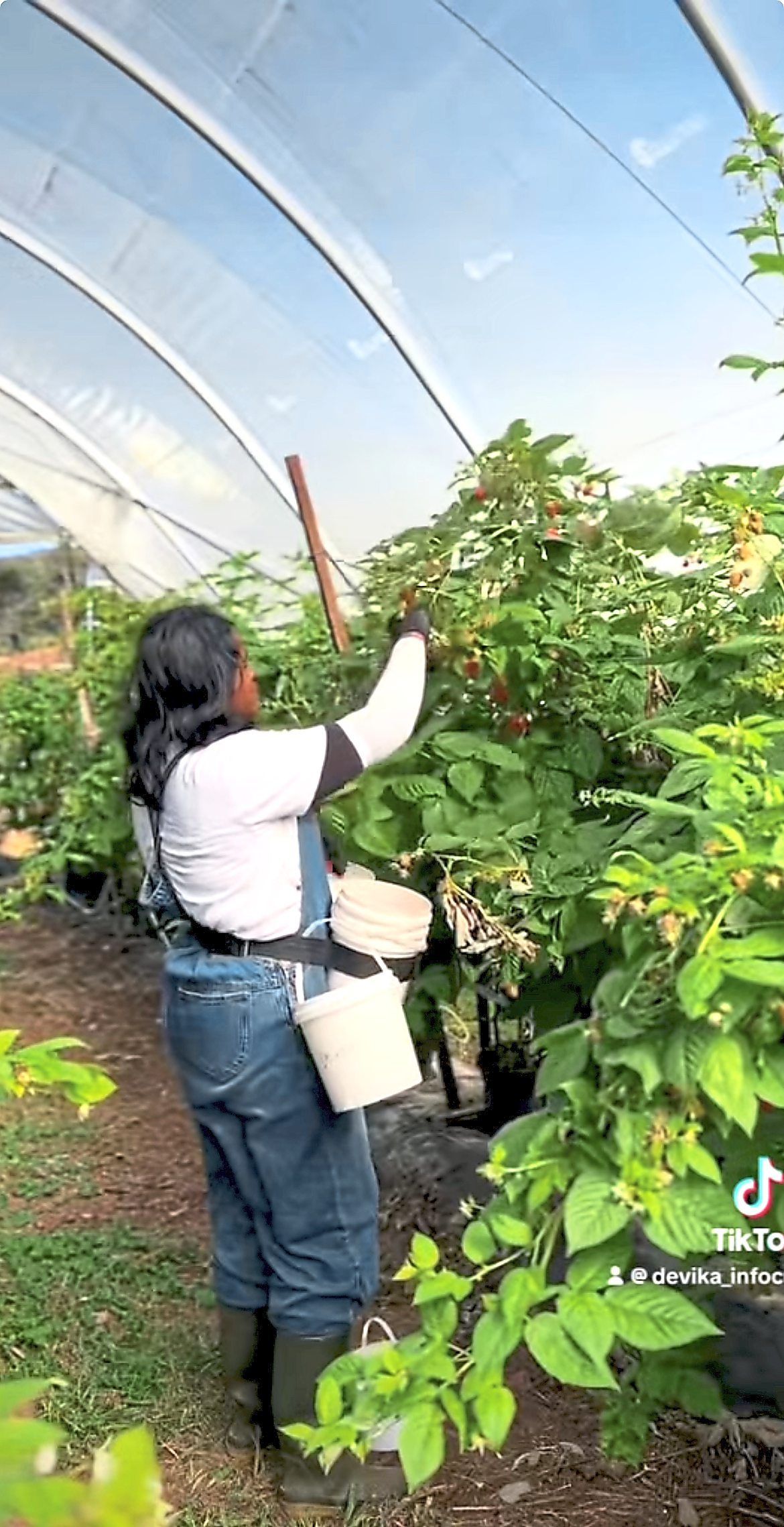
The shift from “professional” to “labourer” might intimidate some, but for Devika, it is a badge of honour.
She has found a second calling as a digital storyteller, sharing the unvarnished reality of her transition.
A video of her day as a raspberry picker garnered nearly 400,000 views, resonating with a generation of young women who feel trapped by the “prestige” of corporate titles.
Crucial to her journey is the radical support of her parents.
In a culture where daughters are often pressured to settle down, her parents are outliers.
“My parents never set expectations about marriage or children,” Devika said, adding that she shared the same adventurous spirit with her father.
This lack of traditional pressure has allowed her to treat her 20s as a phase for self-discovery rather than a race to the altar.
Architect of strength
If Devika’s story is one of exploration, Yew Wai Ji’s is one of reclamation.
The 35-year-old fitness instructor and bodybuilder is a testament to the idea that physical strength can be a sanctuary for the soul.
Her journey began in the shadow of family fragmentation; after her parents divorced when she was seven.
Her family was split down the middle with her mother taking custody of her, while her father took her older sister.
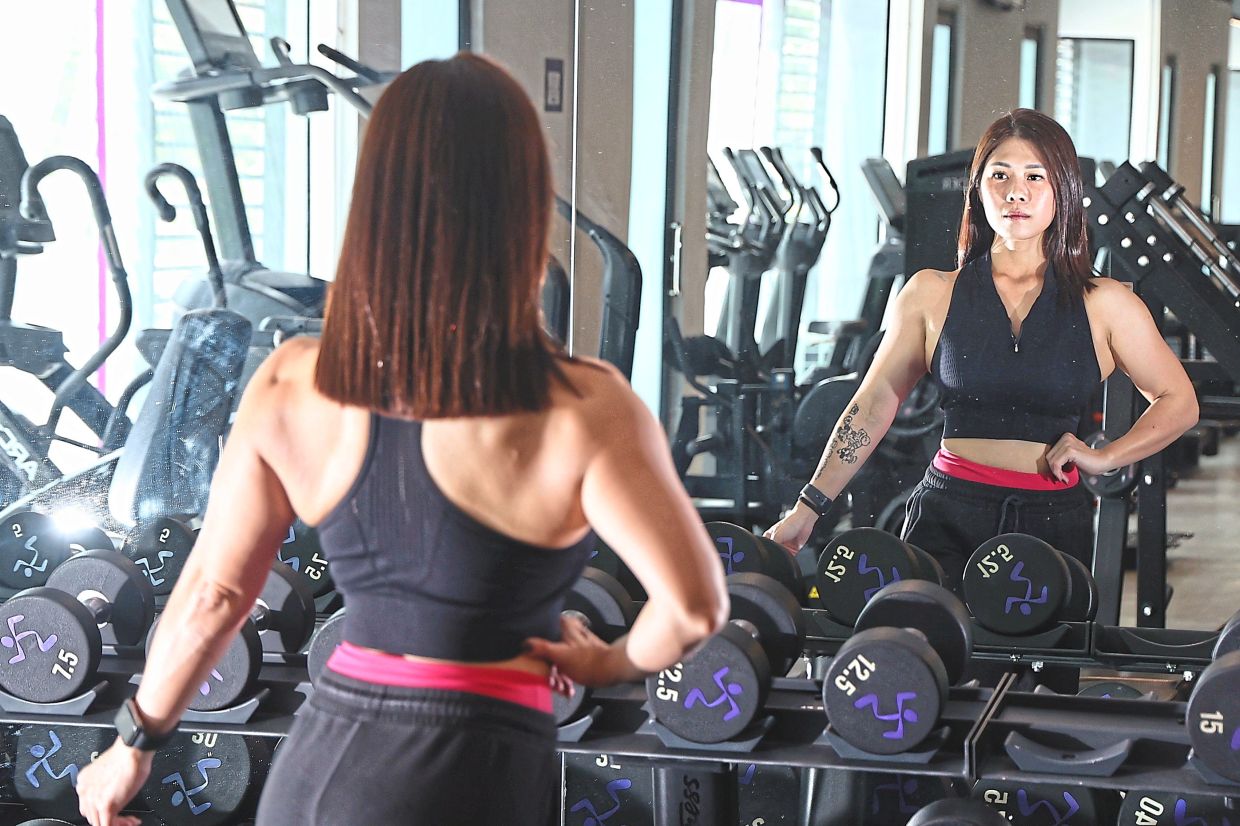
Yew grew up with a void where a father and sister should have been.
As a teenager, she sought refuge in art, drawing manga characters to process the quiet turmoil of her childhood.
“Drawing helped calm me when I was younger.
“My mother was a photographer, so I was naturally drawn to the arts, but I lacked the family support system to pursue it fully,” she said.
Financial difficulties eventually forced her to drop out of her final semester of university, where she was studying education and psychology.
The true turning point, however, came at age 23 following a devastating breakup.
“I was very down and decided to exercise. I enjoyed it,” she recalled.
What started as a coping mechanism for depression revealed a latent physical talent.
A friend, seeing her dedication and her lack of funds, transferred a gym membership to her.
It was a small act of kindness that changed the trajectory of Yew’s life.
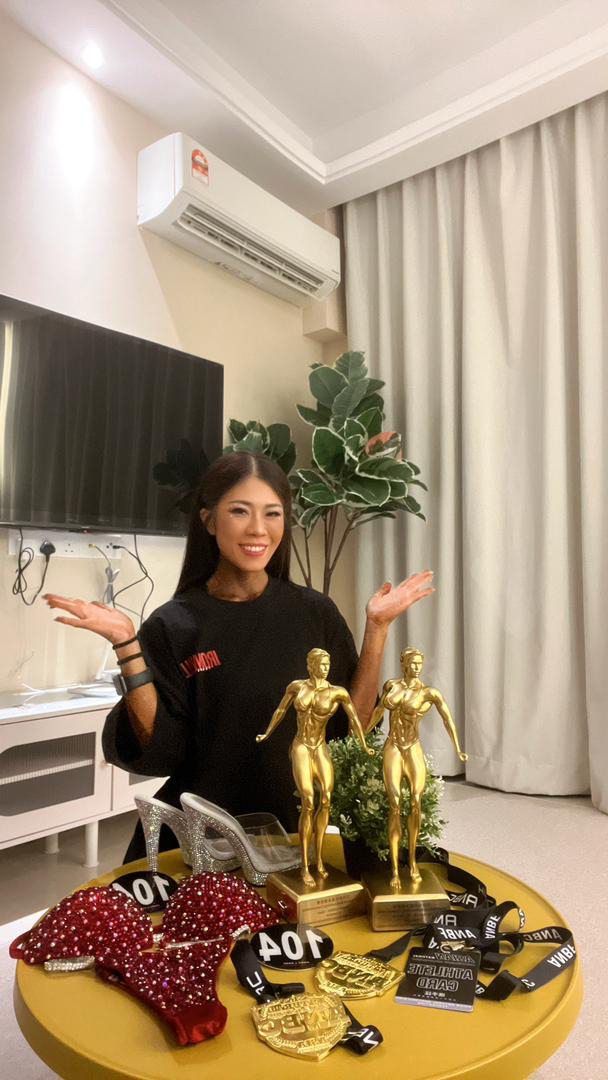
She began training with a singular focus, eventually being told she had the “physique of a bodybuilder.”
Last May, she stood on the stage of the Permaisuri Zarith Sofiah Opera House in Johor Baru and swept the Novice and Open categories at the Asian Natural Bodybuilding Competition.
Today, as a personal trainer living with her poodle, she teaches other women that health is the ultimate autonomy.
“Women must invest in their health.
“Many come to me not just to lose weight, but to gain the physical strength required to care for their families. The best investment a woman can make is in her own fitness.”
For Yew, the muscles she has built are more than just aesthetic – they are armour forged from the struggles of her past.
Barrier breaker
In the high-tech, male-dominated world of telecommunications, Suhasini Sundarasan, 45, stands as a head of department and a fierce advocate for workplace equity.
Her resilience was nurtured in the plantation sectors of Perak, where her father refused to acknowledge gender bias.
He taught Suhasini and her sister how to change car tyres the moment they received their driving licence.
She carried that confidence into her engineering studies at Universiti Teknologi Malaysia (UTM).
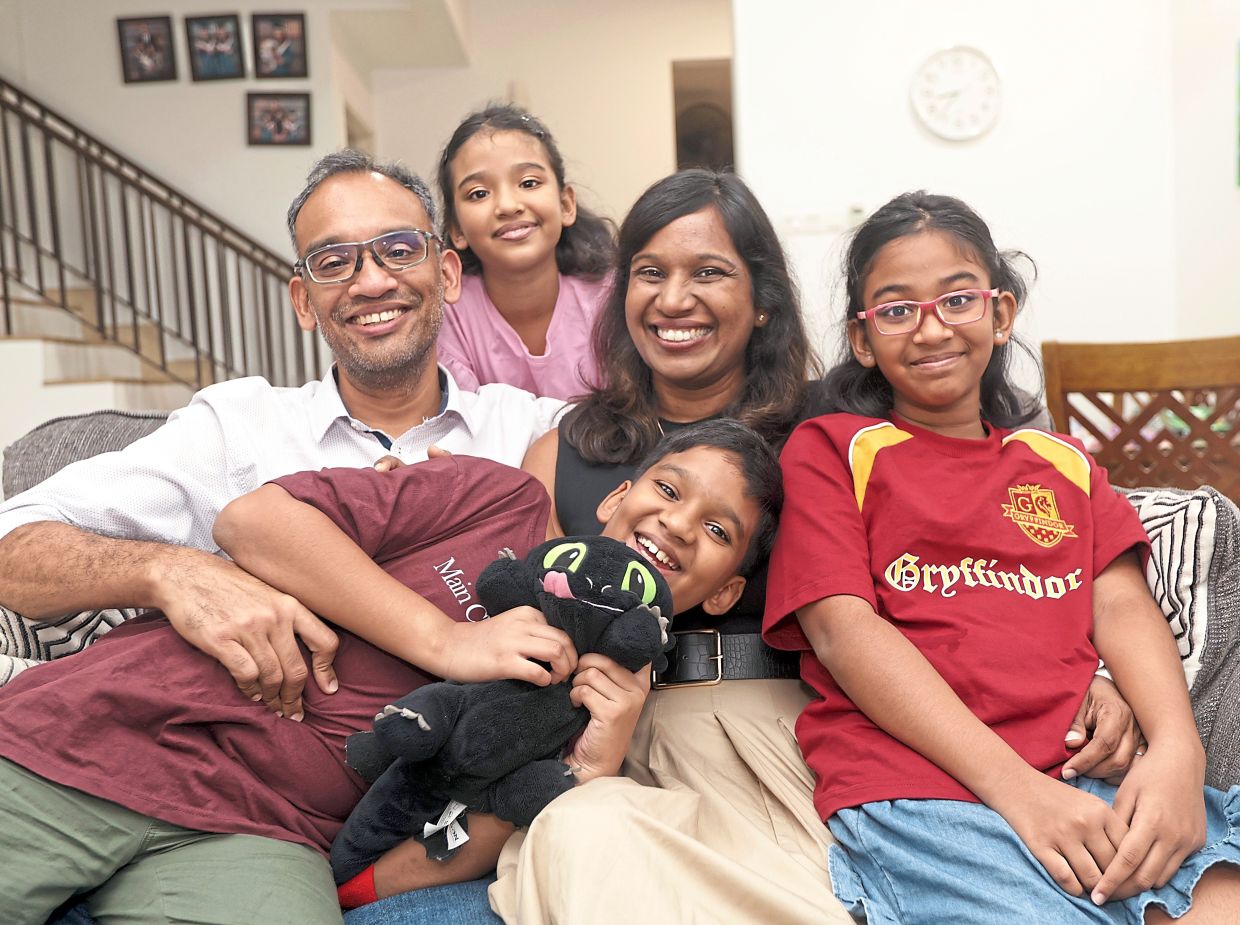
“When I entered the field, it was almost entirely male-dominated,” she recalled.
“But I never saw my gender as an obstacle. Women have strengths too – we often get things done with a softer, more collaborative approach.”
However, Suhasini encountered the “motherhood penalty” firsthand after taking a three-year career break to raise her twins and a third child while the family was stationed in Jakarta and Australia.
When she tried to re-enter the Malaysian workforce, she was met with scepticism.
“Employers were hesitant to hire mothers with young children,” she said.
She was frequently asked unfair questions about childcare arrangements and future pregnancies – questions rarely, if ever, posed to her male counterparts.
To reclaim her career, Suhasini took a strategic step: she stopped mentioning her children during job interviews.
The strategy worked. She was hired on her merits and has since climbed the ranks to lead in-building mobile coverage for a major infrastructure firm.
Today, she manages a high-powered career and a busy household with the support of her husband, Kumaran Sambanthan, who works in the finance sector.
They run their home like a project site, using whiteboards to coordinate schedules and shared responsibilities.
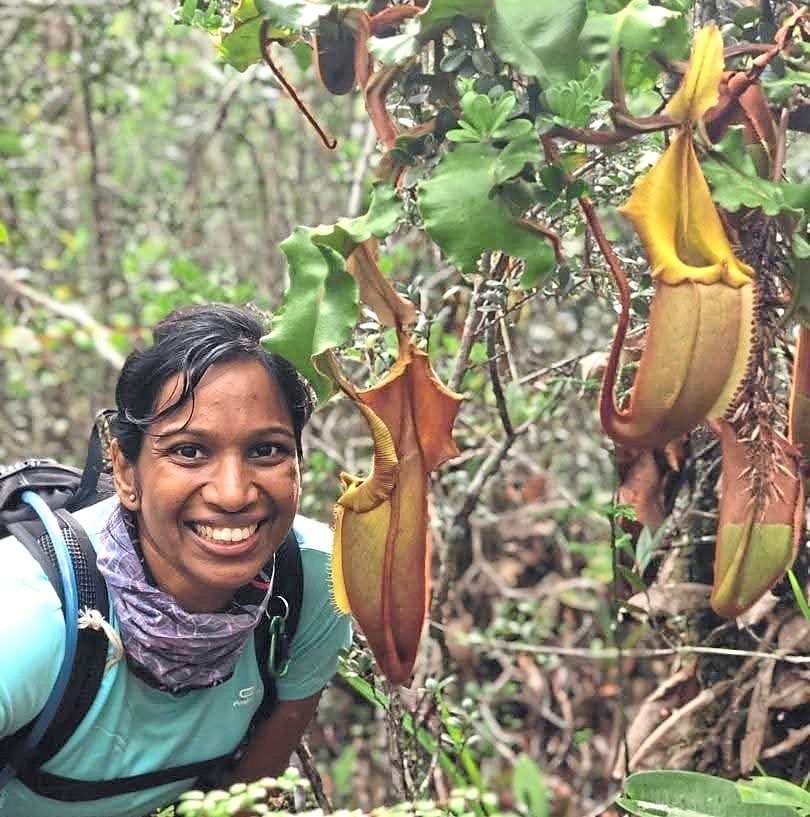
Outside of the office, Suhasini remains an avid hiker, conquering trails at Bukit Kutu and Gunung Angsi.
“While I am motivated in my career, maintaining strong family relationships is my true north,” she said.
Academic trailblazer
Growing up as the eldest of five daughters in Sibu, Sarawak, Dr Suhana Koting watched her father, a carpenter, build houses from the ground up.
Those early days spent observing the structural integrity of timber and the precision of a saw influenced her decision to become a civil engineer.
Despite coming from a low-income family, Suhana’s path was paved by academic excellence.
“My father was poor and I had little exposure growing up.”
But her talent for mathematics was undeniable.
Through a series of scholarships, she navigated her way through foundation studies, a degree, a master’s, and eventually a doctorate at Universiti Malaya.
Today, she is deputy dean at UM’s Faculty of Engineering.
In a field where 80% of her peers were once men, Suhana has seen the industry become more inclusive.
However, the demands of engineering remain gruelling.
She manages by fostering an egalitarian household where her sons cook and contribute.
“There are no gender roles in my house,” she said.
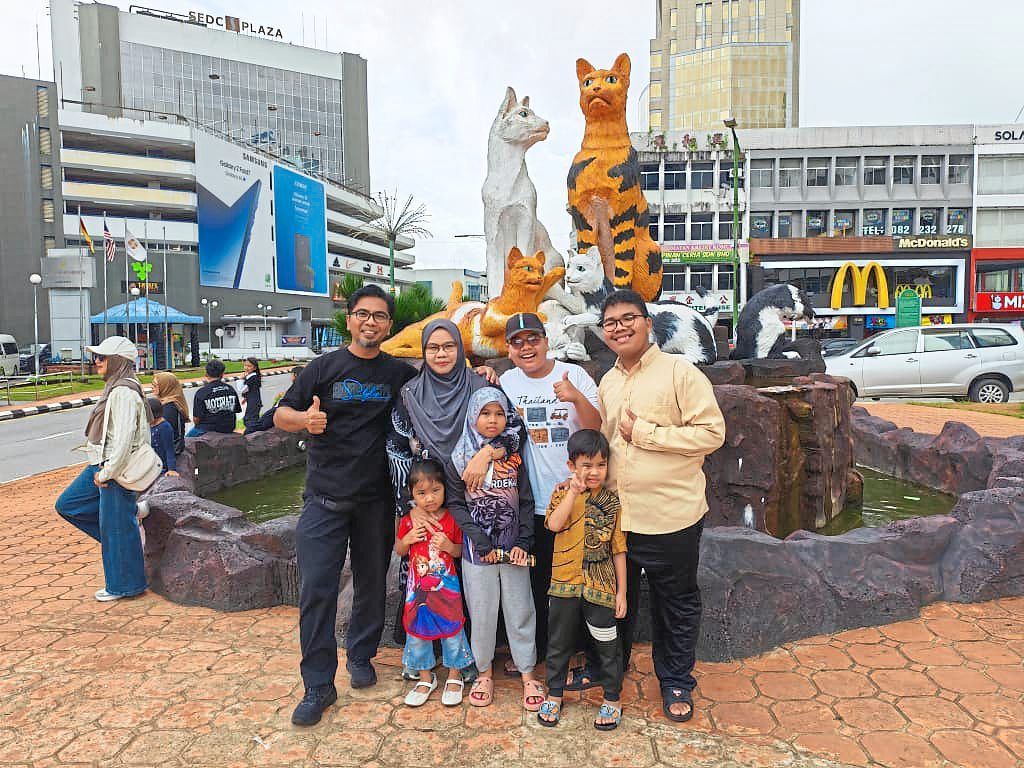
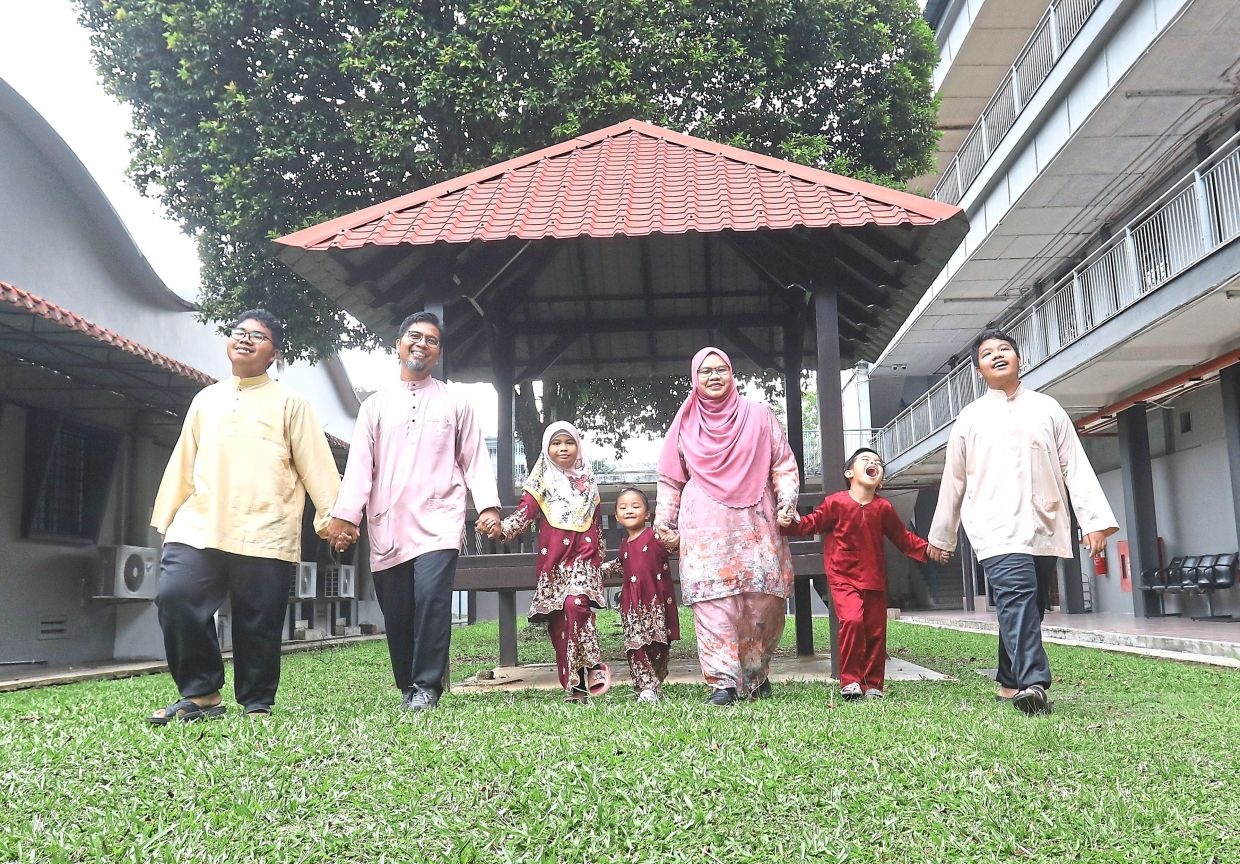
With her husband Mohd Khairul Anwar Abu, she focuses on raising independent children.
They made the conscious choice not to send their children to boarding school, preferring to guide them through their formative teenage years at home.
“We focus on small, incremental improvements. We want them to be prepared for the world,” she said.
Despite having raised five children and reached the heights of academia, Suhana isn’t done with her pursuit.
She continues to look forward, aiming to deepen her expertise in transportation engineering.