Experts fear transport emissions may outweigh benefits from collecting minimal recyclables
Selangor Recycling (SELKitar) programme is facing calls for greater transparency following claims that its current collection rates may be significantly lower than expected.
Environment and waste-management specialist Dr Theng Lee Chong suggested that based on reported figures, participating households might each be contributing only about one gramme of recyclables per day.
ALSO READ: Teachers leading green revolution at their schools
Theng said the situation highlighted how decision-makers at state or federal level could be presented with data that did not reflect reality on the ground.
While the state government celebrated SELKitar’s reach, noting 410,000 participating households and 77,022kg (77 tonnes) of recyclables collected from May to October last year, Theng argued that the impact per household remained marginal.

“If recycling continues at the same rate for another six months, it will double to 154 tonnes per year.
“A simple calculation shows 154 tonnes per year from 410,000 households means each household contributes only about 375g of recyclables per year.
“That works out to approximately 1g per household per day,” he said.
Theng urged the authorities to ensure initiatives did not inadvertently lead to “greenwashing”.
Greenwashing means spreading misleading publicity by an organisation with the aim of presenting an eco-friendly image.
He questioned whether deploying lorries to 410,000 households across Selangor was justified by the actual volume of waste recovered.
He added that unless electric vehicles were used, carbon emissions from collection could outweigh the environmental benefits.
“There must be better ways to use the same budget to achieve more meaningful outcomes,” Theng said of the programme, which is a collaboration between Selangor Climate Adaptation Centre (SCAC), KDEB Waste Management Sdn Bhd (KDEBWM) and Nestle Malaysia Sdn Bhd.
He said based on statistics, total waste generated in Selangor was about 10,000 tonnes per day, or roughly 3.65 million tonnes per year.
Rising rate
In response, Selangor public health and environment committee chairman Jamaliah Jamaluddin told StarMetro that the programme, which began in May last year in areas under Subang Jaya City Council and Sepang Municipal Council before expanding statewide, had indeed shown positive growth.
She said Selangor’s recycling rate rose from 10.21% in the first quarter of 2025 to 16% by the end of the year, exceeding the state’s 15% target.
“SELKitar aims to encourage recycling practices and instil a culture of waste separation at household level.
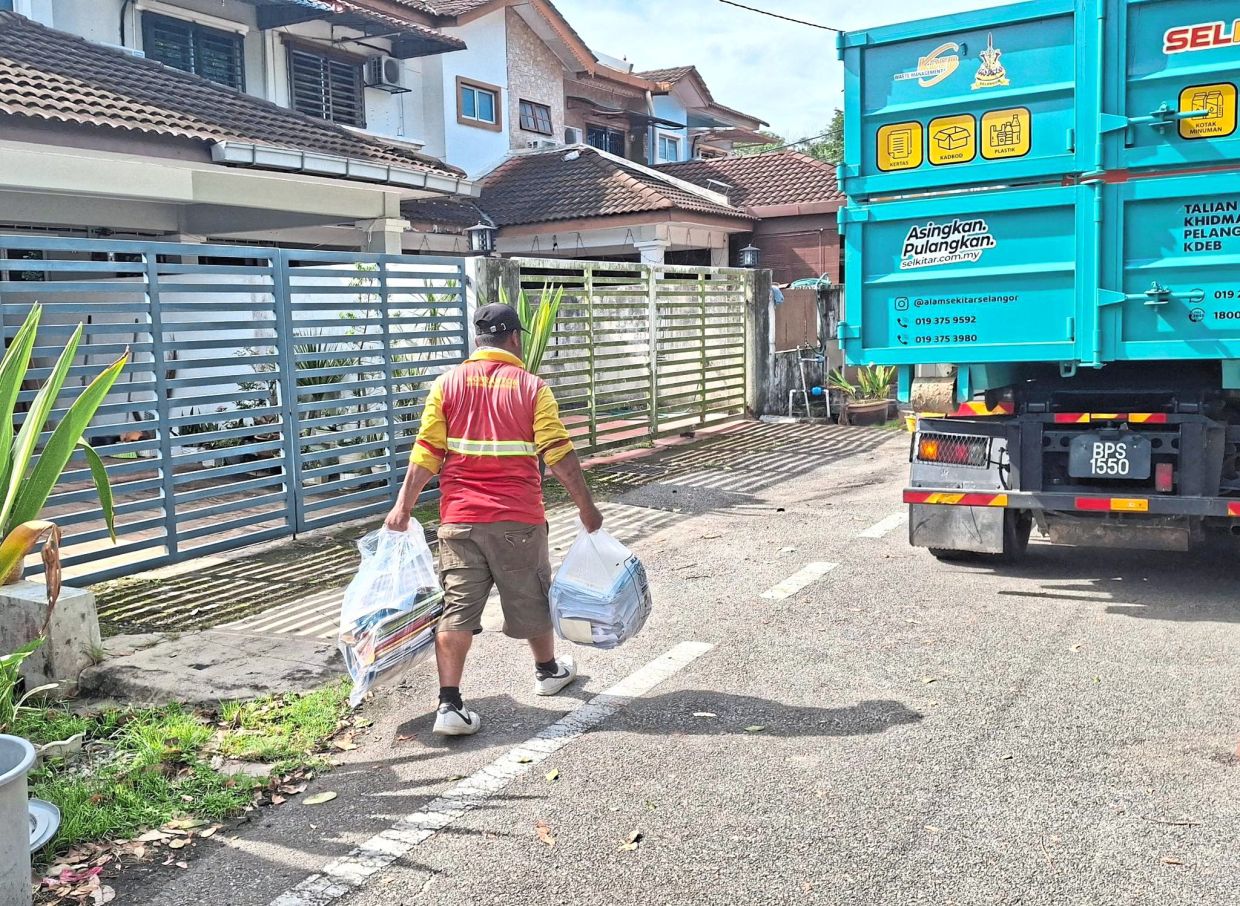
“To date, 166 tonnes of recyclable materials have been collected, involving more than 200,000 households across the state.”
Jamaliah added that the rise in participation and collection volumes in participating local authority areas reflected growing public awareness and engagement.
“For example, under Kuala Langat Municipal Council, collection increased from 1,050kg in its first month of implementation in October 2025 to 14,401kg in November and 17,915kg in December, in line with expanded coverage and higher household participation.
“Selangor is also actively carrying out e-waste collection, with more than 27.2 tonnes successfully collected by end-2025.”

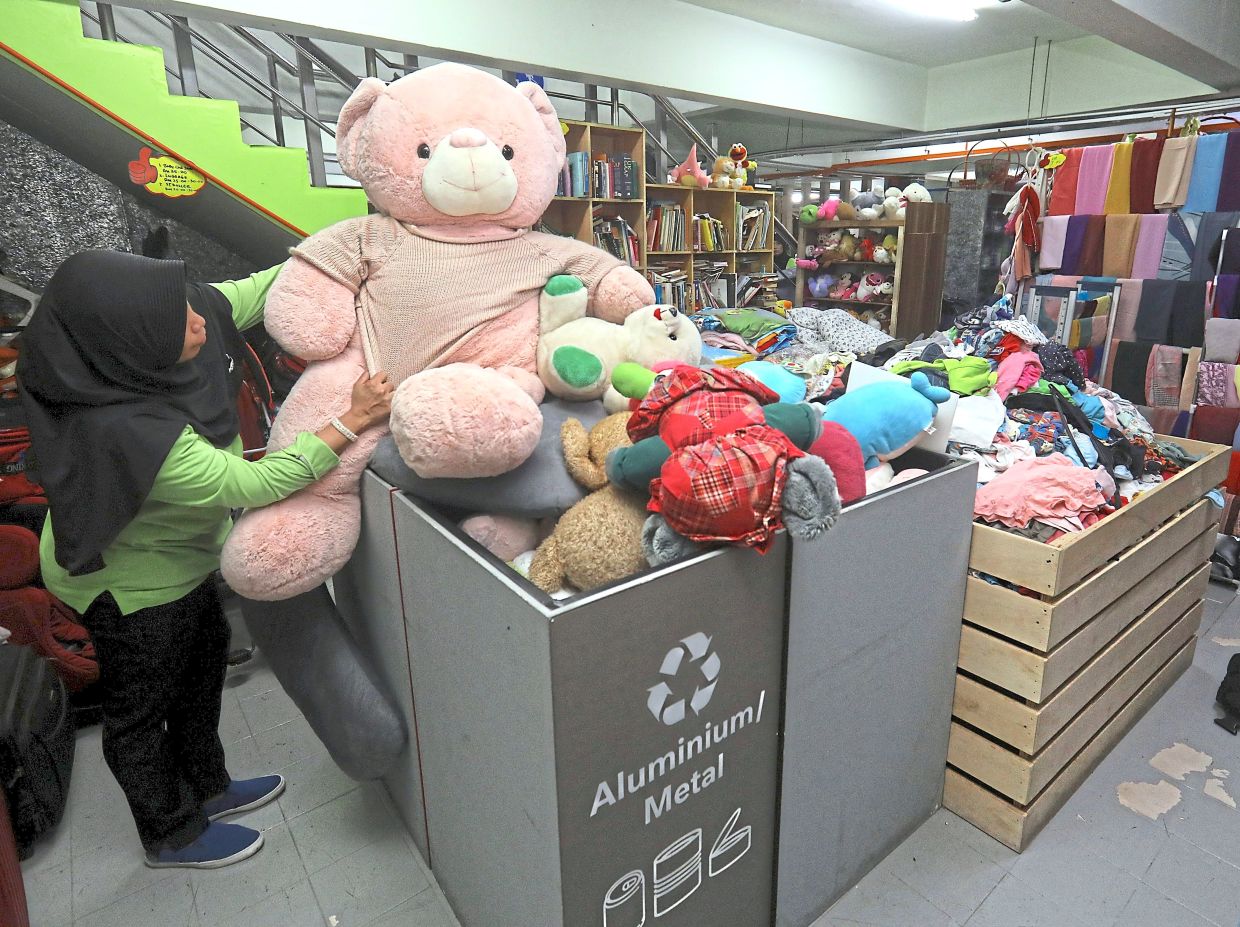
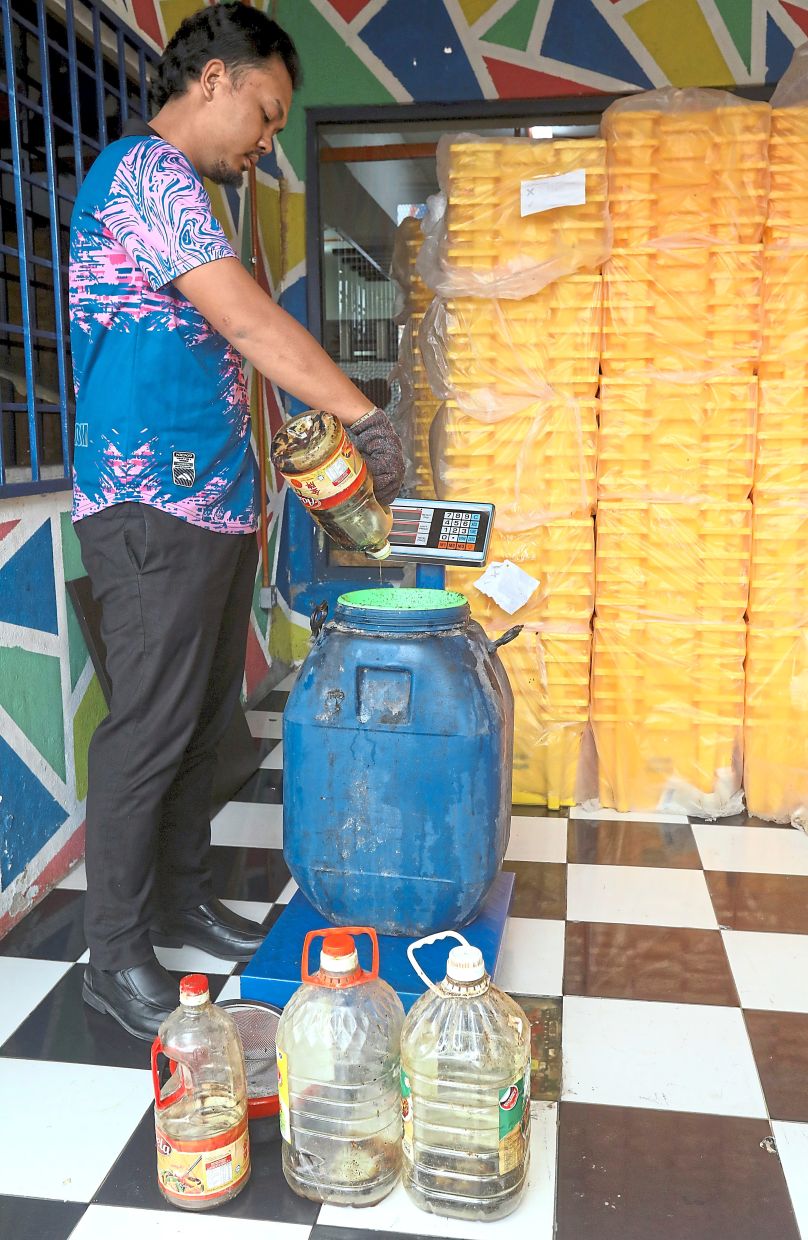
At the same time, Jamaliah said, local authorities had implemented other recycling initiatives including I-Cycle recycling bins, PJ Eco Recycling Plaza in SS8, Smart PJ Waste Solution Lab in SS2, Jom Kitar kiosks, used cooking oil collection and Klang Recycling Centre with its “drop-in waste” concept.
She said these efforts would be expanded through integration with SELKitar to facilitate safe and ethical disposal.
“Despite ongoing challenges from increasing daily waste generation, Selangor will continue to improve policies, expand programme coverage and strengthen public education.
“With the support of all stakeholders, Selangor is confident it can move towards becoming a low-waste state with a cleaner and more sustainable environment in the long term,” Jamaliah said.
Expert opinion
However, environmental advocates suggest the focus should shift toward systemic change.
Universiti Malaya (UM) Institute of Advanced Studies Honorary Prof Dr Sumiani Yusoff, while supporting SELKitar, said the programme should be promoted and enhanced in all aspects, especially in terms of coverage and implementation strategies.
She said recycling had numerous benefits, particularly in protecting the environment through resource conservation, avoiding and minimising pollution, as well as saving energy and creating green jobs and social benefits.
“I have advocated recycling for many years and have implemented the UM Zero Waste Campaign (UM ZWC) since 2010.

“Through the programme, we have reduced campus waste going to landfills, which are associated with environmental problems and pollution.
“The economic benefits include savings in waste disposal costs, landfill tipping fees, energy use for transporting waste, air emissions from vehicles and avoidance of methane gas produced by non-separated landfilled waste, which can contribute significantly to global warming, leachate pollution causing surface and groundwater contamination, and land degradation.”
Prof Sumiani added that recycling also promoted the circular economy by converting segregated, source-separated waste into recycled materials, as well as turning waste into resources through composting of separated organic waste.
She suggested introducing incentives alongside improved enforcement.
“The carrot-and-stick method, where enforcement and rewards go hand in hand, is necessary for programmes to be sustainable,” she said.
Greenpeace Malaysia zero-waste campaigner Dun Xin Weng said small-scale collection drives was no match for corporations with large plastic footprints.
“Recycling rates will never catch up with the volume of plastics entering the market every day, because not all plastic can be recycled,” she said, calling for binding targets to reduce single-use packaging at source.
She suggested holding corporations accountable for continuous increase of plastic production.
Zero Waste Malaysia education programme manager Irene Chooi agreed, adding that mandatory extended producer responsibility (EPR) rules should be the focus in addressing waste, as seen in countries such as Taiwan and Japan.
She believed it would be more effective to curb waste at the consumer level.
She added that in countries like Japan, recycling-related legislation was strong and well enforced, making it more successful.
SELKitar, a door-to-door recyclable waste collection programme, was expanded to 11 of the state’s 12 local authorities by the end of last year.
The only area not included in the programme is Sabak Bernam.