EDUCATION has the power to transform a child’s future, especially for those from underprivileged families.
With this belief, the Eco World Students Aid Programme (SAP) benefits about 2,000 students annually, from primary to tertiary level.
Eco World Foundation (EWF) chairman Tan Sri Lee Lam Thye said the programme played an important role in supporting children from B40 families who often faced greater challenges in pursuing education.
“This programme is crucial because when families struggle financially, children often face more obstacles in school.
“The SAP acts as a bridge so they do not have to worry about the cost of education and can instead focus on their studies.”
“The foundation,” he said, “believes that early and consistent educational support is key to helping students succeed.”
They do not get cash aid but instead receive school uniforms, while the costs for school fees, meals and books are covered.
“All the expenses are paid to the supplier, school canteens and schools,” said Lee.
“The programme includes learning trips, home visits, dialogues with parents and career talks.
“This helps students feel confident and supported, which is just as important as financial aid.
“The learning trips are fun and students can gain experience and learn something.
“We have taken them to Kidzania Kuala Lumpur and Immersify Kuala Lumpur, among many places,” he said.
“The SAP begins at primary school level until tertiary education at local public universities.
“Students must demonstrate academic excellence throughout and we strive to support them along the way,” he added.
Students are identified in collaboration with Education Ministry, while the foundation also does its own assessments.
Lee shared that he had witnessed many proud moments among student beneficiaries.
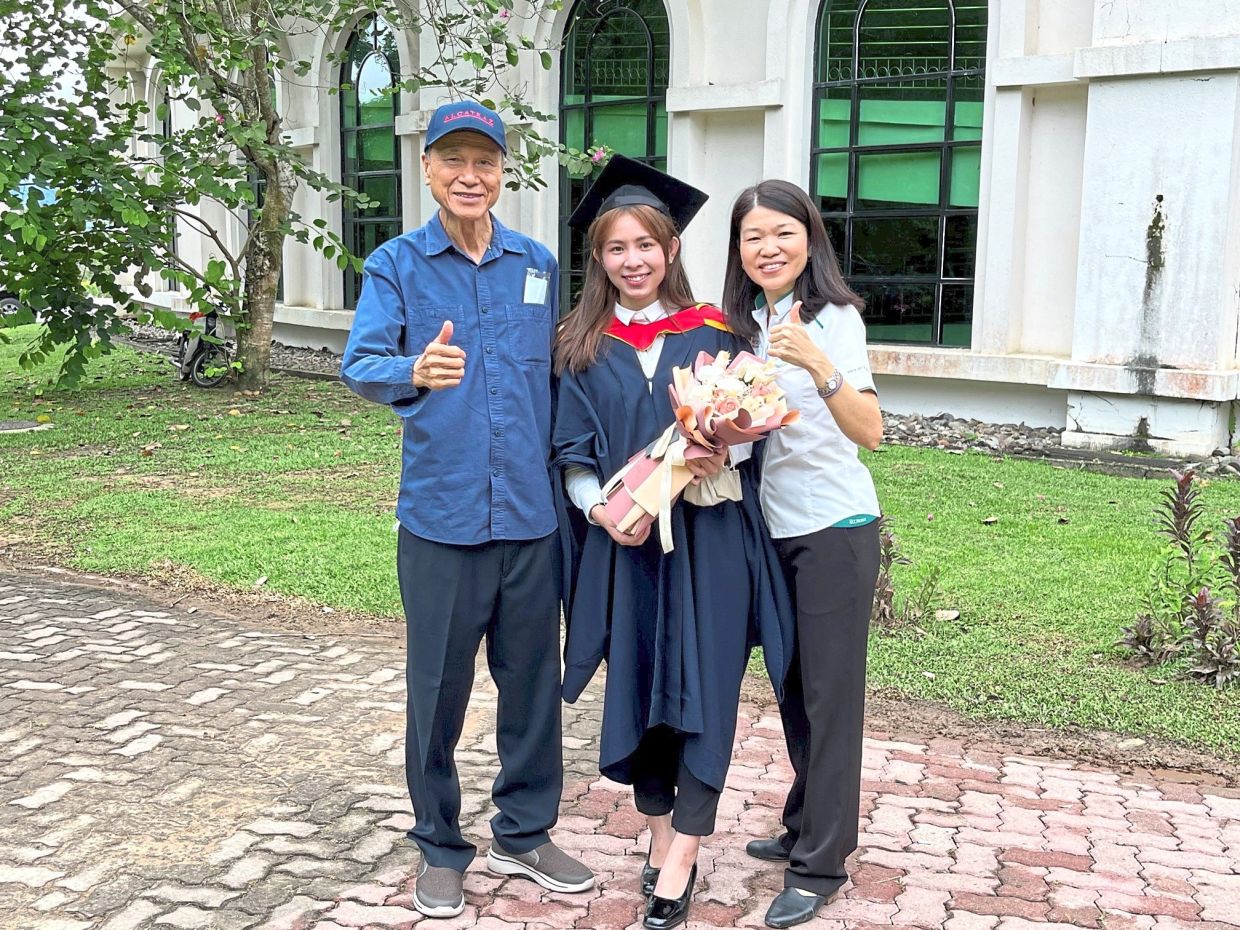
“I attended the graduation of a medical student from Universiti Malaysia Sabah, which was a very memorable experience.
“Representatives from the foundation have attended more than 80 convocations – meaningful occasions for both the students and the foundation.”
Many of the beneficiaries, he said, were raised by single parents, especially mothers.
“We are proud to have played a role in giving deserving students an opportunity to succeed.”
To ensure continued success, parents are also involved through regular engagement sessions, he elaborated.
“We hold dialogue sessions with parents every two years to communicate expectations and strengthen their commitment.
“During these sessions we invite former beneficiaries who have advanced to tertiary education, to share their stories.
“This serves to inspire both students and parents that poverty should not be a barrier to success,” Lee said.
Given its resources, the programme focuses on students in Perlis, Penang, Kuala Lumpur, Selangor and Johor – states where Eco World Development Group Bhd has projects.
The foundation also organises career talks to help students plan their future paths.
“We conduct four-day, three-night career programmes that include seminars, training by professors and sharing sessions by former beneficiaries who are now undergraduates or working professionals,” Lee highlighted.
“Students also visit universities such as Universiti Malaya, Universiti Kebangsaan Malaysia and Universiti Putra Malaysia where they receive briefings and gain valuable exposure to university life.”
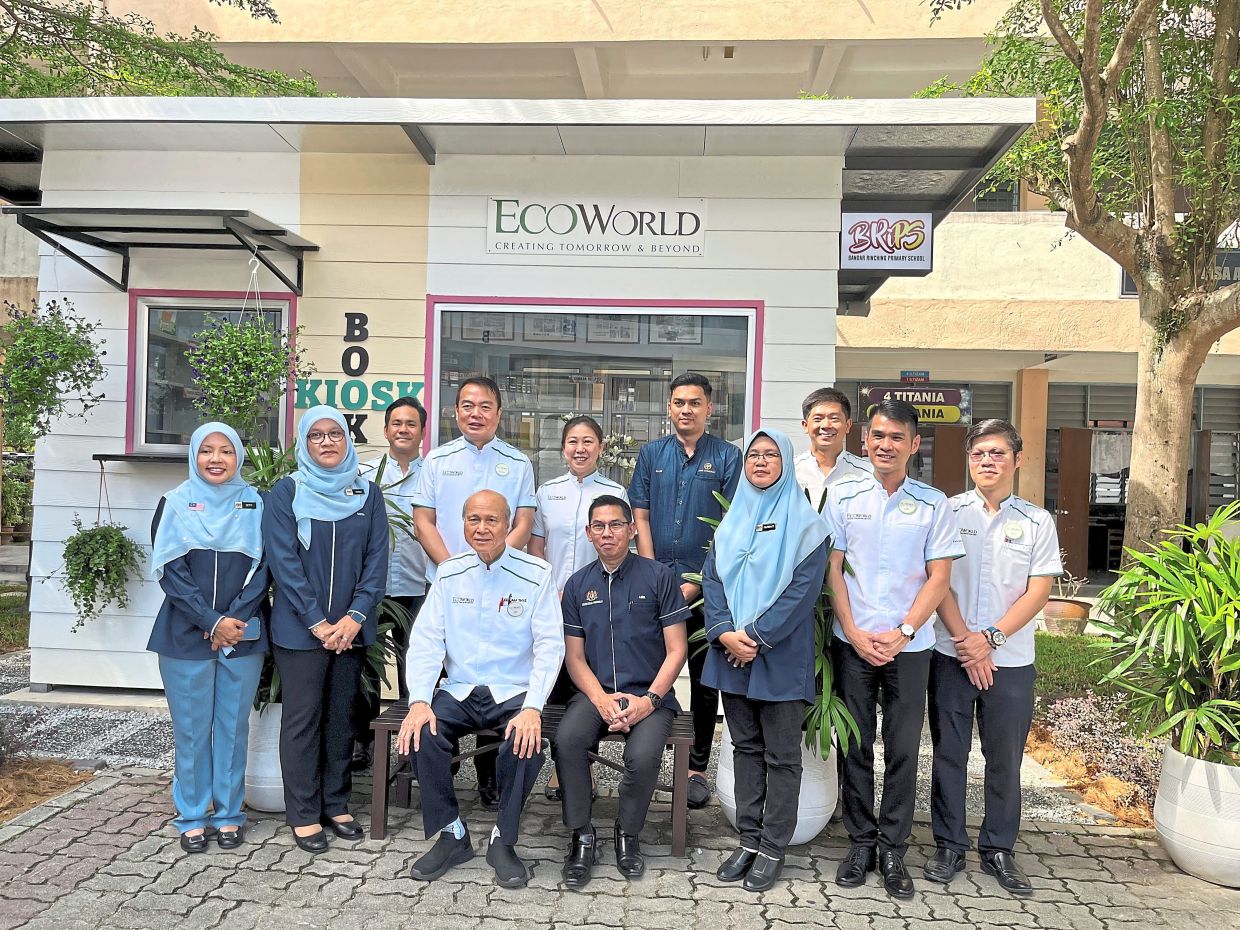
Beyond direct student support, the foundation also contributes to schools through book kiosks, mini libraries, covered walkways and thousands of new tables and chairs.
In the healthcare sector, assistance is also extended via donations of dialysis machines worth up to RM660,000 to non-governmental organisations.
“Among the items we have donated are 13 dialysis machines,” said Lee.
Having grown up in a poor family himself, Lee believes education is the great equaliser that can open doors for all and strengthen unity among Malaysians.
“This foundation provides aid fairly to students of all races and schools – including national, Chinese and Tamil schools.
“It stands as an example of unity in action,” he said.