
“Kids have it so easy these days” is a phrase often muttered by one generation to the next – from Boomers to Gen X, from Gen X to Millennials, from Millennials to Gen Z, and even from Gen Z to Gen Alpha and Gen Beta, the youngest of us all.
Each generation can’t be faulted for thinking that the generations after them enjoy more conveniences in life. Perhaps not in all aspects, but decades of advancements have translated to easier access to certain things.
Retrieving information requires just a few presses on a digital keyboard (or even simply using voice command), buying anything from groceries to clothes to something as random as a nail clipper can be done on a smartphone via a multitude of apps.
Even hitchhiking has gone the way of the dodo thanks to ride-sharing services.
For travellers, the ever-evolving tourism landscape means that with each passing decade, it gets easier to travel anywhere.
While the leap may not be as dramatic as the change from travelling for days in horse-drawn carriages to mere hours on bullet trains (this progression did take centuries), there have been year-by-year improvements that can’t be taken for granted.
“Travel today is much more practical and convenient,” says Chew Liyar, 43. She appreciates that cashless payments are seamless and “public transport connectivity is so much better”.
She adds that modern navigation tools also take the stress out of getting around. “Planning meant relying on guidebooks and maps rather than real-time updates,” she says of her travels back in the day.

Premanand Nanu, 57, shares the same view, adding phone calls to the mix of necessities when making travel arrangements.
“There was no Waze back then, just good old paper maps,” he says. The lack of such apps was why he once got lost in Manchester, England on his first trip to the city.
While there was a “certain charm and adventure in travelling that way”, Premanand says, he prefers the convenience and flexibility offered by today’s technology.
Chew, too, thinks that getting lost was a staple of past travels, but not necessarily a bad experience.
“Travel back then had a wonderful sense of adventure,” Chew muses. “There was more room for unplanned discoveries, a slower and more immersive pace, genuine face-to-face connections, and far less pressure from social media.”
Born to globe-trot
With over four decades of travel experience to her name, Chew has certainly noticed the way the tourism landscape has evolved through the years.
“I started travelling when I was just a baby,” says Chew. As her mother is Taiwanese, her family often spent their year-end holidays in Taiwan, up until Chew was around 18 years old.
“My parents also took me and my brothers to Japan, South Korea, Hong Kong and Thailand, which gave me early exposure to different cultures and made me comfortable adapting to new environments,” she adds.
The “Alam dan Manusia” (Nature and Humanity) classes during her primary school days also piqued her interest to explore new places, curious about the way people lived in other parts of the world.
Later, during her seven-year study and work stint in Britain, she seized the opportunity to travel around Europe.
“In my 20s, Europe was essentially my travel playground,” she says. “Budget airlines and intercity trains made getaways really affordable, and I had the freedom to be spontaneous.”
Chew shares that she was able to travel during Easter, Christmas and long weekends with friends “... without too much planning or expense”.
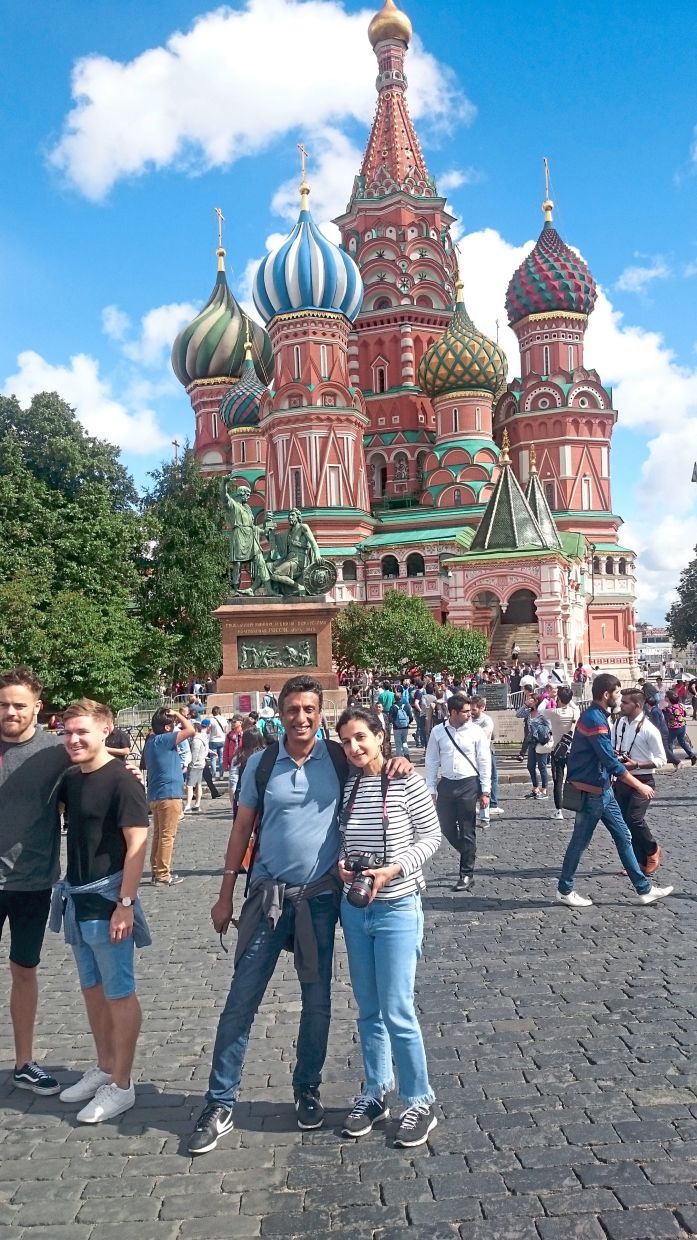
For Premanand, he was eight years old when he went on his first trip to Kerala, India in 1977. As that was also his first time travelling from his hometown, Segamat in Johor, to Kuala Lumpur – and his first time taking a plane to boot – it was a “mind-blowing” experience overall for his young self.
“I was fascinated by everything,” he marvels. This included the taste of airline food, especially the “heavenly” dessert.
“From then on, I started associating travel with discovering new places, having new life experiences and, of course, amazing food. That feeling has stayed with me ever since,” he says.
Kelantan-born Shahrina Abdullah, 48, also started travelling during her primary school days. Her travels began with domestic explorations around Peninsular Malaysia.
Aged eight to 15, she and her family would make annual visits to KL to see her eldest sister and accompany her father to the Umno General Assembly in the city. She remembers taking the Penang ferry for the first time when she was 10, circa 1988.
“My first trip going abroad by plane was with my mum in 1994, when we went for umrah in Mecca,” Shahrina shares.
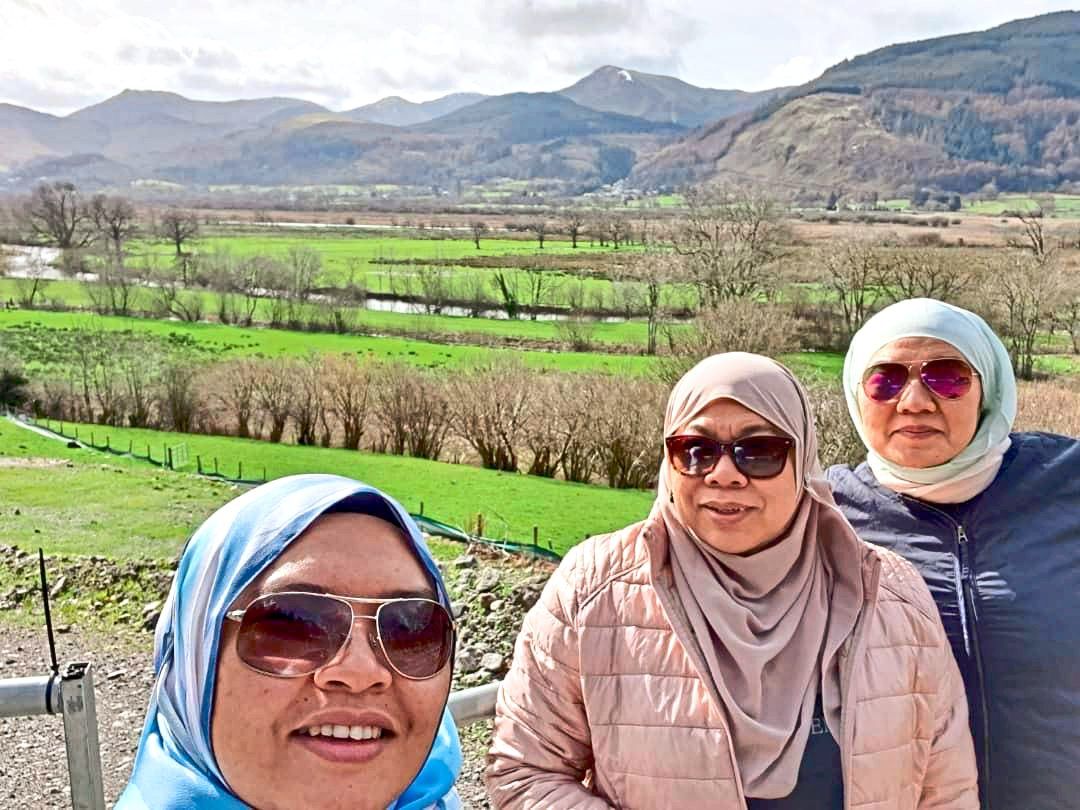
Her father, who was an avid traveller himself, was a big influence in fostering her wanderlust. “All his kids would be given the opportunity to travel locally and abroad to gain life experiences, be introduced to other cultures and explore new cities,” she elaborates.
After she started working in 2001, she began making two to three trips per year, for both business and leisure reasons.
Soon, her list expanded to include Asean countries like Indonesia, Vietnam and Thailand; Chinese destinations like Guangzhou, Taiwan and Hong Kong; and European cities like London and Paris.
The latter two marked her first trip to Europe, which she took with her husband. “We got to experience the two-hour Eurostar high-speed train that went under the sea between London and Paris,” she recalls.
From travelling with her family during her childhood, to doing so with friends in her young adulthood, to now going places with her family, Shahrina notices her travelling style and preferences have undergone changes over the years.
“Previously, I travelled to get the most experience out of a single trip,” she explains.
“The itinerary would be maximised with many activities like cultural stuff, hunts for cheap halal food, and stays in reasonably cheap but clean hotel.”
Now she prefers booking “higher quality” hotels, which must be located near the best attractions.
Her current trips involve more relaxing, sightseeing, experiencing what locals do and hunting for the best local food.
Premanand, too, opts for nicer hotels now. This was the one definite thing that has changed for him.
From then to now, he’s always enjoyed travelling with family or friends. Meanwhile, his choice of destinations, while they vary throughout the decades, have always been according to what he can afford at the time he’s planning his trip.
In his 20s, he initially travelled within Malaysia. Some of these were company outings and some were visits to his college friends’ hometowns.
“After going to Britain to study, the travelling bug was magnified,” says Premanand. He was studying in Newcastle when he joined an exchange programme called Bunac. This allowed him to spend his summers working, living and travelling in the United States.
“I did this in the summer of 1996,” he says. “I spent three months working in Ocean City Maryland, an amusement park.”
He then spent a month exploring the eastern and central parts of the US with his friends, mainly by using the Amtrax train service. It had a great deal for students, which proved advantageous as they were travelling on a tight budget.
From Washington DC to Niagara Falls and New York City, he and his friends have had to sleep a few times in their sleeping bags at train stations, bus stations and even airports due to delays. On better nights, they slept at youth hostels.
“Looking back, those challenges were part of what made the trip so special. Travelling with my best mates, figuring things out as we went along and exploring so many different places in a very short span of time made it an unforgettable adventure,” he says.
“Nowadays, I am fortunate enough to be in a better position financially that I can afford to travel and explore more exotic locations than I could when I was younger.”
However, his reasons for travelling remain the same: to discover new places and cultures, meet people and, of course, try different foods.
“The spicier the better,” he remarks.
Family matters
Chew says her travel map looks very different now that she’s a mother of two.
“Back then, travel was about independence, exploration and seeing as much as possible,” she notes. “Now, it’s more about connection, creating shared experiences with my children, and being more intentional with where we go.”
She and her husband keep their journeys shorter and more comfortable now for their two young kids’ sake. They spend time mostly around Asia and also Australia, where her brothers are based.
Like her fellow seasoned travellers, trips back in the day were more about adventures and stretching every dollar (alternatively, the British pound, euro or ringgit). She backpacked, booked the cheapest flights, stayed in budget accommodations and even did overnight stays at airports.
“Now, my priorities have completely changed. I’m no longer chasing the cheapest option if it means arriving exhausted or dragging the kids through a packed itinerary,” she says. Current trips focus more on family-friendly hotels and direct flights so the children will actually enjoy them.
Zainal Abidin Ibrahim, 62, says he similarly ensured that his family trips were enjoyable for his two sons during their childhood.
“As our two sons were avid swimmers, most of our travels were beach-related,” he explains. Krabi, Thailand; Lombok, Indonesia and the Maldives were some of their destinations.
Their international family trips were limited to once a year, but they tried to explore domestic destinations almost every school holiday.
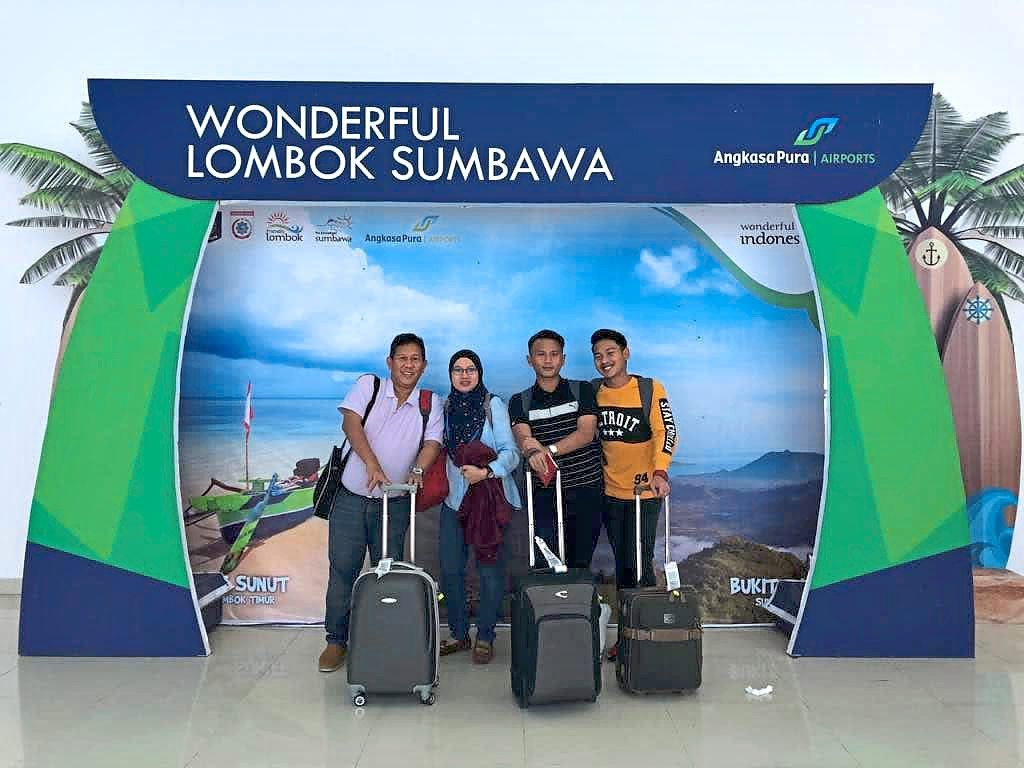
Zainal Abidin wanted his children to enjoy visiting new places, the same way he did when he started travelling in his 30s. He began exploring local destinations with his wife after getting married in 1994, and then travelling as a quartet after both sons were born.
“I also travelled internationally during my working days in a telecommunications company,” he says, naming Moscow (Russia), Istanbul (Turkiye), Amsterdam (the Netherlands) and Taiwan’s Taipei and Kaohsiung as some of the places he’d visited.
Now that his sons are young adults, they’re naturally doing more travelling on their own. This leaves him and his wife plenty of time to “jalan-jalan cari makan” (travel for food) by themselves around Malaysia.
From the years that he’s spent travelling, ZainalAbidin has become certain about one thing: Wherever you go, Malaysia is still the better place. As he puts it, “Hujan emas di negeri orang, hujan batu di negeri sendiri; baik lagi di negeri sendiri (no matter how good things are in another country, home is always better).”
Lessons from the road
Adaptability and self-reliance were what Chew has gained from her years of travel. She’s also learned that “kindness, curiosity, and respect go such a long way” when it comes to connecting with others, no matter where.
Meanwhile, Shahrina, who is always cautious and aware of her surroundings when on her travels, reminds younger travellers who may just be starting out to do the same. “Be more mindful when planning and travelling,” she shares.
This includes having a reliable credit card and a travel insurance in case of emergencies, spending within their means and respecting local culture and laws.
“Anytime, anywhere please do respect the rules or laws of the places you visit,” she cautions. The rise of oversharing on social media has led to some travellers ignoring these and causing disruptions just to get the perfect shot or view.
Social media is both a boon and a bane. It widens exposure and drives tourism growth, but these subsequently lead to overcrowding.
Chew sees this as a downside, too. “Many popular spots are now overcrowded, and it’s easy to get stuck on your phone or follow the same algorithm-driven itinerary as everyone else.
“Plus, there’s pressure to create perfect content instead of simply enjoying the trip,” she laments.
That said, Chew does appreciate the convenience that modern tools provide. “They make travel easier and more accessible. But I try to travel with the mindset of the past: Putting the phone away, wandering spontaneously and being fully present in the moment.”
Premanand agrees: “Take plenty of photos, but also put the phone away sometimes and simply enjoy being in the moment.”