It can be argued that Chinese Internet sensation Li Ziqi wouldn’t have reached the same level of fame she has today if it weren’t for social media.
Her first taste of “virality” came in 2016, through a video of her cooking Lanzhou beef noodles that was shared across Chinese blogging and video- sharing platforms like Weibo and Meipai.
Once she began posting on YouTube as well, it didn’t take long for her fame to spread beyond China. By January 2021, she had set the Guinness World Records title for “Most subscribers for a Chinese language channel on YouTube” with her then 14.1 million subscribers.
As of 2026, at the time of writing, she boasts 32.5 million subscribers on the American video-sharing platform.
Her content is simple; she creates dishes using traditional Chinese techniques, and she makes traditional art and handicrafts using bamboo and other raw materials. She rarely speaks, letting her actions and ambient sounds do the talking instead.
Videos like these have become a form of digital escapism for people, particularly urbanites, who seek refuge from real-world burnout.
Li’s viral fame as a rural lifestyle vlogger sparked interest in others – especially among her young Chinese viewers – to give rural living a chance.
In the past five years or so, more young adults across China have been making an “urban exodus”.
Many of them hope not only for a break from the corporate world but also to replicate Li’s success. They relocate to the countryside to try and build a social media presence similar to hers.
The influx of rural influencers, or “new farmers” as they’re referred to in China, has boosted the country’s rural economy and revived rural tourism. Marrying digital savvy with countryside charm proves to be an effective method.
When used for good, social media enhances accessibility to information, serving as a window to subjects or places that online viewers may be unfamiliar with.
In this case, viewers learn about rural living in China, piquing their interest to move or travel there. Either way, it benefits the local communities.
Social media also opens doors. Content creators, no matter where they are based, are able to reach a global audience on their platforms of choice.
At the very least, it helps bridge the gap between rural and urban. The former now has a means of reaching the latter, while the latter is made aware of the former.
This helps in empowerment as well as enrichment, through raising awareness or sharing knowledge on specific issues or subjects.
A modern take
Pison Jaujip, 42, is an example we can find right at home. Since June 2016, the Sabahan native from the Kota Belud district has been sharing his culinary skills on social media, under the name Ropuhan di Tanak Wagu (which translates to “kitchen of a young man”, from Kadazandusun).
He uses this modern approach to document and preserve traditional Kadazandusun recipes, worried that “future generations might never have the chance to learn these recipes”, he says, if he didn’t take the initiative.
Other than for posterity, Jaujip also shares recipes online in an effort to introduce Sabahan culture to a wider audience.
“Many people I meet overseas know about Mount Kinabalu, but very few know about our traditional dishes or the rich food heritage of our many Indigenous communities,” he says.
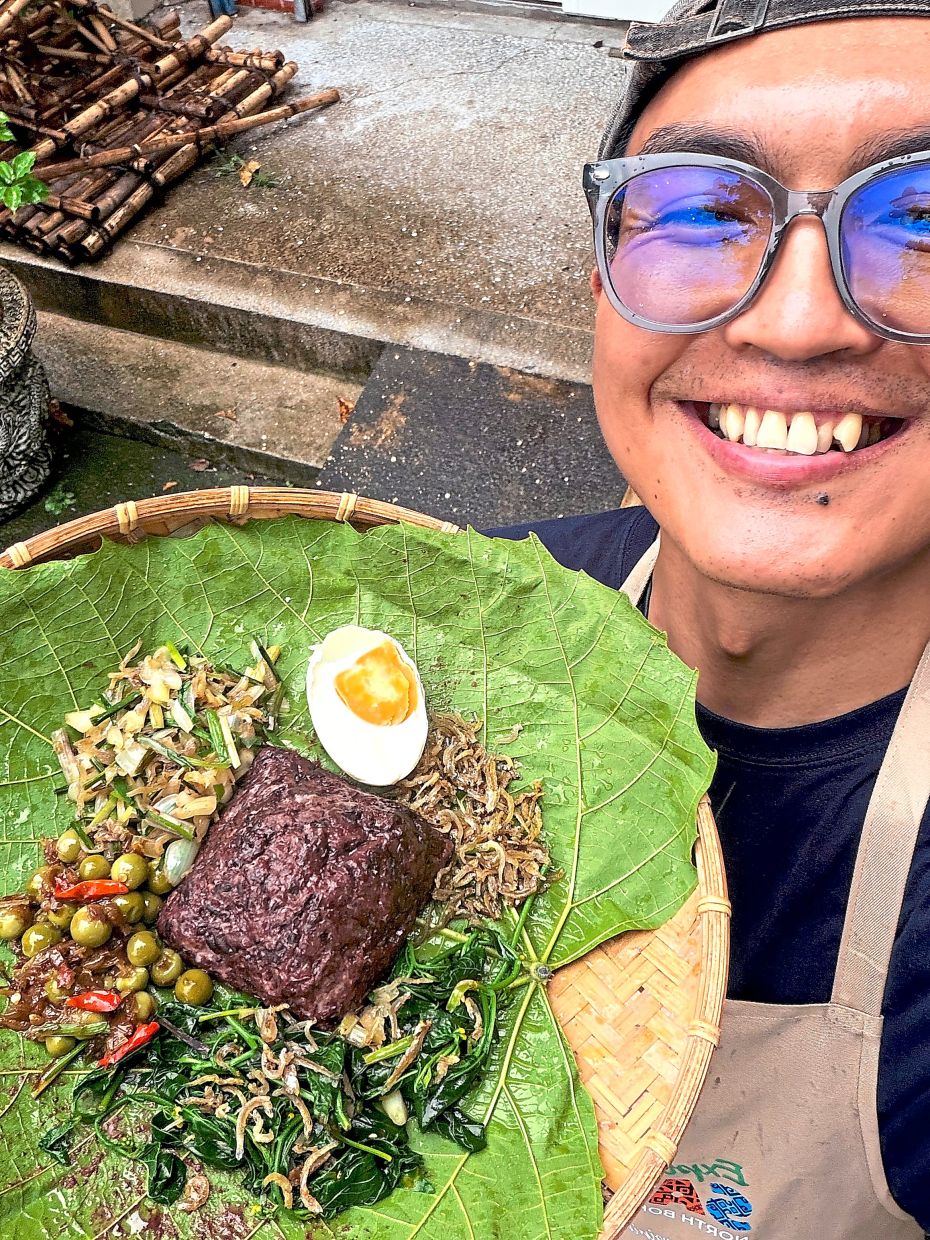
He hopes that by showcasing native food from Sabah, it can inspire more people to visit the state.
Sometimes, when Jaujip is gathering ingredients for his cooking, his viewers get a glimpse of the rural parts of Sabah.
“It’s always rewarding when people tell me they now want to visit Sabah because of what they’ve seen on my social media,” he adds.
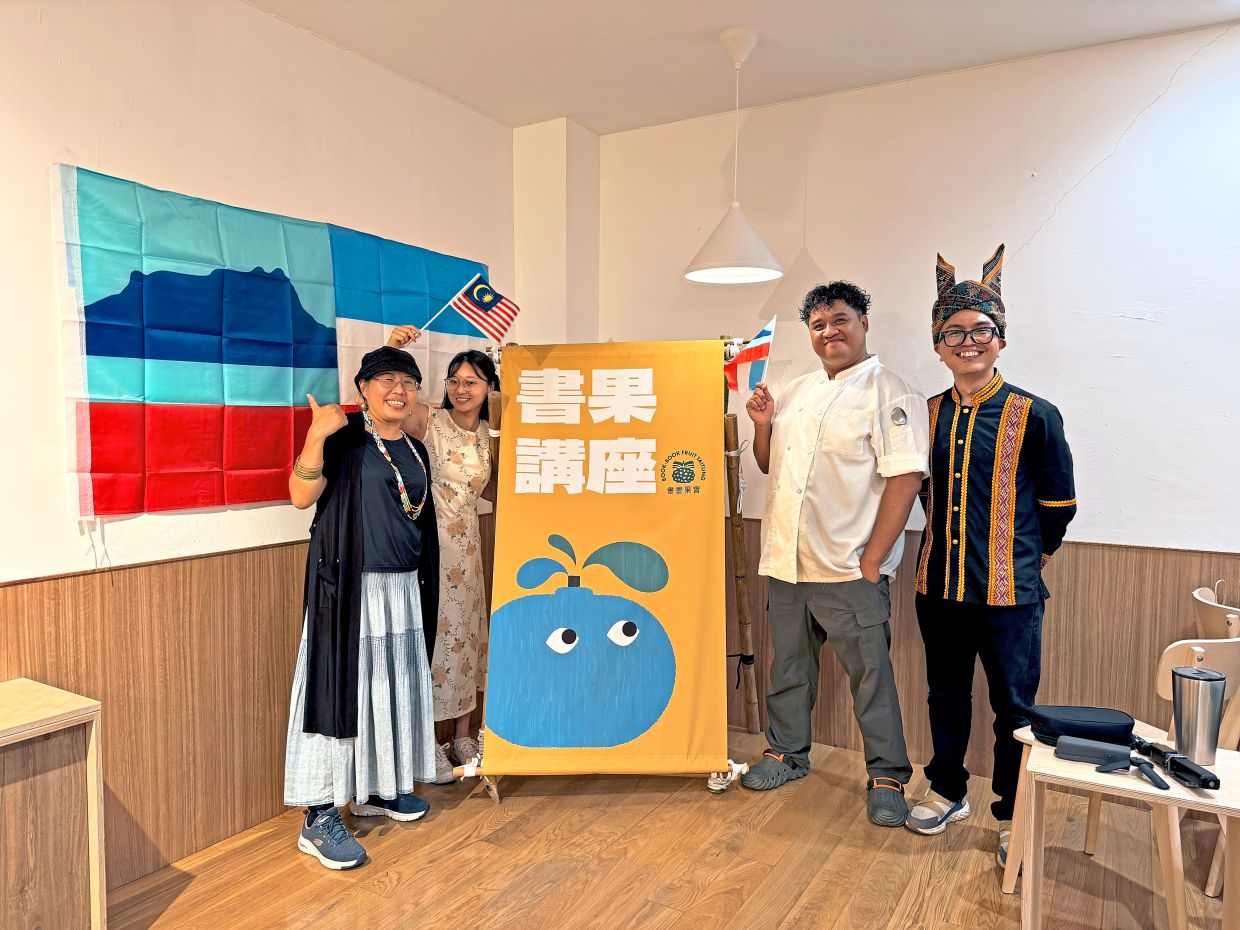
Jaujip most recently heard this while in Taiwan, where he spent almost two months doing a cultural and food residency with the Dipit Community in Fengbin, Hualien County.
He had been invited for the residency by Node Creative, a Taiwanese cultural and creative action group, whom he met during his participation in Sabah’s North Borneo Rainforest Festival.
“I approached Sabah Tourism to collaborate with me so I could also promote Sabah throughout my stay,” he shares.
This explains why he’s become an ambassador of sorts for Sabah, going so far as to show tourism videos to the locals in Taiwan at every opportunity.
Content creation in Malaysia’s rural parts, similar to Jaujip’s work, has been gaining traction in recent years. Other examples include Sharon Jamain, who introduces Sabahan flora and fauna to her huge online audience, and Jvy Waterproof, who documents his Mount Kinabalu-based porter job.
While not their express intention, their videos do in a way intrigue their viewers to see Sabah in person.
Meanwhile, Nuraishah Shamsuddin is a rural influencer from Perak whose content is closer to what Li and other new farmers are doing in China. She traded her graphic design career in Kuala Lumpur for a slower-paced life, and now runs a farm in her Teluk Intan hometown.
She shares her journey online, inspiring viewers to embrace a simpler, more sustainable lifestyle.
Bridging the gap
There are also the likes of independent groups and organisations like Small Towns Malaysia and Mandos in Malaysia. These two instances are not based in rural locations, but they do travel to such places and help boost rural tourism.
As the name indicates, the former showcases local small towns. Videographers Ash Raja and Jonathan Dexter often travel to remote or “forgotten” towns, reminding their viewers that these places can be interesting off-the-beat destinations.
Mandos in Malaysia, meanwhile, is spearheaded by Calvin Shoon and highlights hidden gems around the country. Some of these are “hidden” in the far-flung parts of the country.
The team definitely draws attention, as they do all this while dressed as the Mandalorian characters from the popular sci-fi franchise, Star Wars.
Another account with a similar concept – sans the costumes – is Kia Kia Places.
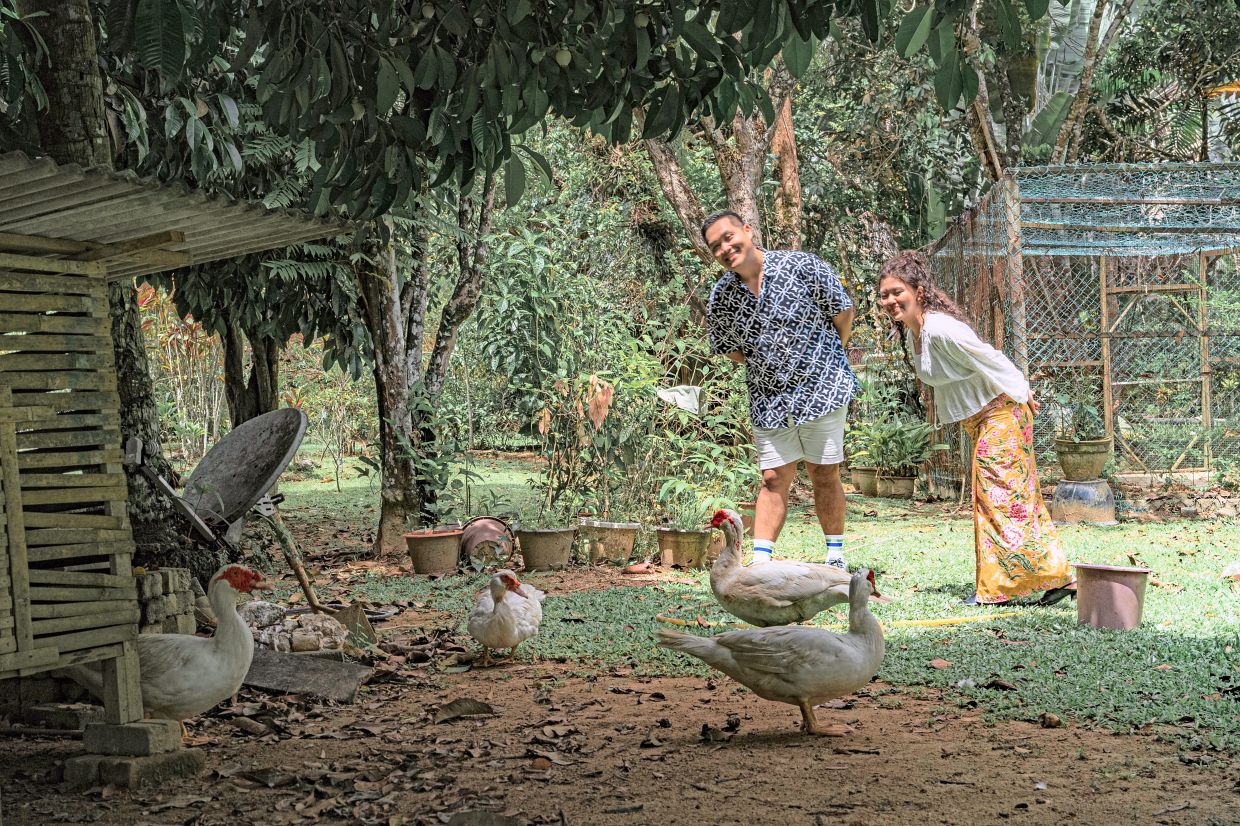
Run by Lau Eve Lyn (also known as Eve Lau) and John Kim Jun Onn, both 28, Kia Kia Places has a diverse selection of destinations, which include rural attractions.
While they both grew up in Kota Baru, Kelantan, they spent a big part of their childhood in the villages Kampung Sabak and Pasir Ara.
“When we were younger, we honestly did not really think much of it,” says Lau, speaking on behalf of Kim as well. “It felt a bit too quiet or even boring.”
But as they grew older, they started seeing things differently.
“Things that once felt very ordinary or ‘dated’ feel kind of special now,” she shares. “The slow pace, the food, the people, the culture. Now we realise how rare that actually is.”
Lau says that they are now, in a way, revisiting these places and seeing them through a different lens. They are noticing things that they may have missed before, such as the pasar (markets), and wau and batik workshops.
In the past two years that they have been creating such content, the couple was initially uncertain on whether viewers would enjoy their perspective on pasar visits, kopitiams and quieter towns. But they gradually realised there was a growing appreciation for these stories.
This has something to do with the post-pandemic shift of people becoming more open to the idea of slow travel and trying local experiences.
Lau hopes that their posts won’t just encourage visits to rural destinations, but will also help people reconnect with the stories about these places.
When it comes to finding destinations to highlight, Lau says that while the Internet is a helpful tool, nothing beats a local recommendation.
“We really like it when locals or friends share places from their hometown,” she adds.
Citing their A Local’s Guide To Sekinchan video as example, Lau explains that this came about thanks to a client of theirs named Lee Hoon who is, of course, from the titular town in Selangor. Lee had enthusiastically shared suggestions on places to eat and spots to visit around Sekinchan.
“Sometimes it is also just by chance,” Lau says. “Honestly, we’ve found that some of the most memorable places are never the ones you plan for or find online.”
Speaking of the “most memorable” place they’ve visited, Lau picks Bachok in Kelantan.
“We’ve always preferred the quieter beaches in Bachok. Pantai Melawi is one of our favourites,” she shares.
They once stayed there at a kampung-style Airbnb: a wooden house on stilts, painted turquoise green. Their morning started with a beautiful sunrise and the sound of lapping waves.
“There wasn’t really anything to do there, but perhaps that’s exactly what made it memorable,” she says.
For this year, the couple aims to visit the “happiest towns in 2026” as listed by the Housing and Local Government Ministry. They are curious to see for themselves and show others what makes these places “happy”.
Going global
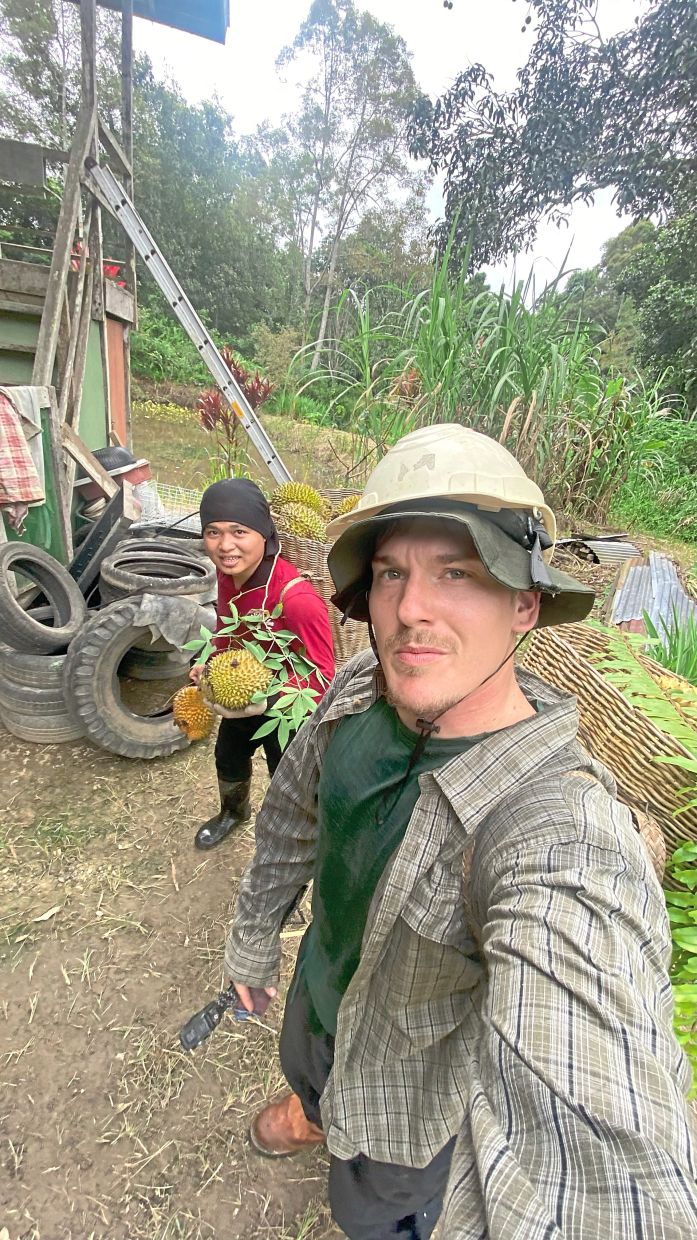
Sometimes he’s farming, sometimes he’s hiking in his “Adidas kampung”, sometimes he’s just having a fun “aramaiti!” time with the locals.
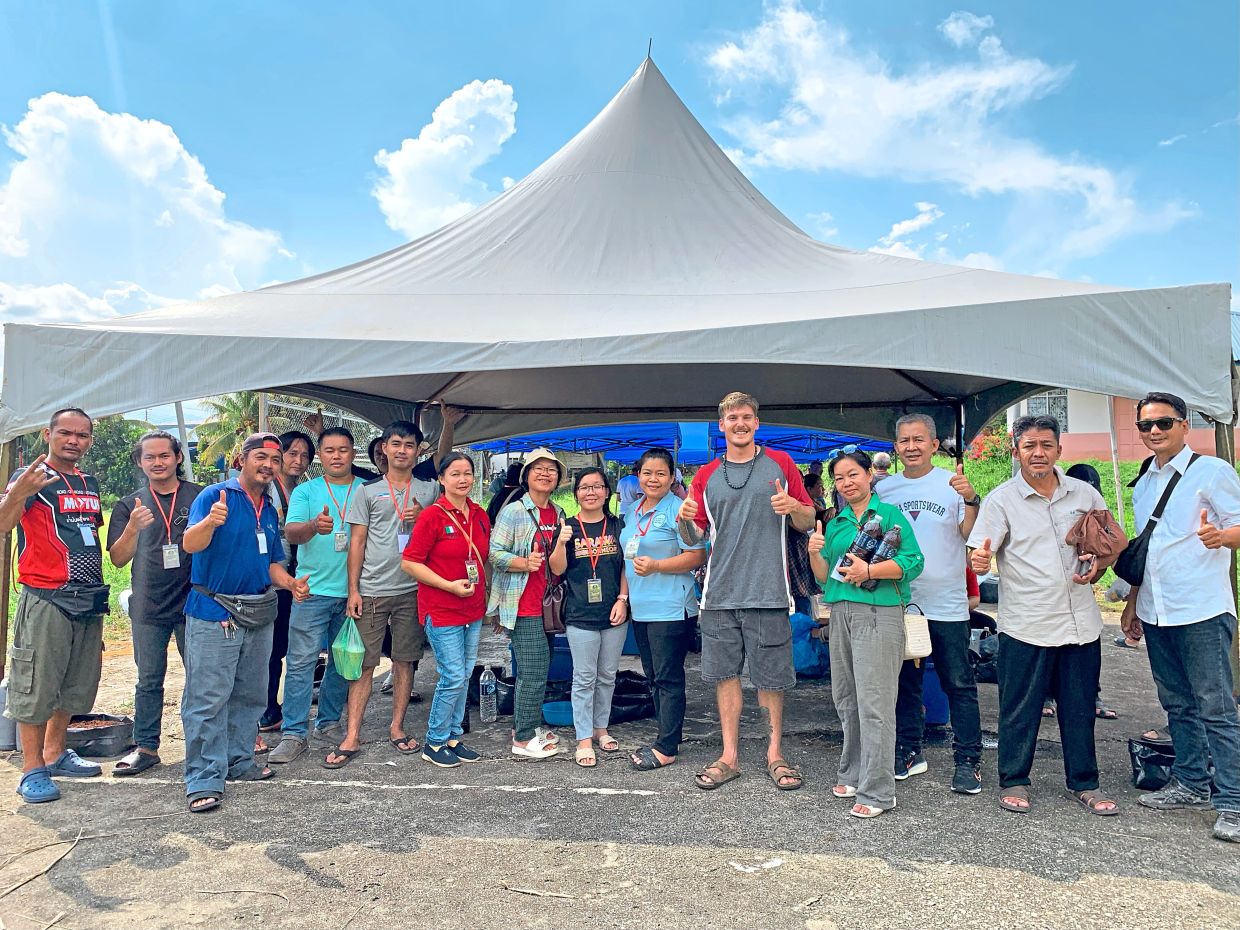
Olivier Mailhot, 28, more popularly known online as “Oli”, doesn’t just go state-to-state to do these – he goes country-to-country.
Hailing from Montreal, Canada, Oli has been travelling the globe for the past two years. He started in Europe, volunteering on farms in countries like Italy, Georgia and Turkiye.
“My goal is to have my own farm, so by learning in different climates and different cultures I get to really experience many techniques of agriculture, whether modern or traditional,” he says.
After three months, he headed to South-East Asia. Here, going by the social media handle “oliozzz”, he started making more content about his journey. It was in Cambodia that his videos started gaining more recognition.
Oli’s description of himself as a “farm explorer” is highly apropos.
He has been interested in farming and growing different plants since young, and even made his own garden at home and worked on farms in Canada when he was 18.
Now he explores new places and learns about farming through his travels.
Since August 2025, he has been living in Apin-Apin, an agricultural village in Keningau, Sabah.
“This came about when I made a video offering to go help farmers anywhere in Sabah,” he explains.
Inundated with invitations from Keningau, he decided to make the district his next stop.
He’s assimilated well with the locals, so much so that he has stayed put in the village for almost a year now, during which he’s also taken the opportunity to explore more of Sabah.
He recommends anyone interested in ecotourism to visit the state, which offers everything from verdant jungles and bountiful farms to cool highlands and sunny beaches.
One of the places he suggests is Kampung Kiau in Kota Belud.
He explains: “It’s a village in the highlands and you can really learn about the history of Dusun farmers and experience the life of coffee farming, right at the bottom of Mount Kinabalu with incredible views.”
Keningau is on the list, too, of course. He notes that it’s often overlooked but is steeped in history and a fruit paradise during the fruit season.
He plans to explore more of Malaysia as well. Last year, he experienced staying in an Iban long house during the harvest festival, Gawai Dayak.
“I’d love to go back to Sarawak and see more of the rural areas there,” he says.
Now, anyone who has watched Oli’s content would know that his catchphrase is “no tuhau, no power”.
Tuhau, a wild ginger native to Borneo, is an acquired taste. But this “urang putih tuhau eater” (roughly translates to tuhau-eating white man), as Oli describes himself, savours it in various forms, including pickled and sambal.
The earlier-mentioned Jaujip would be proud that a Canadian man is embracing kampung life and thoroughly enjoying the traditional foods of Sabah.
Tuhau might have even more fans in the future, once Jaujip’s long-term dream of opening a restaurant in Kota Belud comes to fruition.
He plans for it to be “a cultural food space” where visitors can experience authentic Sabahan native food.
He also wants visitors to “learn about the ingredients, the stories behind them, and the different Indigenous communities that have preserved these recipes for generations”.
Here’s to hoping that Jaujip’s ropuhan (kitchen) will one day transition from the digital realm into a real-world restaurant, drawing more visits to the interior regions of Malaysia.