
Since the boom of “destination dupes” (duplicates) circa 2023-2024, the travel trend continues to be popular among tourists seeking alternatives to hotspots.
The act of substituting one tourist destination with another is no new phenomenon, it has simply been given a more prevalent social media presence.
Destination dupes, travel alternatives, travel-twinning trend – whatever you want to caption it on your Instagram or TikTok, these terms refer to the concept of swapping one place for another.
Tourist hotspots are essentially getting replaced with destinations that have fewer visitors and higher affordability.
Most highly-visited destinations, such as the ones in Japan and Greece, have experienced overtourism in the years following the pandemic. This is largely caused by the “revenge travel” trend by those who want to make up for the years of staying indoors.
On the other side of this coin is the fact that post-pandemic, there are also tourists who have become more mindful of their spending and carbon footprint, now prioritising less-crowded places.
There is a surge of these types of tourists nowadays as overtourism continues to drive up prices, causing some places to become harder to navigate due to overcrowding.
For Malaysian tourists, whose outbound interests typically range from Tokyo, Japan to Paris, France, the idea of visiting these places is perhaps no longer as appealing.
Fortunately, you can still visit your favourite countries – be it for history, nature, culture or cuisine – without going to their tourist-swarmed places.
In no particular order, here’s a list of destinations you can consider “swapping” when you’re planning a visit to some of Malaysia’s most popular outbound travel destinations.
Takayama (Japan)
Japan is certainly at the top of the travel list for many Malaysians. Those who prefer an urban setting (and anime) naturally gravitate toward Tokyo or Osaka, while those who seek history and nature tend to go to Kyoto.
If you fall in the latter camp, you might have previously experienced just how crowded Kyoto can get, especially during cherry blossom or sakura season.
In that case, perhaps next time you’d want to make your way northward to Takayama. Located in the Gifu prefecture, Takayama is a mountain city monikered “Little Kyoto”.
The fastest way to reach it from Kyoto is by taking the Shinkansen or bullet train, with the journey taking about three hours.
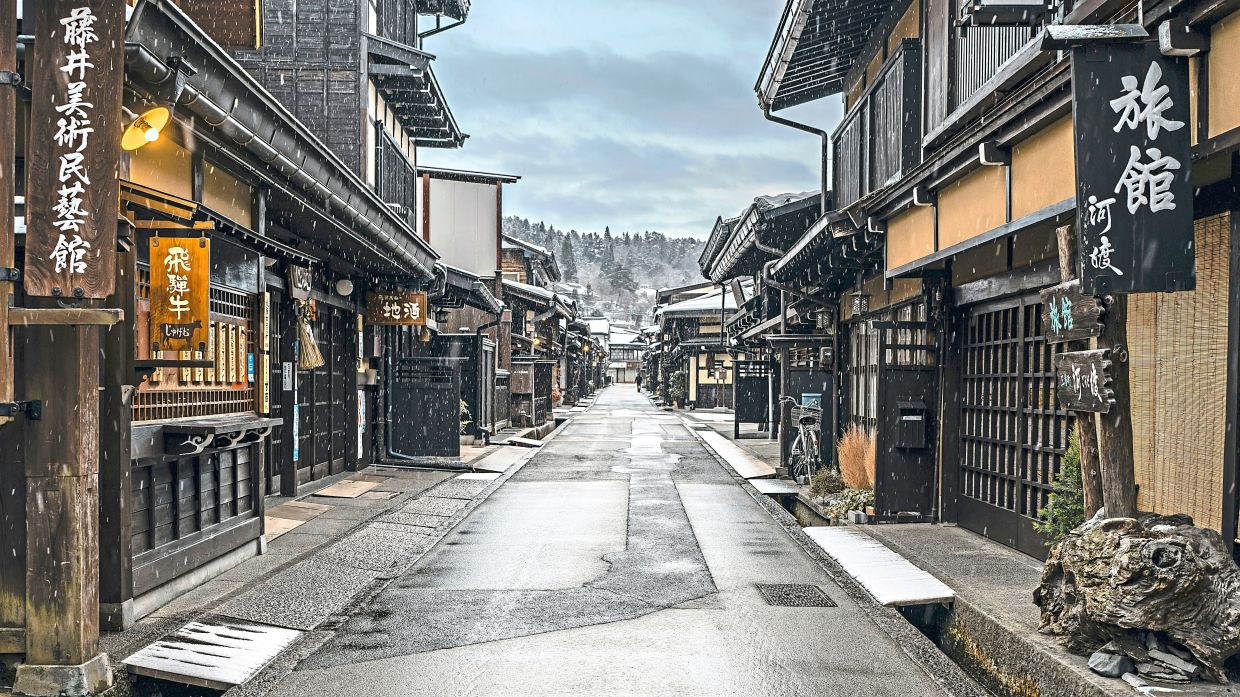
Technically, the area in Takayama often compared to Kyoto is Sanmachi Suji, a preserved historical district with a grid street layout and architecture directly inspired by Kyoto’s design.
You’ll certainly see the resemblance when you’re wandering along the stone-paved streets lined with Edo period wooden townhouses.
In the distance, the peaks of the Northern Japanese Alps add a dramatic touch to the background of your relaxing stroll.
Aside from the historical side, you’d of course want to explore Takayama’s natural wonders, too. One of the best ways is to take the Shinhotaka Ropeway up to Chubu Sangaku National Park. The Ropeway has two versions: Take the No. 2 Ropeway to experience the only two-storey or double- decker gondola in Japan.
During sakura season, some of the places where you can enjoy hanami (sakura viewing parties) are Nakabashi Park, popular for its striking red Nakabashi Bridge; Shiroyama Park, a hilltop park with castle ruins; and Garyu Park, which has the 1,100-year-old sakura trees called Garyu-zakura.
Gyeongju (South Korea)
South Korea trails just behind Japan as a destination that most Malaysian tourists love to visit. Its capital city, Seoul, has everything from urban glitz and K-pop glamour to historical sites and beautiful nature.
If you’re the type to appreciate a destination’s history and culture, then you’d likely go here for places like Gyeongbokgung Palace and Gongpyeong Historic Sites Museum. These give a glimpse into the period when Seoul served as the Joseon Dynasty capital.
Should the idea of learning more about history appeal to you, but you are wary of dealing with the crowds in the big city, consider visiting Gyeongju instead.
From Seoul, a high-speed train ride into Gyeongju takes about two-and-a-half hours.
Gyeongju served as the capital of the Silla Kingdom, so it has plenty of ancient sites to explore. Known as “the museum without walls”, the city boasts three Unesco heritage sites: the Gyeongju Historic Areas, the Seokguram Grotto and Bulguksa Temple, and Yangdong Folk Village.
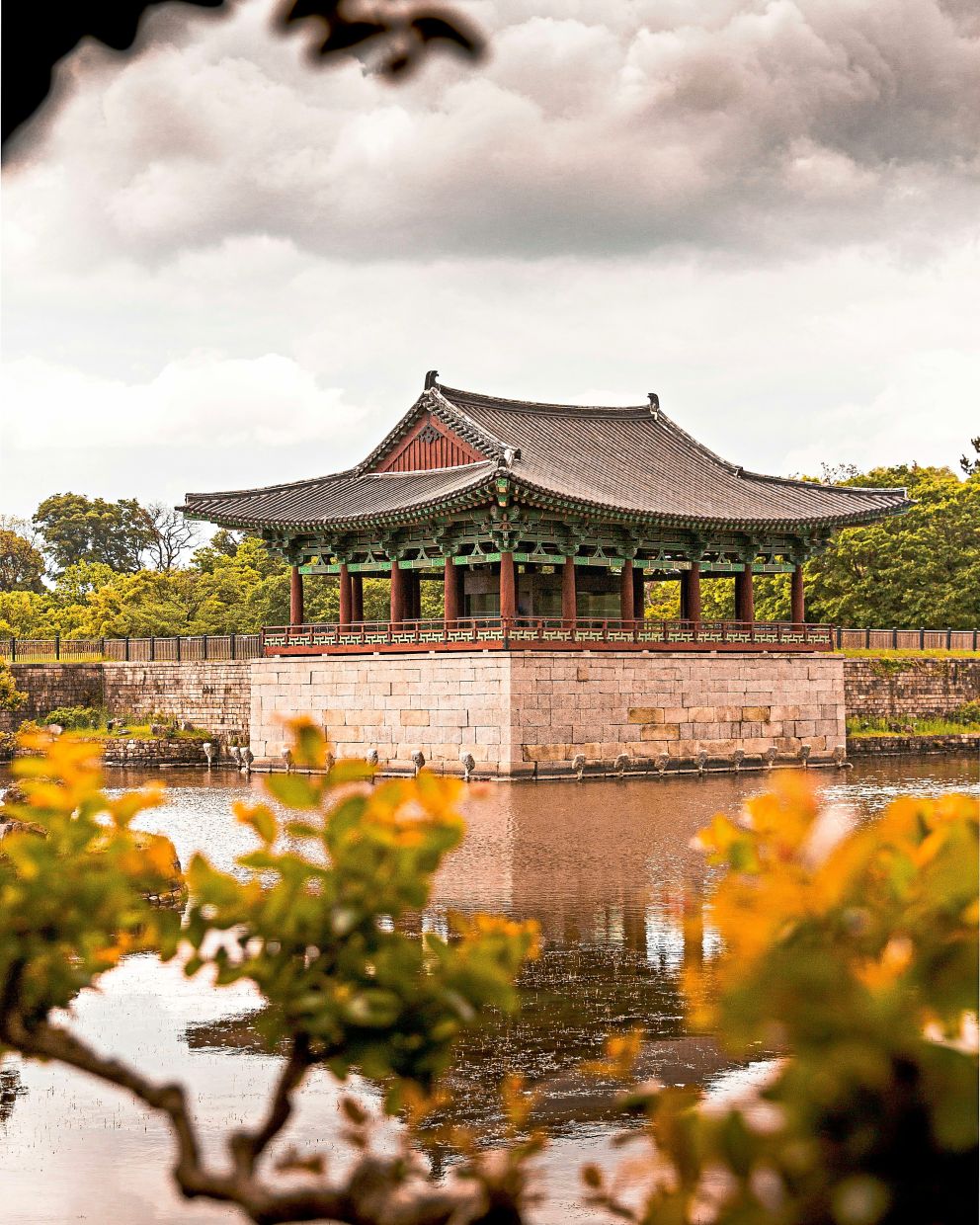
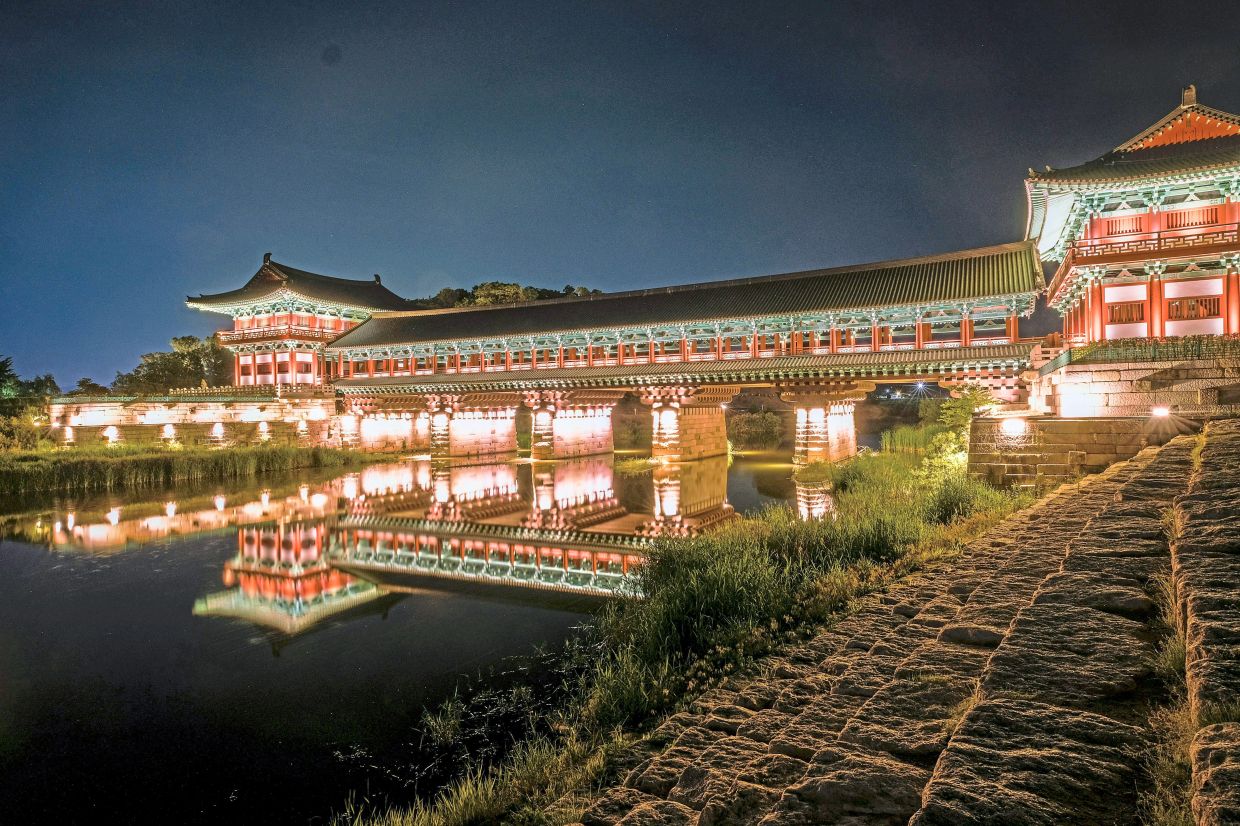
Two of the most popular attractions within the Gyeongju Historic Areas are the Donggung Palace and Wolji Pond.
Unlike Gyeongbokgung Palace, there are no hanbok rentals on-site, but you can always rent the traditional Korean attire from nearby shops. Just make sure you opt for the Silla-era hanbok, which has golden accents and a different silhouette from the Joseon-era ones.
Milos (Greece)
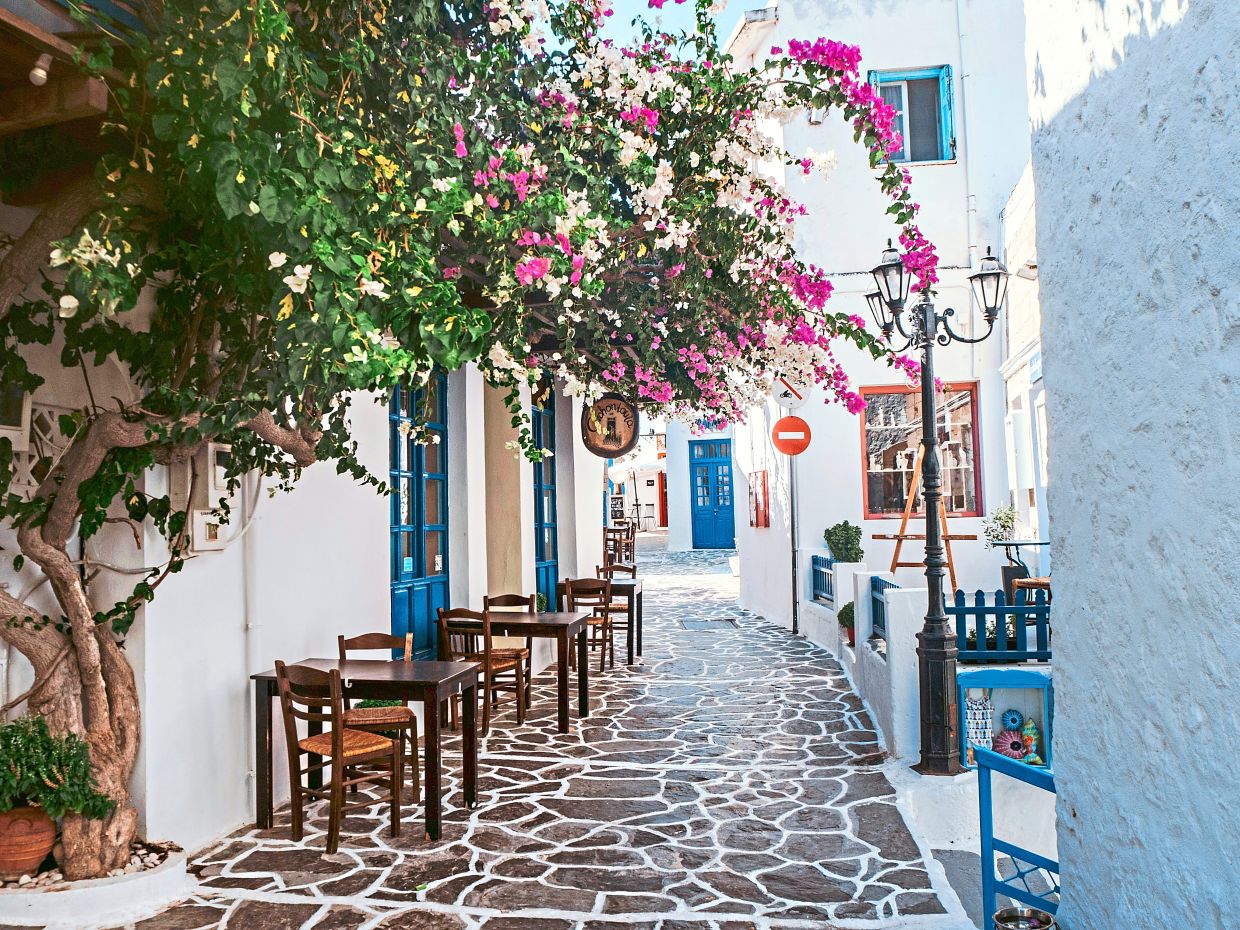
It’s no secret that Malaysians love the blue-white aesthetic of Santorini, Greece. We even have a few local accommodations replicating the characteristic “whitewashed buildings with blue trimmings” look.
Nothing can beat the real thing, however, and you find yourself contemplating a trip to Santorini. Just know that if you’re hoping to have a relaxing holiday while admiring the Aegean Sea views and Cycladic style houses ... this dream will be dashed by the throngs of tourists doing the same thing.
Luckily, there are other Greek Cyclades islands you can consider. In recent years, Milos has emerged as one of the recommended alternatives to Santorini. (A ferry ride to the former from the latter takes anywhere from two to seven hours.)
Milos doesn’t suffer from overtourism the way Santorini does. This means not only are the crowds significantly smaller there, but the offerings in shops and restaurants are also more authentic.
Yes, the island’s main tourist areas like Plaka and Adamas do have businesses catered specifically to visitors, but these are more handmade products and less mass-produced curios.
Aside from the Sarakiniko and Kleftiko beaches, renowned for their white volcanic rock formations, check out Paliochori Beach, too. This particular beach stands out with its red and yellow rocks, and the sand can get so scorching hot that you can even cook food on it.
Bursa (Turkiye)
Usually when it comes to Turkiye, tourists would flock to Cappadocia or Istanbul. The latter especially gets more Malaysian visitors thanks to direct flight connectivity.
If you’re interested in exploring Turkiye but are also thinking of avoiding the crowd in Istanbul, why not give Bursa a try?
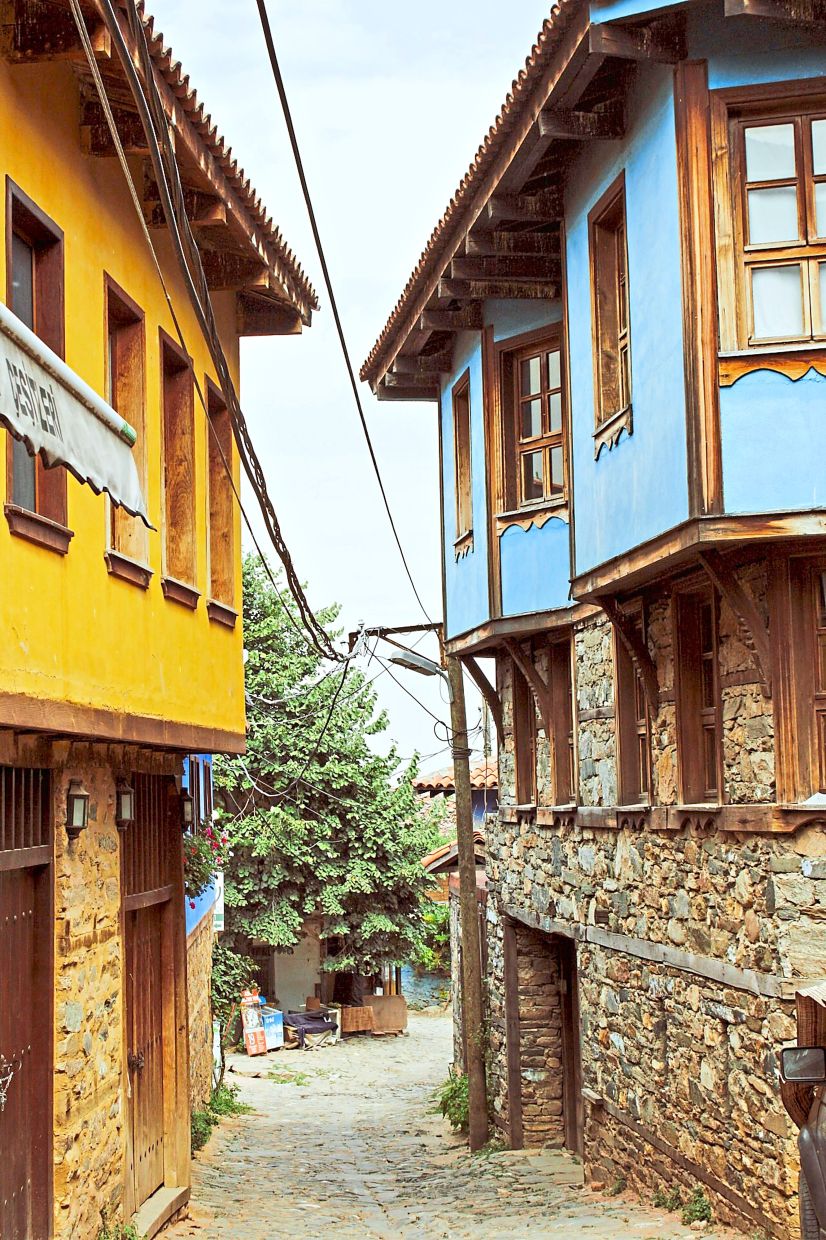
The driving duration between the two cities can take up to three hours each way. But the trip is undoubtedly worth it once you’ve experienced Bursa’s historical charm and verdant nature. The city has so many parks and trees that it’s even nicknamed “Yesil Bursa” (Green Bursa).
Take in more of nature by riding the Bursa Uludag Gondola, also known as Bursa Teleferik, the roughly 9km-long cable car up Mount Uludag.
With all the greenery, and the fact that Bursa is less crowded and hectic than Istanbul, you’re sure to have a relaxing time here.
To wind down further, copy the locals and enjoy a calming thermal bath or two. Bursa is renowned for its thermal springs. The water from these is also used in the city’s historical hammams (Turkish steam baths).
Of course, don’t forget to try the local delicacies, too. A must-try is the iskender kebab, which originated here.
Songkhla (Thailand)
Unsurprisingly, Thailand is highly visited by Malaysians, especially in the southern parts where the towns are easily accessible by car from Malaysia.
Hat Yai in the Songkhla Province, which borders Perlis and Kedah, is one such easy-to-reach place.
In a way, Malaysians looking for short getaways tend to view Hat Yai as an alternative to Langkawi, Kedah because of its affordability. You can get food, accommodation and even massages at much lower prices. It also has a laid-back atmosphere for the most part – except on the weekends.
It can get especially crowded thanks to ... well, Malaysian tourists.
So, if you want Hat Yai’s vibes but with fewer crowds to deal with, head to the province’s eponymous capital city, Songkhla.
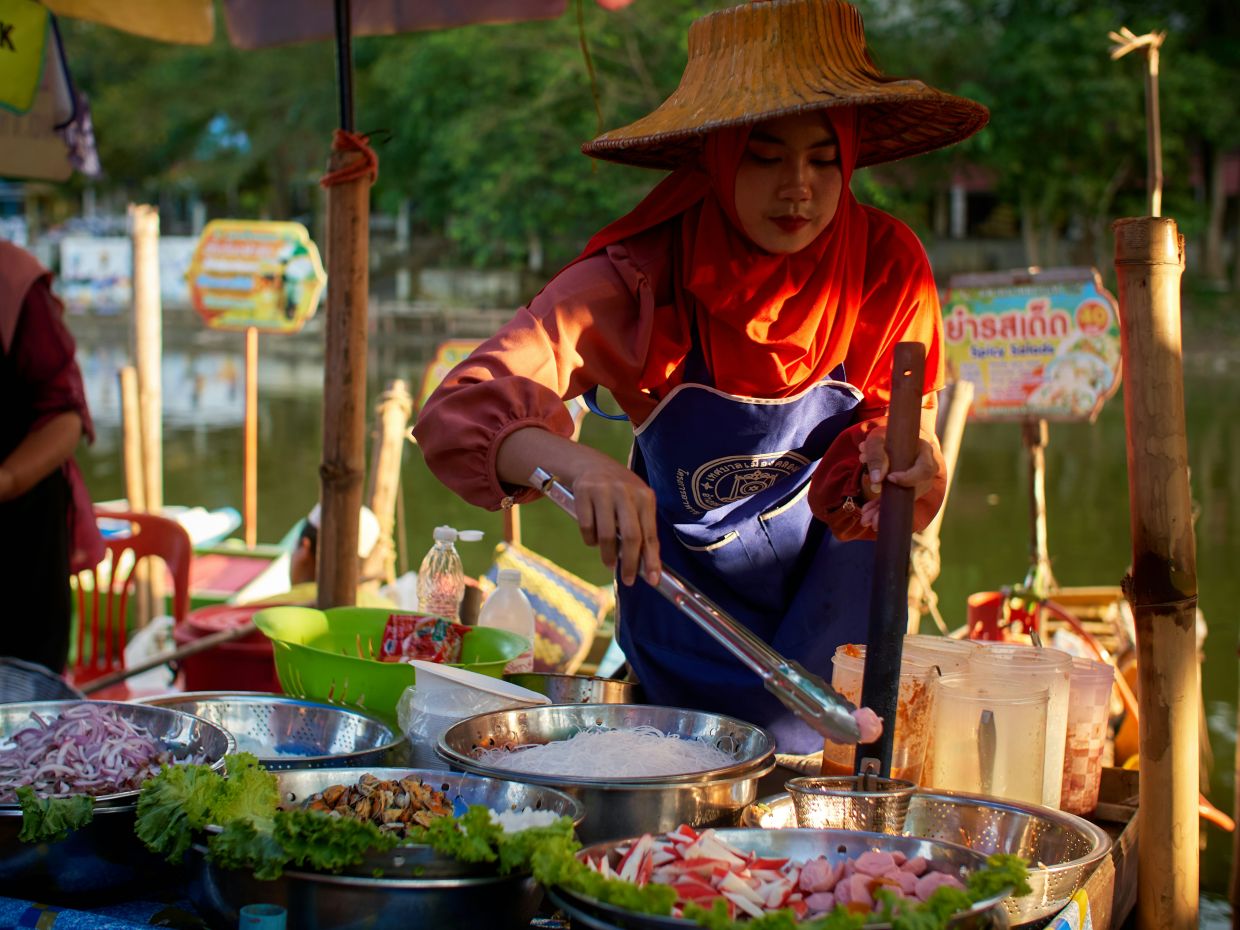
This quiet coastal city, a 45-minute-or-so car ride from Hat Yai, is perfect for relaxing on the beach. You can also wind down by Songkhla Lake and go on heritage walks in the Old Town, where historical buildings line the streets.
Savour plenty of fresh seafood, but don’t forget to try the traditional southern Thai dishes, too. Think khai khrop (salted duck egg yolks) and khua kling (spicy, dry-fried curry). After all, Songkhla was designated a Unesco Creative City of Gastronomy just last year.
Funnily enough, Songkhla itself can be an alternative to Langkawi or even another popular Malaysian destination. Its heritage buildings and coastal city vibe are highly reminiscent of Penang’s George Town.
While the Consulate General of Malaysia in Songkhla has issued a travel advisory for neighbouring provinces, namely Yala, Narathiwat and Pattani, currently it is still considered safe to visit Songkhla.
Malaysians may be advised to steer clear of specific districts like Chana and Thepa, but Mueang Songkhla District – where Songkhla city is – remains a safe destination.
Rouen (France)
Paris is the ultimate French destination for many travellers. But if you happen to be among the ones who think it’s overrated or over-romanticised, there is an alternative city you might be more interested in.
Rouen, the capital of the Normandy region, is relatively close to Paris. It takes around 75 minutes to reach by train.
Like Paris, it is divided into Left and Right Banks by the River Seine, perfect for a morning jog or evening stroll.
If you visit this river during June, you might just catch the Rouen Armada. This gathering of tall ships – reportedly the largest of such gatherings in the world – is typically held every four years, with the next one coming up in June 2027.
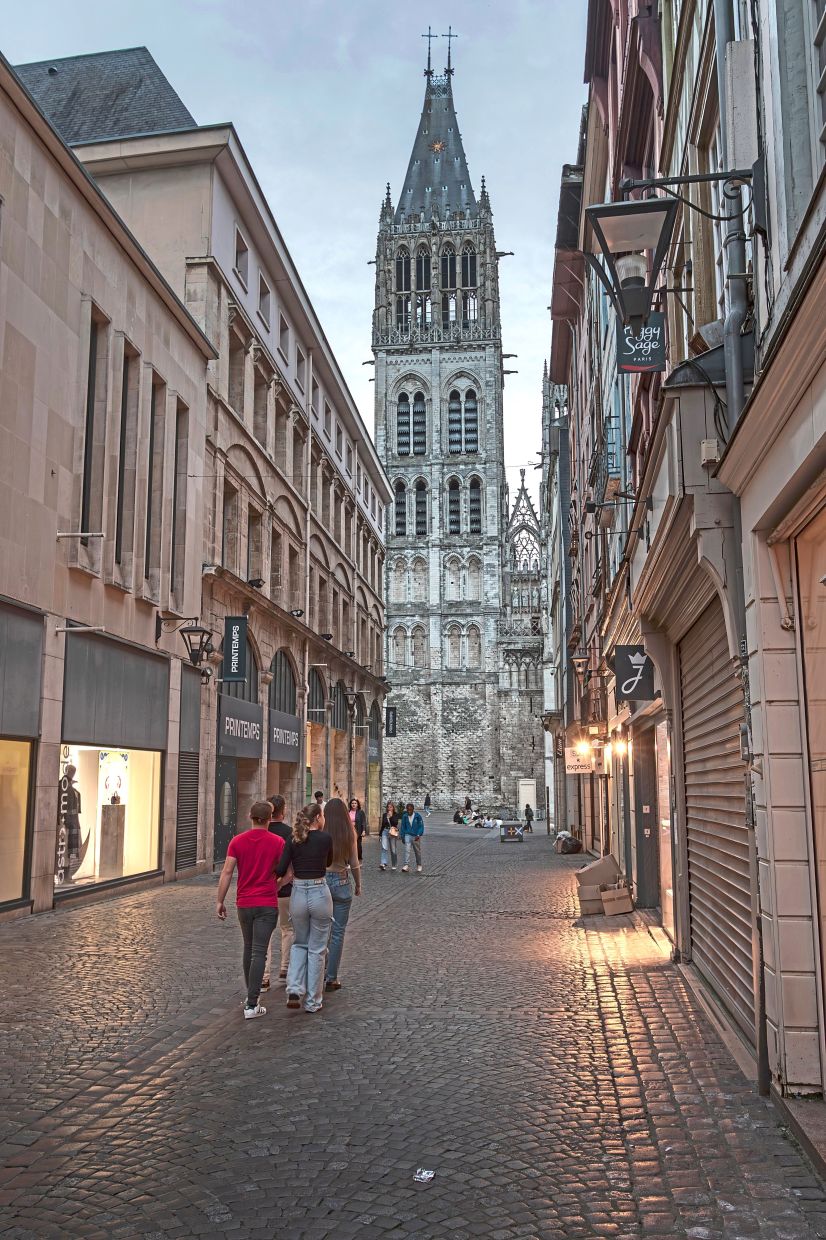
Also like Paris, strolling along this river will lead you to the Notre Dame Cathedral. Of course the one in this city is more widely known as the Roeun Cathedral (or Cathedrale Notre-Dame de Rouen).
Even if you don’t go inside, you can admire the facade. French Impressionist painter Claude Monet famously painted more than 30 depictions of it in different natural lightings.
And Paris may be well known for its gastronomy, but Rouen is perhaps an even better place for you to savour French cuisine. Rouen is France’s first and only Unesco Creative City of Gastronomy, as designated in November 2021.
Some of the Normandy specialities you should treat yourself to here are canard a la Rouennais (pressed duck), le mirliton (traditional sweet tartlet) and le douillon d’Elbeuf (traditional seasonal apple pastry).
Tianjin (China)
Even if you’ve never stepped foot in Shanghai, China you’ve most likely seen its famous The Bund waterfront featured in films and TV shows.
If you’ve been to Shanghai and are looking to revisit but dreading the crowds, then maybe give Tianjin a shot.
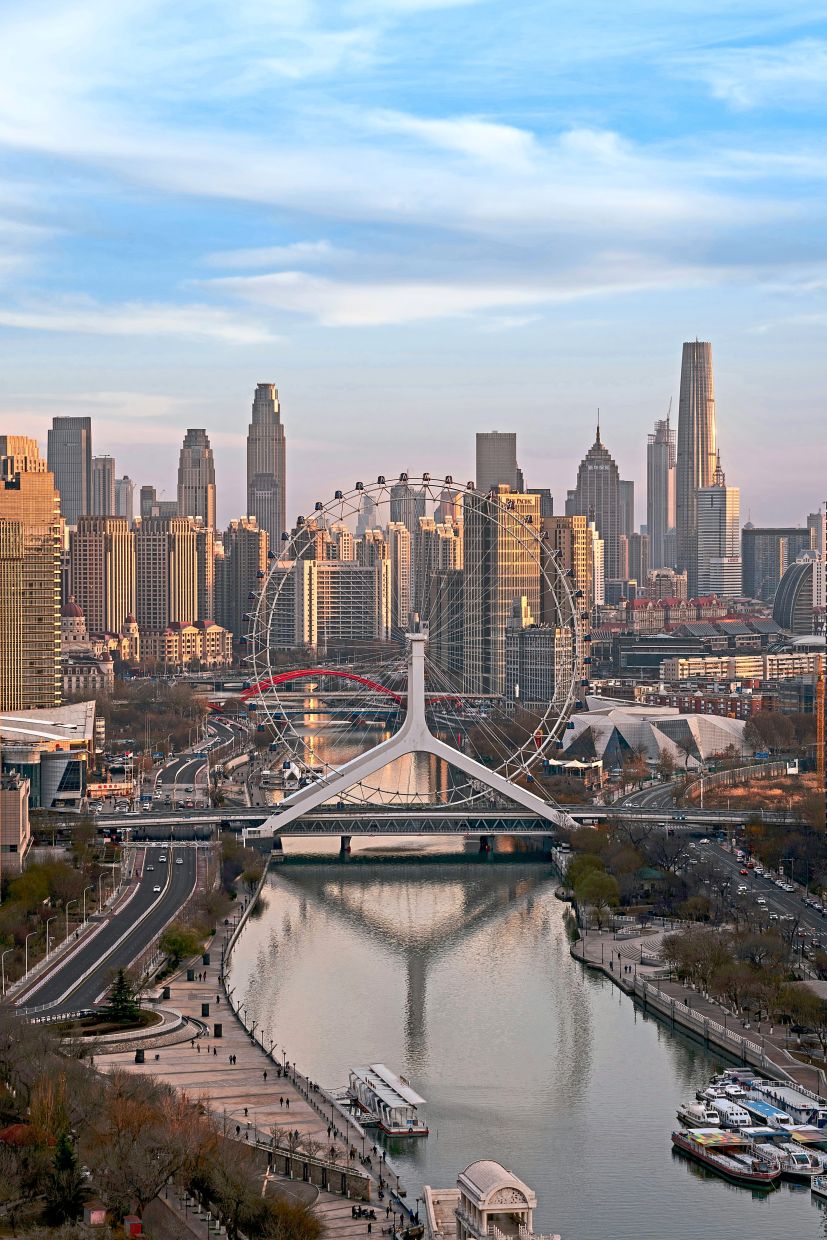
Tianjin is also known as “Shanghai of the north” due to the two cities’ similarities. It has its own vibrant waterfront area called Tianjin Haihe River Bund.
As its name indicates, it runs along the Haihe River. Walking on its pedestrian strip, you’d come across a fountain that shoots water up to an impressive height of 170m – said to be the highest in China.
Also impressive is the Tianjin Eye Ferris Wheel, which, at 120m tall, looms larger than the 108m-tall Shanghai Big Wheel.
In Tianjin, you can marvel at European-style colonial architecture, too. For this, you can explore Five Great Avenues (Wudadao), a historic district with mansions and villas that range from Renaissance to Gothic styles.
As for food, make sure to try jianbing guozi, a mung bean flour and eggs breakfast crepe that is said to have originated in Tianjin. Also try goubuli baozi, Tianjin’s traditional steamed pork bun, and erduoyan fried cakes, a crispy yet chewy street food stuffed with red bean paste.
You can get these at places like Xiebeijiao Street for authentic street food and Ancient Culture Street for traditional snacks.
Swap the hotspots with these
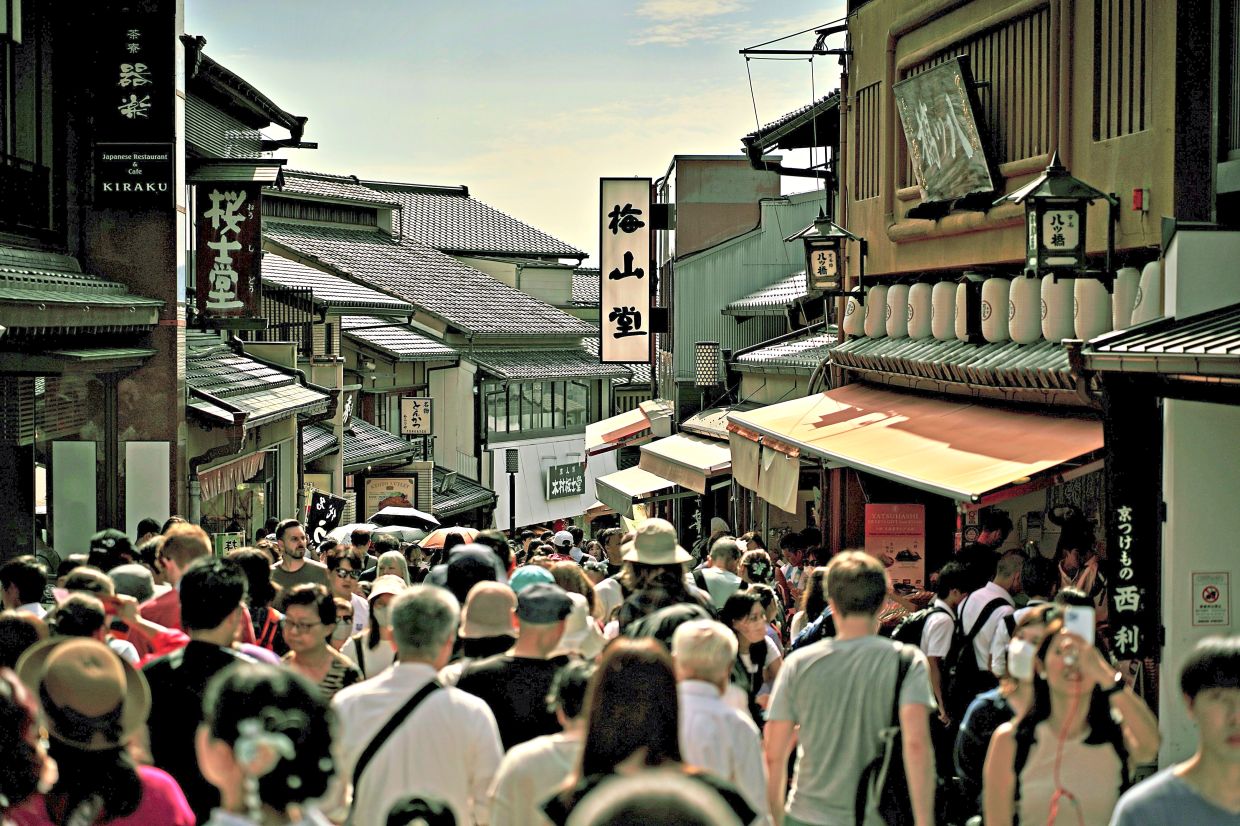
Avoiding crowds is one of the reasons for the rise in destination dupes. — Pexels
Bursa is sometimes preferred over the busier Istanbul. — Pexels
Swap Seoul with Gyeongju if you seek historical charms. — Unsplash
The Gyeongju Historic Areas in South Korea is a Unesco World Heritage Site. — Unsplash
Hat Yai and Songkhla exude similar laid-back vibes. — Unsplash
Milos is among the best destination dupes for Santorini. — Unsplash
Rouen can be a cheaper alternative to Paris. — Pexels
The quaint Takayama is called ‘Little Kyoto’ for a reason. — Unsplash
Tianjin is less crowded than Shanghai. — Unsplash