
As the plane cruised from Hong Kong to Vancouver, Canada my mind drifted back to my earlier trip to Ottawa during autumn decades ago.
Unlike that crisp, cool weather and brilliant fall foliage back then, this time I experienced two extreme spring weather patterns and landscapes in two neighbouring provinces in western Canada: British Columbia and Alberta.
After arriving in Vancouver, I took a connecting flight to Kamloops. This domestic airline operated turboprop planes and was served by Canadian crew members.
Kamloops is located where the North and South Thompson Rivers meet in British Columbia. Its name comes from a native word meaning, “meeting of the waters”.
My first impression of Kamloops was that it was dry and sunny with a rugged landscape. It is a popular hub for outdoor activities like hiking, biking, fishing and skiing. The city is actually known as the “tournament capital of Canada”.
I spent time strolling in Riverside Park, sipping coffee downtown and shopping at local malls.
Kamloops serves as a regional economic and transportation centre, with roots as a historic trading crossroads for fur, gold and cattle. Today, it supports industries such as mining, forestry and tourism. It is also home to Thompson Rivers University and Sun Peaks Ski Resort.
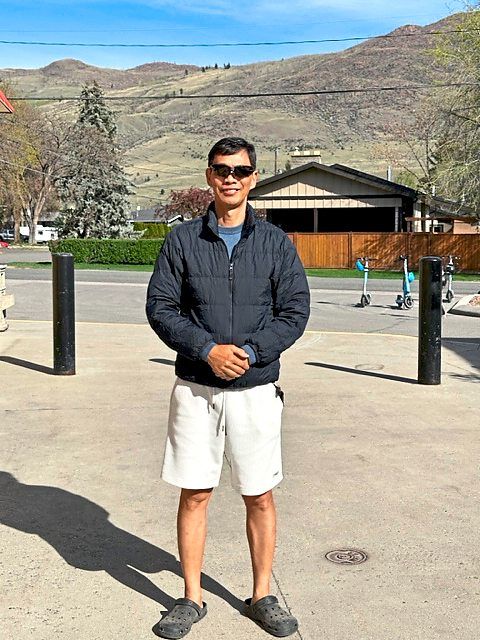
From Kamloops, I took another domestic flight to the snowy and cold Calgary, a major business centre in Alberta known for oil, finance, and technology. Calgary, located near the Rocky Mountains, is a vibrant city known for the Calgary Stampede, held during the July rodeo festival.
From there I drove to Banff and Lake Louise, both located in Banff National Park, Canada’s first national park. Banff is a resort town surrounded by towering peaks and has many hot springs.
At Lake Louise, visitors can go canoeing or hiking but in winter, it’s more ideal for activities like ice skating and skiing. I didn’t do much here, though, but I did enjoy watching its scenic shoreline.
I returned from Calgary to Kamloops by bus, as I wanted a visual “highlight reel” of the Rocky Mountains and interior British Columbia. I passed by Banff and Lake Louise, where jagged peaks, dense pine forests, and glacier-fed rivers dominated the view.
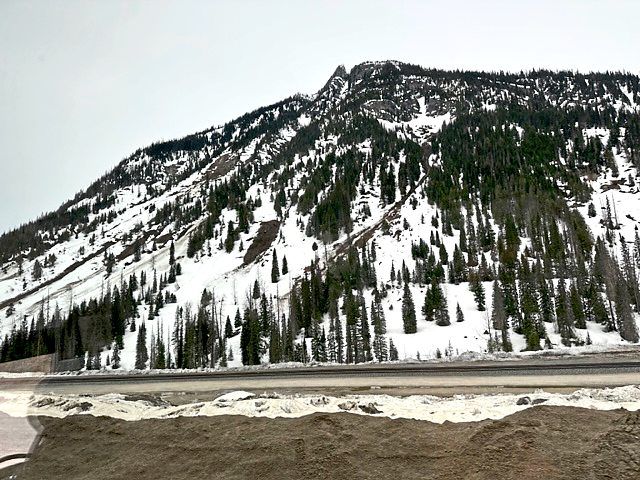
As the bus continued toward Revelstoke, a city in southeastern British Columbia, the route followed river valleys and climbed through Rogers Pass (1,330m), a high mountain pass surrounded by massive snowy summits and pine forests.
West of Revelstoke, the landscape changed dramatically – I entered the semi-arid interior, with dry, rolling hills and rocky canyons along the Thompson River.
The final stretch into Kamloops gave us sweeping views of the valley, with the golden grasslands contrasting against blue rivers and skies.
On this trip, I was excited to see lakes, waterfalls, steep canyons, farmlands, and desert-like terrain – all in one bus ride.
On our flight back to Hong Kong, I reminisced about those vibrant spring days while attending a course in Ottawa in 2005. The city was then framed by brilliant fall foliage – golden, orange and red leaves lining Parliament Hill and the Rideau Canal.
The weather was crisp and cool, perfect for walking in the city and exploring tourist attractions. It felt like a calm, colourful and historic capital at its most picturesque.
The views expressed are entirely the writer’s own.