There are places that do not ease you in gently.
Jaffna in Sri Lanka is one of them.
It does not flirt, perform or arrive with chilled towels and hotel-lobby music. It simply stands at the northern edge of Sri Lanka – dry, stubborn, sunburnt and magnificent – daring you to understand it.
The light is harsh, flat and almost biblical. Roads pass palmyra trees, ancient walls, painted temples, fishermen, schoolchildren, war-scarred buildings, new ambition and old grief.
Everything feels close to the bone – especially the food.
I spent my early years in Jaffna, while my mother comes from Kumulamunai, near Mullaitivu in the Vanni. School holidays meant returning to my grandparents’ farm, drawing water from the well and eating whatever had been harvested or caught that day.
Those memories have smells: firewood, wet earth, palmyra, coconut milk warming, curry leaves striking hot oil and rice steaming beneath a battered lid.
Food has a cruel way of ambushing you with the past. One mouthful, and suddenly you are seven again, barefoot on a warm floor, waiting impatiently while somebody warns that the curry is still too hot.
I recently returned to Jaffna and came back, as always, slightly altered. Not in the “I found myself in Bali” sense, where one yoga class and a green juice transform a person into a prophet.
Jaffna offers a sterner enlightenment: crab curry, odiyal kool, fried fish, fiery sambols, bitter greens and dark mutton curries that look you squarely in the eye and ask whether you are ready.
Odiyal kool is not soup in the polite hotel-buffet sense. It is thick, dark and gloriously unruly – a northern seafood broth built around flour made from palmyra root.
Into it go crab, fish, cuttlefish, prawns, tamarind, chillies and vegetables. The flour gives the broth its dense, earthy body and the authority of something eaten long before menus existed.
This is not a dish to sip delicately while discussing property prices. Crab shells must be negotiated. Fish bones must be respected. Sleeves should be rolled up.
Then there is Jaffna crab curry.
It does not care about your shirt, manicure or meeting later in the afternoon. It demands fingers and commitment. A proper version is not merely hot. Beneath the chilli lie black pepper, roasted curry powder, shallots, garlic, fenugreek, curry leaves, tamarind and the natural sweetness of crab.
You crack, scrape and suck your way through it, abandoning dignity somewhere around the second claw. That is as it should be.
Jaffna food has its own grammar, accent and weather system. It is sharp, smoky and often austere. Coconut is used, but rarely to smother. Tamarind brings sourness, fenugreek bitterness and black pepper arrives late and stays for the conversation.
Murungakkai curry is made with drumstick pods simmered in a lightly spiced coconut-and-tamarind gravy. Eating it requires technique: scrape the soft flesh with your teeth and discard the fibrous shell.
It is not first-date food. It is, however, magnificent.
There is katharikai curry, in which aubergine collapses into spice-soaked surrender; dark, dry mutton peratal; and varais of jackfruit, greens or vegetables. Sodhi is pale, coconut-rich and soothing. Rasam arrives hot, sour and peppery, clearing the head and occasionally the conscience.
Then there is kanji.
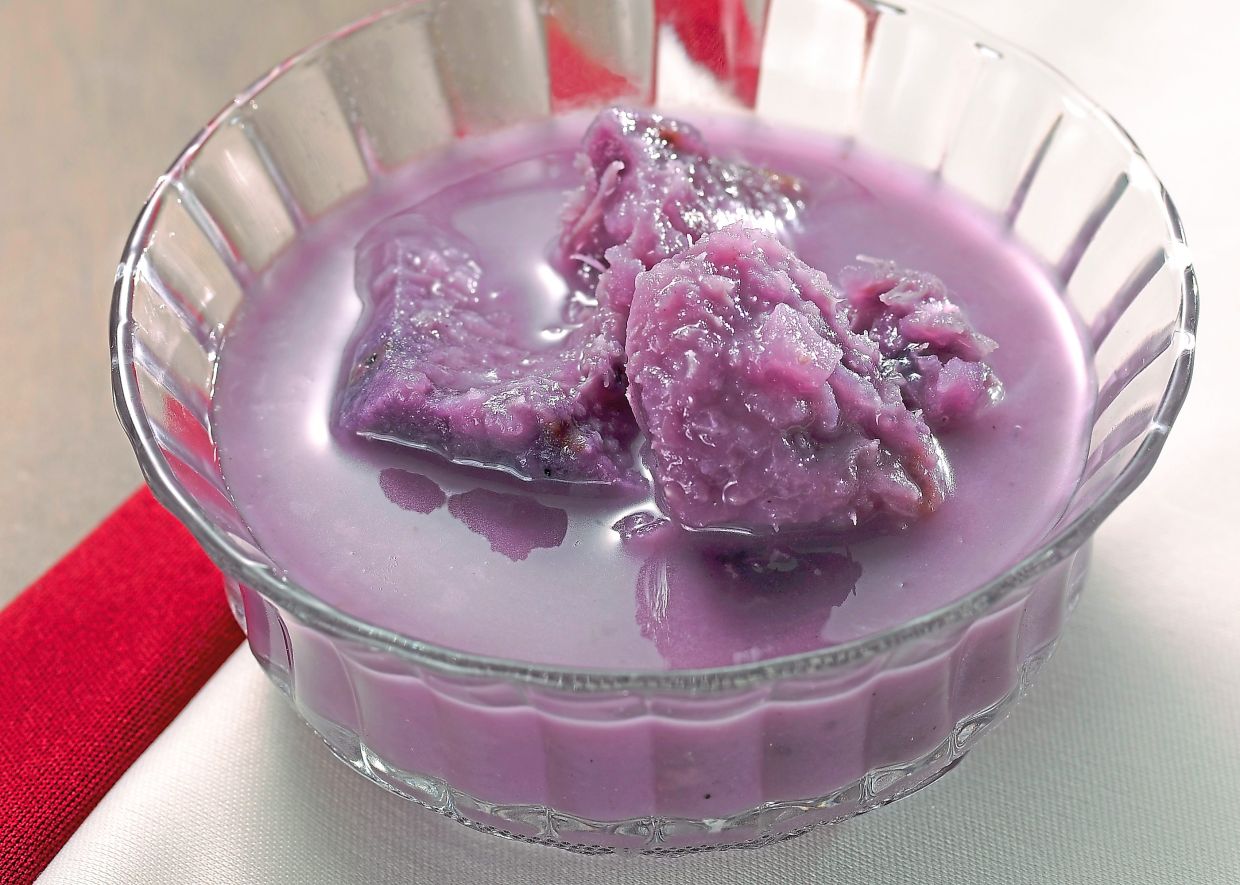
At Yarl restaurant in Brickfields, Kuala Lumpur kanji is served in the morning. It is a simple rice porridge, but simplicity can carry enormous weight.
During the final days of Sri Lanka’s war, kanji became food for survival. Rice was stretched with water; coconut milk, vegetables or fish were added when available. It could not stop the shelling or replace a lost home.
But it could keep a heart beating.
It could place something warm in a child’s hands and carry a family from one morning to another – the stubborn belief that tomorrow might still be worth reaching.
This is the astonishing thing about food: it remembers what people sometimes cannot bear to say aloud.
From the Klang Valley, Jaffna means a flight to Colombo followed by a long drive north. It is worth every kilometre. But there is a shortcut.
Yarl, which has two outlets in KL, serves the food of northern Sri Lanka without sanding down its edges. It began in 2009 as a modest Brickfields stall founded by Theepan, who had fled Sri Lanka’s civil conflict.
He was joined by others from the northeast – people who carried few possessions but an entire culinary civilisation in their heads. Food became income, community, identity and a way to make an unfamiliar city feel less foreign.
When Theepan was resettled in New Zealand in 2018, the story might have ended. Instead, Yarl survived. So did the recipes and many of the people who built it.
Over time, lives became more stable. Families began to breathe. Children who had once been unable to attend school finally entered classrooms.
Lunches were packed. Laces were tied.
Futures were born.
Many of the original cooks remain. They come from Jaffna town, Point Pedro, Karainagar, Nelliady, Mullaitivu and Batticaloa. They are not performing authenticity. They are cooking the food they ate at home.
Breakfast brings thosai, idli, puttu, appam and idiyappam. At lunch, the counter fills with murungakkai curry, jackfruit varai, fried fish, crab curry, mutton peratal, aubergine, bitter gourd, greens and sambols.
Ask questions. Learn what varai, peratal, sodhi and kool mean. Let the food retain its language. Not every dish needs translating into something more familiar.
There are establishments that use the word “Ceylonese” as decorative wallpaper. A commercial curry powder is opened, a few vaguely South Asian dishes assembled, and nostalgia served with a logo.
It is culinary karaoke. The costume, not the country.
Real Jaffna food is harder to fake because it is too specific. The roasting of the spices matters. The balance of sourness and heat matters. The texture of the kool matters. A Jaffna auntie can detect fraud before the plate lands.
Yarl’s walls carry photographs of northern Sri Lanka: temples, markets, coastlines and palmyra trees beneath enormous skies. They remind you that this food comes from somewhere real, with a history too heavy for a restaurant review.
Jaffna is not an easy place. Its beauty is dry-eyed, its humour sharp, its food proud, fierce, comforting and unforgettable.
Food can accomplish what politics, geography and history often cannot.
It carries people home.
Every bowl of odiyal kool, every strand of idiyappam and every curry-stained crab shell becomes more than a meal. It is memory made edible. It is a village briefly reconstructed at the table. It is proof that culture survives because somebody continues to cook.
So yes, go to Jaffna. Walk beneath the palmyra trees. Visit the markets, temples and islands. Eat crab with both hands and accept that the shirt may never recover.
But until then, another route begins in Brickfields.
No boarding pass. No immigration queue.
Just an appetite, an open mind and perhaps the shortest journey to Jaffna you will ever make.
The words expressed here are entirely the writer’s own.
Abbi Kanthasamy, whose company currently operates Yarl, blends his expertise as an entrepreneur with his passion for photography and travel.