
It was only in 2003 that the Japanese government began making a serious push to promote inbound tourism. The now-famous slogan “Yokoso Japan” (Welcome to Japan) was also launched, considered a significant shift in the country’s marketing approach.
Japan was no longer just waiting for tourists to arrive, it was actively opening its arms to the world and inviting travellers to experience a nation rich in culture and blessed with four distinct seasons.
The result was immediate: Inbound visitor arrivals reached a then-record high of 5.1 million.
Encouraged by this initial success, Japan continued to refine and expand its tourism strategy. Visa requirements were gradually relaxed for some countries, making travel to Japan easier.
Then came the introduction of the tax-free shopping scheme, allowing visitors to claim consumption tax refunds on purchases above ¥5,000 (RM128). Tourists responded enthusiastically, filling their suitcases with items like souvenirs, luxury goods, rice cookers, cosmetics and even toilet seats.
Apart from a brief decline following the devastating East Japan earthquake and tsunami in March 2011, inbound tourism numbers continued to break records year after year. In 2013, Japan celebrated a major milestone by welcoming more than 10 million foreign visitors for the first time.
That same year, the Japan Tourism Agency, a government body, presented our company with the prestigious Japan Travel Award (JTA), recognising our pioneering efforts in developing in-depth travel programmes in Hokkaido. Those initiatives helped spark a new wave of international visitors to Japan’s northern island.
In 2015, I was honoured by the Japan Emperor with the Order of the Rising Sun (Gold and Silver Rays), becoming the first tourism professional in the world to receive this distinction.
Japan’s inbound tourism boom appeared unstoppable. Yet the rapid growth brought both opportunities and challenges to communities across the country.
On the one hand, tourism spending stimulated local economies and created jobs. On the other, concerns about cultural disruption began to emerge. Residents in popular destinations such as Shirakawa-go, for example, increasingly found their daily lives affected by the constant presence of visitors.
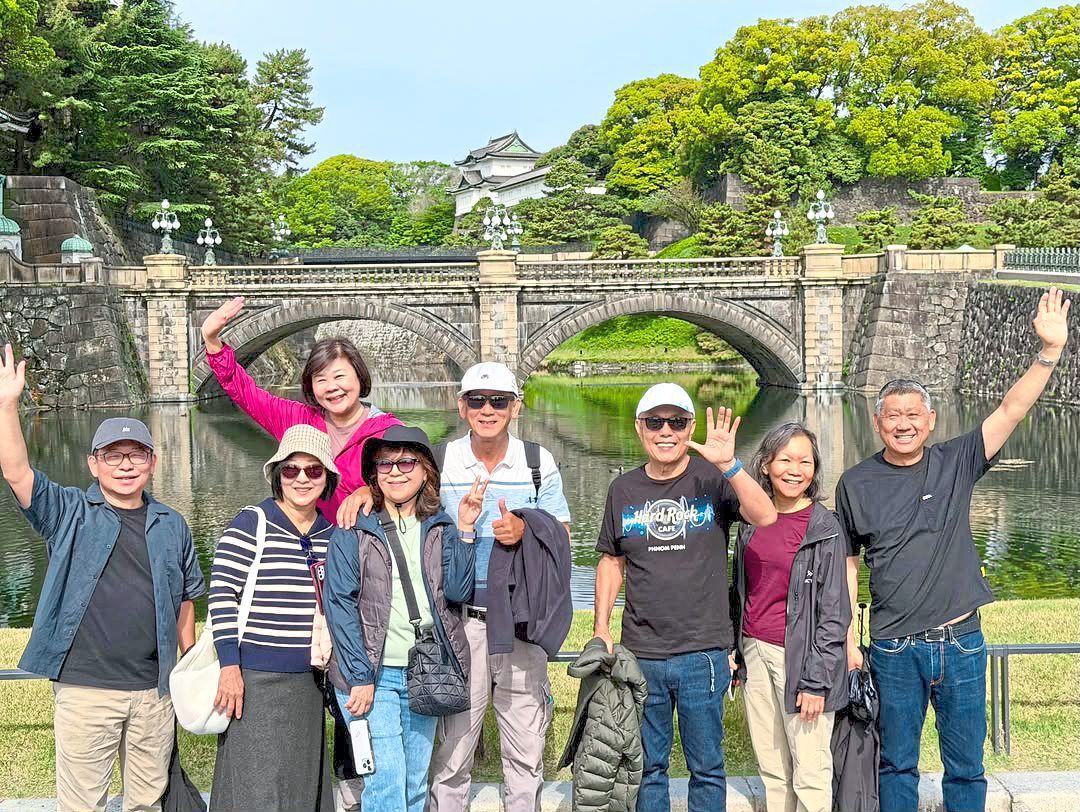
Nevertheless, the government recognised that tourism had become one of Japan’s most important economic engines. Riding on the momentum of the 2020 Tokyo Olympics, Japan introduced an even more ambitious vision of becoming a true “tourism nation” in the late 2010s. Further visa liberalisation became a key policy tool. By 2019, inbound visitor arrivals had soared to an impressive 32 million.
Then came Covid-19.
Japan temporarily closed its borders, and the Tokyo Olympics were postponed to 2021, then held largely without spectators. Yet once the pandemic subsided, a weakening yen made Japan even more attractive to international travellers.
The result was astonishing: In 2025, Japan welcomed a record-breaking 42.7 million visitors.
And that may not be the ceiling. The Japanese government has now set its sights on attracting 60 million visitors annually by 2030.
Can Japan’s infrastructure – its hotels, buses, restaurants, and attractions – handle such numbers? Are Japanese people genuinely happy to see endless waves of foreign visitors?
And does the word “yokoso” still carry the same warmth it did 23 years ago?
As the saying goes, you cannot have both the fish and the bear’s paw. Every gain comes with a trade-off.
Anyone who has visited Japan repeatedly in recent years may have sensed that something has changed.
Faced with a rapidly ageing population and a declining birth rate, Japan has brought in more than three million foreign workers to fill labour shortages, particularly in the service sector.
Today, many convenience stores, hotels, onsen and ryokan inns, and fast-food outlets are staffed largely by foreign employees. In some restaurants, even the kitchen operations are increasingly handled by migrant workers.
To be fair, the quality of Japan’s foreign workforce is generally high, and most perform their duties professionally and efficiently.
Yet many visitors are surprised by this reality. Having already experienced multicultural labour forces in their own countries, some travellers come to Japan hoping to find a “100% Japanese” environment – only to discover that modern Japan has become far more international than expected.
The deeper issue, however, is that Japanese society has traditionally been less accustomed to dealing with large numbers of foreigners. Now, with millions of international tourists arriving each year, many locals are beginning to feel overwhelmed.
Some visitors ignore local customs, speak loudly, litter, break hot spring etiquette, or consume food immediately after purchasing it in convenience stores.
Such behaviour can be exhausting for local residents to witness.
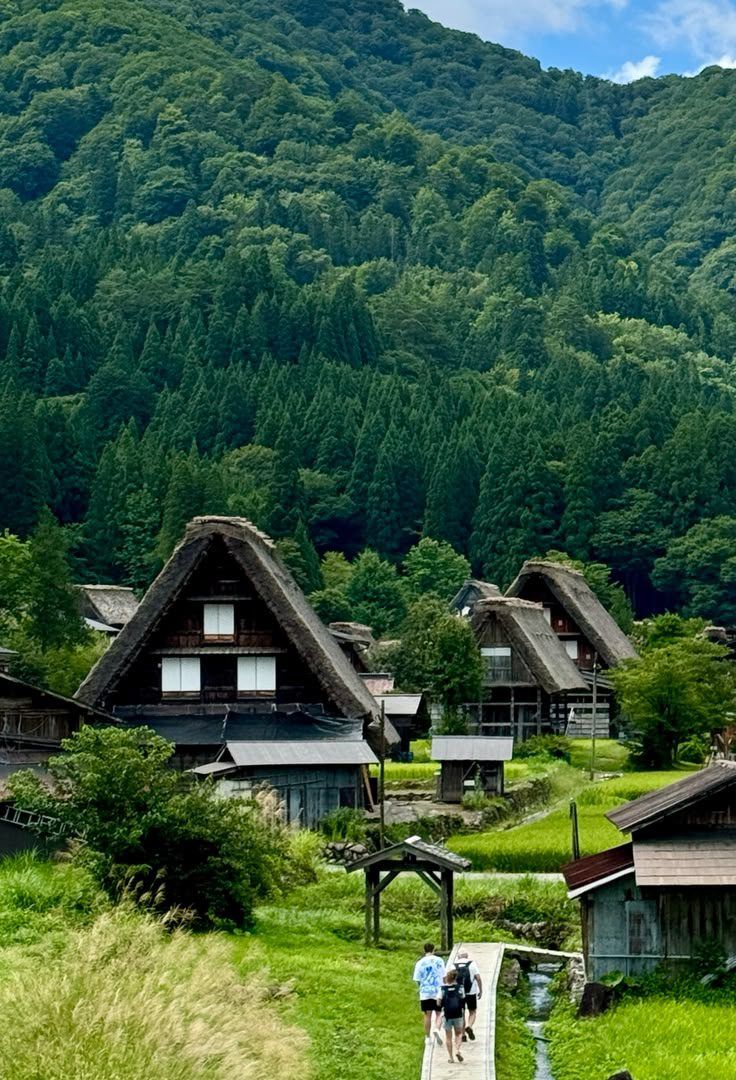
More importantly, many ordinary Japanese feel that tourism revenue benefits only a limited segment of society, while they themselves bear the inconvenience without sharing much of the reward.
In truth, overtourism has become a major challenge for destinations around the world. Governments have introduced visa fees, airport taxes, tourism levies, and departure taxes, yet visitor numbers continue to rise.
Italy’s Venice, for example, witnessed repeated protests from residents before authorities imposed higher landing fees and environmental charges on cruise passengers. Around the world, cities have introduced accommodation taxes, heritage taxes, and even waste-management fees.
Still, these measures often provide only limited relief.
Japan Prime Minister Sanae Takaichi has also recognised the seriousness of the situation.
Her government has begun introducing measures aimed at managing visitor growth more carefully. These include tightening visa-free access for certain countries, implementing a higher visa fee and requiring online pre-arrival authorisation, ending immediate tax-free shopping, processing tax refunds only at departure airports, and imposing very high accommodation taxes in major cities.
Will such measures significantly reduce visitor numbers? That remains to be seen. After all, Japan welcomed 3.56 million foreign visitors in May alone this year.
At the same time, the government has temporarily frozen the intake of new foreign workers in parts of the service sector, tightened work permit approvals, and imposed stricter requirements for permanent residency.
Whether these measures address the root causes or merely treat the symptoms remains a matter of debate.
I often think back to 1991, when I was a student in Tokyo. At that time, Japan welcomed only around three million international visitors annually.
Thirty-five years later, that number has surged to more than 42.7 million.
With growth on such a scale, social tensions and challenges are perhaps inevitable.
The views expressed here are entirely the writer’s own.
Leesan, the globe-trotting traveller who has visited seven continents, including 164 countries and territories, enjoys sharing his travel stories and insights. He has also authored seven books.