The Glacier Express train in Switzerland has operated on one of the world’s most exhilarating rail routes since its introduction in 1930.
This famous train takes eight hours to travel between the glamorous Swiss alpine resorts of St Moritz and Zermatt. Covering 291km in eight hours means its average speed is just 36kph, making it one of the world’s slowest “express” trains.
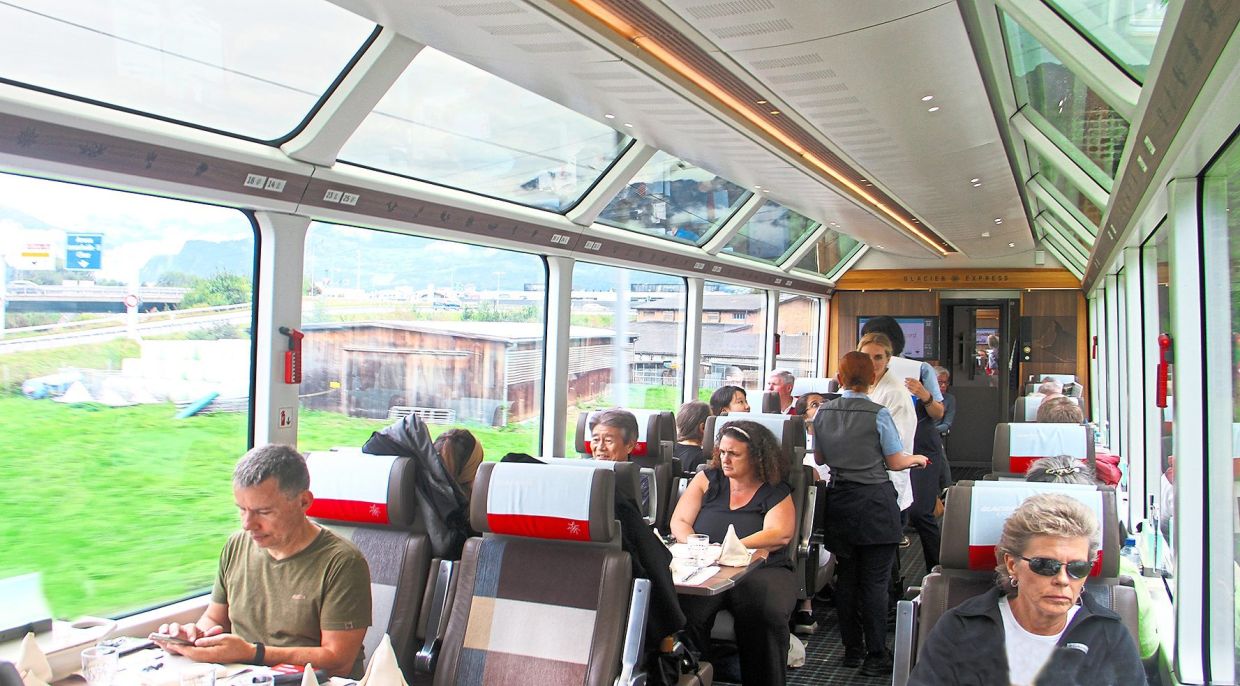
This didn’t bother me or any of my fellow passengers, as we were all there for the experience; it had something to do with the journey and not the destination, I believe. Seated in sleek, modern carriages with expansive panoramic windows, there really wasn’t much to complain about.
Departing St Moritz on schedule, it was time to sit back and admire Switzerland’s dramatic and ever-changing alpine landscape.
Listening to the in-seat commentary, I discovered that, despite being incorporated in the name, glaciers are not a dominant feature of the track along which the train passes, as these rivers of ice are located higher up the mountains.
Travellers can travel in first, second, or “excellence” class with several package options, including meals and beverages. Trains depart from both St Moritz and Zermatt, with my first journey being directly to Zermatt.
As there were three places I wanted to explore along the route, I decided to take the Glacier Express in its entirety and then retrace my tracks on regional trains, stopping at places that I wanted to see. But more on that later.
Glamorous resort town
I had arrived in St Moritz the night before on the Bernina Express for my morning Glacier Express departure. The Bernina Express is another of Switzerland’s grand rail journeys that starts in Torino, Italy and works its way along a route punctuated by the snow-capped peaks.
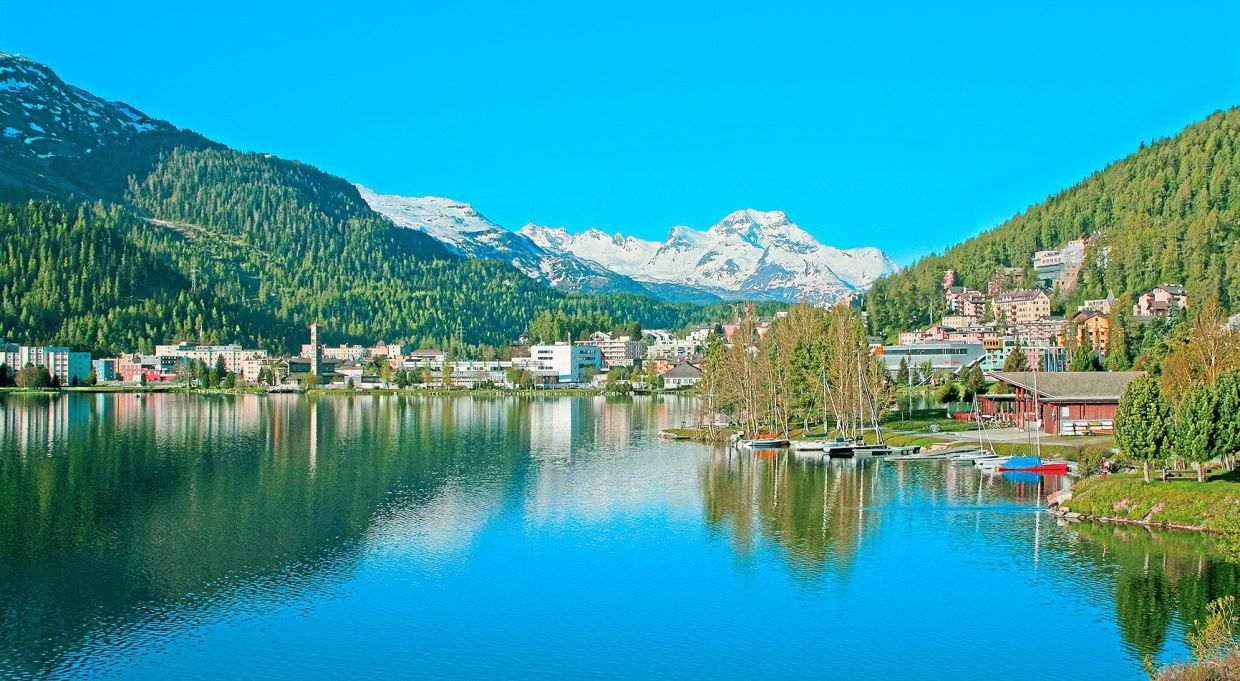
I used the autumn afternoon productively to explore St Moritz on foot. Its narrow streets were quiet, but I could picture how busy they must become when the ski season arrives. I walked to the lake to photograph reflections of the surrounding peaks before taking the funicular railway to Muottas Muragl for amazing mountain panoramas.
Back in the town, I wandered streets lined with galleries, branded boutiques, and cafes to appreciate their appeal with global jet setters.
On track for Zermatt
My carriage was elegantly appointed, and while I wasn’t travelling in excellence class, I peeked through the carriage window to see what it’s like; the 20 passengers all had window seats.
Passengers in that carriage class are also served a five-course gourmet lunch with wine pairings. However, I wasn’t complaining, as my ticket included a hearty lunch.
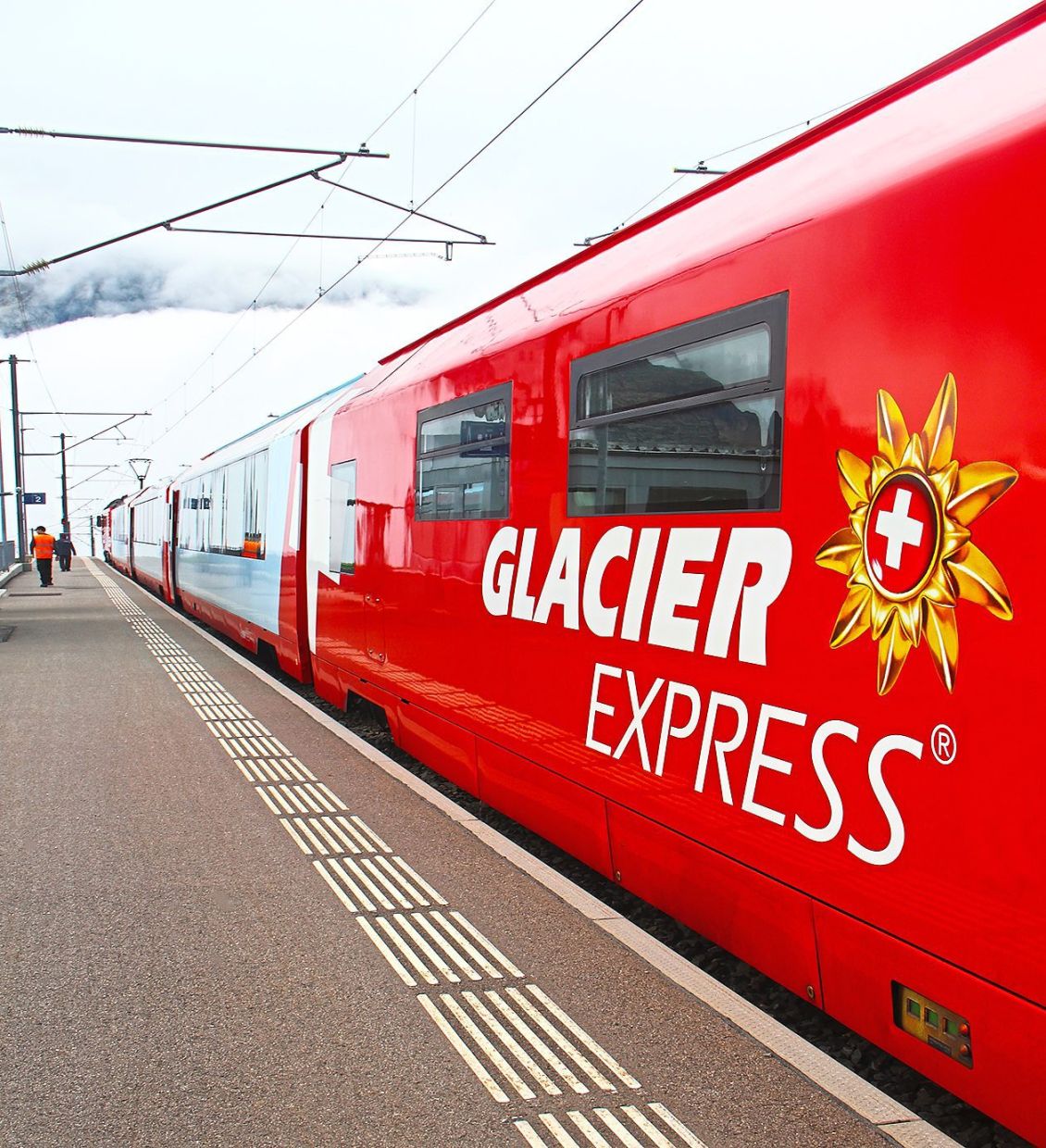
The carriages are air-cushioned for a quieter and smoother ride with comforts such as air conditioning, power points, WiFi and a bar car. Detailed in-seat commentary was provided via headphones in six languages.
I learned that the train would stop along the way at Filisur (for Davos), Chur, Disentis, Andermatt and Brig.
Settled in and familiar with my home for the next eight hours, it was time to admire the scenery. We passed Tiefencastel with a tall church spire rising above the alpine town.
My track commentary alerted me to the famous Landwasser Viaduct that extends 142m in length and 65m in height, over a turbulent alpine stream.
The viaduct curved to enable me to admire the locomotive, the massive stone structure, and the steep-sided ravine.
The train descended to Chur, a junction for the main train line between Zurich and Brig along a section of the Rhine Valley. From here, the route followed the Rhine and then along a tributary on its way to Disentis for a change of locomotive.
The Glacier Express operates on a section of narrow-gauge (1,000mm) track from Disentis to Zermatt, and because of the steep gradient, the locomotive engages a cogwheel for additional traction.
We pulled into Andermatt, located in the saddle of the historic Gotthard Pass between the Italian- and German-speaking parts of Switzerland. It was once a link between northern and southern Europe, but the town is reinventing itself as a mountainous golfing destination.
From here, the line declined sharply down into the Rhone River Valley just before Brig. While here, I contemplated a train journey southward through Domodossola and on to Locarno on Lake Maggiore, where the Swiss living there mostly speak Italian. Train junctions have a way of distracting you with the possibilities beyond the main line.
Further on our journey, the train headed off the main line at Visp for the climb up the valley to our terminus at Zermatt.
Meals on wheels
Meals on the train emphasise local and seasonal produce, featuring Swiss meats and cheeses from the Valais and Graubunden, coffee beans roasted in Zuoz, Heidi-Wii Pinot Noir from the Von Salis Winery in Maienfeld, and Glatsch Balnot gourmet ice cream made in Surava.
My beef and cheese macaroni lunch was as impressive as any restaurant.
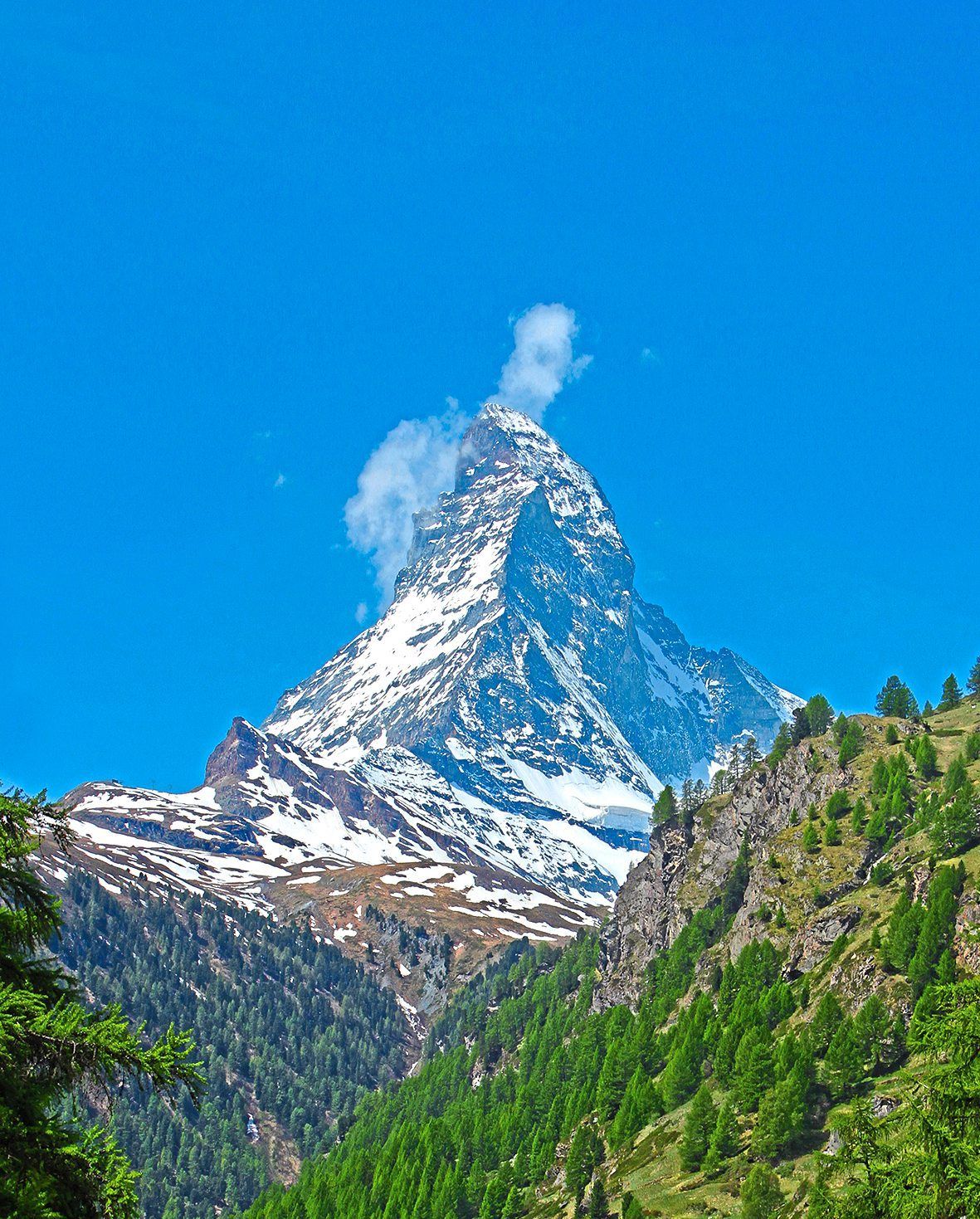
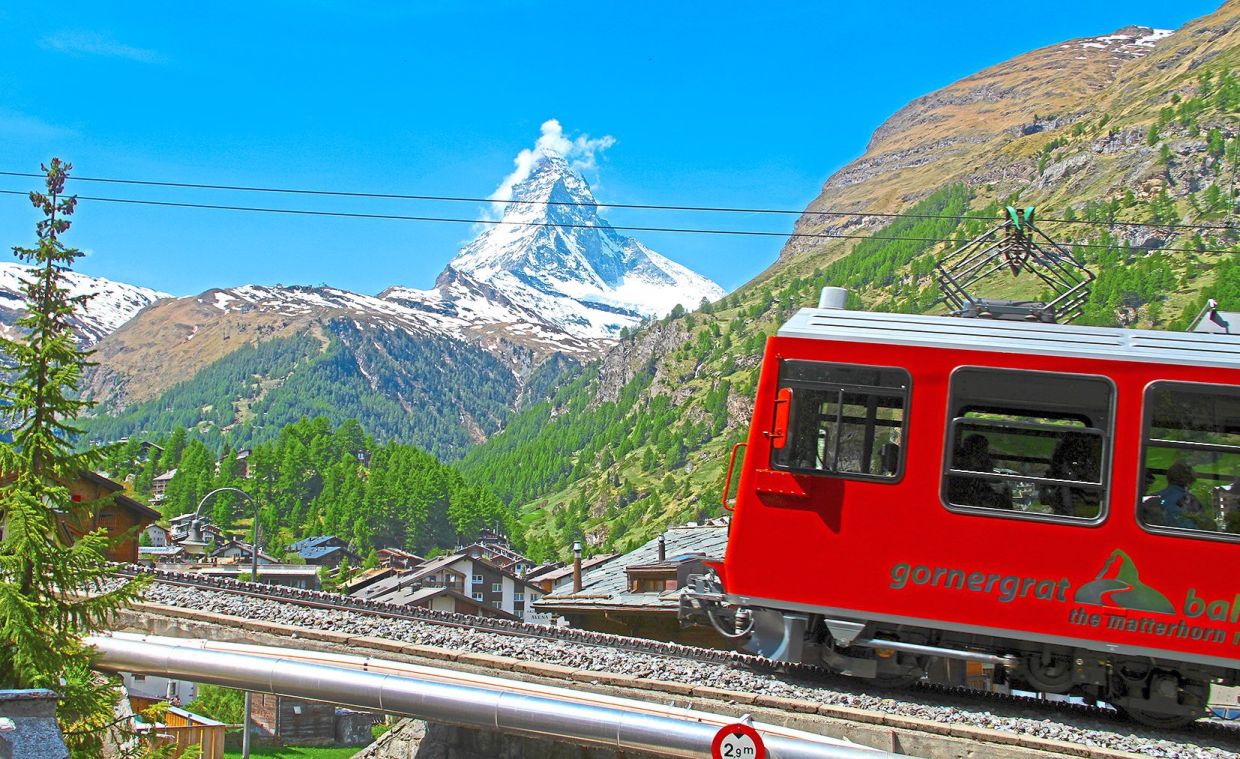
We arrived in car-free Zermatt in the late afternoon. This alpine holiday village is popular in winter for skiing and hiking in the summer. At 4,478m, the Matterhorn, one of the world’s most recognisable mountains, dominates the view.
The town’s main street appeals for shopping or apres-ski relaxation in one of many atmospheric restaurants or bars. I dined on Alpermagrone (alpine macaroni), cheeses, fondue, and air-dried beef.
I stayed overnight in Zermatt to take Europe’s highest open-air cogwheel railway to the summit of Gornergrat (3,089m) for dramatic views of the Matterhorn. The half-hour journey covers less than 10km, and the views of the Alps from the summit are simply stunning.
Now in reverse
I planned to retrace my Glacier Express journey down from Zermatt on regional trains, to alight at Visp, Andermatt, and Chur.
My time in Visp was brief, as I caught the awaiting PostBus up the mountain to Visperterminen to sample a famous white wine made from Heida grapes. The Valais (Wallis) is Switzerland’s top wine region, featuring some of Europe’s highest vineyards.
Chasselas grapes grow well in various regions of the canton, which is also known for producing its renowned Raclette cheese.
I enjoyed wines from the Valais while on the Glacier Express, and a little online research led me to spend two nights in Visperterminen. The village’s mix of landscape, culture, and wine production made my time there productive yet relaxing.
The village sits above one of Europe’s highest vineyards, where the white
Heida wine has been produced for centuries.
With timber balconies, stonework terraces, and a room angled towards the Alps, my guesthouse could not have been better. For hikers who value space and quiet, the village makes an ideal base.
After several leisurely strolls, it was time to sample Heida with Raclette in a village tavern, and I have to say, everything was perfect.
I survived on my patchy French, and the villagers were intrigued that I had chosen their community over more popular tourist destinations.
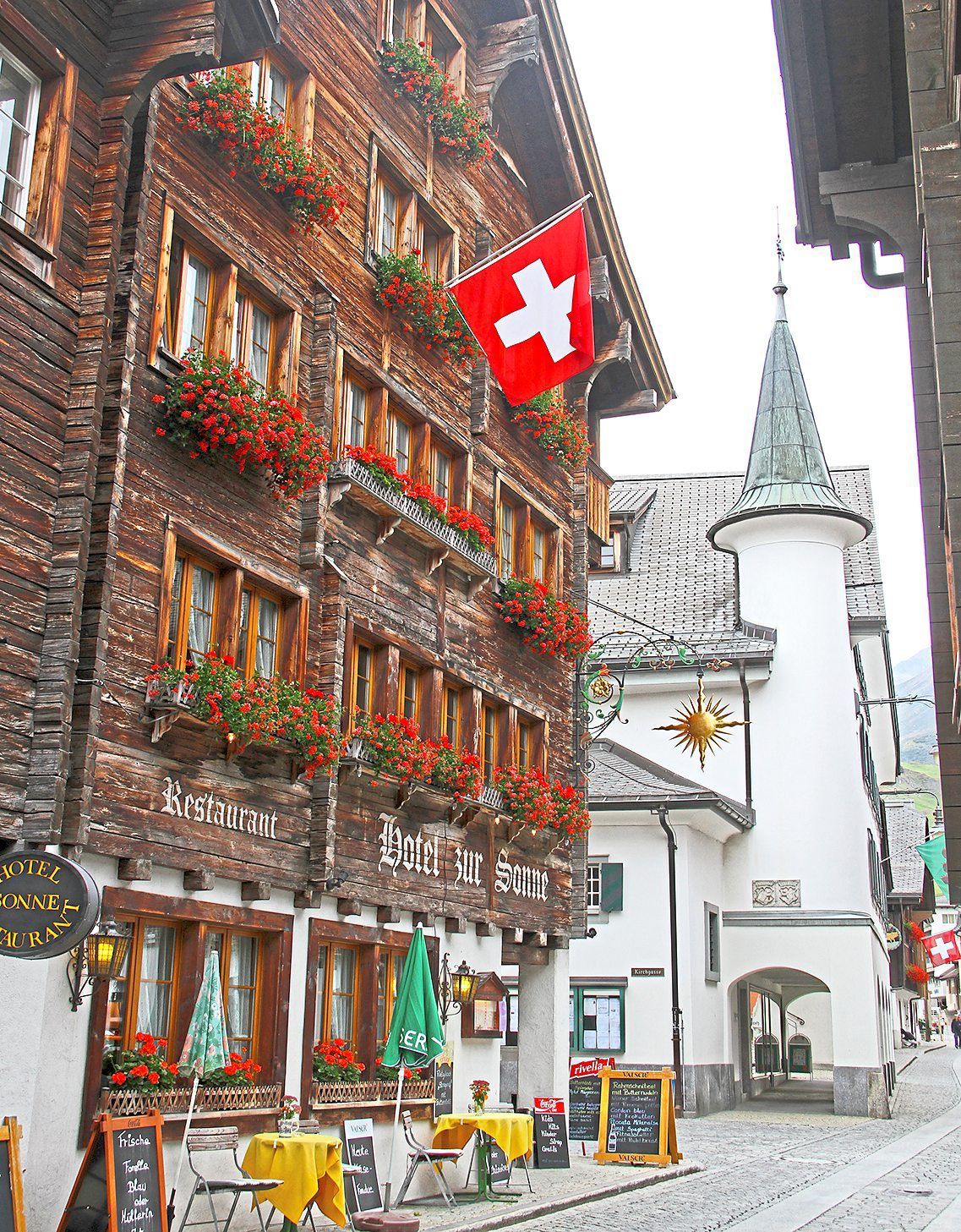
With lungs fully refreshed by an overload of clean alpine air, I retraced my bus journey down to Visp and then to Andermatt by train. Andermatt is known for its wooden heritage buildings lining the narrow main street.
However, the village has morphed from a strategic mountain pass to one of Switzerland’s most closely watched tourism developments, while still grounded in its high-valley setting.
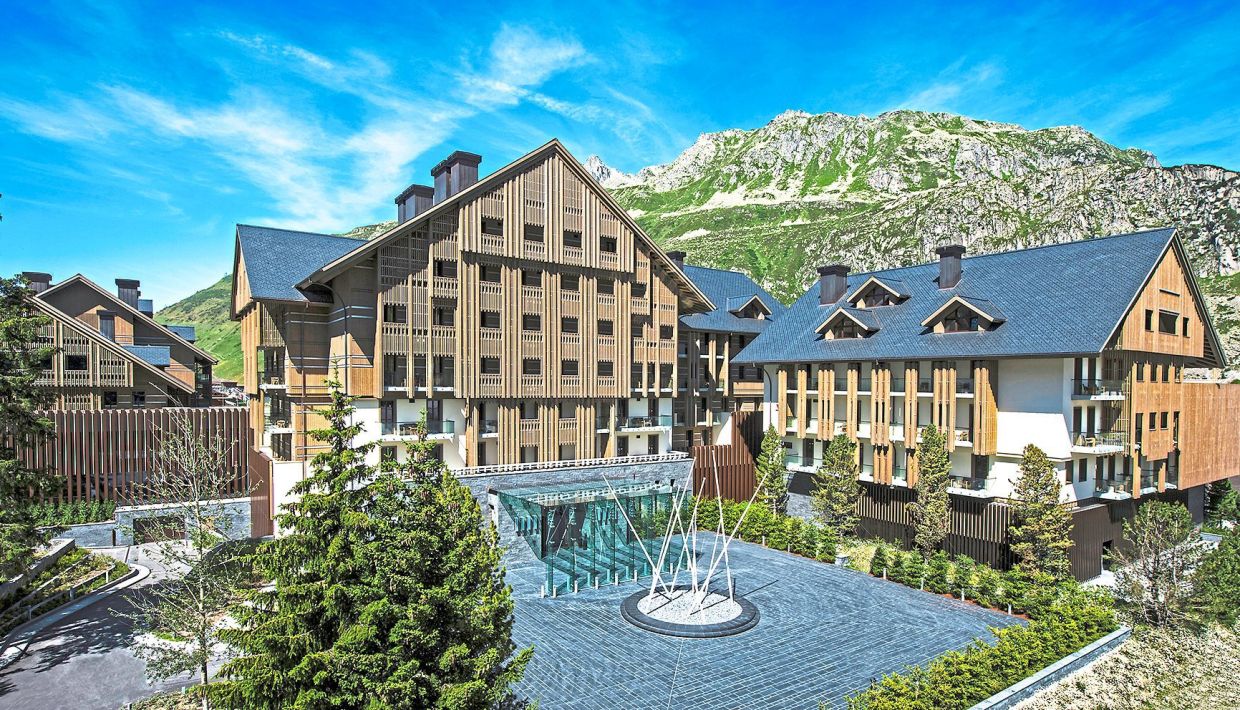
Recent investments in developments such as The Chedi, where I chose to stay, have injected life into the once tranquil town. A luxury development is unfolding around the town’s golf course to turn it into an alpine playground for the rich and famous.
While I enjoyed strolling around the town, I was told that winter attracts skiers who appreciate how quickly they can step from the ski lifts onto quiet valley ski runs.
Interestingly, The Chedi was designed by the Belgium-born, Malaysia-based architect Jean-Michel Gathy. Its luxurious Swiss chalet design was most welcoming, and deep leather lounges, open fireplaces, a well-stocked wine cellar, and creative kitchens created a memorable alpine experience.
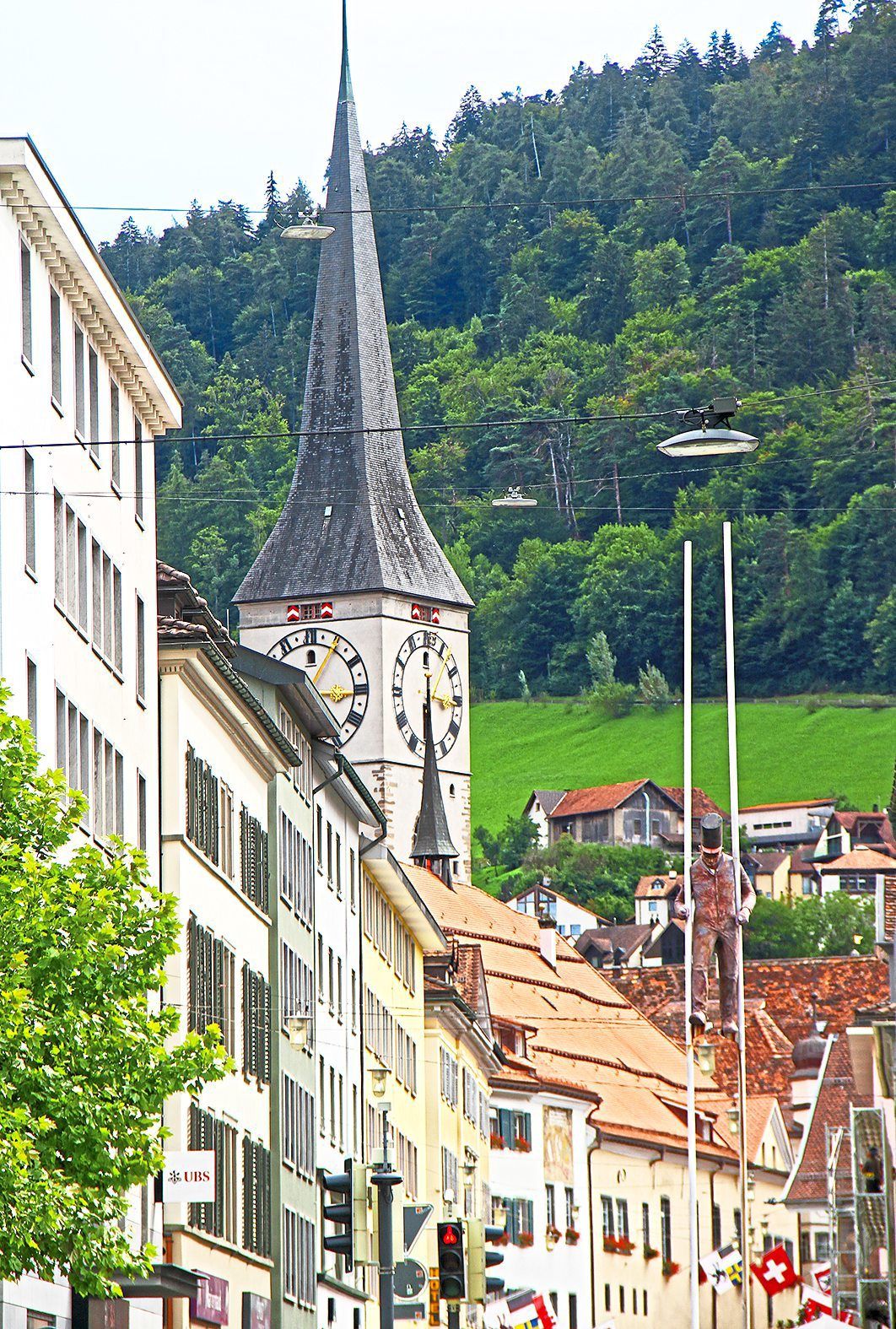
Reluctantly, I dragged myself away from The Chedi and onto the train for the run down to Chur (pronounced “hoor”). The city combines alpine drama in a riverside setting where trade has thrived over the centuries.
Its compact centre blends Romansh, German, and Italian influences in restaurants, signs and conversation.
The serene cathedral quarter, where I stayed, rises abruptly above cobbled lanes within walking distance of the railway station.
Train nerd data
This rail journey of 291km takes eight hours, making it one of the world’s slowest express trains. It travels at an average speed of 36kph through 91 tunnels and across 291 bridges.
The locomotives are operated by the Rhatische Bahn (RhB) and the Matterhorn Gotthard Bahn (MGB), with 151km on the former and 140km on the latter.
While passengers holding rail passes have access to the Glacier Express, seat reservations are compulsory and chargeable. Reservations can be made up to 90 days in advance, and tickets sell out quickly, especially in excellence class.
Travel Notes
How to get there: There are no direct flights to Switzerland (either Zurich or Geneva international airports) from Kuala Lumpur, but many airlines offer transit and connecting options. SWISS, for example, flies to Zurich daily from Singapore with connecting flights from KL on partner airlines.
Ground transport: A Swiss Travel Pass (swisstravelpass.com) is a convenient way to explore Switzerland on public transport (trains, buses, ferries, and trams). However, pass holders need to make an additional online seat reservation to travel on the Glacier Express.
Contact: Switzerland Tourism
Spectacular Glacier Express journey
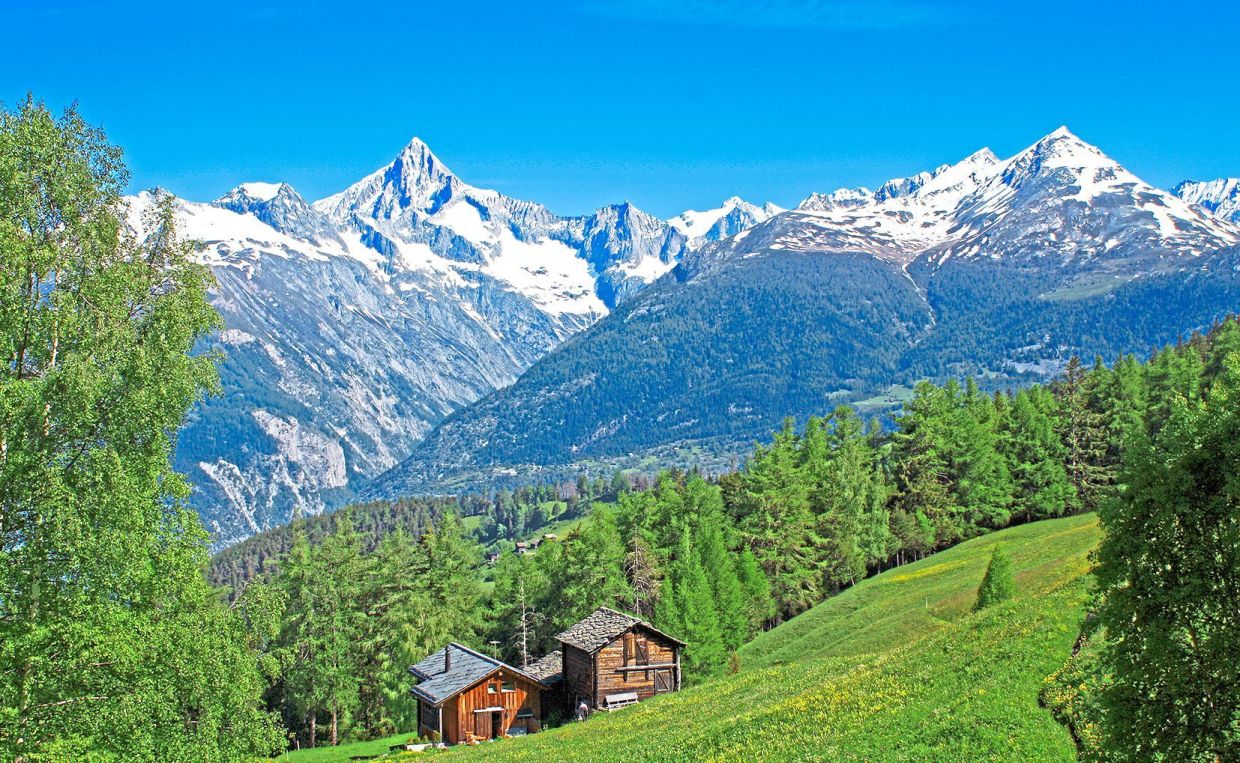
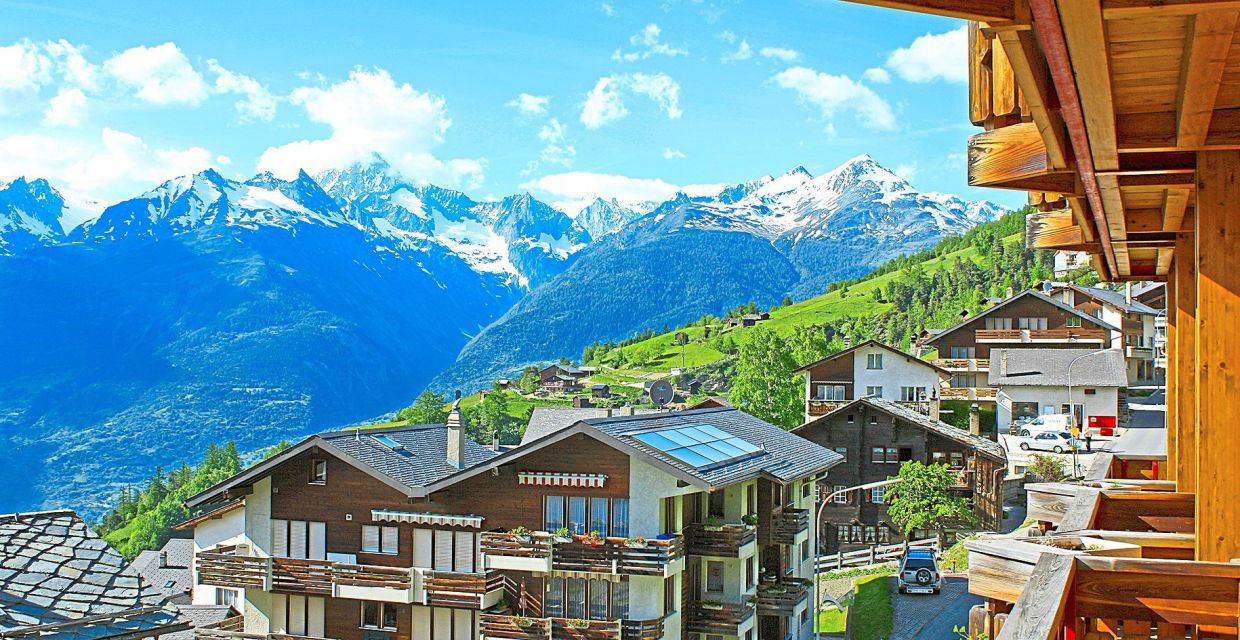
Admire the magical alpine scenery at Visperterminen in Switzerland. — Photos: DAVID BOWDEN
Admire the magical alpine scenery at Visperterminen in Switzerland. — Photos: DAVID BOWDEN
Enjoy the lakes and mountains in St Moritz before heading off on the Glacier Express.
Enjoy the lakes and mountains in St Moritz before heading off on the Glacier Express.
Deviate from the main railway line and head up to Visperterminum to enjoy local village life.
Deviate from the main railway line and head up to Visperterminum to enjoy local village life.
A dramatic view of the Matterhorn from Zermatt is the reward for travelling on the Glacier Express.
A dramatic view of the Matterhorn from Zermatt is the reward for travelling on the Glacier Express.
Church spires, like this one in Chur, are a dominant feature of the old towns in most Swiss locales.
Church spires, like this one in Chur, are a dominant feature of the old towns in most Swiss locales.
The Glacier Express features panoramic windows for admiring the picturesque scenery.
The Glacier Express features panoramic windows for admiring the picturesque scenery.
The Glacier Express is an indulgent eight-hour rail journey from St Moritz to Zermatt.
The Glacier Express is an indulgent eight-hour rail journey from St Moritz to Zermatt.
Gornergrat Railway is an extension of the Glacier Express that runs from Zermatt towards the Matterhorn.
Gornergrat Railway is an extension of the Glacier Express that runs from Zermatt towards the Matterhorn.
The lodge-like facilities at The Chedi in Andermatt provide a warm welcome for Glacier Express passengers. — The Chedi Andermatt
The lodge-like facilities at The Chedi in Andermatt provide a warm welcome for Glacier Express passengers. — The Chedi Andermatt
The tranquil main street of Andermatt is lined with old wooden buildings.
The tranquil main street of Andermatt is lined with old wooden buildings.