



Australia's is a popular holiday destination for Malaysians, but Darwin has been off the travel radar for most travellers, at least until a local airline commenced direct flights from Kuala Lumpur about six months ago.
When I told an Australian friend who was familiar with the capital city of the Northern Territory, he said that you “haven’t been to Australia until you have made it to the top”. I thought he was referring to social or economic status until he explained that the northernmost parts of the continent are known as the “Top End”.
My flight from KL looked to be full of Northern Territory-ians heading home after an Asian adventure, as well as young, smiling adventurers travelling to Australia. My partner and I were setting out to explore a little of what this destination had to offer and were excited about the prospect of admiring several of the territory’s wondrous natural sites from the comfort of a campervan.
The plan was wildly laidback as we planned to explore Darwin while staying at a hotel, before setting off to Litchfield and Kakadu National Parks in a Star RV campervan.
Destination Darwin
Having a smaller population than Australia’s other big cities, Darwin doesn’t shout, nor does it try to over-impress. We discovered that it’s a city that was bombed during World War II, and battered by Cyclone Tracy in 1974, but it remains most welcoming of adventurous travellers to Australia’s far north.
I’d also read that Darwin was one of the nation’s most multicultural cities and a gateway for young people travelling to Australia on an extended working holiday or gap year from their studies.
Here, in Australia’s most multicultural capital, breakfast isn’t always an Aussie fry-up, but possibly a spicy mango salad, laksa or roti, complemented with by Vietnamese iced coffee and the chatter of several different languages.
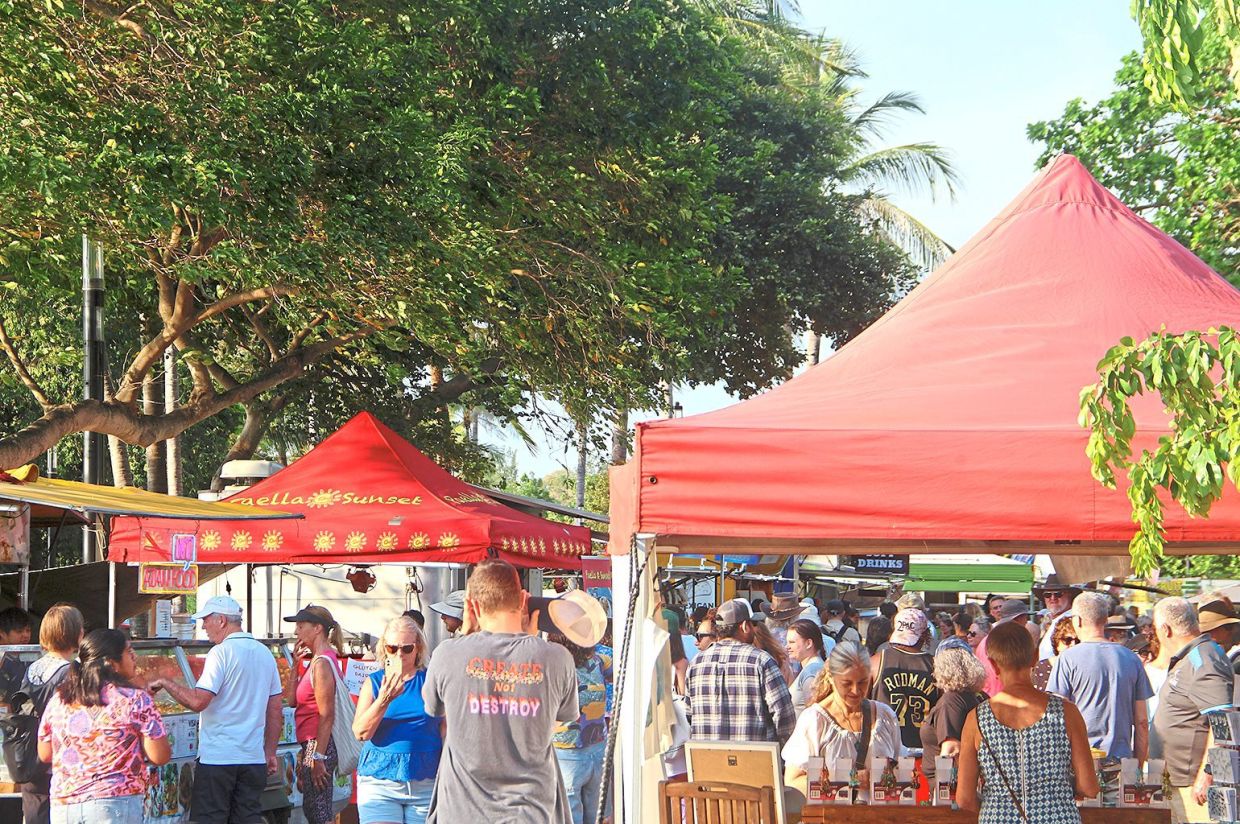
At the vibrant Mindl Beach Sunset Markets, we watched a woman prepare laksa next to a man selling exotic tropical herbs grown fresh in the territory. Staged every Thursday and Sunday during the dry season (April to October), the 200 market stalls come with the added bonus of sunsets over the Timor Sea.
One stall was offering exotic local meats of crocodile, kangaroo and emu. Another was selling First Nations paintings on bark of the uniquely local dot artwork whose pigments are sourced from ochres, earths, barks and native plants. Street artists and musicians added to the very laidback vibe, and Malaysians will definitely feel at home.
On the road again
As the sun climbed and the humidity followed us out of Darwin, we headed south towards Litchfield National Park. We travelled down the Stuart Highway, getting acclimatised to the idiosyncrasies of the campervan with the Darwin skyline fading off to the north. Within a few kilometres from the city, the land was flat, open and punctuated by scrubby savannah vegetation.
This wild and remote part of the ancient continent began to reveal itself and held a lot of intrigue with its rich biodiversity, vast open spaces and few inhabitants.
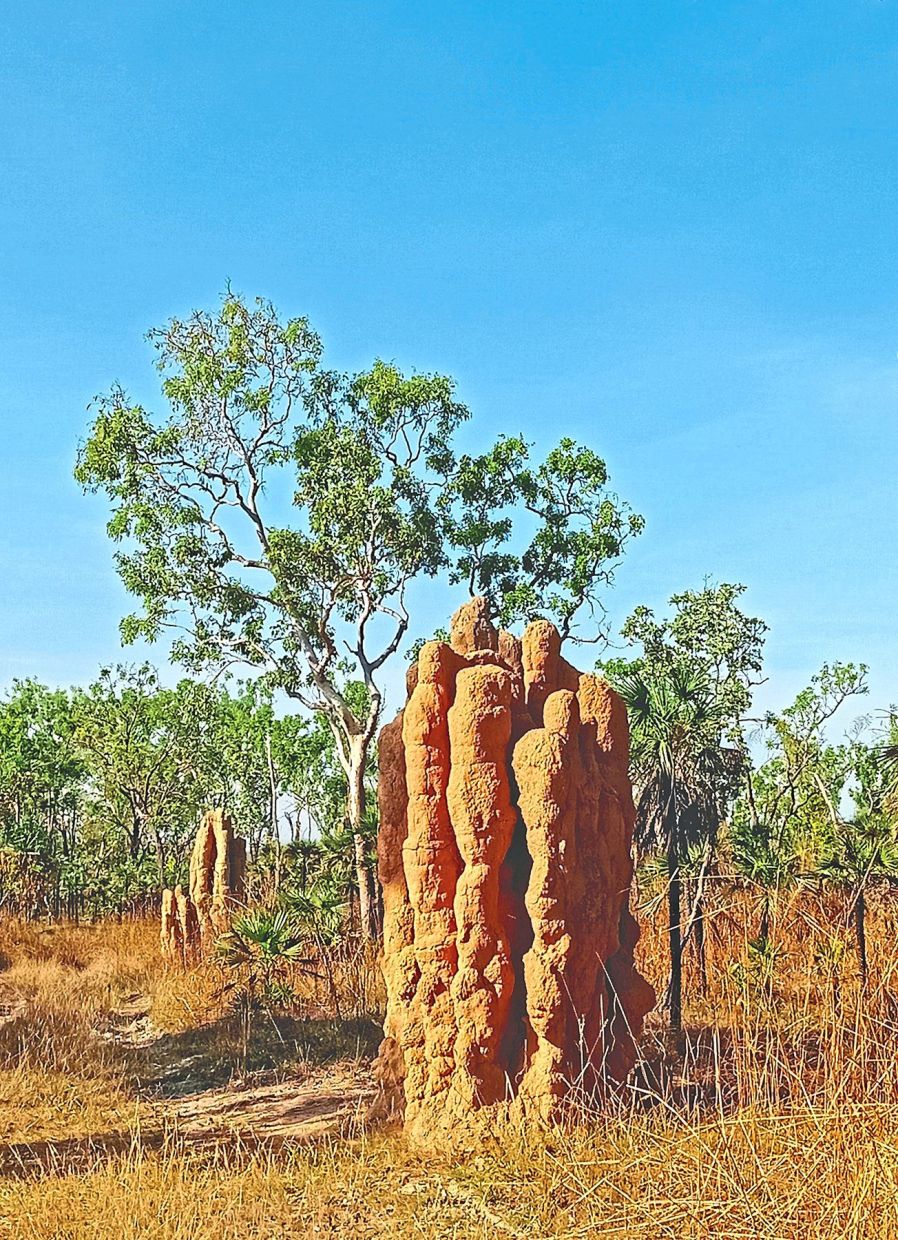
An hour out of Darwin, the Stuart Highway gives way to monsoon forest with pandanus understorey, and we began to see giant above ground termite mounds, first a few scattered shapes in the bush, then whole graveyards of them. Several metres tall, aligned perfectly north to south, these natural compasses are architectural marvels that emerge from the ground like ancient monuments, uncanny in their scale and precision.
While it was the dry season, Litchfield isn’t about a parched landscape; it’s also about the water. Florence Falls, our first stop, came with no fanfare, just a short walk along a trail lined with paperbark trees before the double waterfall revealed itself.
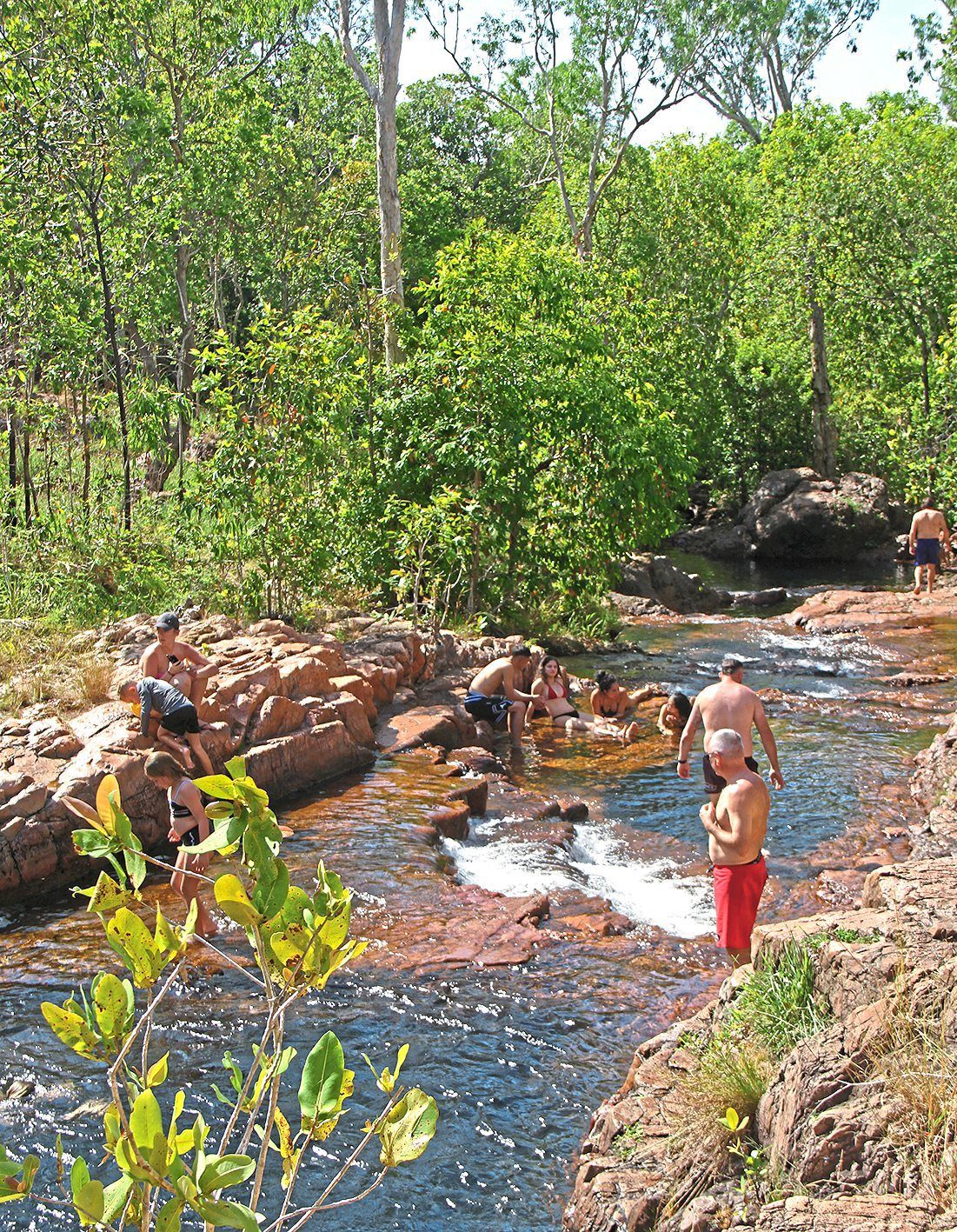
Nearby, at Buley Rockhole, kids cannonballed between natural terraces into the water.
While both were tempting, we headed to Wangi Falls instead where the water pounded down a rocky escarpment into an expansive pool where scores of swimmers were making the most of the cool water on a hot day. It didn’t take much encouragement for us to join them.
Freshwater crocodiles are a remote possibility here though we had been informed that the park rangers do a thorough inspection at the beginning of the tourist season.
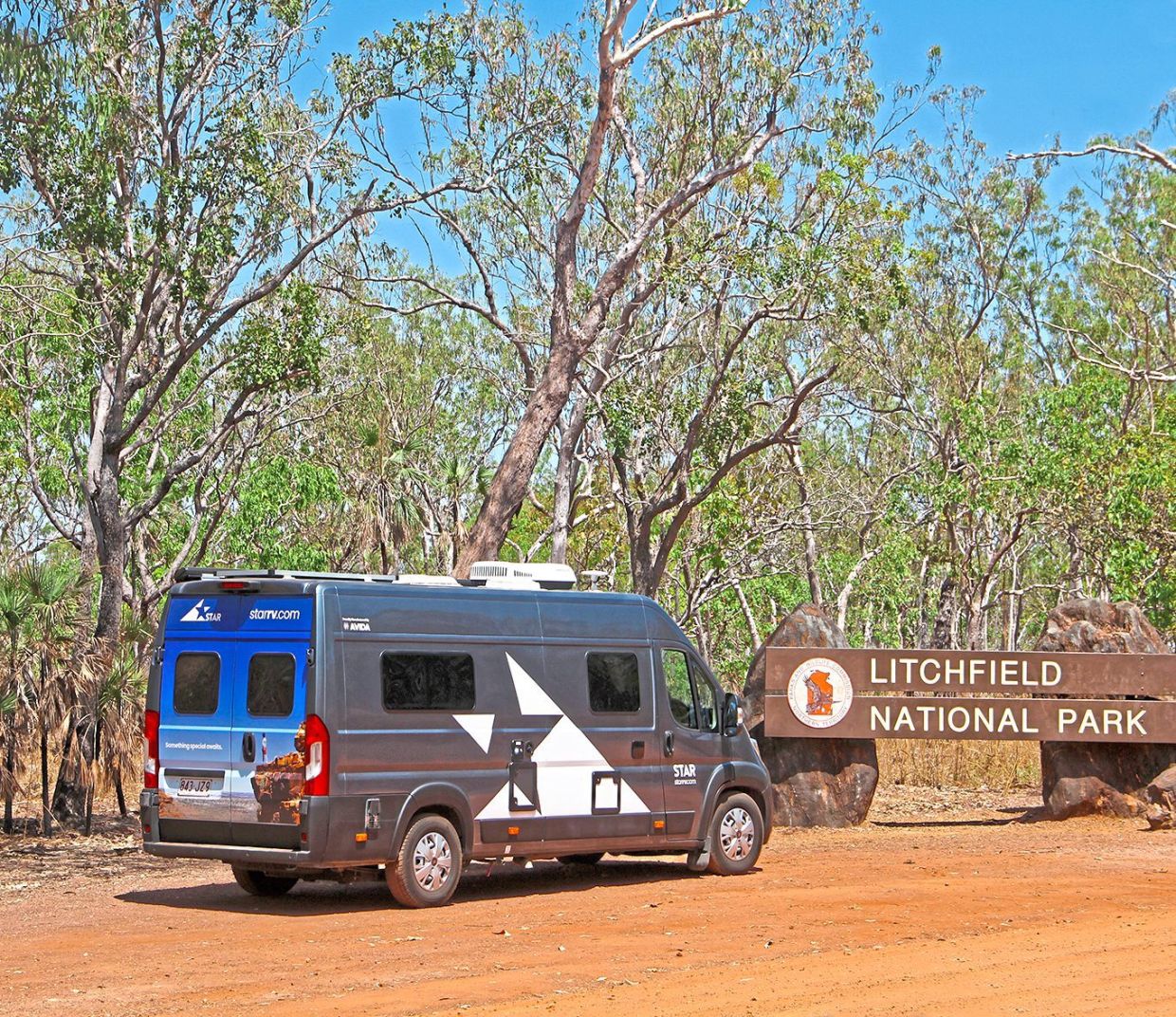
Pulling into Litchfield Tourist Park, we parked the campervan and started to prepare dinner using the barbecue equipment provided in the camp grounds. Under a canopy of trees and stars we planned our long journey to the Kakadu National Park the next day.
Kakadu fun
Litchfield is very much an enjoyable prelude to Kakadu, which is very much the main ecotourism act in the Top End. At nearly 20,000sq km, it’s Australia’s largest national park.
While many tourists spend days or even weeks exploring all that the park has to offer, we had to be meticulous in our planning and timing to maximise our time in the park.
We approached from the south-east, turning off from the Arnhem Highway and driving through floodplains that stretched flat and green towards the heat-blurred horizon. Road signs warned of buffalo, crocodiles, and flood damage, and we soon realised that this land is to be respected.
Speaking of respect, in the Top End, stories of the land and the past are best related by those who know it well. Australia’s First Nations people have been an essential part of the landscape here for over 60,000 years.
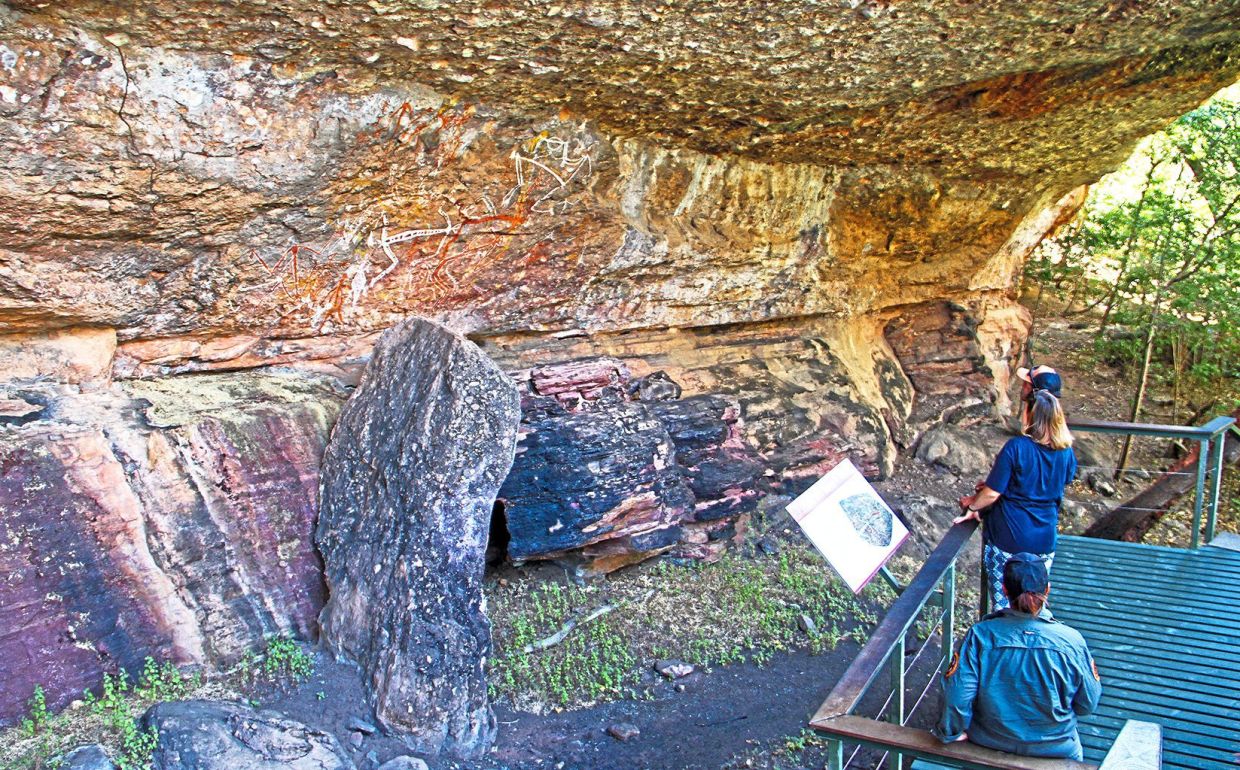
Encounters with First Nations people are limited but we managed to join ranger-guided walks at two important ancient rock art sites. While archaeologists and even First Nations people debate the ages of these sites, most agree they are several thousands of years old and some of the oldest in the world.
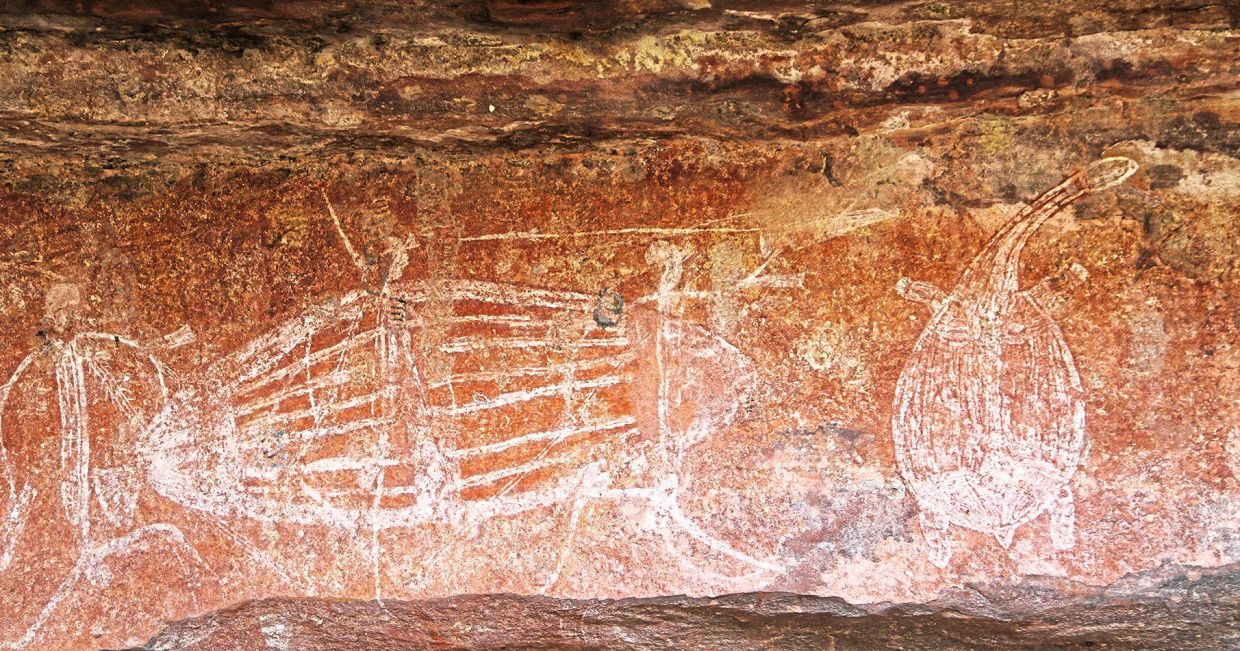
At Ubirr, fish, turtles, x-ray visions of humans and animals, and ancestral spirits, are painted onto the iron-rich sandstone rock in white ochre and charcoal. These layers of layered have been painted over centuries on an ancient stone canvas.
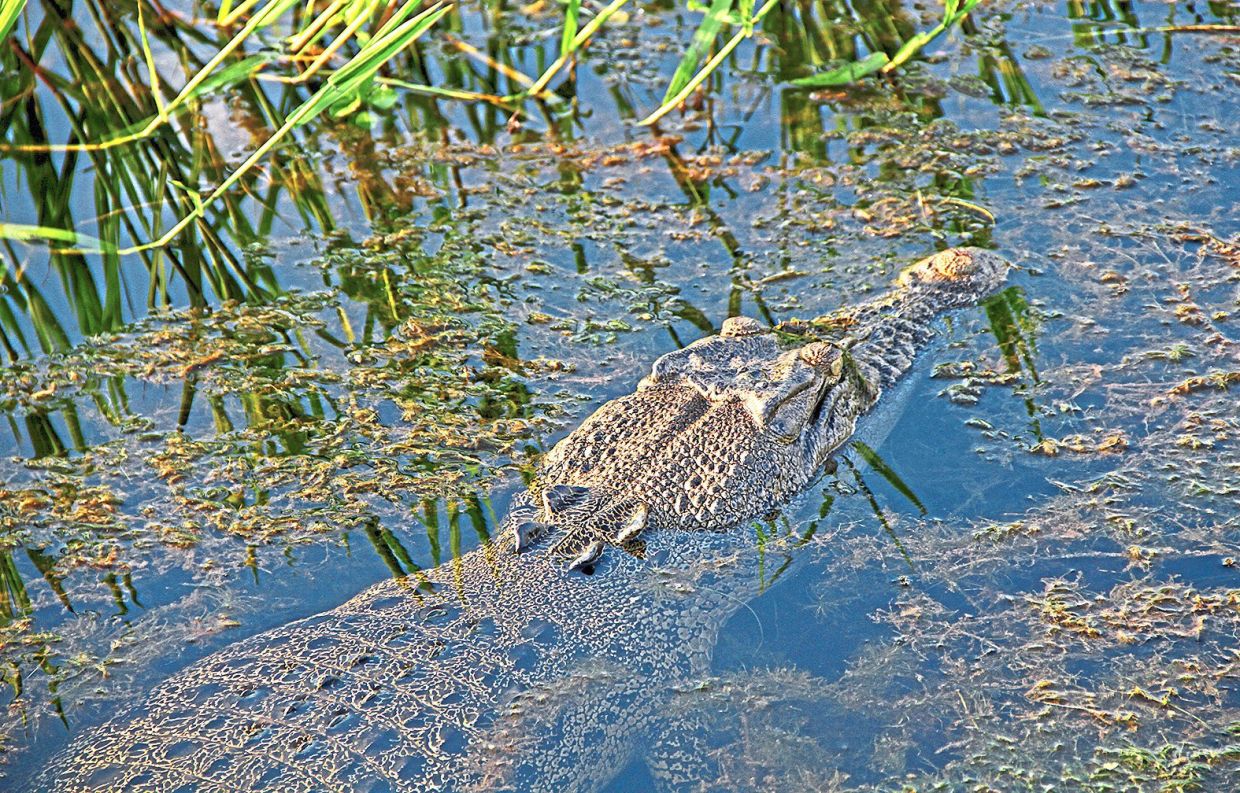
At Cahills Crossing on the way back to Jabiru from Ubirr, we stopped to locate freshwater crocodiles resting on the surface of the waters of the East Alligator River. Warning signs here, and in other parts of the park, reminded visitors that crocodiles were not something to mess with.
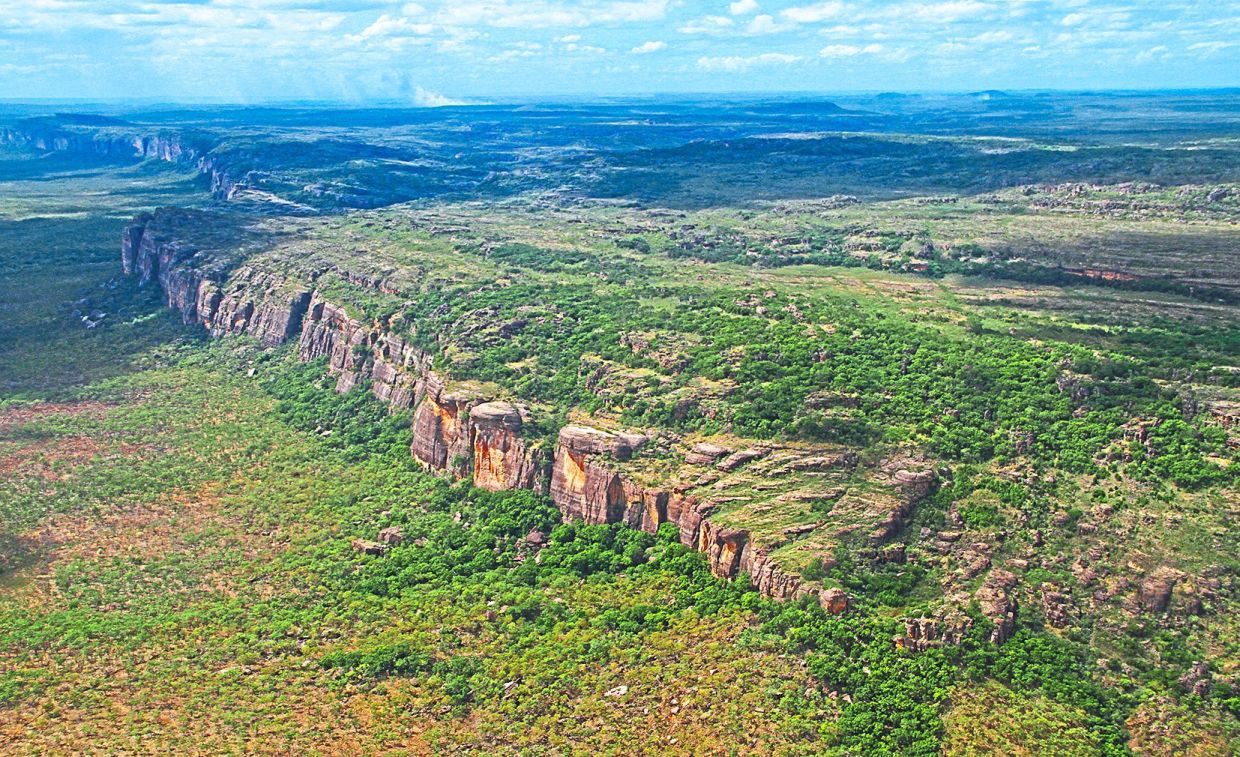
Several lookouts rise above the park’s rocky escarpment. From their summit, we saw vast verdant wetlands and low savannah scrub stretching into the blue haze.
No trip to the Top End is complete without appreciating the importance of water. Australia is a land of hydrological extremes, either too much water or too little.
In the Top End, water is evident in sparkling plunge pools, and vast wetlands or billabongs that are home to many lifeforms.
Crocodiles and civilisation
After a hot and tiring day, we pulled into Yellow Water Campsite at Cooinda and set up the Star RV for another night’s sleep in this oasis in the wilderness. The barbecue facilities here were excellent and we were glad we had stocked up in Darwin as prices in remote Australia are expensive because of the high transportation costs.
Activity in Australian campsites dies off quickly in the evening, but we were appreciative of an early night as we had planned an exciting early morning activity.
The Yellow Water Cruise takes passengers through one of the world’s most extensive wetlands and crocodile habitats in Kakadu. On our small group cruise, we crossed a wetland lined with majestic paperbark trees and pandanus palms, and got very close to crocodiles that looked as if they hadn’t had breakfast yet.
We noticed large wading birds hunting in the shallows cautiously conscious that maybe they were within striking distance of a hungry crocodile. Our guide reassured us that most birds were not included in the crocodile’s diet.
By the time we arrived back into Darwin five days later, we’d exhausted our clean clothes, fresh fruit, and superlatives to describe the Discovery Channel of natural spaces we had explored. However, we were enriched through our intimacy with a landscape that continues to beckon those with an adventurous spirit.
We appreciated the fact that if you take your time here, and if you travel rather than visit, the Top End is very different to the Australia as seen by most Malaysians who only go to the continent’s main cities.
From Darwin’s quiet resilience and multicultural landscape to the impressive waterfalls at Litchfield and the ancient escarpments of Kakadu, this part of Australia reveals nature in its best light.
Our campervan was more than just a means to get around; it provided a bridge between hotel comfort and camping under the stars. It enabled us to linger longer, to stop where few tourists venture, while camping where the only sounds were croaking frogs and the breeze in the trees.
After enjoying the freedom of travel that came with the campervan, we contemplated a road journey from Australia’s Top End to its “bottom end”, flying into Darwin and flying out of Adelaide.
Travel notes
How to get there: AirAsia flies to Darwin from Kuala Lumpur four times a week, with the flight taking just five hours. There are also flights from Darwin to Bali, Indonesia and then onto KL for those who enjoy dual destinations, or don’t mind a slightly longer flight.
Getting about: Rent a campervan (like the ones from Star Recreational Vehicle or JUCY) or a car, which would require you to book accommodations. If travelling with someone with a mobility disability, then speak to a tour agent to figure out the best and most comfortable way to get around.
Where to stay: In Darwin, stay at the DoubleTree by Hilton Esplanade or the Darwin Hilton. For resort-like accommodation, there’s the Mindil Beach Casino Resort. With your campervan, camp out at Litchfield Tourist Park.
Top End's wild beauty
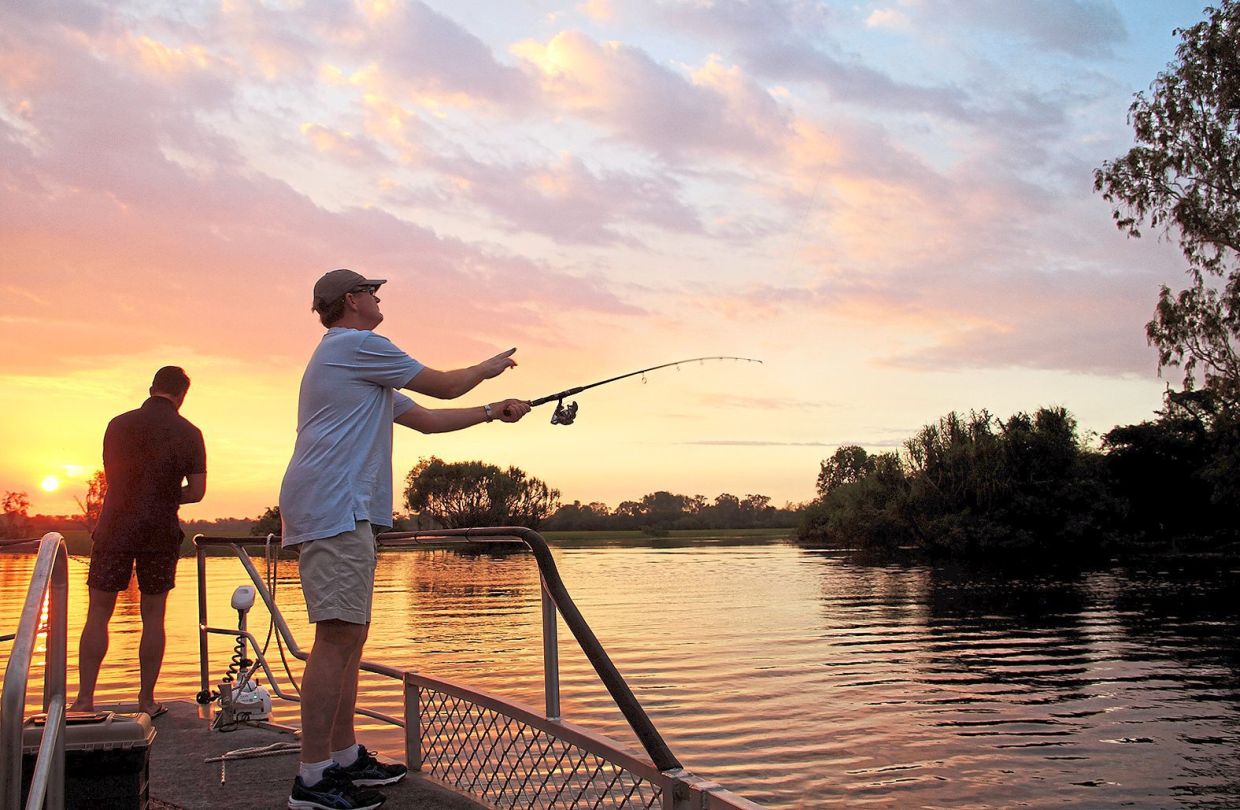
Fishing at sunrise at Yellow Water. — Photos: DAVID BOWDEN
Adventurers will love the freedom of discovering natural places in a campervan.
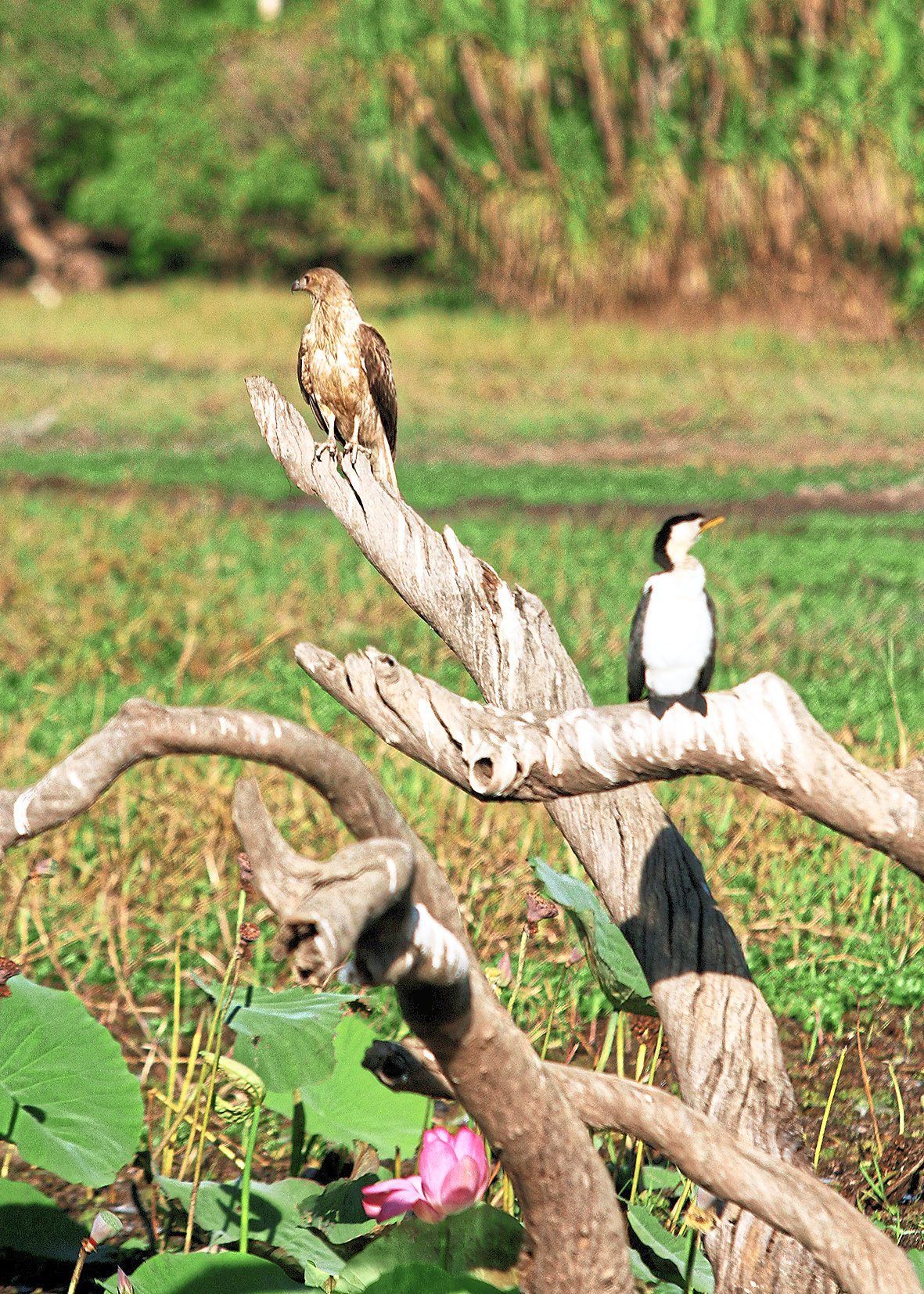
A Whistling Kite (left) and a Pied Cormorant sharing a perch at Yellow Water.
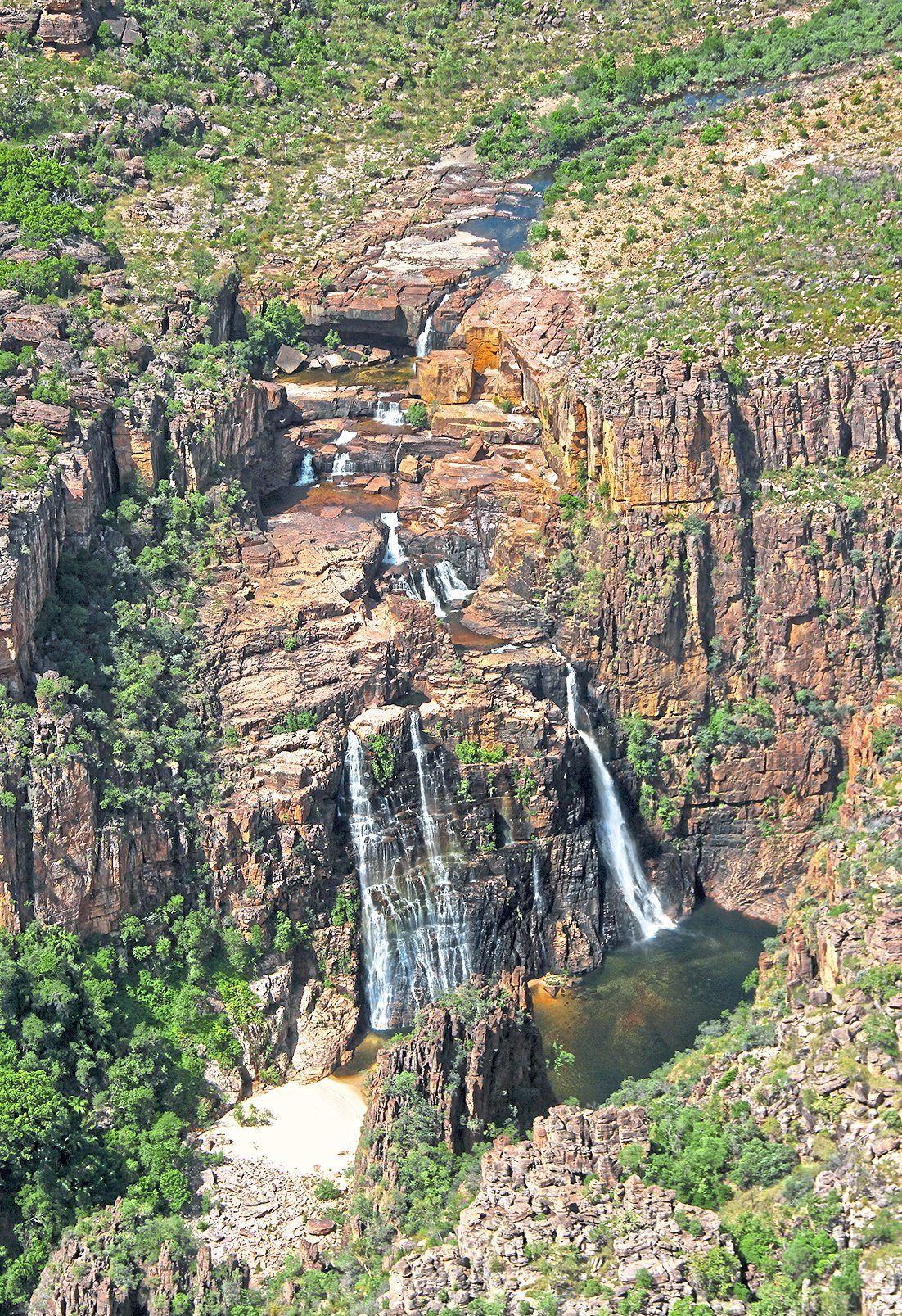
A flight on a small aircraft from Jabiru town over Kakadu is the best way to admire the Twin Falls.
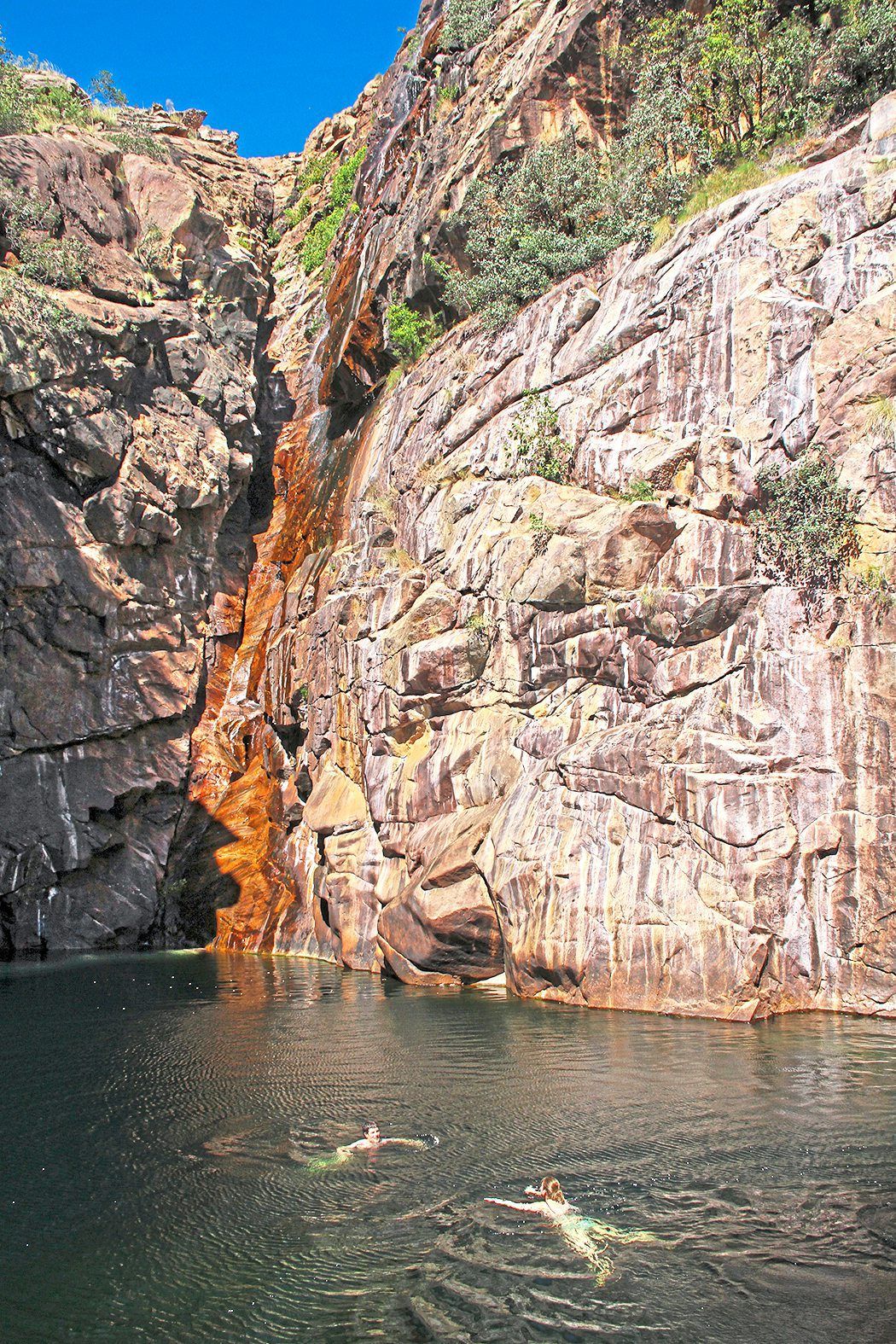
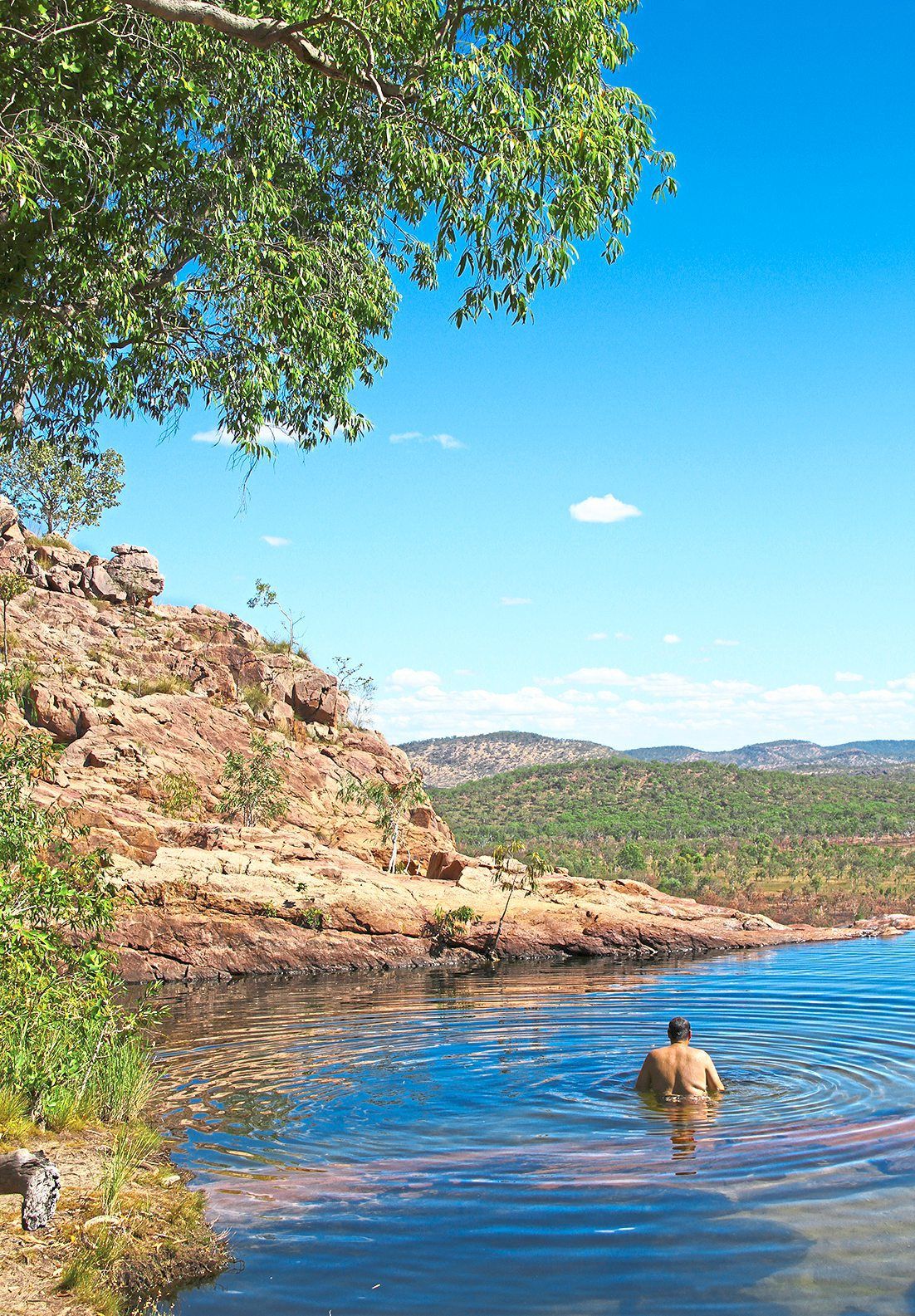
Enjoy swimming in pools like Motor Car Falls at Yurmikmik in Kakadu National Park.
Get close to crocodiles in the safety of a boat during a river cruise at Kakadu.
Giant termite mounds are a promienent feature of Australia’s Top End.
People swimming at Buley Rockhole in Litchfield National Park.
Ranger-guided walks are possible to admire significant rock paintings at sites such as Burrungkuy in Kakadu.
Rock paintings of Australia's First Nations people can be admired at Ubirr in Kakadu.
You can swim in the cool ponds at Yurmikmik Lookout.
The Arnhem Land escarpment is a prominent landform in Kakadu National Park.
The Mindil Beach sunset market is very popular with tourists and locals.


