
Camping has become more than just an outdoor activity, especially for the younger generation. For many, it is a way to escape the daily grind and reconnect with nature, even if only for the weekend.
More young Malaysians are also choosing to swap the city life for the forest and mountain air.
But beyond the scenic views and cosy setups, seasoned campers say the outdoors should never be taken lightly. Nature can be unpredictable. Heavy rains and changing weather conditions are part and parcel of camping, especially in tropical regions like Malaysia.
Preparation, awareness and understanding the environment are just as important as the adventure itself.
From choosing the right campsite to recognising warning signs in the forest, two experienced campers share some of the lessons they have learned from years of spending time outdoors.
Before you head out
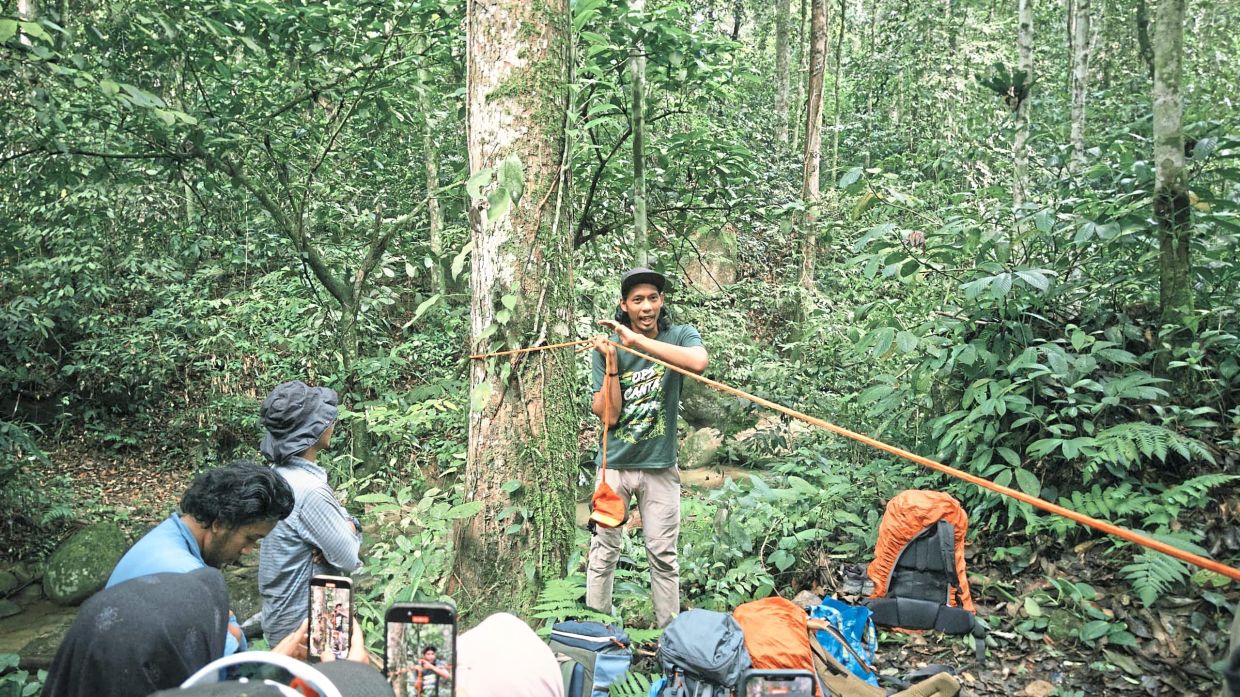
“There have been cases where tents were swept away by the river because campers set up too close to the water,” says avid camper Abdul Rahman Mohd Ridzuan, 28.
“Losing your tent is one thing. Putting yourself and your friends in danger is another.”
That is why, he says, planning ahead matters just as much as packing the right gear.
Abdul Rahman, who started camping 10 years ago, says many first-timers underestimate how quickly conditions in the forest can change.
Over the years, his love for exploring the great outdoors has brought him to places around Perak including Mount Korbu, Mount Gayong, Mount Batu Putih and Mount Liang. And this passion eventually led him to become a certified mountain guide a few years ago.
One of the biggest dangers campers need to be aware of is the “kepala air”, a sudden surge of water going downstream that is caused by heavy rain upstream.
(Upstream refers to the direction that goes towards the river’s source and against the current, while downstream is the direction towards the river’s mouth, going with the current.)
“There may be some warning signs, so campers, hikers or anyone in the forest should never let their guard down.”
Among the signs he watches out for are a loud roaring sound coming from higher ground, river water suddenly turning muddy and dark brown, and floating debris such as twigs, leaves or foam moving rapidly downstream. Another common sign is the river level rising unusually fast, with currents becoming much stronger.
“Even if the weather around your campsite looks calm, heavy rain could already be falling upstream,” he explains. “You may even hear sounds like explosions caused by landslides or tree roots breaking.”
The first rule of thumb when camping near a river, Abdul Rahman stresses, is to never pitch your tent too close to the water.
“You should stay at least 50m away from the river. To be really safe, 100m is even better,” says the mountain guide.
One camping trip in Tanjung Malim in Perak remains fresh in his mind years later.
“I was leading a group of university students on a camping trip. Everything seemed fine until suddenly it started pouring,” he recalls. “When we were on our way out, the river water level rose rapidly. But we had to cross several creeks and rivers to get out.”
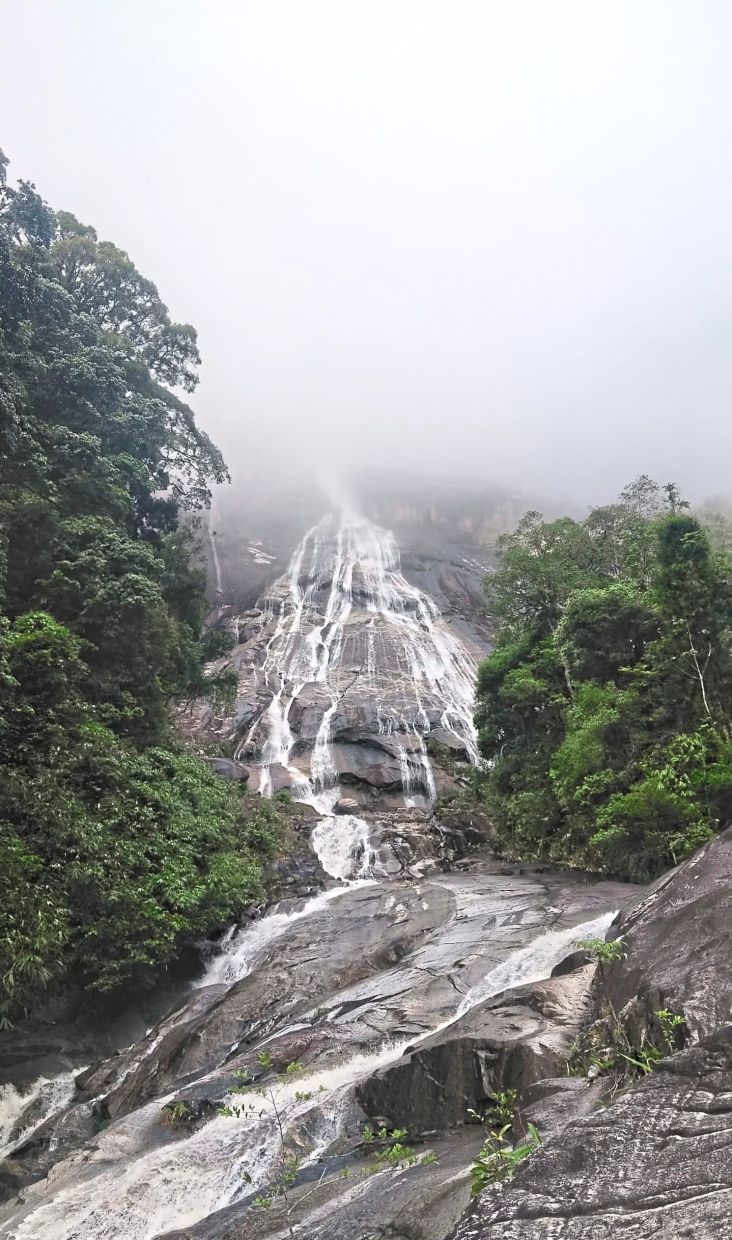
What worried him most at the time was how fast the river changed colour and speed.
“That was when I knew we had to stop moving and stay away from the riverbanks.”
The group split into three smaller teams but stayed within visible distance of one another, communicating through handheld radios while waiting for the water to recede.
“We stayed on higher ground and waited for more than four hours before it was finally safe to move again.”
Incidents like these are a reminder that campers should never take preparation for granted, especially with Malaysia’s ever-changing weather.
“Rain is one of the biggest challenges when camping in Malaysia,” says Redzuan Haziq Mohamad Khir, 33.
He started camping a few years ago and has since explored sites such as Cherating, Cameron Highlands and Bentong in Pahang, as well as Hulu Langat in Selangor. He now makes it a point to go camping every three months.
“The mistake many newcomers make is not gathering enough information about where they are going,” he says.
Proper planning, he says, starts before stepping into the forest: checking weather forecasts, understanding the campsite layout, so you know where the rivers, slopes and safer camping spots are.
It also helps to read reviews from people who have stayed there before, he adds.
Better together
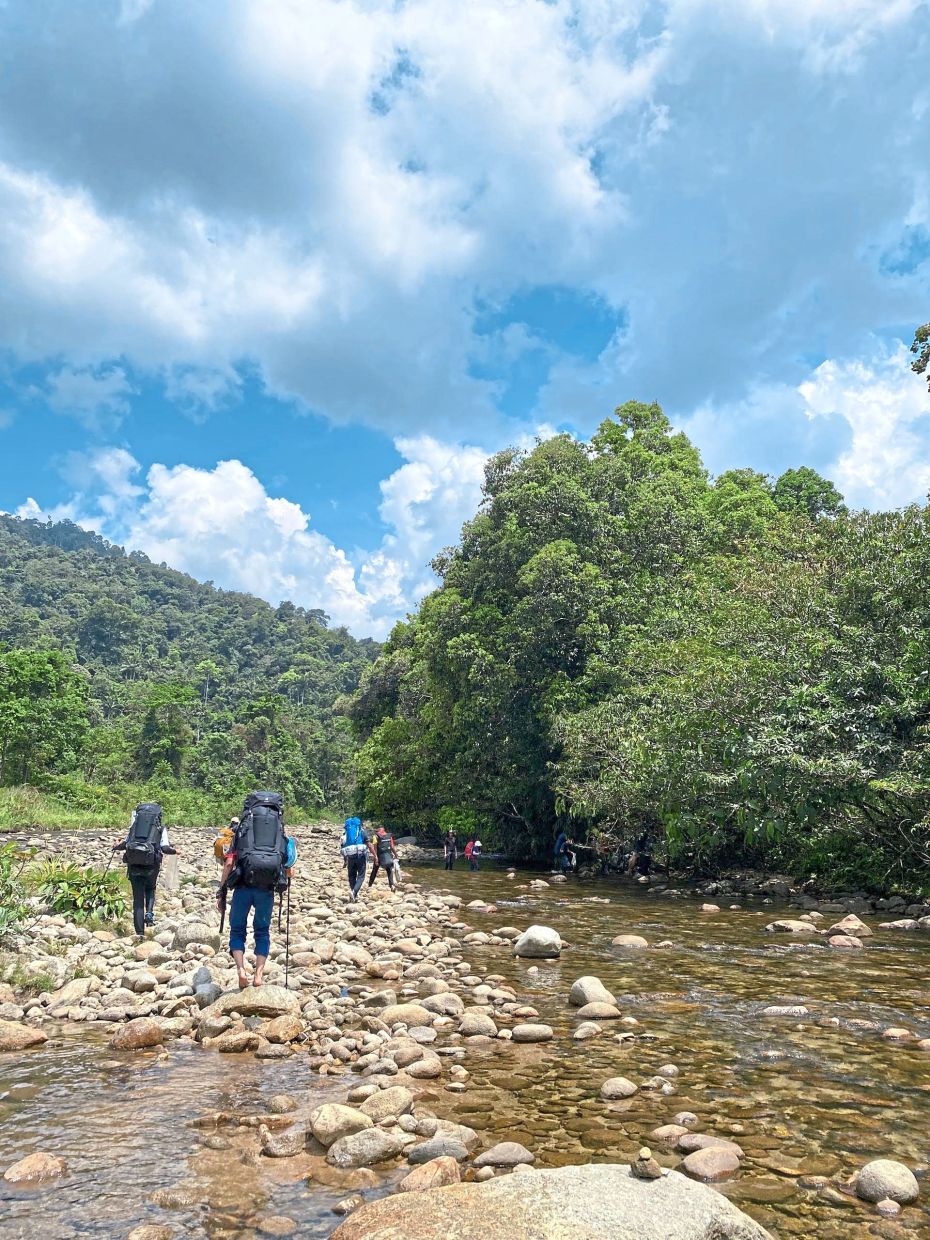
For those just starting out, both Redzuan and Abdul Rahman recommend beginning with campsites that are already commercially managed.
“Places with camp operators are easier because there are usually online reviews you can read up on, and proper facilities at the site,” Abdul Rahman says.
“You can slowly learn the basics from these sites before trying more remote places or wild camping.”
Wild camping means staying in less developed areas with little to no facilities, often far in the forest or jungle.
Still, online research alone is not always enough.
“The best thing you can do is talk to someone experienced,” he says. “Especially if you are planning to go somewhere less accessible.”
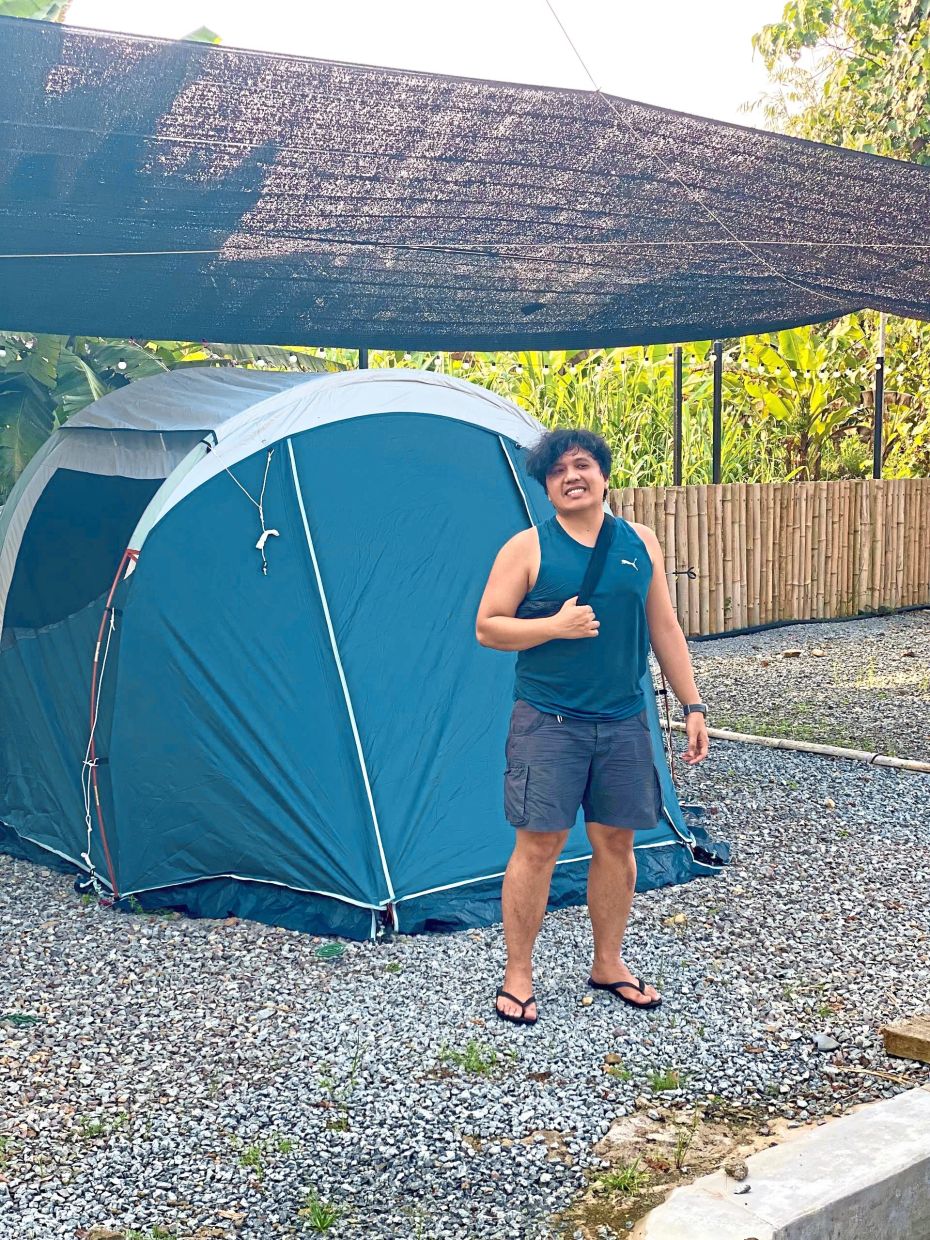
Malaysia’s humid weather can also catch first-timers off guard. Even without rain, your tent, clothes and bedding can become damp.
“It’s hard to dry clothes because of the humidity,” says Redzuan, a media planner.
“That’s why if you are doing it for the first time, you should look for campsites with facilities like toilets, electricity and hot water first. It makes the experience less stressful and more enjoyable.”
While solo hiking or camping has become increasingly popular among outdoor enthusiasts, Abdul Rahman advises against doing it if you’re a beginner.
“A lot of people enjoy solo hiking and camping because it gives them freedom and some quiet time on their own,” he says.
However, he explains that the biggest issue with this kind of endeavour is risk management.
“When you are out in the wild, activities are safer in groups because even small problems can become inconvenient or dangerous,” Abdul Rahman shares.
For example, a twisted ankle or getting lost become much harder to manage without help nearby. Even simple tasks like setting up shelter during heavy rain or crossing rivers can become risky.
“If something happens and you lose your phone signal, there’s no immediate backup,” he says.
Pack smart
Camping may look effortless on social media, but seasoned outdoor enthusiasts say preparation is what makes the experience worth it. Being outdoors often means dealing with situations where help or supplies are not immediately accessible.
Redzuan says these risks should not discourage people from exploring nature.
Just as travellers pack medication before going on trips, campers are also encouraged to keep essential medicine and emergency supplies within easy reach, especially when pharmacies and clinics may be far away.
He shares that one experience taught him not to underestimate small mishaps outdoors. On one of his earlier camping trips with his partner, a fall left him with a badly scraped leg late at night.
“With limited supplies, we could only clean the wound before heading to a clinic the next day for proper treatment,” he says.
Since then, carrying a personal first aid kit has become non-negotiable during every trip for him.
Additionally, he says campers should consider packing antiseptic wipes, insect bite cream, electrolyte drinks and medicine such as antihistamines and painkillers.
Minor cuts, dehydration, leech bites and allergic reactions are among the more common issues campers may encounter in the wild.
Redzuan recalls a camping trip in Cherating, where he and his partner camped by the beach and spent the whole day surrounded by sand flies.
“They bit us everywhere and the itch was unbearable,” he says. “But when you spend time outdoors, you also have to remember that humans are ‘one with nature’ and we coexist with everything that lives there.”
While unpleasant at times, he says insects and other inconveniences are part of the outdoor experience and something campers gradually learn to adapt to.
Encounters with wildlife are part of the experience, too, even more so for those who go wild camping.
Outdoor enthusiast Kathy Chong Man Li, 32, brought bear spray with her during a camping trip in Japan last year.
She recalls spotting Ezo bears – a subspecies of brown bear – during the trip. It was also spring, when bears were coming out of hibernation.
“The mama bear had two cubs following it,” shares Chong, who works in hospitality. “Ezo bears generally do not approach humans unless they feel threatened.”
“So when you are in their ‘backyard’, you have to be mindful and respect their space,” she says.
You may have heard of (or even experienced) wild animals coming close to campsites in search of food. To reduce this risk, Chong advises campers to store food properly, meaning they should never leave it unattended or outside tents, as the smell can attract animals.
Redzuan, however, says that such encounters are less likely at campsites with an established operator. “These areas are usually fenced and well maintained, making it harder for wild animals to enter.”
Abdul Rahman adds that encounters with wildlife should be handled calmly. “If animals charge or rush towards campers, the priority is to move away immediately. If they are nearby, making loud noises can usually help drive them away, especially wild boars.”
But he explains that larger animals such as elephants require extra caution. “You can’t scare them off with noises so it’s advisable to keep a safe distance if they are getting close to you.”
He shares that most incidents occur only when humans accidentally enter animal paths.
“The key is to avoid camping along their routes,” he says, explaining that elephants, for instance, follow the same paths throughout the year, which can sometimes be identified through footprints.
Apart from safety awareness, preparation also includes the equipment campers bring along.
Having the right camping gear is another thing people new to camping often overlook. Experienced campers say you do not need expensive equipment to get started, but you do need things that actually function well.
“Even budget gear is fine as long as you know how to use it properly,” Redzuan explains.
“You need to familiarise yourself with your setup before the trip,” he stresses.
“Otherwise you might end up struggling for hours under the hot sun or heavy rain trying to figure out how your tent works.”
He recommends learning through YouTube tutorials first, or asking camping communities on social media. You can also join trips organised by more experienced campers.
Choosing the right gear for the location is equally important. Campers heading to open campsites may need extra tarpaulins for shade, while remote areas without water access require jerry cans filled beforehand. The wrong tent pegs, meanwhile, can make pitching difficult on rocky or muddy ground.
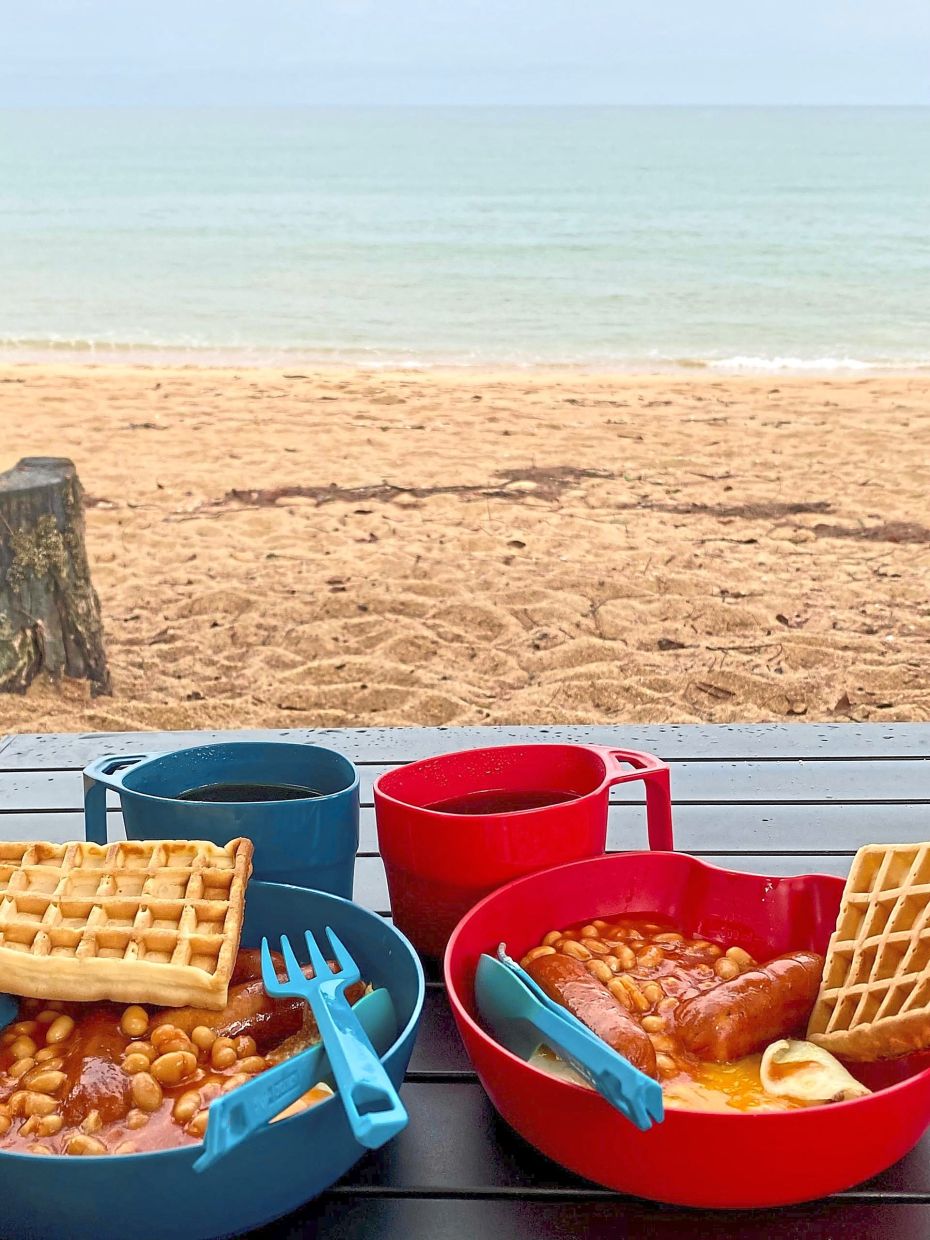
Among the essentials Redzuan and fellow camper Abdul Rahman recommend are a tent with slightly more space for comfort, cooking equipment for those preparing their own meals, and warm-toned lights, which tend to attract fewer insects than bright white lights.
For those just starting out, Abdul Rahman suggests camping with someone more experienced, too, if possible.
“Having someone knowledgeable with you makes things much less overwhelming,” he says. “You learn faster and feel more confident.”
However, he says that not knowing any seasoned campers should not stop anyone from trying. “Just do your research and start small.”
Redzuan, who usually camps for at least two nights, says that on the first day, everyone is usually busy setting things up. “The second night is when you can finally slow down and really enjoy the place,” he shares.
The beauty of camping is what you do when there’s nothing planned.
You can watch movies under the stars, play board games, explore nearby trails or go birdwatching – these are the kinds of experiences that come with it, he says.
For Redzuan, these experiences are what made him fall in love with camping.