
South-East Asia is full of artistic wonders, and among them are these beautifully designed museums.
Saka Museum (Indonesia)
Officially opened in 2024, the Saka Museum on the island of Bali can be found in Jimbaran. It is one of Indonesia’s most architecturally beautiful museums.
Its design has gained international recognition, earning a spot on the 2025 Prix Versailles list, a prestigious France-based award that recognises outstanding architecture with cultural value around the world.
There is also a story behind the design: it incorporates natural materials such as volcanic rock, inspired by Bali’s volcanoes and origins.
Inside, the museum explores Balinese culture and heritage through exhibitions and installations. One of the exhibits is Panca Maha Bhuta: The Five Great Elements, which focuses on the mysterious fifth element in Balinese culture called the Akasa.
According to a description on the museum’s website, “... the term Akasa is also sometimes translated as ‘nothingness’, ‘zero’ or ‘space’.”
Another exhibition is Subak: The Ancient Order Of Bali, which touches on Bali’s ancient irrigation and farming system, especially involving the island’s famous rice terraces.
Lao Art Museum (Laos)
The Lao Art Museum in Vientiane, Laos is as stunning inside as it is outside. The design resembles a temple and that’s part of its charm.
Taking inspiration from Buddhist architecture, the complex features striking golden interiors, intricate carvings and wooden elements.
Take your time exploring the galleries, which showcase artworks, paintings and sculptures inspired by Lao heritage and artistic traditions.
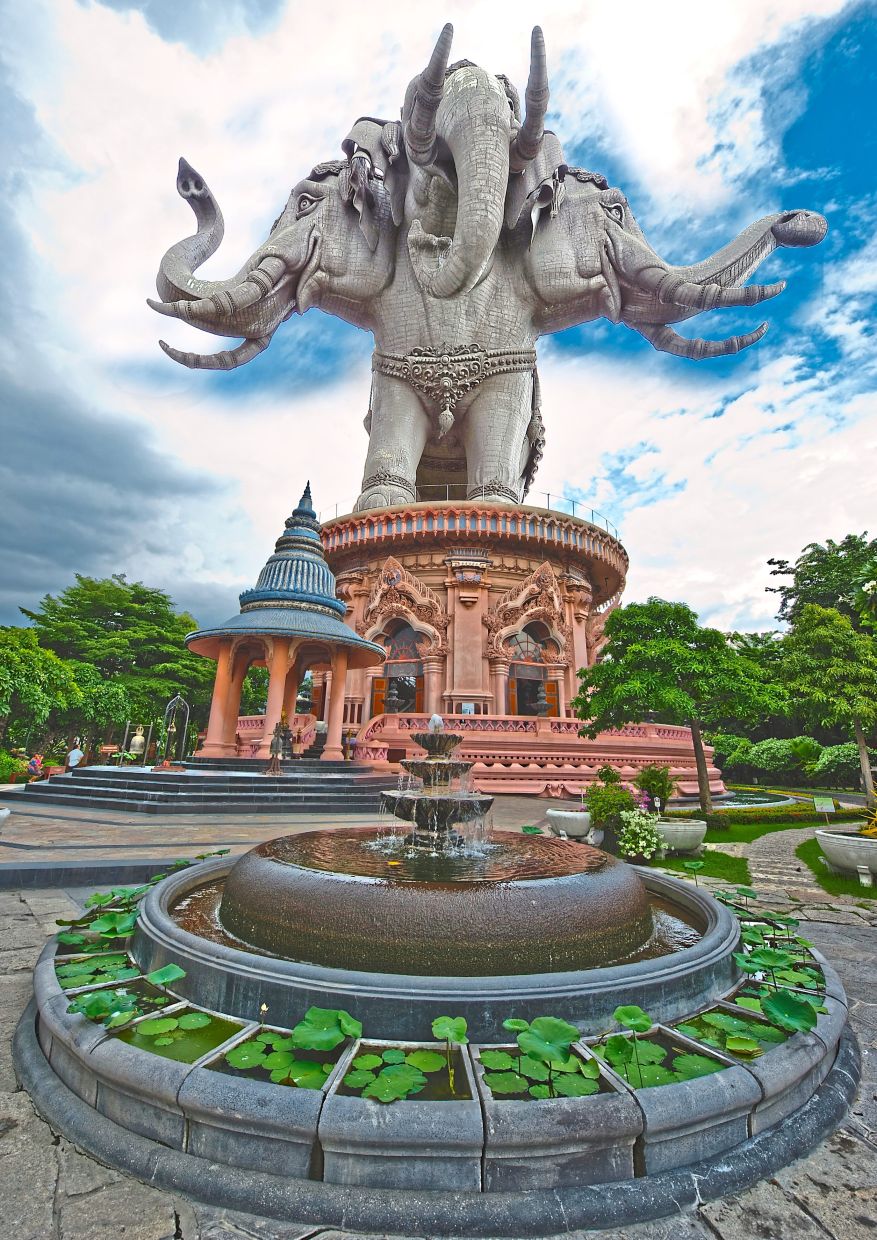
Erawan Museum (Thailand)
Elephants have long been revered in Thailand as a symbol of “strength, loyalty and longevity”, according to Southern Thailand Elephant Foundation.
Erawan Museum in Samut Prakan pays tribute to that connection with its enormous three-headed elephant statue towering above the pink museum.
The museum is located some 24km from Bangkok, and the statue is not the only captivating thing about it. As you enter, you’ll probably marvel at the grand interior – stained glass ceilings and ornate carvings throughout the space.
Beyond that, you’ll find antiques and collections that commemorate Thai culture and heritage.
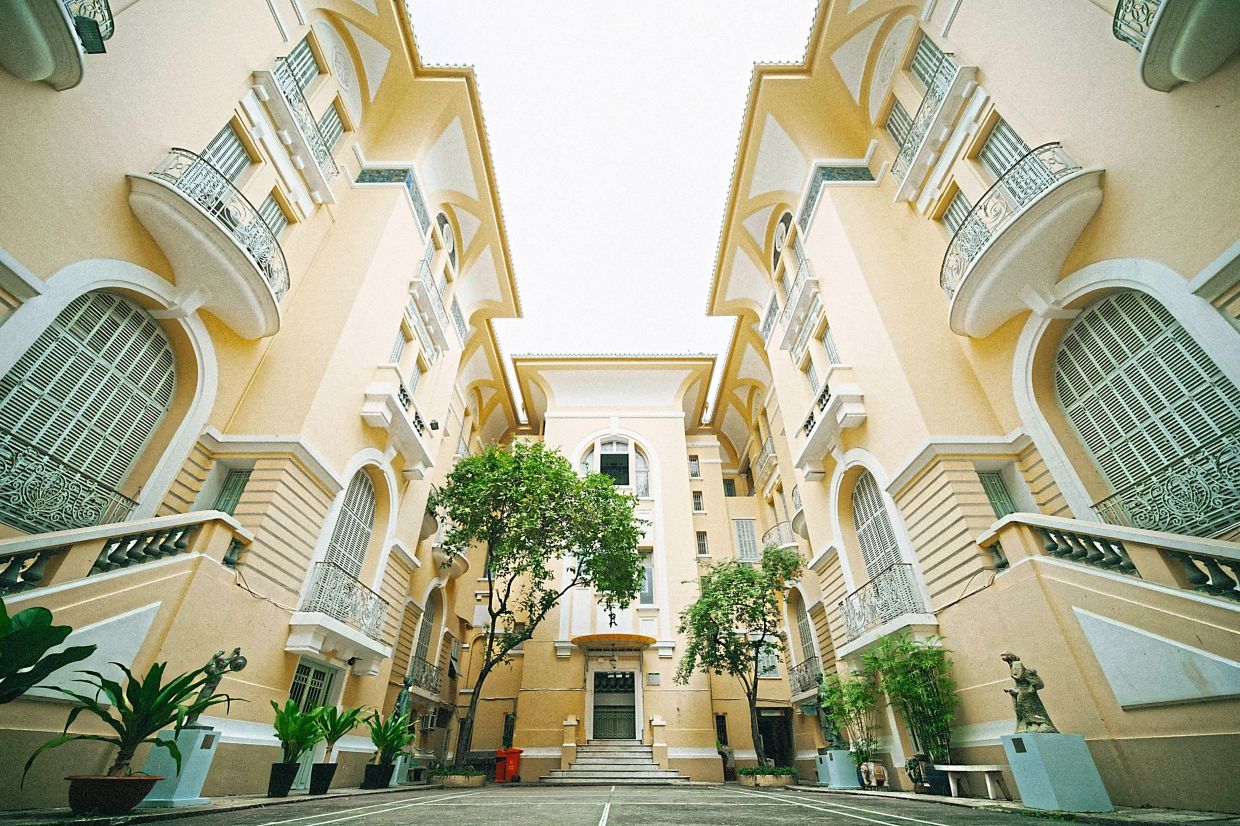
Ho Chi Minh City Museum of Fine Arts (Vietnam)
Vietnam has its share of beautiful colonial buildings, and one fine example is the Ho Chi Minh City Museum of Fine Arts.
Constructed as someone’s residence in the 1930s, the structure features a harmonious blend of French colonial and Vietnamese architectural styles.
Today, the yellow mansion houses an extensive collection of Vietnamese art, including sculptures, lacquer paintings (a traditional art form created using layers of resin), ceramics and religious artefacts from different periods.
When you are done exploring the galleries, step into the courtyard to admire the building’s elegant facade and old-world charm.
National Museum of Cambodia (Cambodia)
Angkor Wat is often the first place visitors go to learn about Cambodia’s history. The National Museum of Cambodia in Phnom Penh takes that experience further.
The terracotta building, erected in the 1920s, is a great example of traditional Khmer architecture inspired by ancient temples.
Inside, the museum holds one of the world’s largest collections of Khmer art, from stone sculptures to ceramics and religious artefacts that trace Cambodia’s history from prehistoric times to today.
Royal Regalia Museum (Brunei)
Brunei might be a small country, but its Royal Regalia Museum in Bandar Seri Begawan shows just how much it values its royal heritage and traditions.
Opened in 1992, the museum is home to the Sultanate’s royal heirlooms and ceremonial regalia.
In this museum, visitors will find many royal artefacts, from golden chariots, weapons and shields to displays from the Sultanate’s Silver and Golden Jubilee celebrations.