
As someone who has spent much of his life travelling, I have stayed in hotels of every brand and category imaginable – from backpacker hostels and homestays to boutique hotels, five-star properties, and even some of the world’s finest luxury resorts.
Few experiences have shaped my travels as profoundly as the places I have chosen to stay.
The old saying, “You get what you pay for” certainly holds true.
Yet whether one operates a modest guesthouse, family-run inn, city hotel or an expansive luxury resort, I have always believed that every hotelier understands their own positioning, pricing and standards. And, of course, the type of guests they hope to welcome.
Every hotel out there has a distinct personality, and each offers something different. The one thing they all have in common, however, is the hope that when guests check out they leave thinking, “I’d love to come back.”
One hotel group that has risen rapidly in China in recent years is Atour Hotels. It has earned a reputation for delivering consistently balanced quality across its portfolio.
From its standard three-star hotels to the upscale Atour X series, the experience remains dependable.
The brand’s greatest strength lies in its site selection. Most of its properties are located in vibrant neighbourhoods with excellent transport connections, allowing guests to immerse themselves in local life.
Perhaps Atour’s best-known feature is its proprietary “sleep system”, where every pillow, mattress and piece of bedding has been developed with sleep science in mind.
What impresses me even more is the way Atour incorporates local culture into their breakfast menu. In Beijing, guests can enjoy Zhajiang noodles, while in Xi’an, it’s the famous Biang Biang noodles. In Tibet, you can try traditional butter tea.
Each property makes an effort to feature regional ingredients and local flavours. In doing so, the hotel becomes more than a place to stay – it becomes the first gateway to understanding a destination.
There is another thoughtful touch that is easy to overlook but leaves a lasting impression. Every evening at 9pm, guests are offered complimentary snacks.
It may be no more than a simple bowl of porridge, noodles, or a few local delicacies, yet for travellers returning after a long day of sightseeing, it provides a comforting feeling of home. Hospitality like this is often remembered far longer than a beautiful hotel lobby.
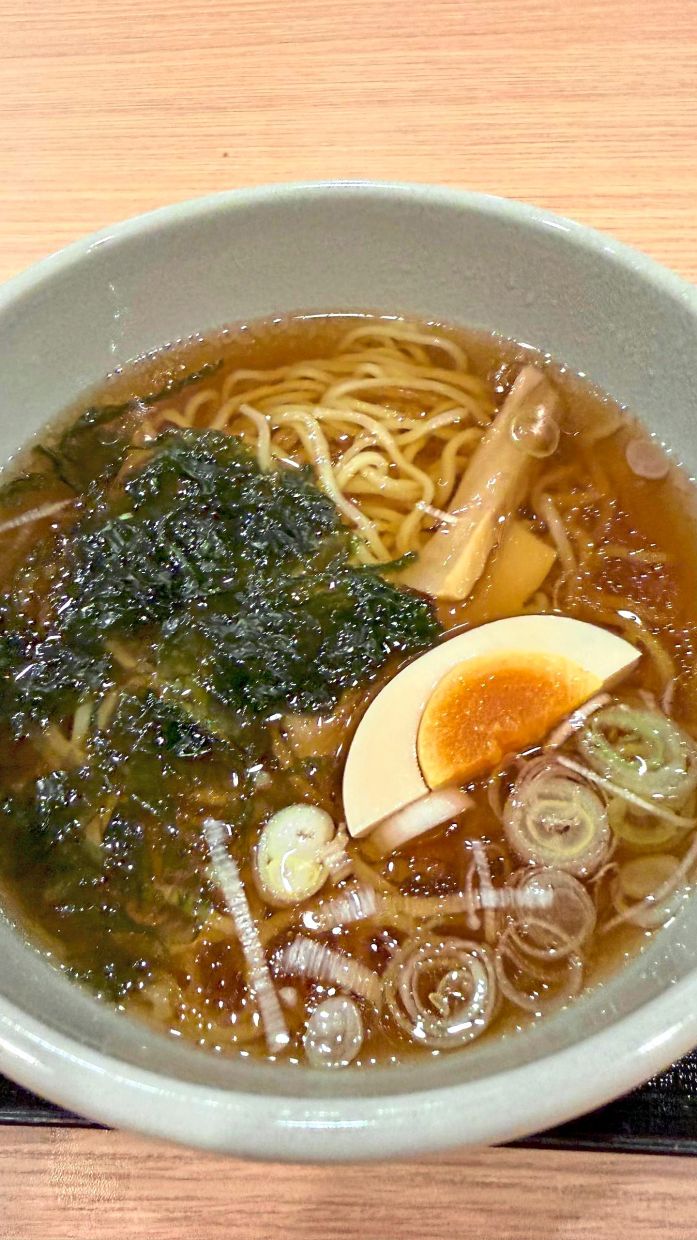
Japan’s rapidly expanding Dormy Inn & Kyoritsu Resort Group has embraced a similar philosophy. Across nearly all of its properties, guests are treated to complimentary Yonaki ramen every evening at 9.30pm.
The serving is modest, but satisfying enough. Whenever I stay at one of their hotels, I make sure to eat this comforting bowl of ramen.
When staying at a hotel, even for just one night, quality matters. Perhaps it is an occupational habit, but as a professional tour leader, I cannot resist observing the details of a hotel.
From how guests are greeted at reception and the flow of the guest room, to the lighting, and even landscaping, I quietly find myself assigning a score to each item and experience.
Globally, international hotel groups such as Marriott, Hilton, IHG and Accor have built extensive brand portfolios covering every market segment – from economy and business hotels to luxury and ultra-luxury properties.
Their sophisticated membership and loyalty programmes encourage guests to return time and again. Staying with these brands usually guarantees consistency and reliability. Things seldom go wrong.
Yet, perhaps because they have perfected this “standardisation”, they occasionally sacrifice a little of the individuality that makes a hotel truly unforgettable.
In recent years, however, I have found myself increasingly drawn to Aman.
My first stay at Amandayan in Lijiang, China left a profound impression on me. I was captivated by its philosophy of respecting nature while embracing local culture.
Rather than displaying luxury in an obvious or extravagant manner, the resort seamlessly blends Naxi architecture, cultural heritage and landscapes into one harmonious whole.
Just a few weeks ago, I had the privilege of staying at Amanemu in Japan’s Mie Prefecture. It is the world’s first Aman resort featuring natural hot springs. Hidden within Ise-Shima National Park, the property occupies an area equivalent to five Tokyo Domes, yet accommodates only 32 suites.
And each one comes with its own private onsen.
What’s more memorable to me is the signature Aman style of service. I was told that the staff-to-suite ratio is close to three-to-one. Receptionists, restaurant servers and even gardeners seemed to know who I was as they greeted me by name, yet it never felt intrusive.
They also seemed to appear when needed and then quietly disappear once they’ve done their tasks, allowing guests to enjoy their freedom and space.
This sense of timing and restraint is perhaps the most difficult aspect of hospitality to master.
The Aman group has also perfected the art of integrating local culture into every aspect of a guest’s experience – from architecture and cuisine to wellness programmes and activities within the resort.
The first Aman resort, Amanpuri in Phuket, Thailand was founded in 1988 by legendary Indonesia-born hotelier Adrian Zecha. Ownership later changed hands in 2007 when India’s DLF Group acquired the company, before Zecha and his partners successfully bought it back in 2014.
Two years after that, Russian entrepreneur Vladislav Doronin became the sole owner of the company and has continued to lead the brand ever since. Today, Aman has expanded to 36 resorts and urban hotels across the globe.
Despite these changes, Aman has remained unwavering in its philosophy: nature as its foundation, culture as its soul and understated luxury as its defining aesthetic.
A good friend of mine, Doreen, who is the director of sales and marketing at a luxury resort in Xishuangbanna, China once told me that “... Aman is a hotel brand that never needs advertising. Working for Aman is the dream of almost everyone in the hospitality industry.”
This October, I will be leading a group to Bhutan, where we will stay at three different Aman properties across the kingdom. I look forward to experiencing more deeply the culture of Tibetan Buddhism and the spirit of the Himalayas.
Travel is not just about admiring beautiful sceneries, nor is it merely about sleeping in a comfortable bed. A thoughtfully managed hotel leaves travellers with far more than comfort – it offers the warmth of a city, the memory of a culture, and a deeper understanding of the place itself.
To me, every hotel stay is an exploration of the aesthetics of living and the philosophy of travel. When a meaningful connection is formed between people and place, even a single night’s stay becomes one of the most treasured moments of the journey.
The views expressed here are entirely the writer’s own.
Leesan, the globe-trotting traveller who has visited seven continents, including 164 countries and territories, enjoys sharing his travel stories and insights. He has also authored seven books.