In the pitch-black darkness, there really isn’t much to see on the lonely stretch of road upon which Muhammad Mustaqim Rosden, 27, finds himself standing.
Looking at the ground, the only things visible are the rows of glow-in-the-dark road markings. But when the avid astrophotographer directs his gaze above, he sees exactly what he’s come here for: the Milky Way.
Winding through the district of Padang Terap, Kedah is the 3km-long Jalan Padang Sanai that connects to Durian Burung. It is one of the few glow-in-the-dark roads in Malaysia, which use photoluminescent markings in lieu of streetlights to enhance visibility at night.
“Because of this, the surrounding sky remains exceptionally dark, making it an excellent location for stargazing,” says Muhammad Mustaqim. (Those in the astrophotography community may be more familiar with him by his nickname, Seb.)
However, despite this uniqueness to it, the road “... remains relatively unknown and underappreciated,” he adds.
This is just one of the many local “stargazing hidden gems”, so to speak. Understandably, it is hard to compete for attention when it comes to stargazing spots in Malaysia. There is simply a plethora of places to choose from.
Yakub Mustapa, 19, is one of those blessed enough to be living in such places. No long drives, no overnight trips. All he has to do is step out of his front door and look up – there’s the Milky Way hovering above.
Yakub, who hails from Sabah, has only been into astrophotography for about six months, but he already has a camera roll full of cosmic wonders.
“I just take photos around my village,” says Yakub, who lives in Kampung Mandalipau, Papar. The district, similar to Ranau, Kudat or Kota Belud in the state, has dark skies that make capturing photos of twinkling stars relatively easy.
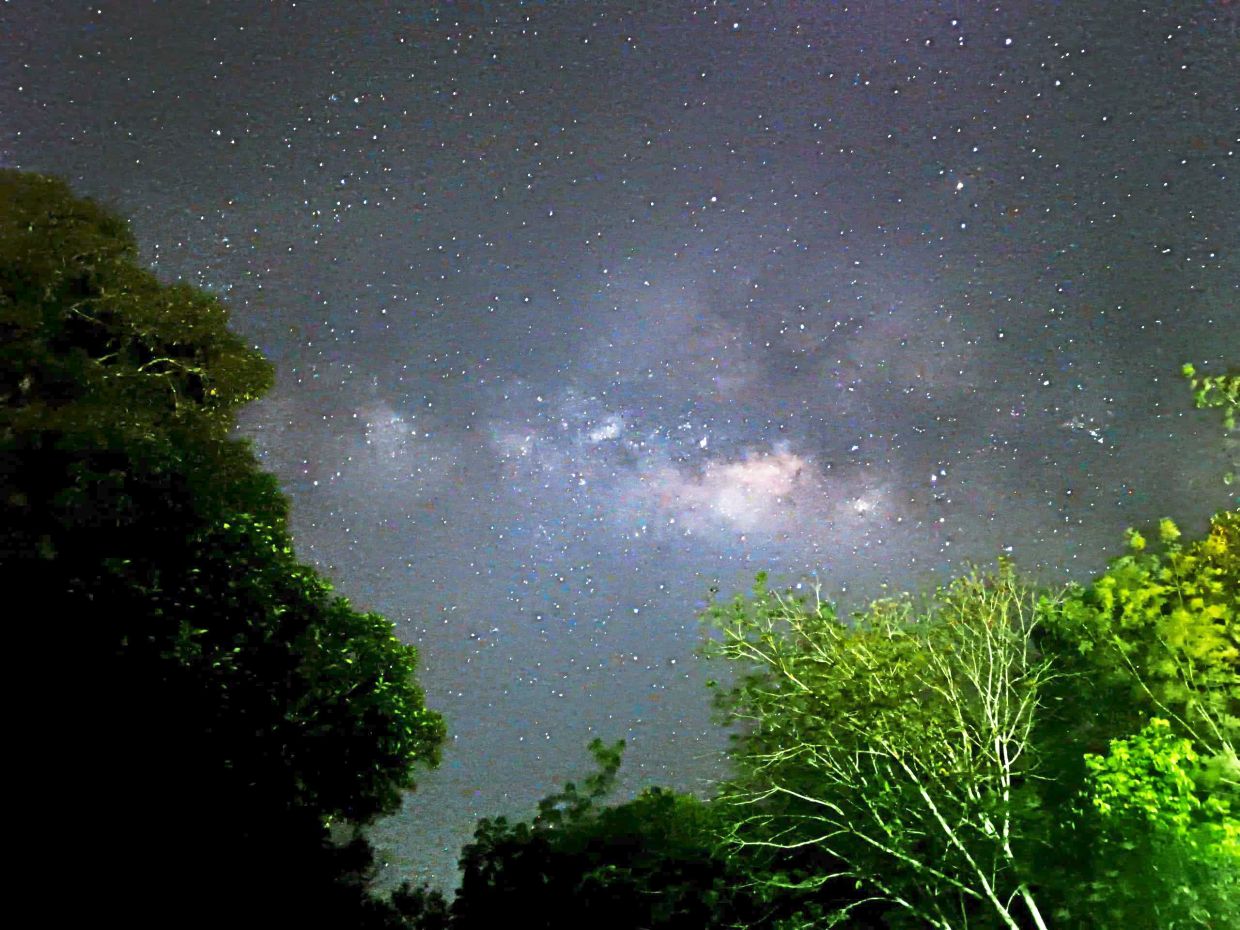
Similar to Yakub, Selangor-based Muhammad Mustaqim technically doesn’t need to travel far to stargaze. He’s taken plenty of night sky photos “... right outside my home in Ukay Perdana, Ampang,” he says.
But he still does go on stargazing trips. In fact, he organises these trips. His most recent one was taking a group of about 20 astrophiles to Pulau Pemanggil in Johor.
Now is a good time for such trips because of the Milky Way season, which occurs yearly from March to September.
Technically, this is the Summer Milky Way season, which is more popular than the Winter Milky Way season – November to February – as the galactic core is highly visible during the summer period.
Find your way
“I have been actively photographing the Milky Way since 2023,” says Muhammad Mustaqim.
He has been interested in astrophotography since his primary school days, resulting in his now strong understanding of astronomy.
His exploration of stargazing locations across Malaysia has led to him discovering spots that are considered underrated or completely unknown. “In some cases, I may have been among the first to document Milky Way photography in these locations,” he says.
Some of the lesser-known places he’s visited to capture Milky Way images are Sungai Rengat and Lata Senlui in Pahang; Kuala Klawang and Seri Menanti in Negri Sembilan; and Pantai Puteri in Melaka.
Finding such gems sometimes goes beyond doing one’s own research – it can also be advantageous having friends who share the same interest. For example, when it came to Jalan Padang Sanai, Muhammad Mustaqim says that he initially learned about the area from a friend in Sahabat Langit Utara.
“She had come across it through news articles and local knowledge,” he says.
Social media can be a useful tool too when utilised correctly. Yakub shares that is how he learns about the many places to stargaze across Sabah.
Yakub may be an amateur now, but he hopes to continue improving his skills by expanding his astrophotography locations. One of these places is Mesilau in Kundasang, Sabah. “I’ve yet to go there, but I’ve seen its Milky Way images on social media,” he says.
Malaysia’s equatorial position means that stargazing can be done in most parts of the country. Here are a few other places that many – especially new enthusiasts – may not realise are excellent for Milky Way viewing.
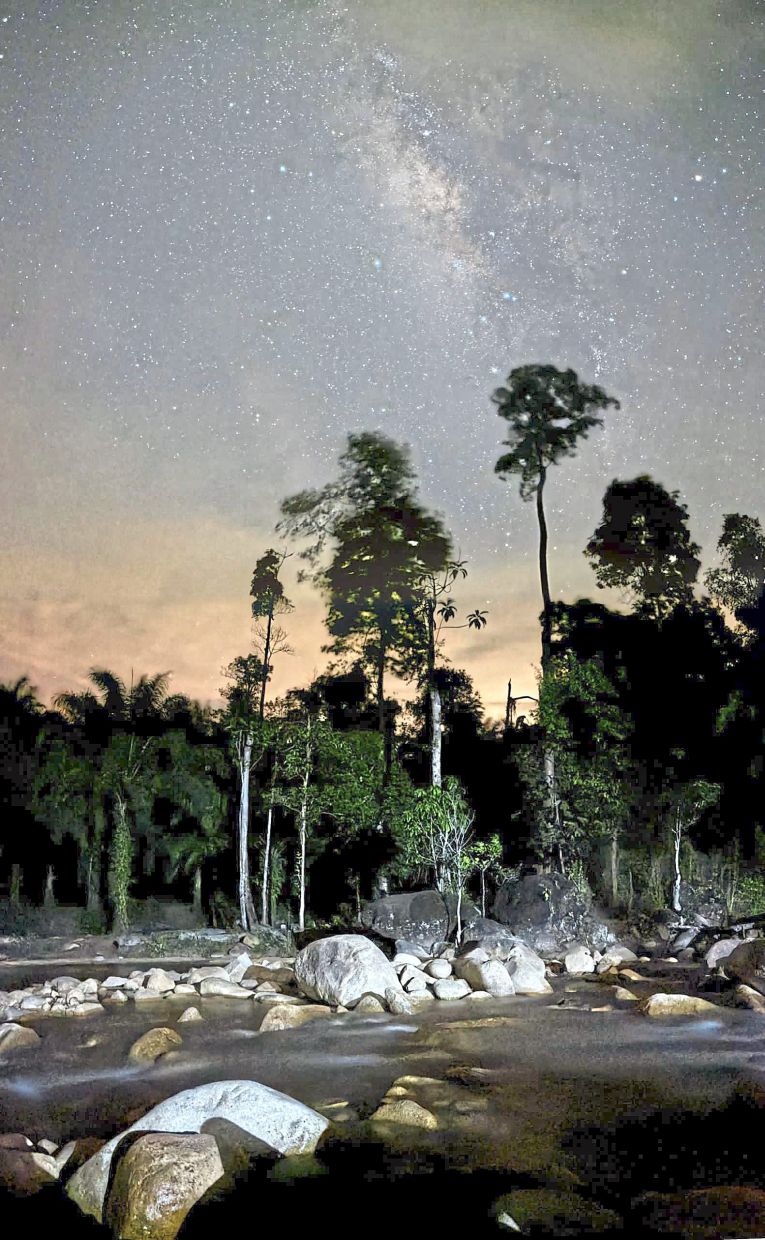
Damak (Pahang)
Located in Jerantut, Pahang, the small town of Damak is not immediately a place that comes to mind for stargazing or night photography.
It is usually mentioned more in the context of being a gateway to a highly popular astrophotography spot, namely the Taman Negara National Park. However, it has gradually become more than that to stargazers.
Today, it’s no longer just a stop en route to the national park; many astrophiles have come to notice it is a perfectly fine location for viewing and capturing images of the Milky Way.
Dalat (Sarawak)
The more rural parts of Sarawak are perfect for stargazing due to the low levels of light pollution in the areas.
One such place is the small town of Dalat in the state’s Mukah Division. Located about seven hours (by car) from the capital city Kuching, Dalat doesn’t often pop up when you talk about stargazing, but lately star enthusiasts have been noticing its potential.
Other places in Sarawak perfect for capturing Milky Way images are Bario in the Kelabit Highlands, and Bako National Park in Kuching.
Kampung Tanjung Aru (Labuan)
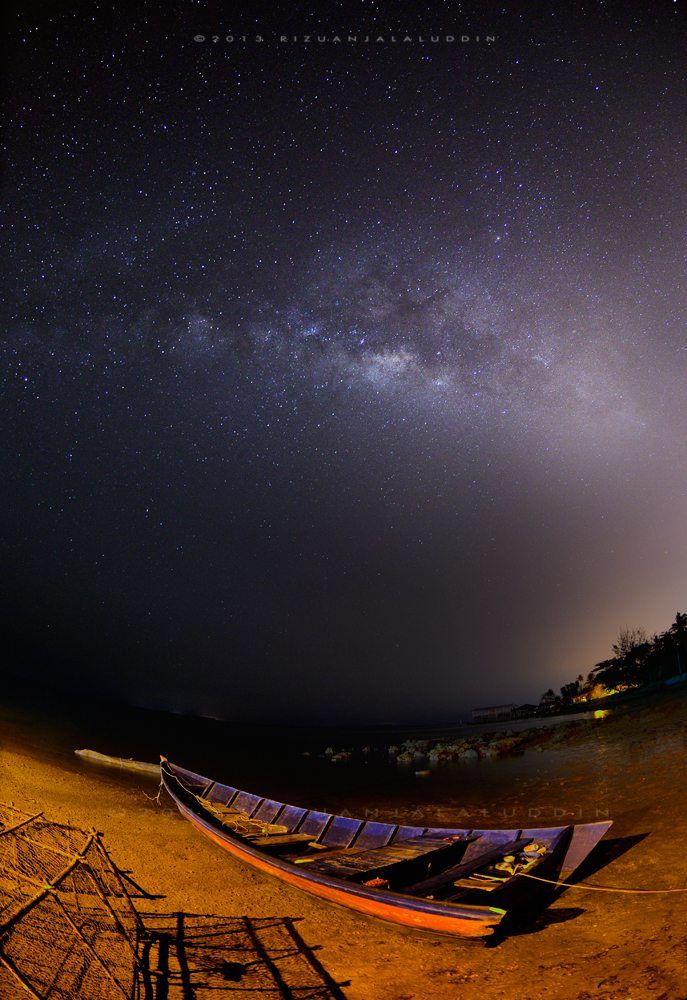
The name “Tanjung Aru” is more often associated with the beach in Kota Kinabalu, Sabah. But just off the coast, in the federal territory of Labuan, there is a little-known fishing village called Kampung Tanjung Aru.
The village’s remote location and anonymity do wonders for its night skies. Because with few visitors and minimal light pollution, its beaches are great astrophotography spots for those willing to go the extra mile.
Tasik Gubir (Kedah)
While Tasik Beris is typically the one that most people would think of as a Milky Way photography spot in Sik, Kedah, there is another area that’s been gaining more popularity for this.
In recent years, more and more stargazing enthusiasts have been heading to Tasik Gubir, which is about 30 minutes from Beris. It offers skies that are just as dark, perfect for spotting the Milky Way.
Pulau Tenggol (Terengganu)
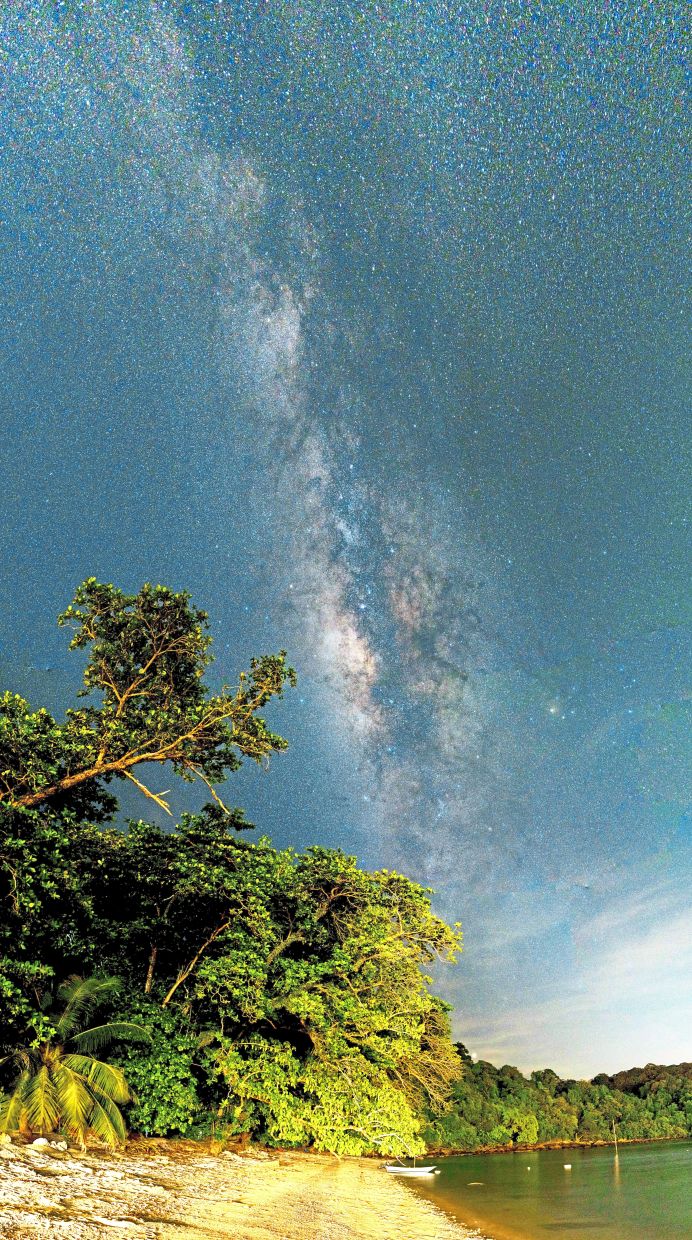
A paradise for divers, but a hidden gem when it comes to “Milky Way chasing”. Located in Dungun, Terengganu, Pulau Tenggol attracts visitors with its crystal-clear waters perfect for snorkelling and scuba diving.
But come nighttime, when water activities cease, the island’s sandy beaches make for quiet, comfortable perches for astrophiles.
The secluded island has very little light pollution, allowing clear views of the night sky, making it perfect for Milky Way photography.
Milky Way viewing spots across Malaysia
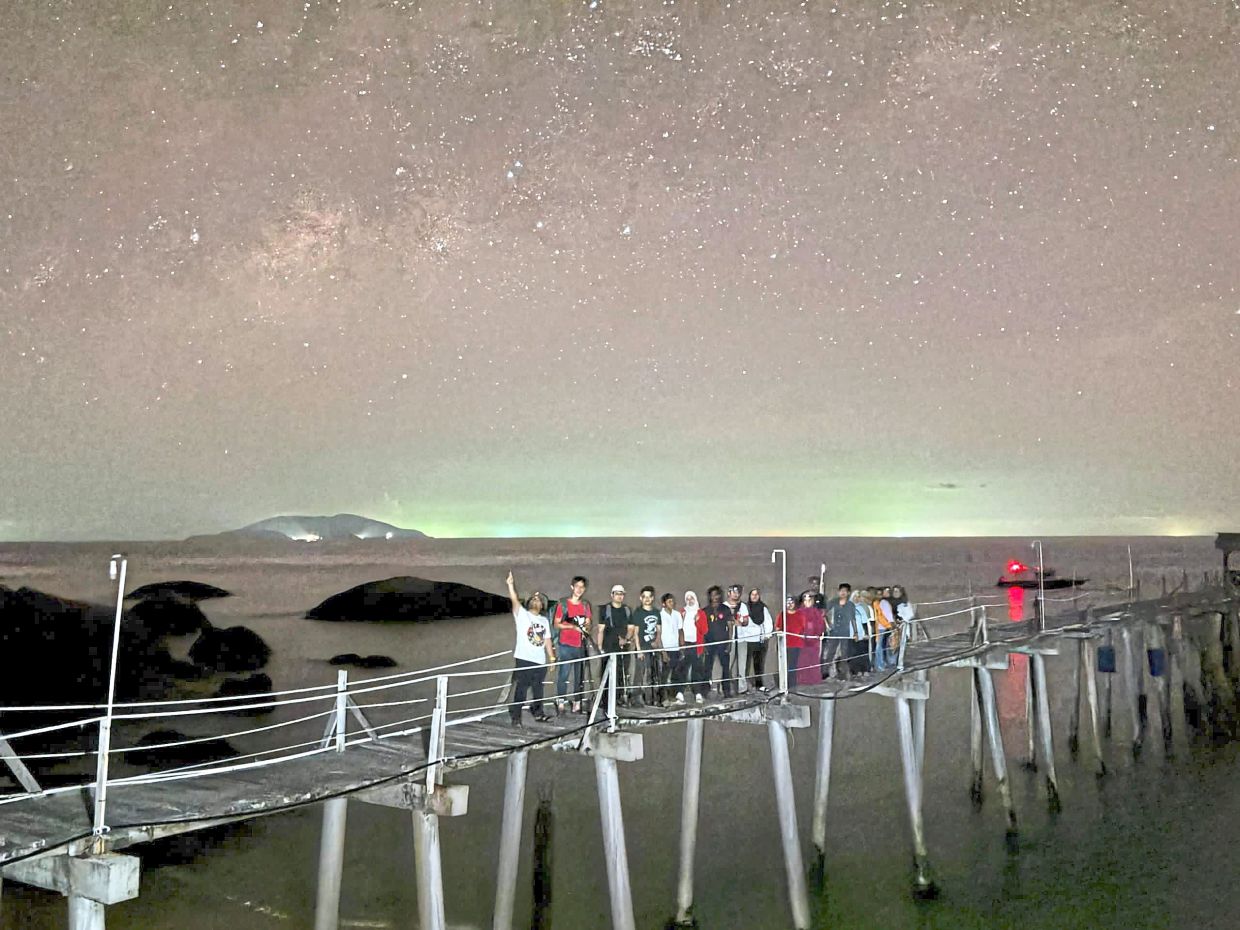
Muhammad Mustaqim (far left) organises stargazing trips to places like Pulau Pemanggil, Johor. — MUHAMMAD MUSTAQIM ROSDEN
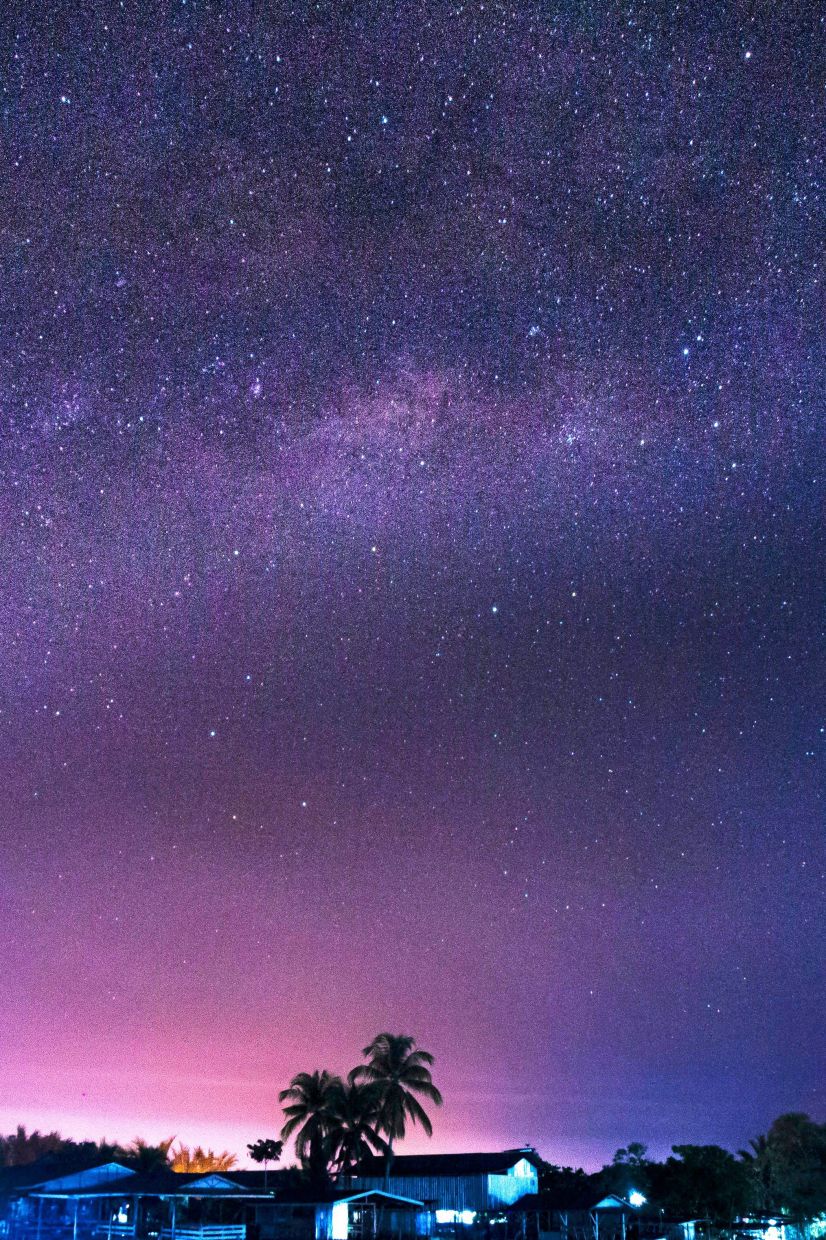
Dalat is one of the lesser-known places in Sarawak for Milky Way viewing. — Unsplash
Kampung Tanjung Aru in Labuan is a hidden gem for astrophotography. — RIZUAN. J/Wikimedia Commons
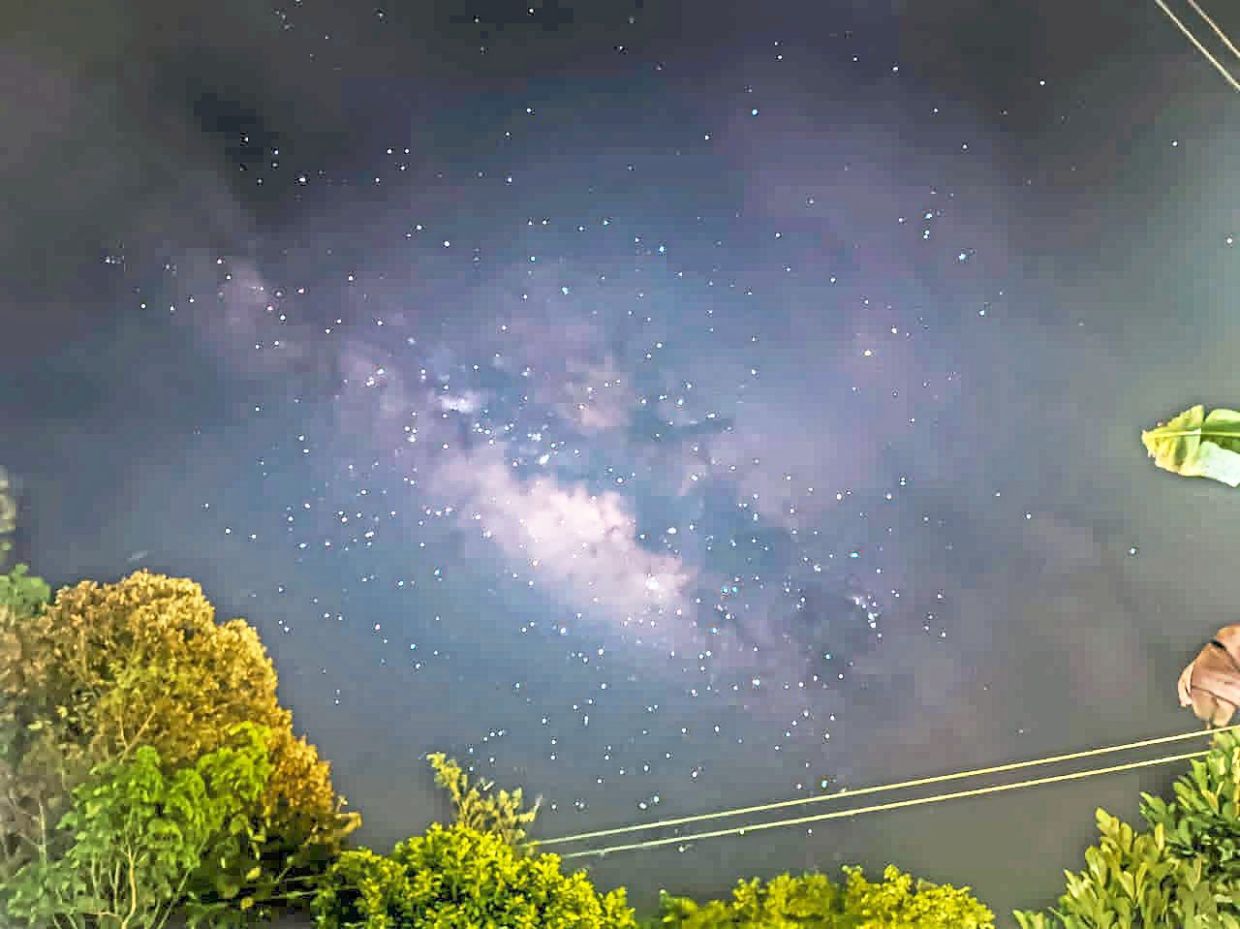
Yakub doesn't even have to leave his hometown in Papar, Sabah to take Milky Way images. — YAKUB MUSTAPA
One of the Milky Way photos that Yakub takes in his hometown in Papar, Sabah. — YAKUB MUSTAPA
Damak, Pahang is one of the places Muhammad Mustaqim visits to see the Milky Way. — MUHAMMAD MUSTAQIM ROSDEN
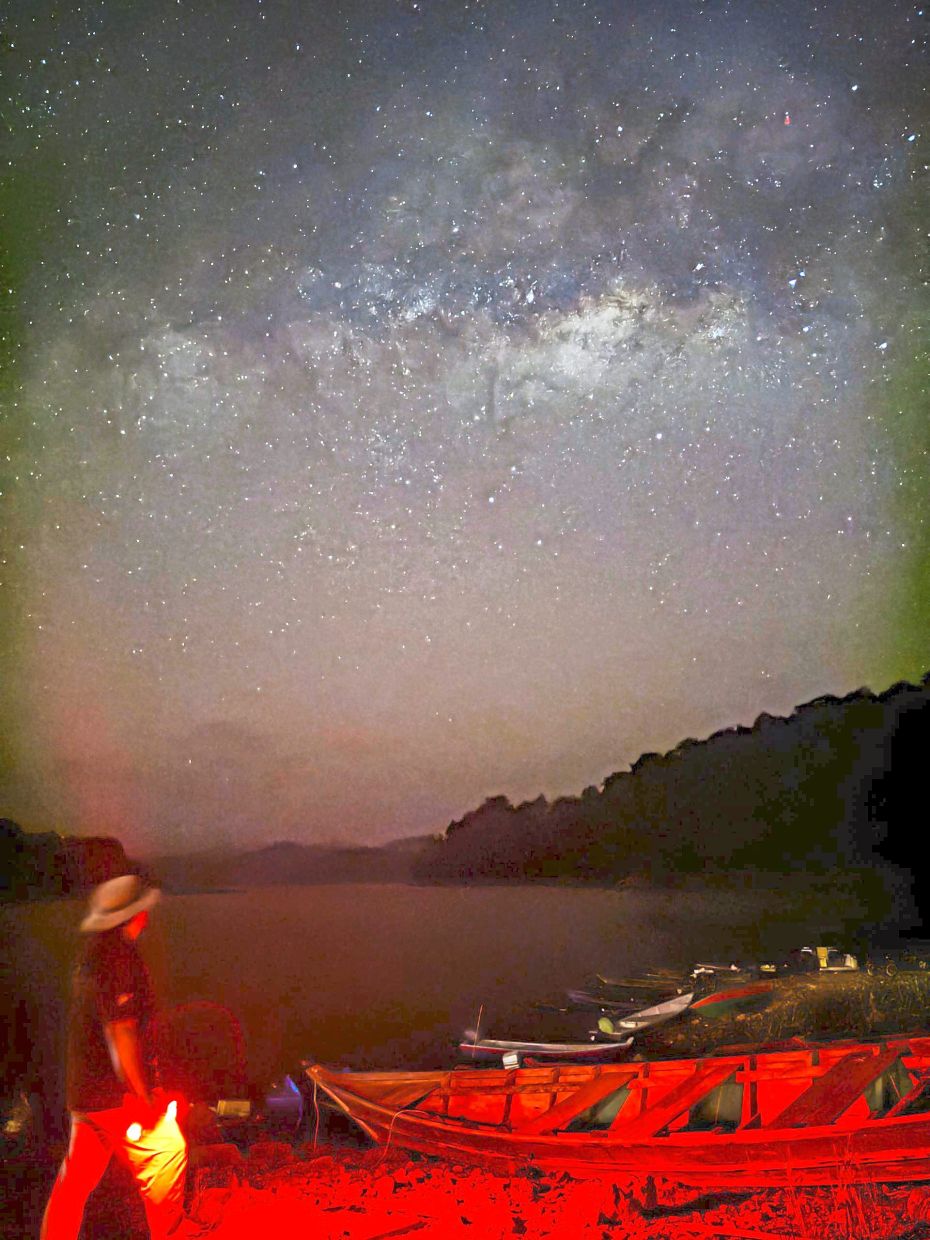
Muhammad Mustaqim admiring the Milky Way at Tasik Gubir, Pahang. — MUHAMMAD MUSTAQIM ROSDEN
The Milky Way as seen at Pulau Tenggol, Terengganu. — Unsplash