When you think of Unesco World Heritage Sites in Asia, names like Angkor Wat in Cambodia or the Taj Mahal in India probably come to mind.
But beyond these iconic landmarks, the continent is filled with many more treasures of the past, though perhaps not as “Internet famous” or even photo-friendly. From ancient settlements and sacred temples to vast forests and underground marvels, each of these lesser-known places has its glorious own story to tell.
Malaysia is home to several Unesco World Heritage Sites. For instance, Gunung Mulu National Park (Sarawak), which is known for its enormous limestone caves and dramatic pinnacles; and Kinabalu Park (Sabah), celebrated for its rich biodiversity and, of course, the towering Mount Kinabalu.
Kinabalu Park is also designated as a Unesco Global Geopark site.
Perak’s amazing Archaeological Heritage of the Lenggong Valley, meanwhile, was inscribed in the World Heritage Site list in 2012 for its archaeological significance. This is where Perak Man, South-East Asia’s oldest and most complete human skeleton that dates back around 11,000 years, was discovered.
Apart from natural wonders, the historic cities of George Town (Penang) and Melaka are also World Heritage Sites.
In celebration of International Day for Monuments and Sites – which falls on April 18 each year, according to the International Council on Monuments and Sites or Icomos – we look at some of Asia’s lesser-known Unesco sites.
1. Rani Ki Vav (India)
As you descend the carved stone steps at Rani Ki Vav in Patan, in the Indian state of Gujarat, the underground stepwell (an ancient water storage system) gradually reveals itself before you.
Also known as the Queen’s Stepwell, it was built in the 11th century by Queen Udayamati to honour her husband.
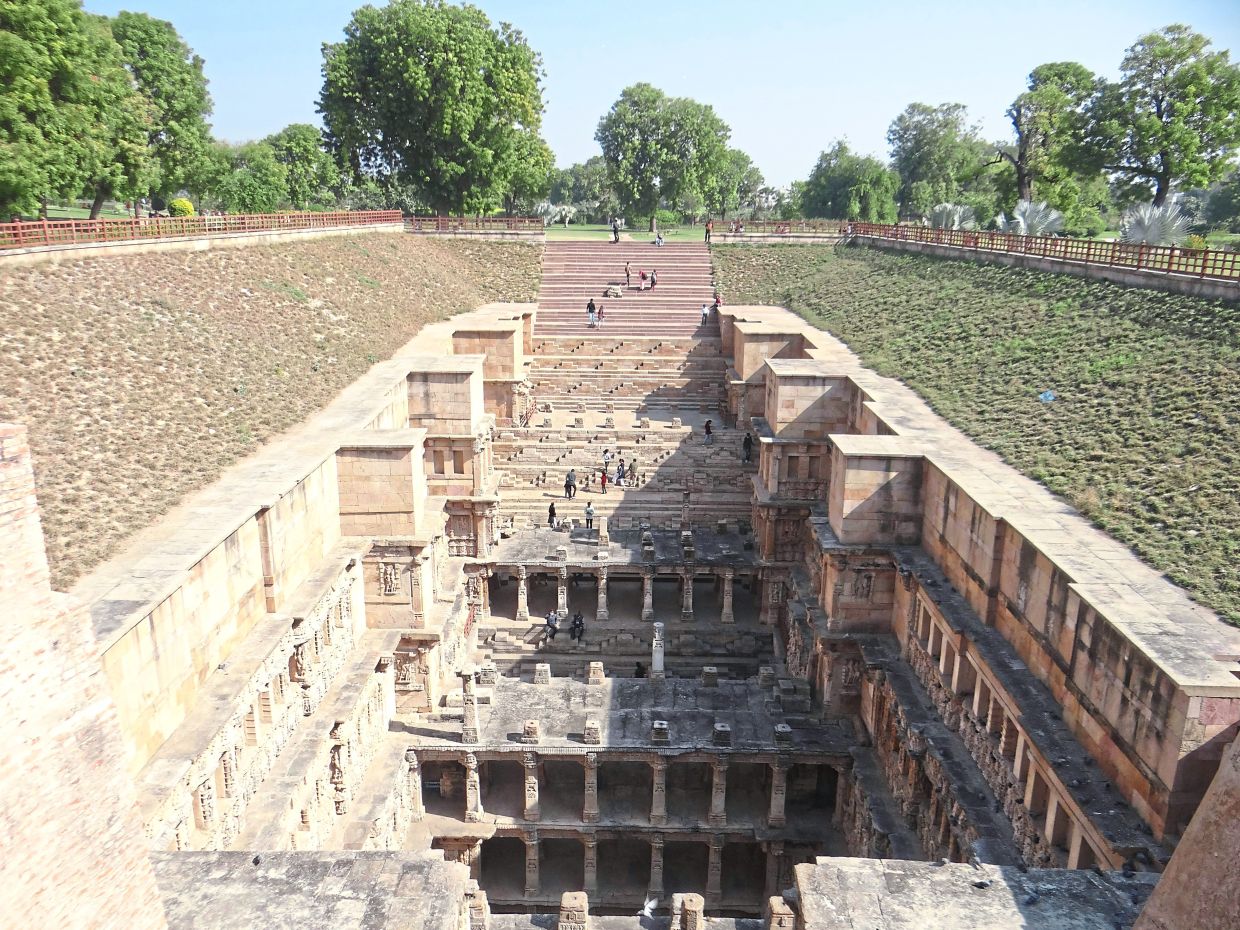
In 2014, Rani Ki Vav earned her Unesco World Heritage Site status, celebrated for being both an engineering masterpiece and a living museum.
The structure has seven levels, each embellished with intricate sculptures of Hindu gods and mythological scenes.
Beyond its artistic beauty, the stepwell was a practical structure, too. Its base once held water drawn from underground sources, serving as a storage system for drinking water and daily use, especially during dry seasons.
The stepwell was also a social hub, where folks would cool off during hot and dry days.
Rani Ki Vav ceased functioning as a water source due to environmental and geological changes over time, and was buried under silt for centuries before being uncovered through excavation in the 1940s. It was later restored, according to Gujarat Tourism.
While the well is no longer functional today, its historical importance lives on.
Another interesting feature of Rani Ki Vav is that it was designed as an “inverted temple”.
While in most temples, one’s spiritual journey is directed toward the sky, here it is directed downward toward the sacred water.
Make sure to wear comfortable shoes when you visit, as the steps can be steep and slippery.
Don’t just stick to the main area – explore the alcoves to see the sculptures found here.
2. Mogao Caves (China)
If Petra’s sandstone wonders in Jordan leave you in awe, the Mogao Caves in China’s Gansu Province will capture your imagination in their own way.
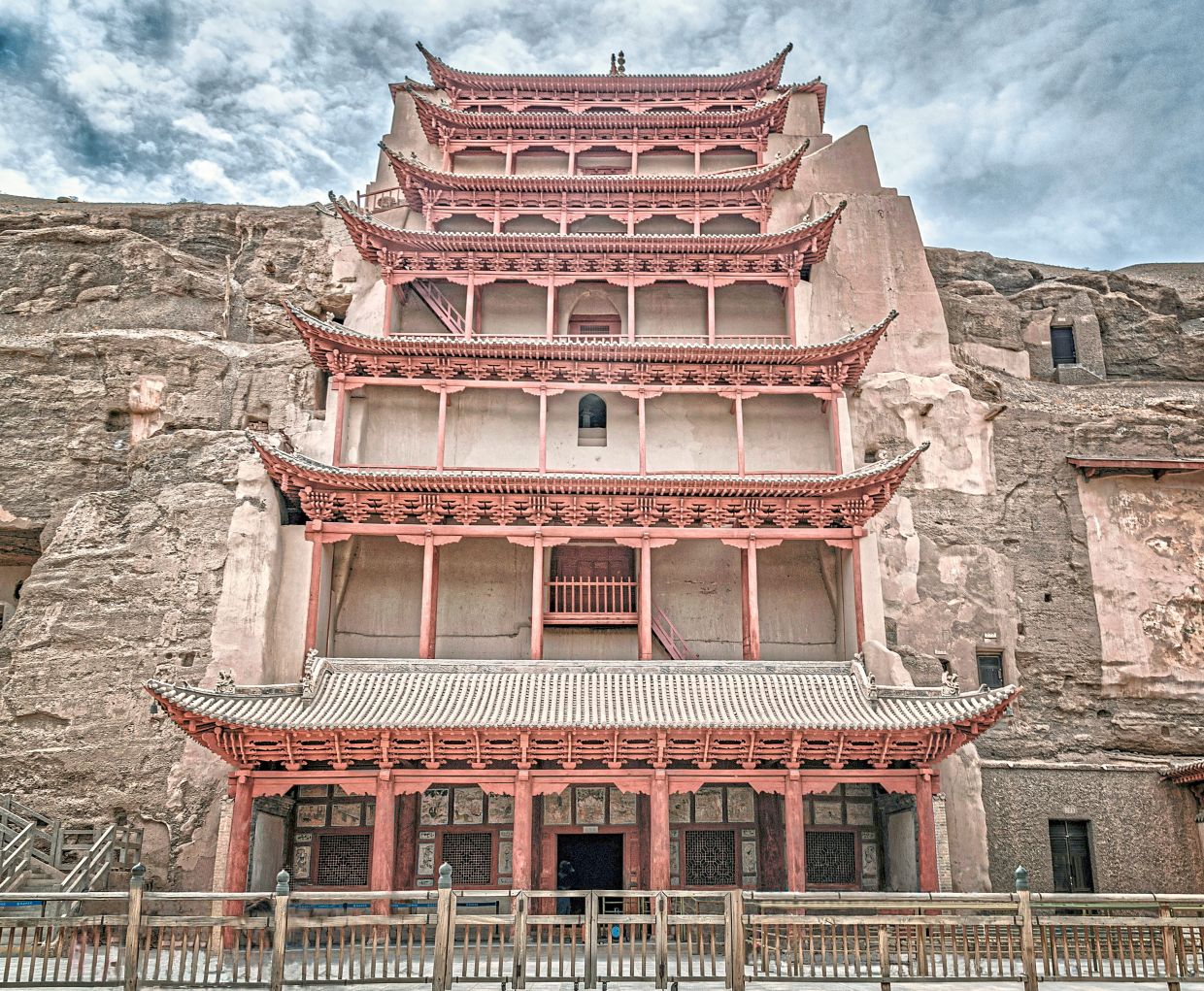
The landmark has been a Unesco World Heritage Site since 1987, honoured for its legacy of art, culture and history.
Carved sometime in the 4th century, these caves are a labyrinth of history and art. There were originally over 700 caves, with 492 still preserved today.
Step into Cave 302, and you will find one of the earliest murals depicting a camel carrying goods, a vivid reminder of the cultural and commercial exchanges between traders along the Silk Road.
Meanwhile, Cave 61 reveals a sweeping panorama of Mount Wutai, where mountains, temples and travel routes are brought to life, transporting you back in time. This painted “map” provides insights into the people and culture of the time.
Also within the Mogao complex is the small chamber of Cave 17, known as the Library Cave. Access is restricted, as the chamber is sealed to preserve artefacts and prevent deterioration.
To explore the caves, you must join a guided tour. Tour groups are kept small, so don’t worry about overcrowding.
Keep in mind that the place is intentionally kept dim to preserve the condition of the caves, and much of the viewing is done with the guide’s torchlight, which can be challenging for those who are uncomfortable in low‑light spaces.
3. Sambor Prei Kuk (Cambodia)
If you are visiting Cambodia, don’t just go to Siem Reap to visit the Angkor Archaeological Park, head to the capital city Phnom Penh to see the country’s “other” important archaeological site.
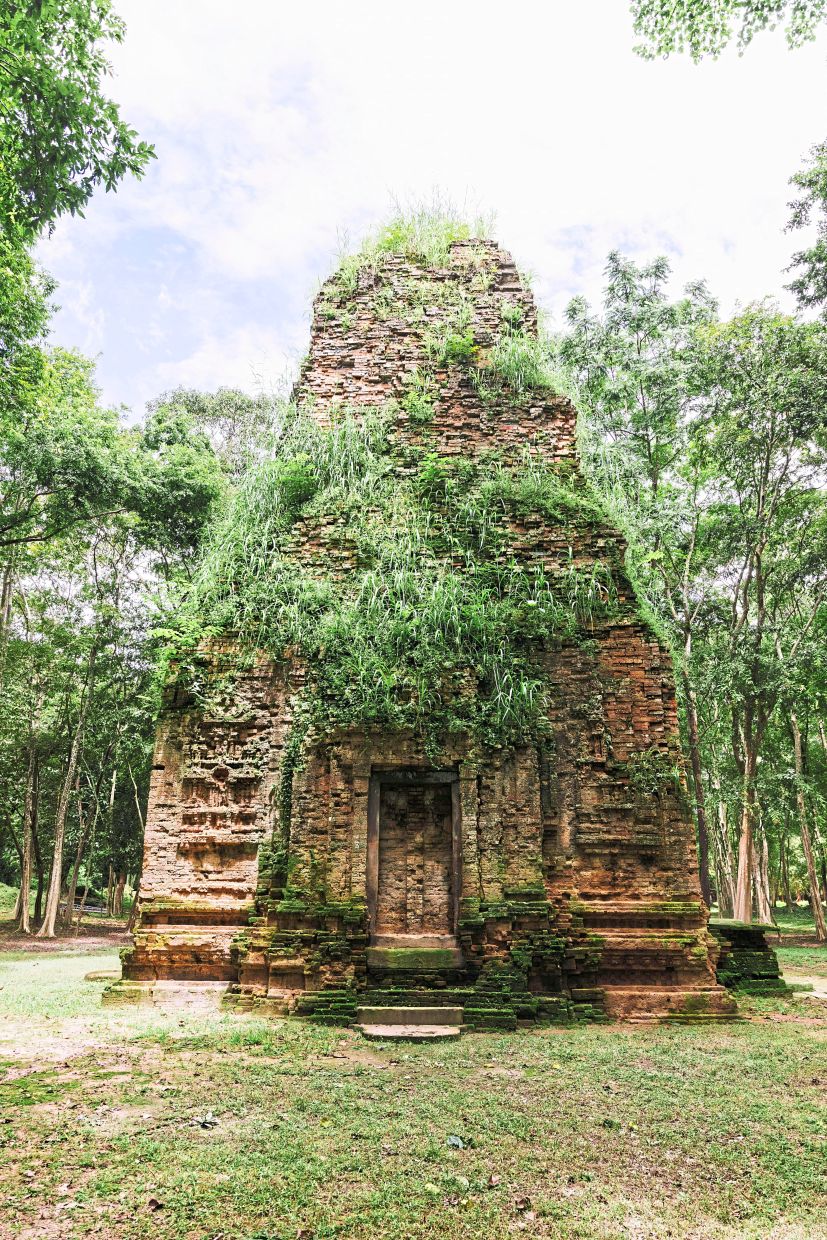
About 200km from Phnom Penh is Sambor Prei Kuk, a sprawling site dating back to the 7th century. Surrounded by thick forest, this site, which has been reclaimed by nature, was once the thriving capital of the Chenla Empire.
Recognised as a World Heritage Site in 2017, Sambor Prei Kuk also means “temple in the richness of the forest” in the Khmer language, and visiting the place gives you a sense of that.
More than 100 temples of different shapes and sizes are scattered throughout the forest. The most common are octagonal, while others are square; both are adorned with ornate brickwork.
Most feature early Khmer elements such as floral motifs, religious symbols and scenes of gods and everyday life.
To fully appreciate the site, join a guided tour.
4. Kaeng Krachan Forest Complex (Thailand)
Not every Unesco site is a ruin or monument – some are very much “alive” and thriving.
Kaeng Krachan Forest Complex, declared a World Heritage Site in 2021, is one of Thailand’s most important forest ecosystems, covering more than 405,000ha along the Myanmar border. The forest stretches along the Thai side of the Tenasserim Range, which marks the border between Thailand and Myanmar.
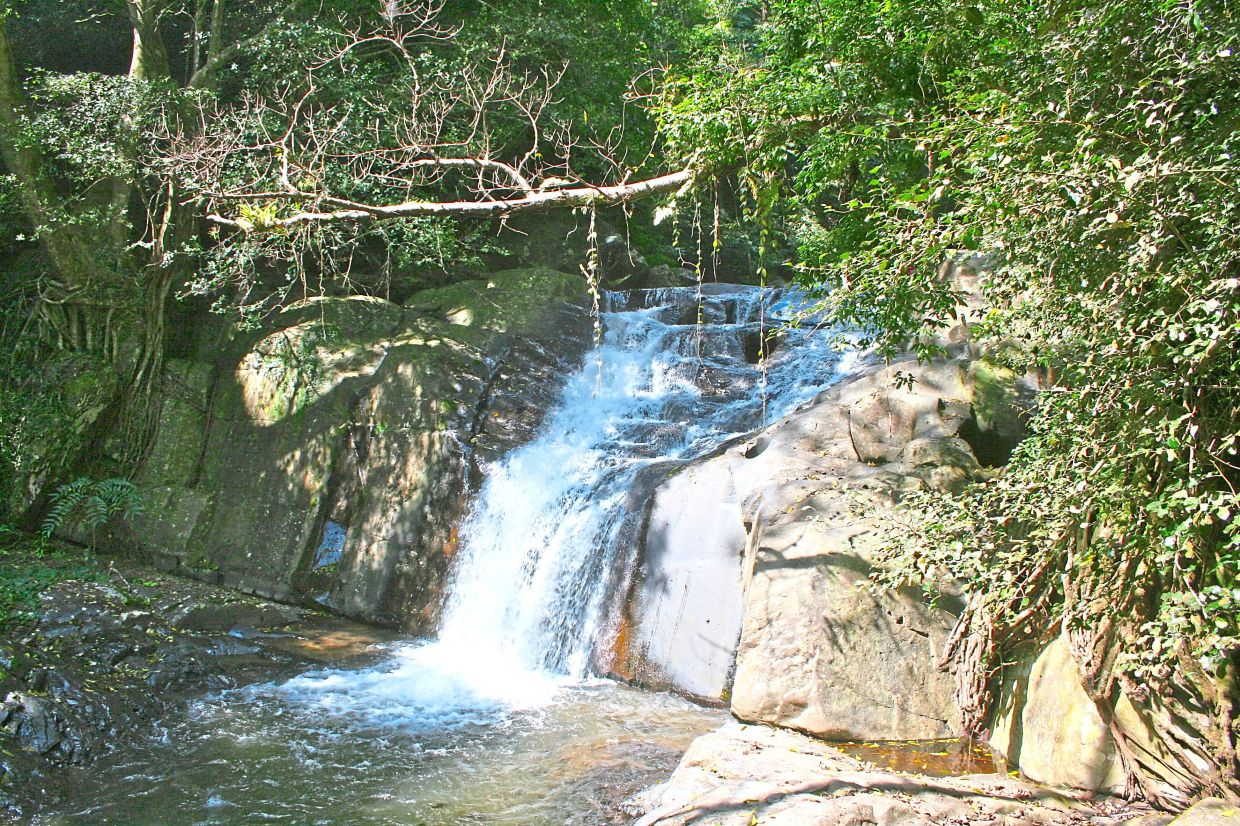
At the heart of the complex are three national parks: Kaeng Krachan, Kui Buri and Chaloem Phrakiat Thai Prachan.
The complex hosts a variety of wildlife, including Asian elephants, spotted leopards, hornbills and many other species. There are countless plants, too, making it one of Thailand’s richest wildlife habitats.
Embark on a morning hike for the best chance to spot wildlife, or come even earlier for birdwatching. With patience and a little luck, you might see animals going about their day in the wilderness. Take your time and explore the jungle at your own pace.
If a single day isn’t enough to explore, there are campgrounds where you can spend the night in the forest, but it is advisable to book in advance.
For those who prefer more comfortable accommodation, several eco-lodges in the area offer a cosy alternative.
5. Fujian Tulou (China)
China earns a second spotlight on our list for its Fujian Tulou.
Imagine children running through the courtyards, the aroma of family meals and the sound of music and laughter during festivals – all this took place at the Fujian Tulou once upon a time.
The Fujian Tulou, which are earthen structures, gained its Unesco title in 2008. There are a total of 46 buildings in this particular location.
Located in the mountains of southwestern Fujian Province, these structures resemble giant nests dotting the hillsides.
Inside, families and communities lived under one roof. (Apart from the building’s shape, it is actually very similar to a long house where several families live together in a single structure.)
These “walled villages” were built by the Hakka people between the 15th and 20th centuries. Each tulou could hold an entire clan, with some accommodating up to 800 people at a time.
Besides fostering communal life, these structures also helped safeguard residents.
Take a closer look at the lower floors and you will notice windowless walls, reinforced entrances, and even hidden ambush points – all designed to keep intruders out.
While some tulou are still lived in today, they no longer house large clans, as the younger generations have moved to cities for work and modern lifestyle.
Some tulou have also been converted into homestays and guesthouses, allowing visitors to experience life in these unique structures first-hand.
6. Hiraizumi (Japan)
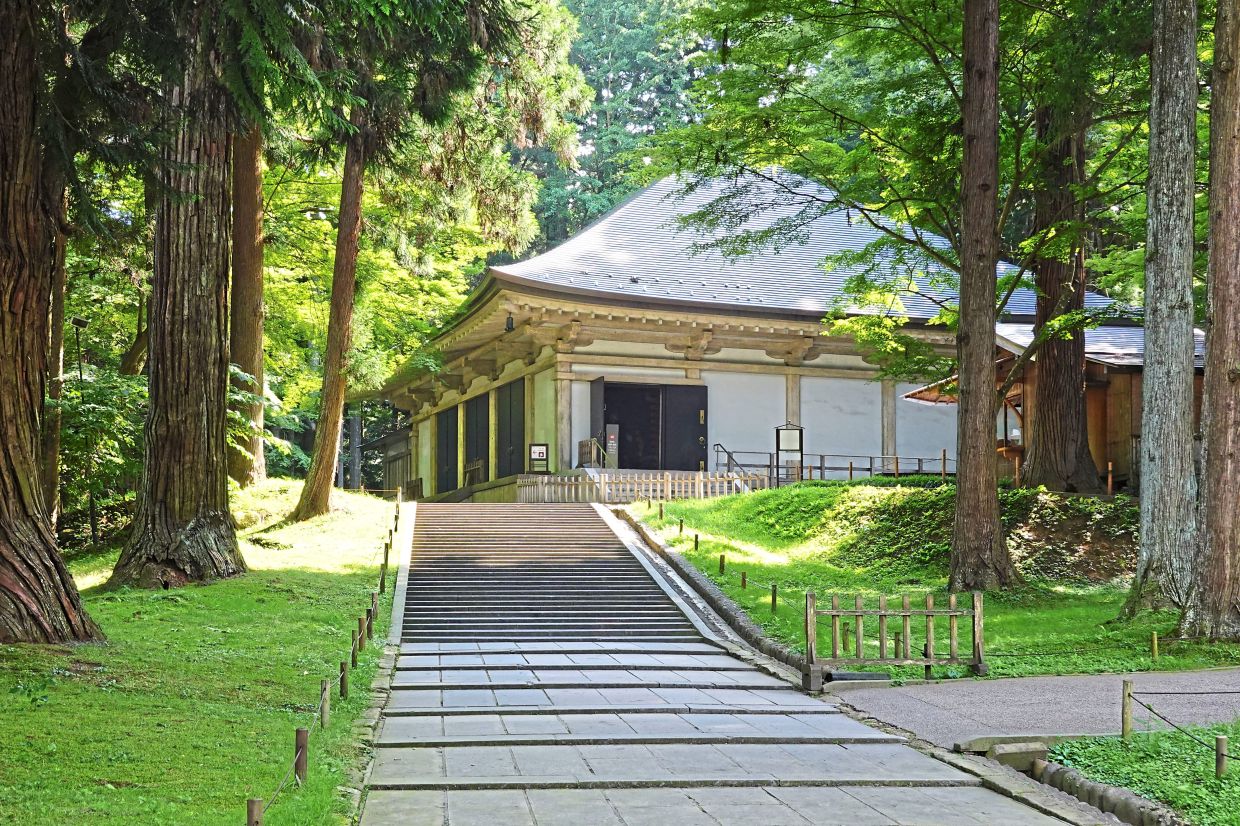
Hiraizumi, located in Iwate Prefecture, became a World Heritage Site in 2011.
What makes this over 900-year-old town special is how its temples, gardens and archaeological sites embody the Buddhist vision of a “Pure Land” – a world where religious philosophy is intertwined with nature.
The town flourished in the 11th and 12th centuries under the Oshu Fujiwara clan (also known as Northern Fujiwara), becoming a major cultural and political centre.
As you stroll through the town, you will see the majestic halls of Chuson‑ji, including its most famous building, the Golden Hall (Konjikido).
With landscaped ponds and open spaces, the tranquil gardens of Motsu‑ji and Kanjizaio-in were a reflection of the Pure Land concept.
The landscapes here are as beautiful as a painting when colourful maple foliage blooms from October to November. But if you can’t make it then, spring is a great time to enjoy the sakura blossoms.
7. Namhansanseong Fortress (South Korea)
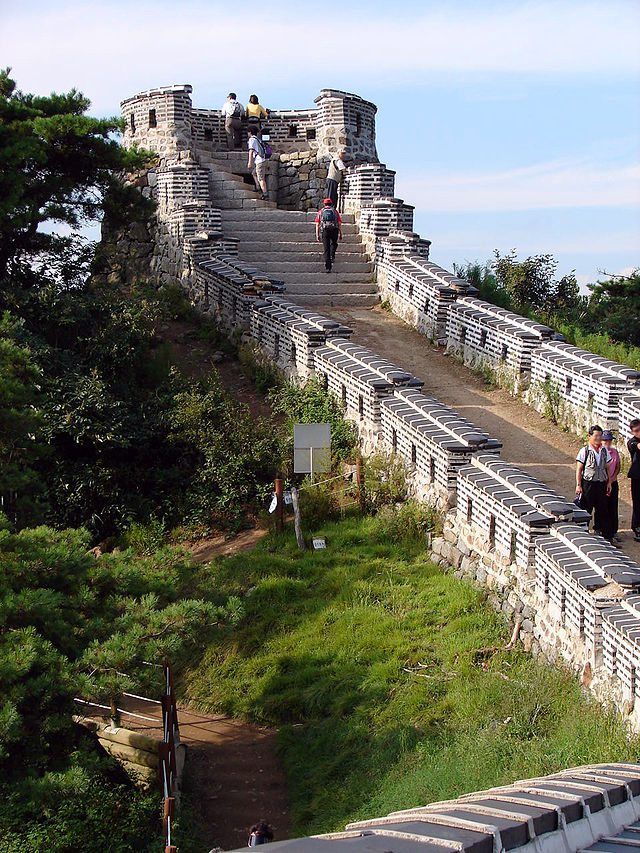
Just 25km from the South Korean capital city of Seoul is the historic Namhansan-seong Fortress.
Awarded World Heritage Site status in 2014, the fortress showcases a mix of Korean, Chinese and Japanese architectural designs.
With historical traces dating back to the 7th century, the fortress was mainly built and expanded in the early 17th century as a fortified refuge for the Joseon Dynasty during the 1636 Qing invasion.
Today, visitors can explore a network of hiking trails along the fortified walls, with routes ranging from leisurely walks to more challenging climbs through pine and oak forests.
As you wander, you will find panoramic viewpoints overlooking the surrounding mountains and valleys.
Within the fortress walls are historic structures including temples, shrines and administrative buildings.
In spring, the hills around Namhansanseong blossom with cherry trees, while autumn transforms the landscape into vibrant reds and golds. Come during these times if you want to enjoy a scenic atmosphere.
8. Sarazm (Tajikistan)
When you look up “Tajikistan” online, you will probably see pictures of towering mountains and sparkling lakes.
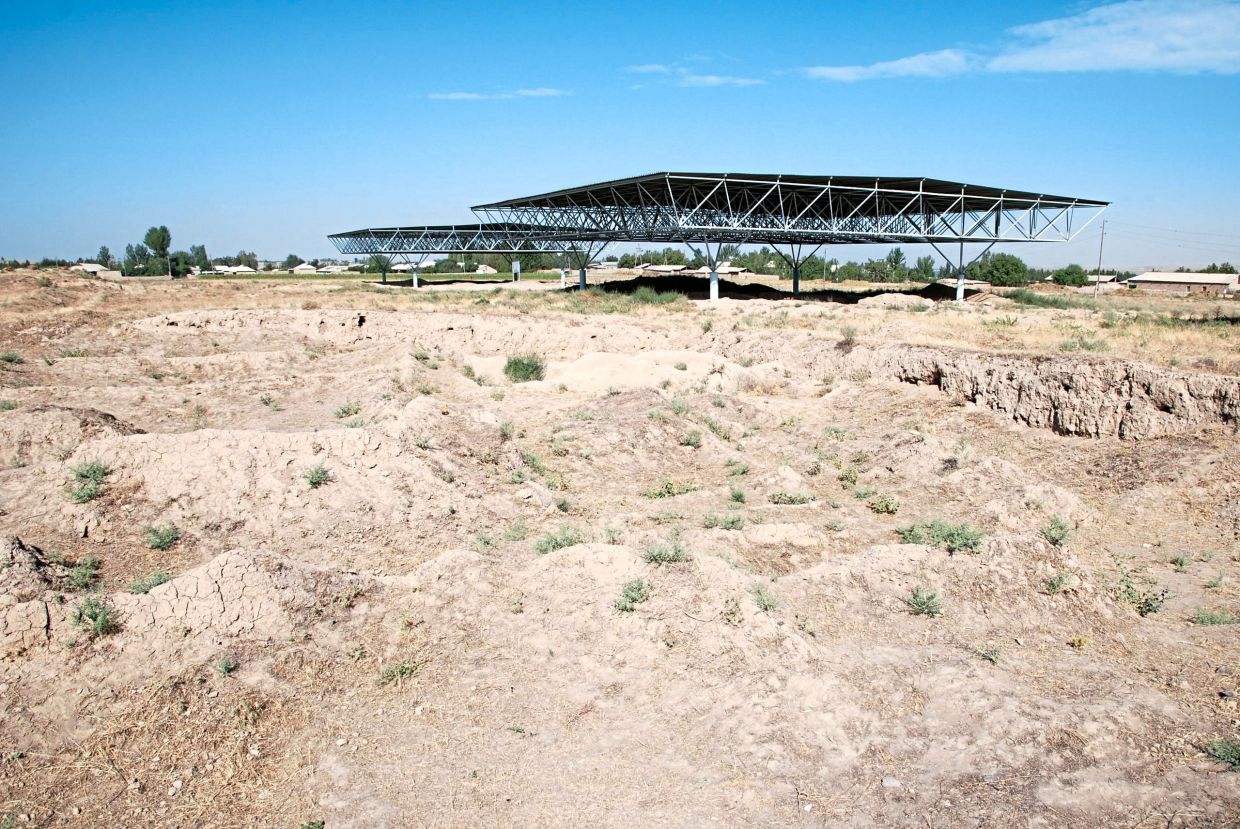
While its rugged landscapes make it a great place for hiking and climbing, Sarazm – inscribed into the Unesco World Heritage Site list in 2010 – holds deep historical roots.
Located in Sughd, Sarazm may look like a vast desert to the untrained eye. However, archaeological discoveries show it was once an ancient agricultural settlement that was part of the fertile Zarafshan Valley.
Going with a knowledgeable guide will help you better understand what you see. And let your mind wander as the story unfolds.
Fortified buildings, workshops, homes and burial grounds dating back 5,000 to 5,500 years have been uncovered, making Sarazm one of the oldest settlements in Central Asia.
The site is shaped by low mounds and exposed foundations, with pottery, beads and tools revealing traces of prehistoric life.
Sarazm also connects to later Silk Road heritage sites, showing how early settlements contributed to centuries of trade and cultural exchange.
It may not look impressive, but for those curious about early human society, Sarazm is rewarding.