
Malaysia is a tapestry of culture, and this diversity is reflected in many ways in the country, for example, our traditional attire.
Walk along Jonker Street in Melaka and you will likely spot tourists dressed in elegant nyonya kebaya, either posing for pictures or simply exploring the area.
The Melaka government had previously announced that visitors who wear the outfits are able to enter or join selected attractions, such as Melaka Zoo and the Melaka River Cruise, for free. This initiative is aimed at preserving the state’s Peranakan heritage by encouraging more people to experience different aspects of the culture, like its clothing.
For Adeline Lee, 32, the experience goes beyond just taking pictures.
She would gladly don the kebaya and walk around in Melaka again especially now that it comes with the added benefit of visiting popular landmarks for free. Lee, who hails from Ipoh, Perak, believes it helps both tourists and locals better understand and appreciate the culture.
“When I was there, I saw many Chinese and Indonesian tourists dressed in kebaya,” she says, adding that social media also plays a role in “spreading” the interest.
“When people post their pictures online, it piques their friends’ or family’s curiosity, encouraging them to try the experience for themselves.”
This growing appreciation for traditional attire is not unique to Malaysia, as you can see it happening in many destinations around the world. And the reason why the trend is seeing an uptick has a lot to do with accessibility: Costume rental shops and booths offering photography services are popping up near tourist attractions, making it easier for one to rent these traditional clothes.
More than just a social media trend, this tourism activity shows how travellers are changing the way they travel – they want to actively engage in local culture rather than just observing.
The locals benefit from it, too, as this trend directly supports small businesses and communities by boosting the economy.
Into the past
Trying on traditional attire while travelling to a new destination is like experiencing history first-hand, as though you are momentarily living in the past.
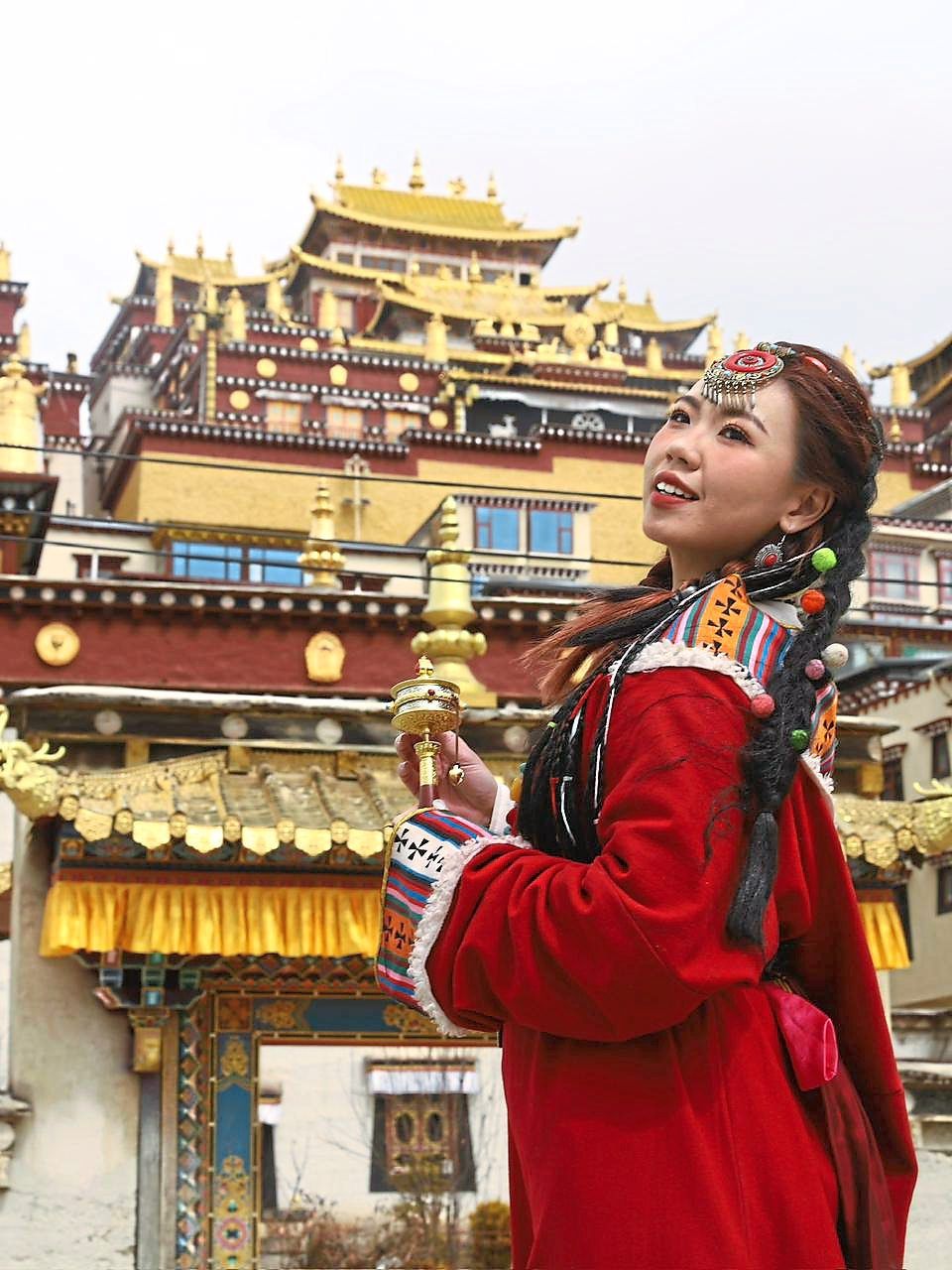
It can transform the way you see and feel a place, says 29-year-old Canny Claudya Lim, who has worn several traditional Chinese outfits, including the hanfu in Gansu, a Tibetan attire in Shangri-La (Yunnan), and Naxi attire in Lijiang (Yunnan), while holidaying in China.
“I am drawn to experiencing a place’s culture as fully as I can, especially where its history runs deep. It feels surreal, like stepping into the past, into stories you have only read about in books or seen in movies,” she shares.
The Indonesia-born travel influencer says her upbringing shapes how she experiences culture and heritage.
Growing up in Indonesia, a culturally and ethnically-diverse country, Lim has always been curious, constantly exposed to different customs, festivals and ways of life.
“As someone with a Chinese heritage, wearing traditional Chinese outfits feels like reconnecting with my roots and ancestors,” Lim adds.
Curiosity is also what drives travellers like Nicholas Joel Leong, 32, and Yew Wee Ren, 32, to try on traditional costumes abroad.
Leong from Singapore has so far worn Sabah’s Murut attire, the gho in Bhutan, the gonryongpo in South Korea, deel in Mongolia and Thailand’s Isan attire.
“This curiosity is what allows you to immerse yourself in the culture. At the same time, wearing traditional outfits not only supports local businesses, but also helps preserve cultural heritage and promotes tourism.
“The locals are often delighted when travellers show interest in their traditions,” he says. “I have even had townsfolk come up to take photos with me.”
Yew, a senior marketing manager at a company in Kuala Lumpur, shares a similar sentiment. “I have always been intrigued to see myself as part of the local culture,” says Yew, who has worn both the Japanese kimono and Chinese hanfu during her travels.
For Malaysian content creator Shahrulizwan Dona, 35, he sees donning traditional attire as a way to share his travel experiences with his online audience. He hopes that by sharing, more people would want to learn more about a destination’s cultures.
“I am always eager to learn something new when I travel,” he says.
He adds that his recent trip to South Korea showed him just how enriching these experiences can be. “Rather than just going sightseeing or tasting local food, try wearing traditional attire, it’s a good way to immerse yourself in the culture.”
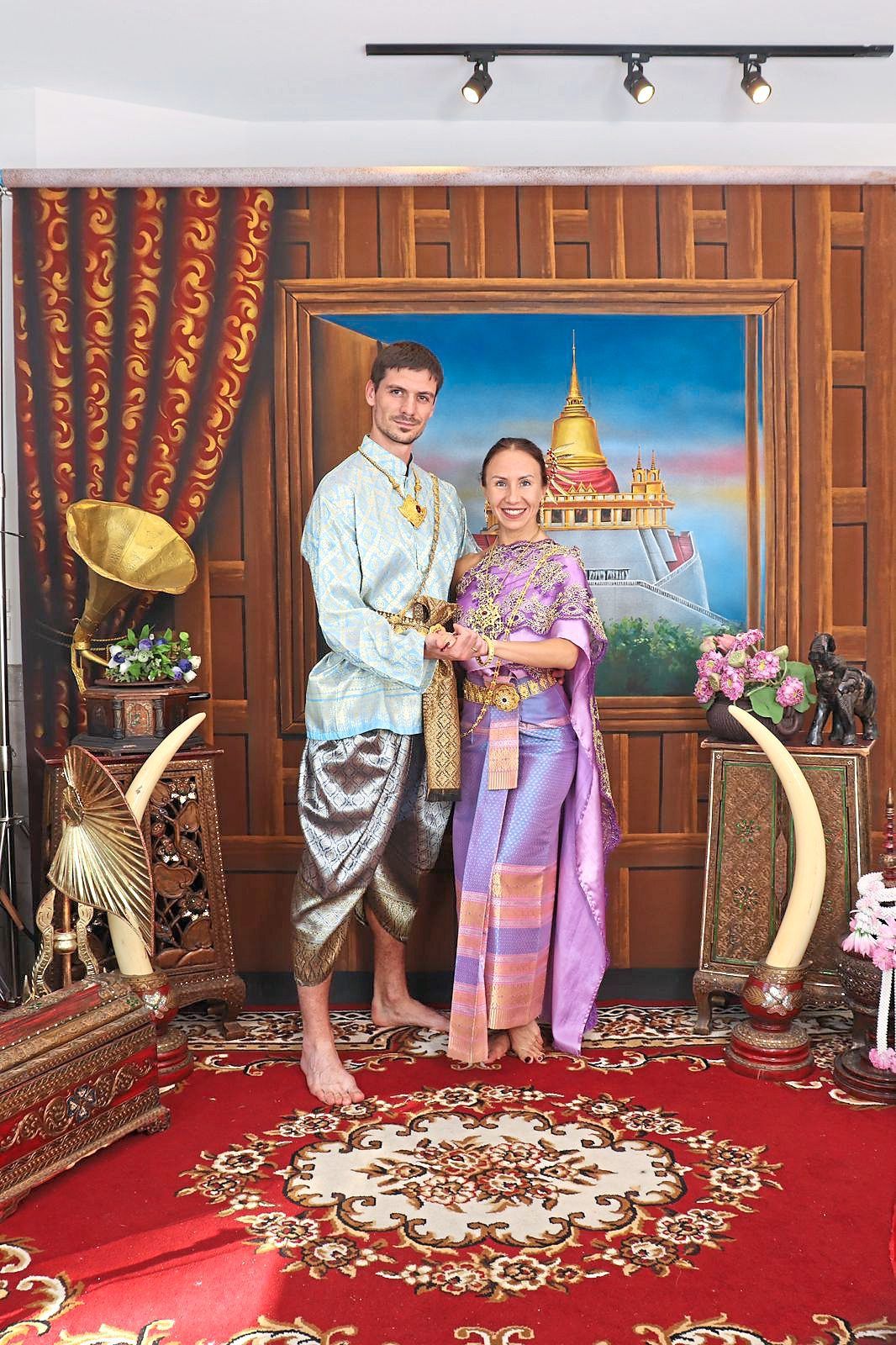
For others, the experience can be just as transformative. Inspired by her time in Thailand, Russian dancer Anzhela Kuryshova, 36, began learning the Thai language after trying on their traditional clothing, also known as “chut Thai”.
That experience made her feel more connected to the country and culture, hence her decision to pick up the language.
While wandering around Wat Saket Ratchawora Mahawihan in Bangkok, Kuryshova saw photographers taking pictures of visitors dressed in the Thai costumes. Without hesitation, she decided to join in.
“I know it is something many tourists do, but now I understand why. It really makes the experience memorable, especially for first-time visitors,” she says.
It also reminded her of a similar tradition back in Russia, where women wear the sarafan (a long, sleeveless dress) over a linen shirt, while men don the kosovorotka, a long-sleeved shirt decorated at the hems with a band collar that’s fastened at the side. Both outfits are still worn during festivals today.
Take the time to learn
To many tourists, trying on traditional clothing might seem like playing dress-up.
But for Kuryshova, it is more than that – it requires patience and respect.
She recalls being carefully guided as she put on the Thai chakri, an elaborate formal outfit with a silk shawl draped over one shoulder.
“The person from the rental shop helped with most of the dressing, making sure everything was worn correctly,” she says.
Her partner wore the suea phraratchathan or “royal granted shirt”, along with the chong kraben, a piece of cloth that’s wrapped around the waist and tucked at the back to create trousers; this is worn by both men and women.
“You have to be precise, even with the position of the jewellery,” Kuryshova shares. “Everything must be placed correctly and your posture matters, too.”
Traditional attire, Shahrulizwan says, represents a nation’s identity. “Through these outfits, we can learn about the country we are visiting. Each country’s clothing tells a story about its heritage.”
He shares a practical advice: “Always let the locals dress you or double-check your outfit. Ask what you should or shouldn’t do. It is important to respect the culture.”
A similar sense of discovery unfolded for Yew during her time in Japan. Standing in front of the mirror at a costume rental shop near Kiyomizu-dera, a temple in Kyoto, she noticed just how much the little details matter.
“The left side is always wrapped over the right and secured with an obi (a traditional sash/belt,” she recalls. Even the accessories, like the zori (flat-bottomed sandals) and tabi (split-toe socks), play a role in completing the look.
“The interesting part is learning that there are seasonal versions, too,” she says. “Some of the materials are thicker for colder months.”
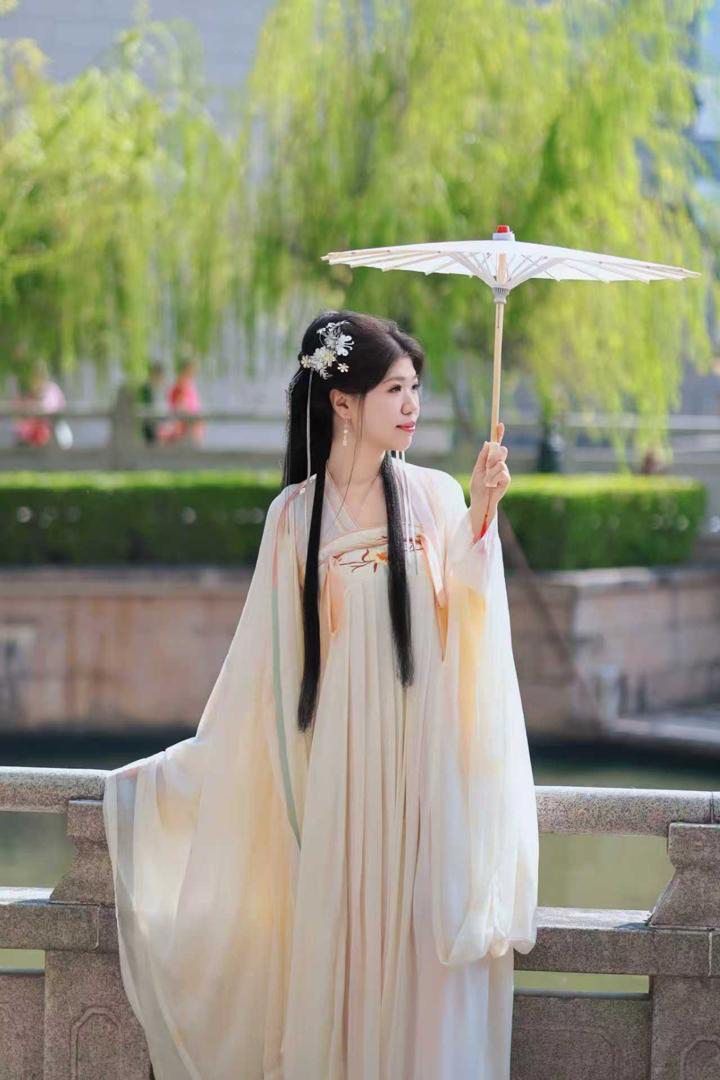
Her learning experience didn’t stop there. In Guangzhou, China, she tried on the qixiong ruqun, a type of hanfu, featuring a high-waisted skirt worn above the chest, which is usually paired with a wide-sleeved blouse.
What began as a photo opportunity turned into a history lesson. Hanfu, which refers to the “Han people’s clothing”, has evolved over thousands of years, with each dynasty shaping and reshaping the styles, she shares.
“I wouldn’t have known all this if I hadn’t tried it on,” Yew says.
Leong may not remember every detail of the outfits he wore, but the experiences are still vivid.
On one of his trips to South Korea, he wore the gonryongpo – a bright robe traditionally reserved for royalty, often embroidered with dragon motifs symbolising power, he learned.
In Thailand, he ventured beyond the familiar chut Thai and wore attire influenced by the Isan people from the north east. The ensemble consists of a shirt paired with a woven cloth tied at the waist, a style commonly seen in cultural performances.
One of his most memorable experiences was in Sabah, where he was clad in Murut warrior attire, complete with a bark vest and feathered headgear.
“It really makes you wonder how people in the past lived their lives,” Leong says.
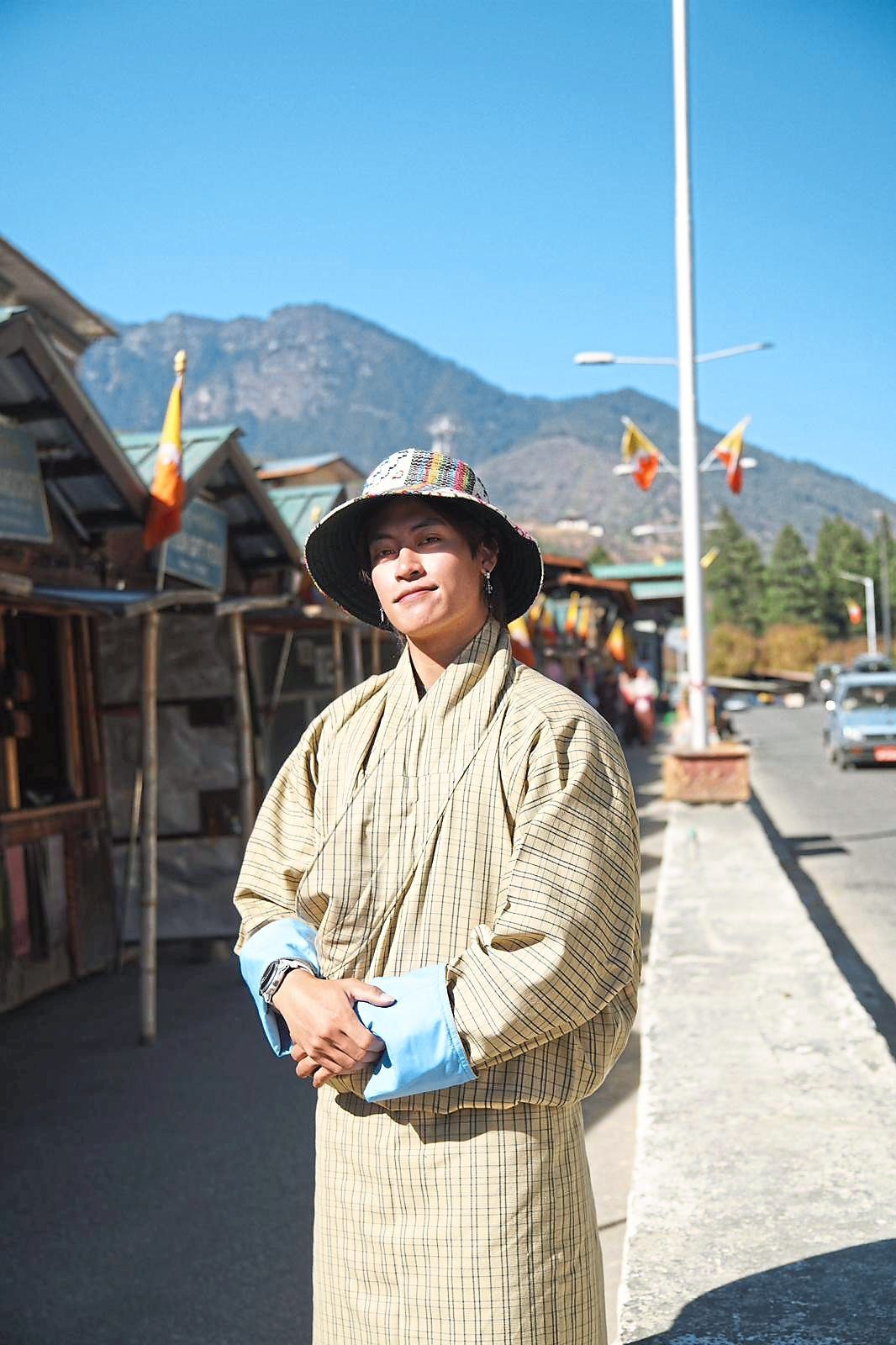
During his time in Bhutan, he wore the gho, a knee-length robe that continues to serve as the national dress for men.
The robe has no conventional pockets, so wearers use the front fold, secured with a belt called the kera. This fold functions as a pouch – known as the “largest pocket” by locals – for carrying everyday items.
While understanding how to wear the robe correctly is useful, the experience alone often doesn’t convey the cultural meaning behind it.
“Some places only tell you when it was worn and by whom,” Leong reveals, which prompts some travellers to take the initiative to learn more about the attire in other ways.
Lim, for example, discovered that hanfu styles differ across regions in China.
In Guangzhou, designs are lighter and more colourful to suit the warmer climate. In Gansu, the hanfu tends to lean towards heavier materials and reflects influences from the Silk Road and Dunhuang art.
Lim points out that the hanfu is not a single style, but a collection of different designs shaped by history and geography.
In Shangri-La, Tibetan-style ethnic clothing called the chuba (or chupa), often features a red robe with embroidered cuffs. The attire is complemented by an ornate, wide decorative belt adorned with intricate embroidery. The look is further enhanced by braided hair decorated with colourful ornaments, and a headpiece.
Meanwhile, Naxi attire in Lijiang features layered, durable garments designed for the cool mountain climate, paired with a sheepskin hat for warmth.
These discoveries often go beyond photo-taking, turning the experience into a deeper cultural learning journey.
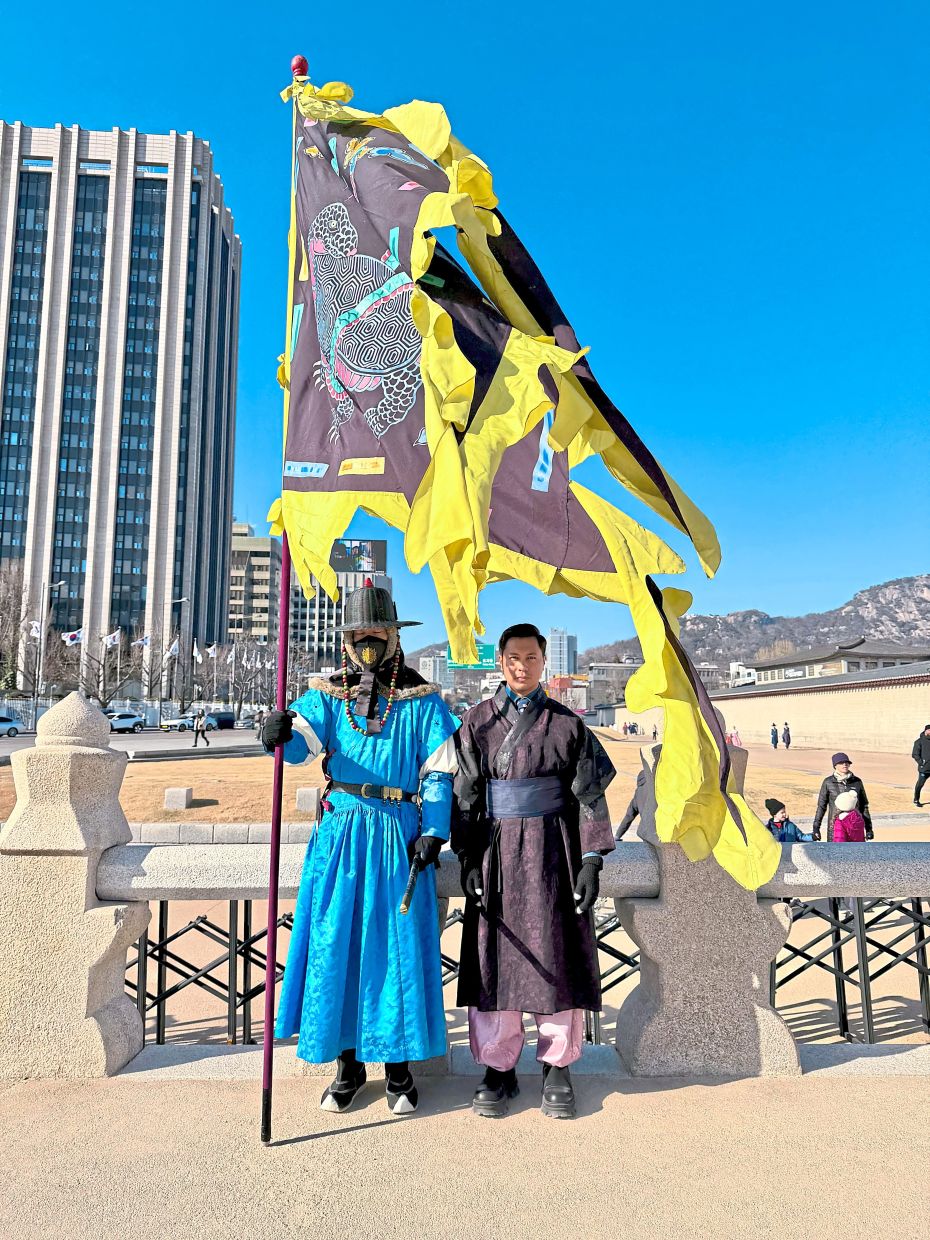
For Shahrulizwan, these experiences come with a sense of ease. “The staff will usually guide you to ensure that the outfit fits properly,” he says.
When he tried on the Korean hanbok, he made sure to understand what he was wearing. The men’s ensemble includes a jeogori (jacket) and baji (loose-fitting trousers), sometimes layered with a durumagi, an overcoat worn for more formal occasions.
“What I find interesting about the hanbok is its design,” he says, adding that it’s simple but elegant, with a distinct silhouette.
Beautiful traditions
Trying on traditional attire completely changed the way Lim connects with a place.
“Wearing the clothes in their place of origin makes it feel real and authentic,” she says.
Instead of merely observing a destination, Lim feels like a participant in its everyday life.
“I am always amazed at how many of these outfits were designed hundreds of years ago and how thoughtful they were in terms of aesthetics and function.
“It makes me wonder about the creativity of people in the past and where they drew their inspiration from,” she says.
Today, donning traditional outfits has become a trendy experience in many places, and young holidaymakers consider it a “must-do” tourism activity that makes their trips special.
Shahrulizwan hopes people will see that it’s more than just a photo opportunity, that it’s a chance for cultural exchange, as the outfits “serve as a window to understanding history and customs”.
He recalls his first time in South Korea, wearing a hanbok at Gyeongbokgung Palace.
“Walking around the palace grounds in traditional clothing gave me a deeper appreciation for the complex’s architecture, its stories and atmosphere,” he says.
As for Yew, although she loves the aesthetics of the clothing, she appreciates the cultural side of things, too, and tries to learn more.
“Honestly, my first impression is always about how beautiful the outfit looks,” she says. As she explores the heritage districts in China, the cultural aspects begin to unfold around her.
With costume rental shops conveniently located near historical areas, walking the streets in traditional ensembles, stopping at local eateries and taking in the surroundings turn the visit into “a vivid, living experience”.
Similarly, Kuryshova recalls the excitement of embracing different traditions.
“I felt so elegant in the Thai women’s dress,” she says, adding that if she has children in the future, she would want to introduce them to different cultures through traditional attire, too.