Most travel itineraries would include visiting famous landmarks, but sometimes that means having to jostle large crowds, stand in long queues and, adding to the stress, strict time limits.
All these make it difficult to truly enjoy a place.
Today, you’ll find more travellers looking for a different kind of experience – one that lets them slow down and be present.
For those seeking that kind of solitude, here are five destinations that let you step away from the crowds and enjoy a sense of peace.
1. Salar de Uyuni (Bolivia)
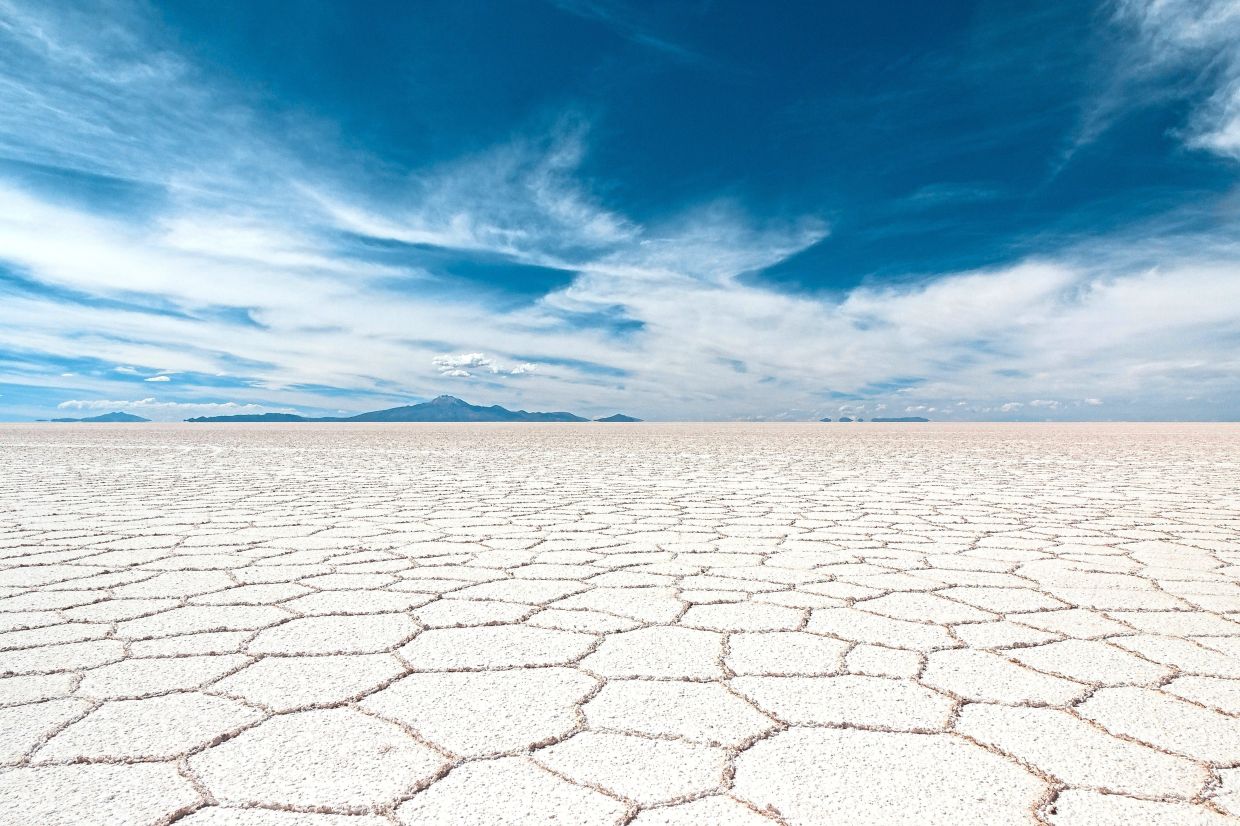
Nothing feels as surreal as visiting Salar de Uyuni in Bolivia, the world’s largest salt flat. Spanning over 10,000sq km, it’s sometimes called a massive “natural mirror”.
Because the flat is so enormous, even when other tourists are around, it still feels like you are the only one around.
The salt flat was created thousands of years ago when prehistoric lakes like Lago Minchin (in Bolivia), dried up. As the water evaporated, it left behind thick layers of salt and other minerals. In some places, the salt crust is more than 10m thick – this is the white surface that visitors see today.
The best way to experience Salar de Uyuni is with a local guide who can help navigate the open, “featureless” landscape.
Visitors can also see traditional salt harvesting in the village of Colchani. Local families still extract salt traditionally, and travellers can get a glimpse of how salt has been harvested here for generations.
2. Torres del Paine National Park (Chile)
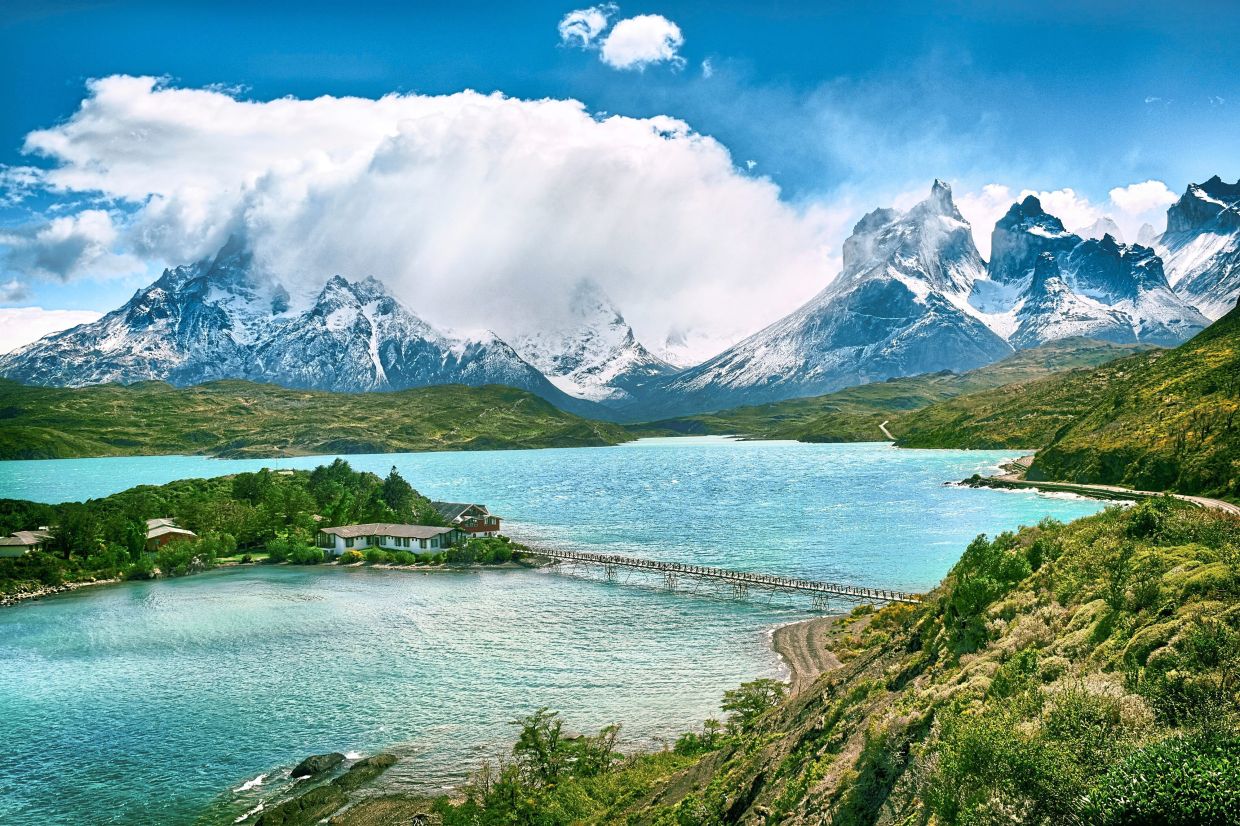
Located in the Chilean side of the Patagonian desert, Torres del Paine National Park features a dramatic landscape of glaciers, turquoise lakes and jagged granite peaks formed millions of years ago.
Its name comes from the famous vertical granite spires known as the “torres”, which means towers in Spanish.
The park was established in 1959 and designated a Unesco Biosphere Reserve in 1978 for its unique landscapes and rich biodiversity.
A hiker’s paradise, Torres del Paine is home to various hiking trails for all levels, from short, easy walks to challenging multi-day treks. Routes take visitors past waterfalls, through forests and up to viewpoints overlooking lakes and mountains.
The main hiking season is between October and April, with December to February being the busiest months. If you’re looking for some peace and quiet, just for yourself or with a few friends, visit during the shoulder months (October to November, or March to April), but be prepared for unpredictable weather.
The park hosts a variety of wildlife, including pumas, Andean condors and guanacos, a South American camelid that belongs in the same family as llamas and alpacas.
3. Vesteralen (Norway)
Skip the crowded Lofoten Islands in Norway and venture north to Vesteralen, a quieter archipelago known for its beautiful scenery and strong fishing traditions.
Even though it is only a few hours from Lofoten and some 200km from the capital city, Oslo, most travellers rarely venture this far north, leaving the fjords and coastline largely empty.
One of its biggest draws here is whale watching. Just offshore is the “continental shelf”, which National Geographic describes as “the edge of a continent that lies under the ocean”.
These nutrient-rich waters attract sperm whales year-round. You’ll find several local boat operators that offer guided whale-watching trips, bringing visitors out to observe the gentle giants in their natural habitat.
Fishing is another way to experience life in the archipelago. Small fishing villages sit between fjords and mountains, and visitors can join guided tours to explore the rich waters of Eidsfjorden. You might catch halibut, cod or haddock.
Some fishing excursions also include scenic fjord cruises, giving visitors a closer look into the Nordic coastal lifestyle that has shaped the region for generations.
If you visit during winter, you’ll experience the long Arctic nights. Also called “polar night”, this is when the sun doesn’t rise above the horizon for more than 24 hours. The long period of darkness makes it perfect for spotting the Northern Lights.
4. Spis Castle (Slovakia)
Like Vesteralen, Spis Castle in Slovakia is off the tourist radar.
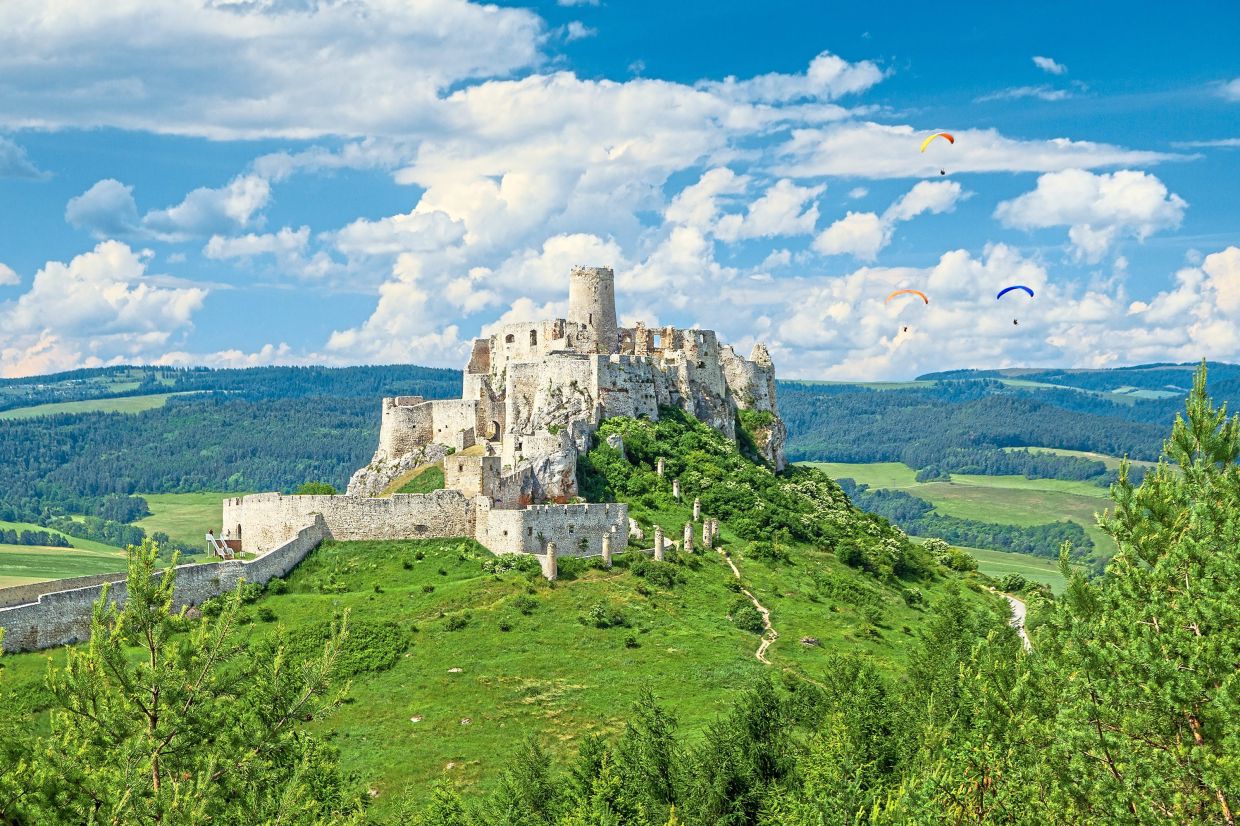
Perched on a limestone hill, the castle overlooks the town of Spisske Podhradie, its stone towers and walls standing as a reminder of its medieval past.
Built in the 12th century, it was one of the largest fortresses in the region, constructed to defend the Kingdom of Hungary. Over the centuries, the complex was extensively expanded, adding Gothic and Renaissance features to the original Romanesque design.
The castle was damaged by a fire in 1780, but several sections remain intact and open to visitors today.
In 1993, the castle was recognised as a Unesco World Heritage Site.
Today, travellers can wander through the ruins, explore parts of the palace and chapel, and take in panoramic views across the region.
Nearby, visitors can also explore Spisske Podhradie, with its cobbled streets and local cafes.
Just a short drive away is St Martin’s Church, a Gothic landmark and the quaint village of Zehra, home to historic frescoes and the Church of The Holy Spirit, another Unesco-listed site.
5. The Island of Nevis (Saint Kitts and Nevis)
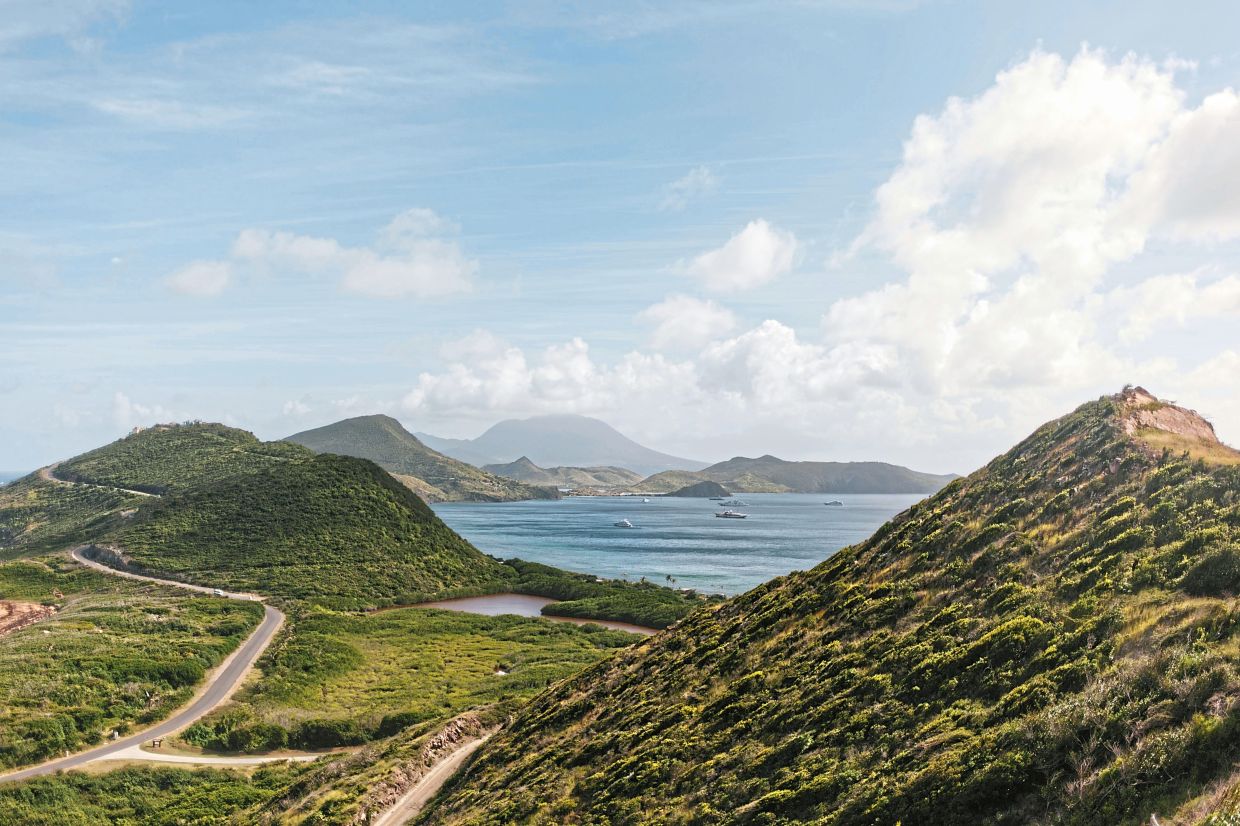
Formed by a volcano, the island of Nevis in Saint Kitts and Nevis offers a quieter side of the Caribbean, is far from the typical resort crowds. The island is shaped by Nevis Peak and its surrounding volcanic centres (the areas where volcanic activities take place/have taken place).
Here you will find long stretches of sandy beaches with very few visitors, perfect if you love peace and quiet.
Besides relaxing by the sea, you can hike up Nevis Peak and explore its various terrains, where local birds and wildlife can often be spotted.
To get a glimpse of the island’s past, head to Charlestown, the capital and largest town in Saint Kitts and Nevis.
This old port town is known for its charming historic buildings and as the birthplace of Alexander Hamilton (the founding father of the United States).
For more insight into the island’s history, check out the Museum of Nevis History, where you get to learn about the island’s culture and development.
The island’s volcanic landscape also means you can soak in natural hot springs, along with plenty of opportunities for swimming and snorkelling, all without the crowds.