
Rivers are givers of life. Civilisations spawned and grew along rivers, as these winding waterways provided everything from sustenance to transportation.
In Malaysia, a country whose history and biodiversity are shaped by rivers, most of the main river basins are located in Sabah. According to the MyWater Portal, the north Bornean state has 75 main river basins (Sarawak has 40 and the whole of Peninsular Malaysia, 74).
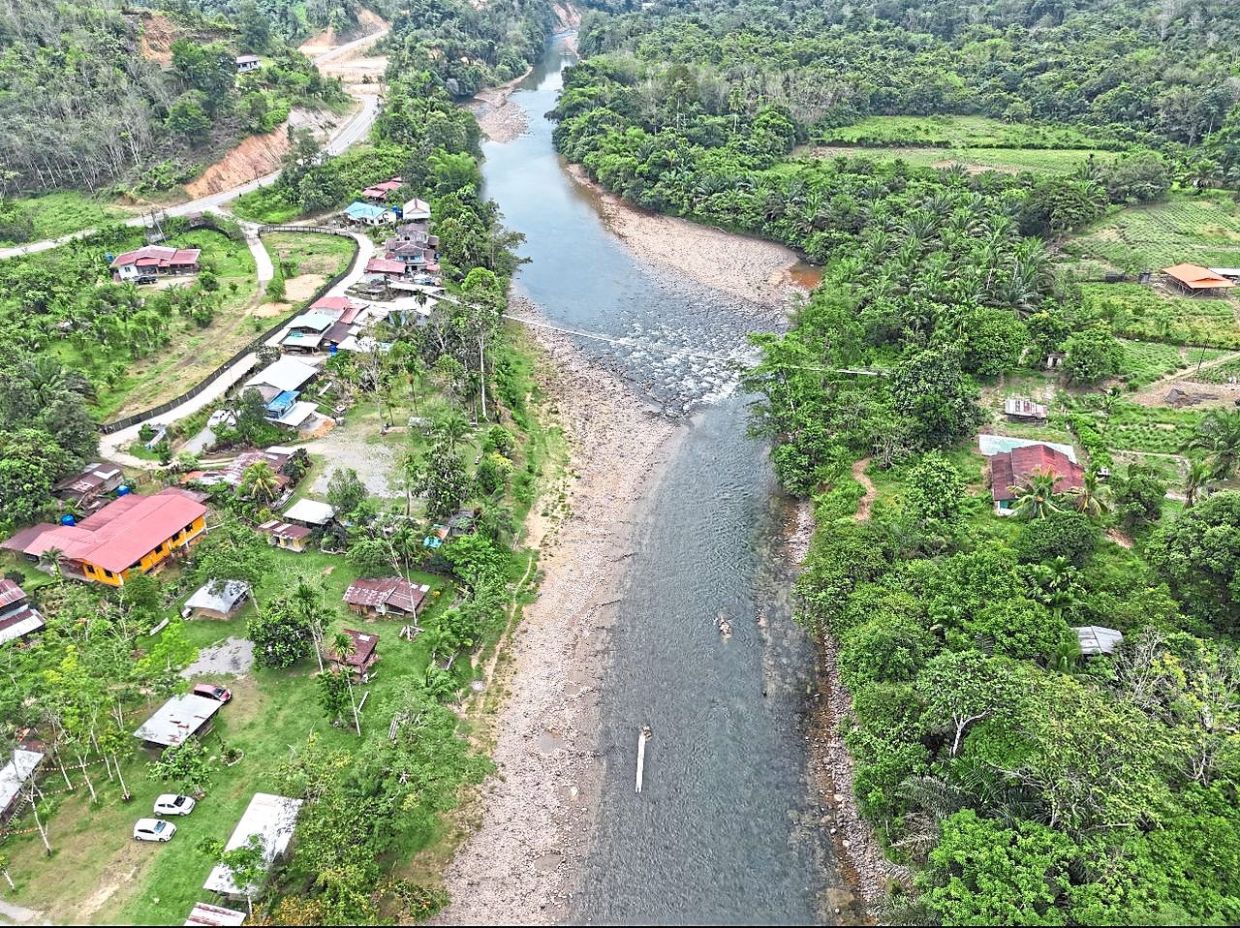
Among the river basins is a relatively unknown one that stretches 60km through a coastal district called Papar.
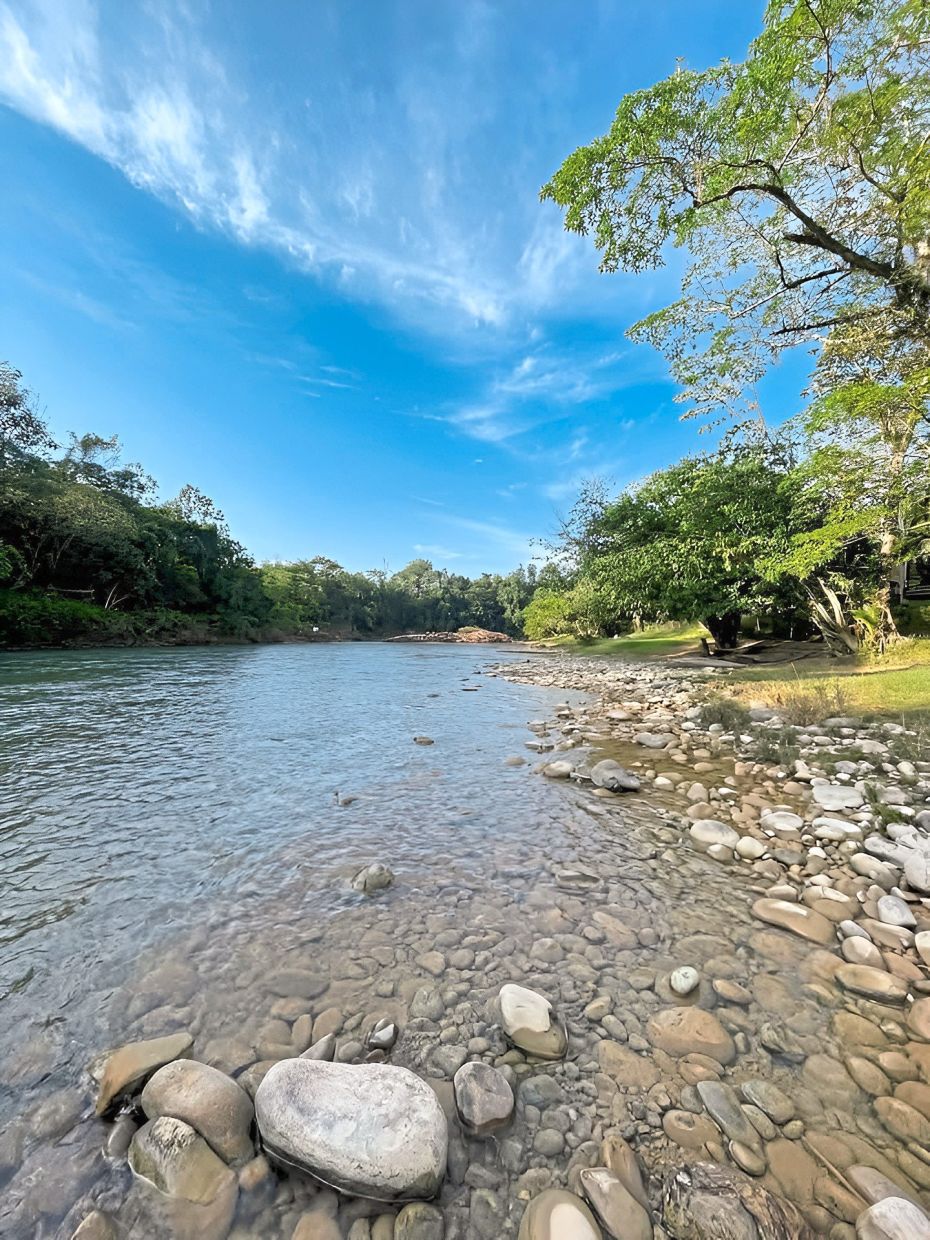
Eponymously named Papar River, it flows from deep within the Unesco-listed Crocker Range Biosphere Reserve, and into the South China Sea.
Papar River is quiet, unassuming. It does not have the fame and grandeur of Sandakan’s 560km-long Kinabatangan River – Sabah’s longest river which is also the second longest in Malaysia, bested only by Sarawak’s 563km-long Rajang River.
It does not feature the majestic Mount Kinabalu as a backdrop, a view that Kota Belud’s Melangkap River further north is well-known for.
But Papar River has witnessed history. In the 19th century, the British North Borneo Company set up its residency by the water. And a bridge for the North Borneo Railway was subsequently built across the river.
During World War II, the bridge was destroyed from the bombings. When the Imperial Japanese forces finally surrendered to the Allied forces, they had to do so by crossing the river on a ferry.
As someone who grew up in Papar – but fortunately long after the brutalities of the war have ended – my most “exciting” river-related memory was having to cross the bridge on foot to get to school.
By the 1990s, there were two bridges spanning over the river. One was the rebuilt railway bridge (now easily recognisable by its bright yellow paint job), and right next to it was the “newer” Papar Bridge for vehicles. The latter was damaged in mid-1990s – due to the “gargantuan crab” that lived under it ... at least, that’s how the local legend goes.
For several weeks after this happened, school buses and other vehicles were prohibited on the bridge. So, students like myself were among the crowds who had to walk across – on the pedestrian bridge attached to the railway bridge – to get to our respective destinations.
Fun times.
(Forgive me for the ambiguity of these details, these are memories from nearly three decades ago, after all.)
If you were to visit my little hometown in present time, you would notice that Papar River remains an integral part of our community. Other than its historical significance and agricultural uses, it’s also valued for another reason: recreation.
AA Campsite Kg Bolotikon
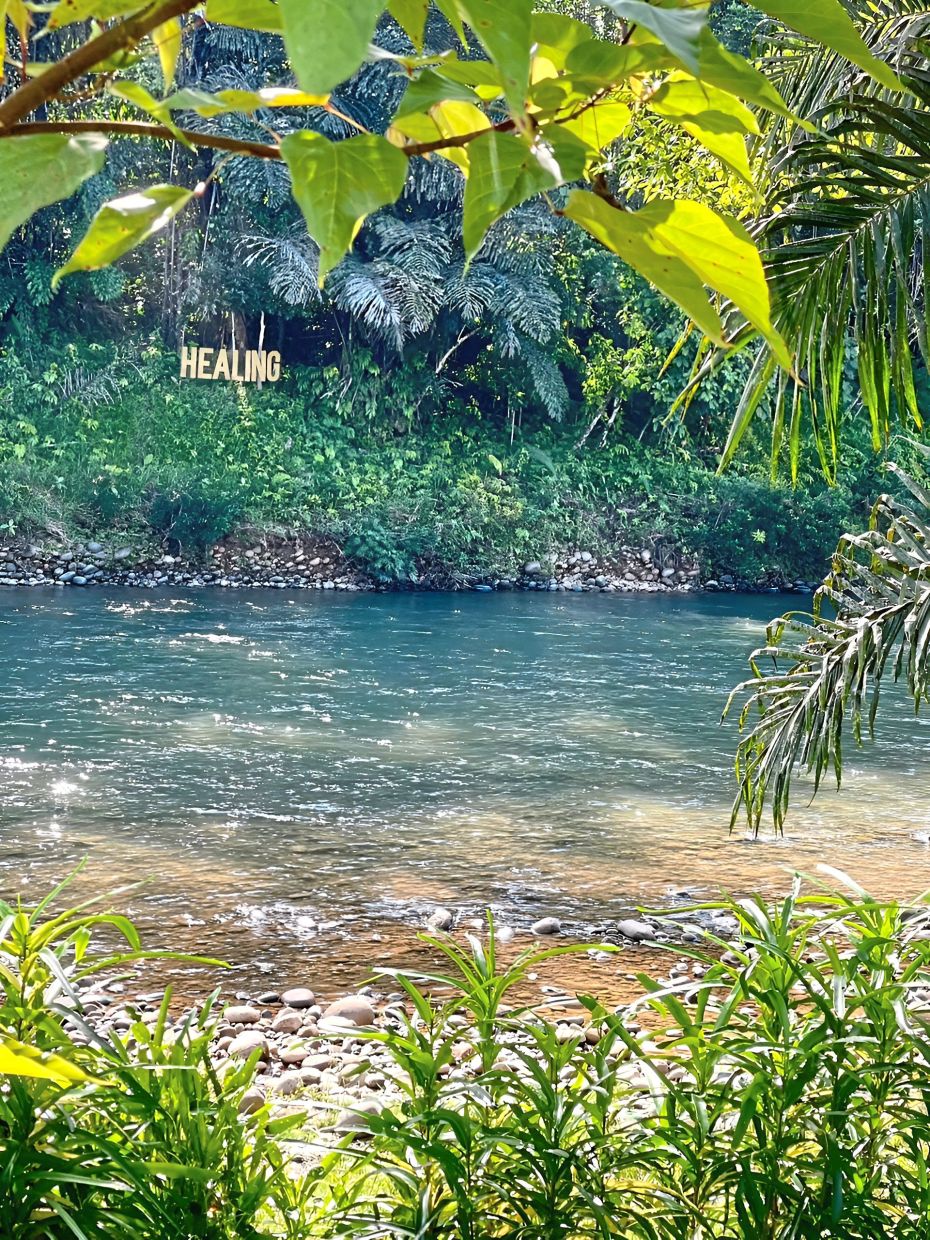
Without Papar River, this campsite would probably not feel as “healing” as it does now.
Sure, it’d still be surrounded by greenery, but there is just something about a gently flowing river that adds a feeling of serenity to a camping ground.
At AA Campsite, you can choose to stay in a tent or a hut. But you can do more beyond resting in nature here. You can experience life as a farmer, get to know local flora at the Bunga Mama garden, and watch traditional performances.
You can take a stroll on the jambatan gantung (suspension bridge) to enjoy a panoramic view of the river. Of course, you can take a refreshing dip in the river, too.
You’ll notice that the water is clean and clear and there are parts of it where fish swim freely. This is because Kampung Bolotikon, where the campsite is located, practises “tagal”. The traditional conservation method, established by the Kadazandusun people, restricts fishing in certain river zones in order to preserve the environment.
The tagal system has also helped boost ecotourism in villages that practise it. For example, in Bolotikon there’s the Tuhunon Bolotikon Riverside camp. About an hour away is Kampung Kinolosodon, where you can find Tagal Dolungan Sumbiling and Tagal Toboon-Minansar TMEC.
Most of these ecotourism destinations are additionally utilised for festive events. In AA Campsite’s case, it was recently the venue for Randawi Tavantang Kaamatan (RTK), the cultural men’s pageant held in all the main districts in Sabah, in conjunction with Kaamatan, or Harvest Festival.
Borneo Cultural Village
Each year, the districts in the state take turns to host the launch of Kaamatan, which officially falls on May 30 and 31. (The celebrations, however, typically begin in early May and last a whole month.)
Papar plays host this year, which proves advantageous for Borneo Cultural Village (BCV), as it is one of the tourism attractions highlighted by the district.
At BCV, you can learn more about RTK, Kaamatan and Sabah’s other customs and traditions.
Located off Jalan Papar Lama, this attraction is where you can explore the cultural heritage of some of Sabah’s native peoples, including Kadazandusun, Murut, Bajau and Rungus.
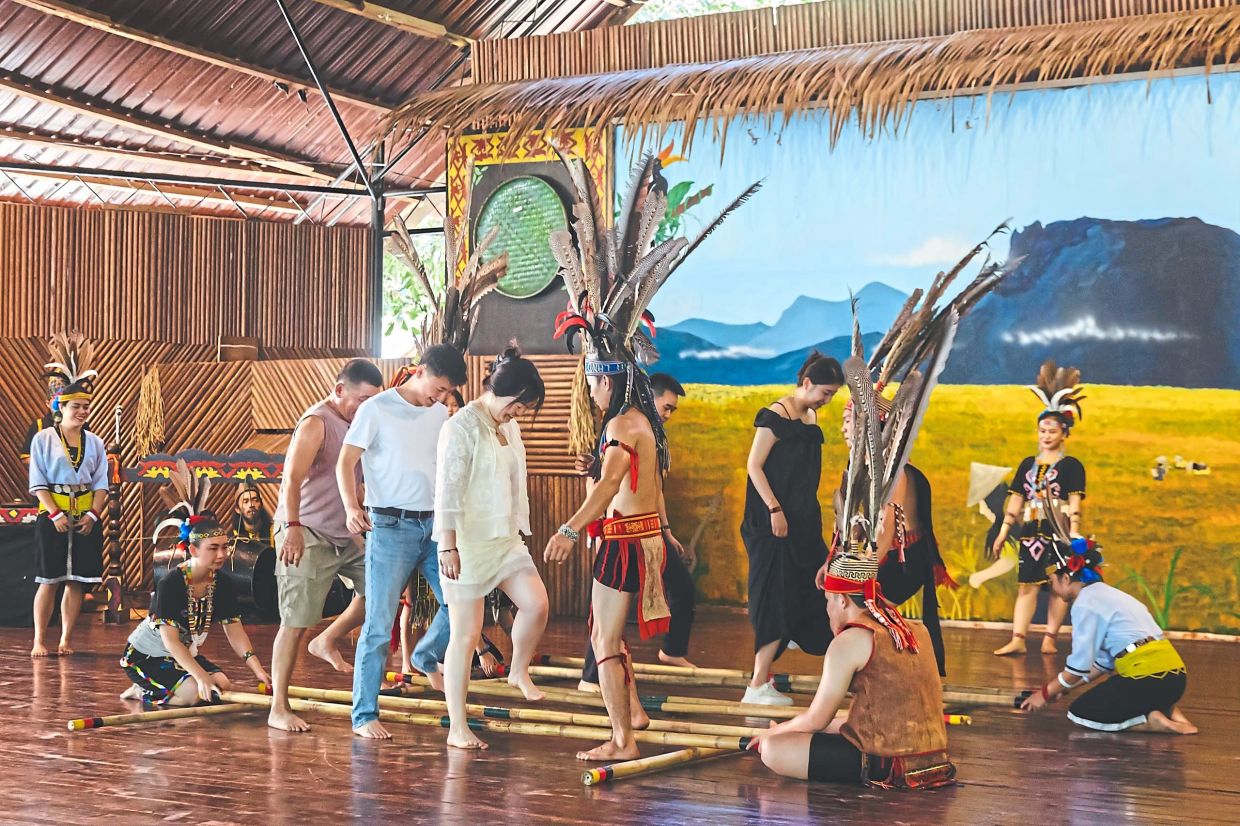
Try an exotic dish, like the sago grub, or join the cultural performances – you can certainly test your coordination and agility with the fast-paced traditional bamboo dance known as magunatip.
While not located alongside Papar River (although you can drive to the river in less than five minutes), visits to BCV are often paired with river cruises. One such package includes the Klias River Cruise. Since this river is in the neighbouring Beaufort district, this gives you the opportunity to explore more of Sabah.
North Borneo Train Tour
Driving into Papar town from the state capital of Kota Kinabalu (about 50km away), you will be crossing the aforementioned Papar Bridge. If you happen to cross it at just the right time, you’ll see a train chugging along on the historical railway bridge parallel to it.
Yes, the old-fashioned railway is still operational. You won’t see speedy trains zooming on the tracks – a sight more common in the Klang Valley – but there is a certain old-world charm to the trains here.
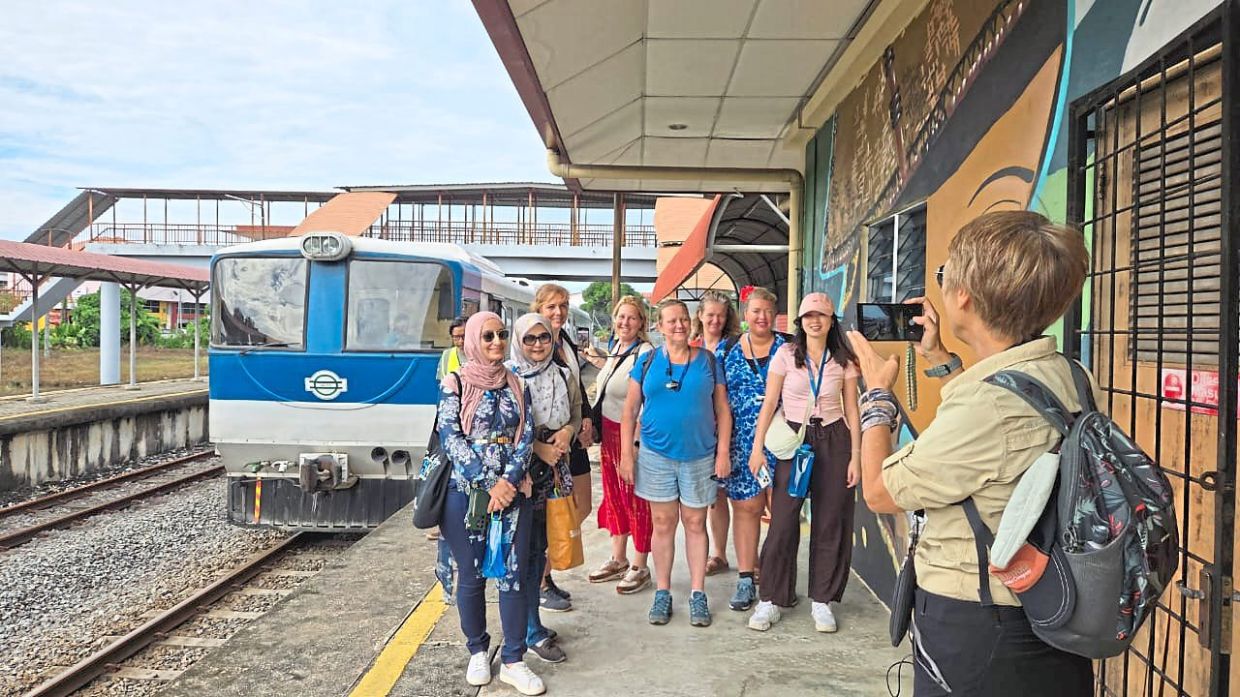
For an authentic experience, join the locals in taking the standard passenger trains that run from KK to Beaufort; one of the stops is Papar town. Disembark here to look for local delicacies such as kuih cincin (Brunei-Malay traditional snack), kuih sayur (Chinese vegetable bun), ngiu chap (beef noodles), pickled tuhau (wild ginger) and belacan Papar (the district’s proprietary additive-free shrimp paste).
There are also specific trains, like the Tamu Train to Papar, and Sunset Train to Muara Sungai Benoni (also in Papar), that you can take for certain experiences. The former is for going to the Wednesday tamu (market) in town and the other is for sunset views in Benoni.
Do check for schedule updates on Sabah State Railway Department’s social media pages before making your journey.
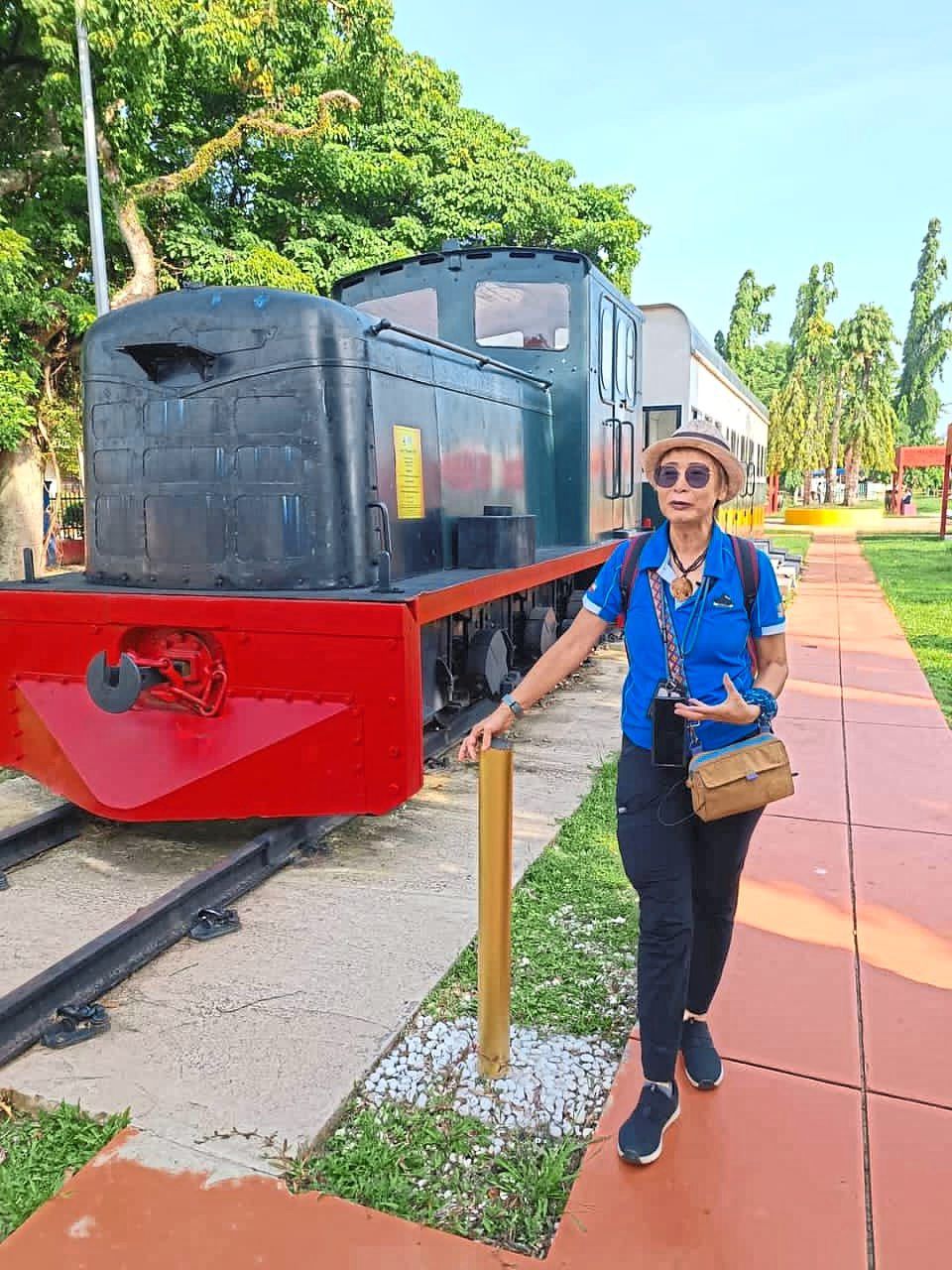
For a better understanding of Papar’s history and the railway’s role in it, join a guided tour. For example, the North Borneo Train Tour, which conducts railway trips to Papar daily, except Sundays. The itinerary includes a traditional welcome performance, a walking tour around the town and a visit to the tamu.
If time permits, take the chance to enjoy sunset dining at Papar Riverfront. See small boats coasting along leisurely as you enjoy your dinner. Afterwards, take a stroll on the riverside deck.
Another popular sunset spot is Pantai Manis. You’ll be driving through small villages for about 15 minutes from town to reach the beach, where you can dine while watching the waves crash against its rocky shore.
Dinawan Island
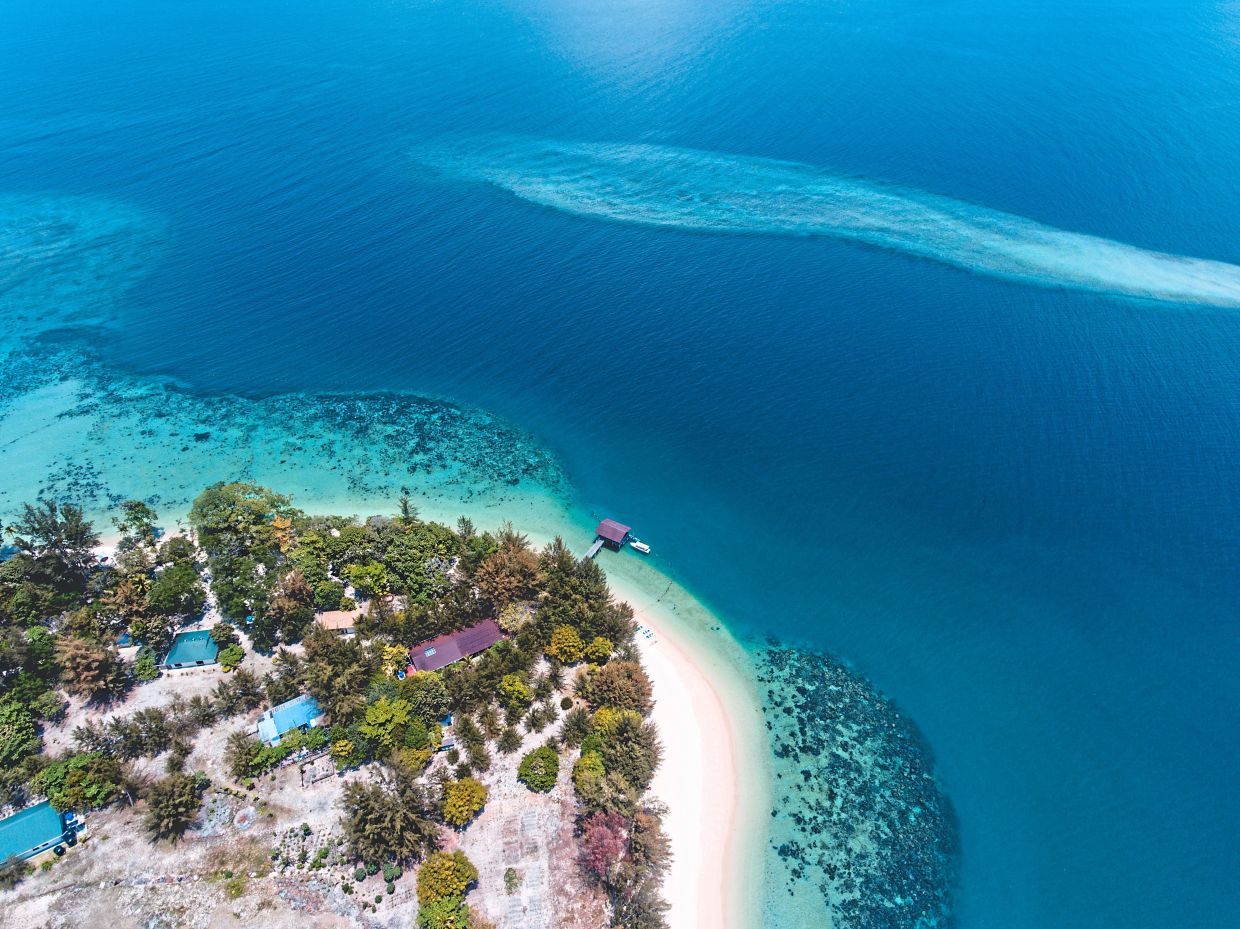
As mentioned, Papar River flows into the South China Sea. Floating in this sea is a little private island called Dinawan.
While small, it provides a very tranquil environment perfect for you to unwind in. You can snorkel in the cerulean waters, dive to see the vibrant marine ecosystem, and end the day sitting around a bonfire as you watch the sunset.
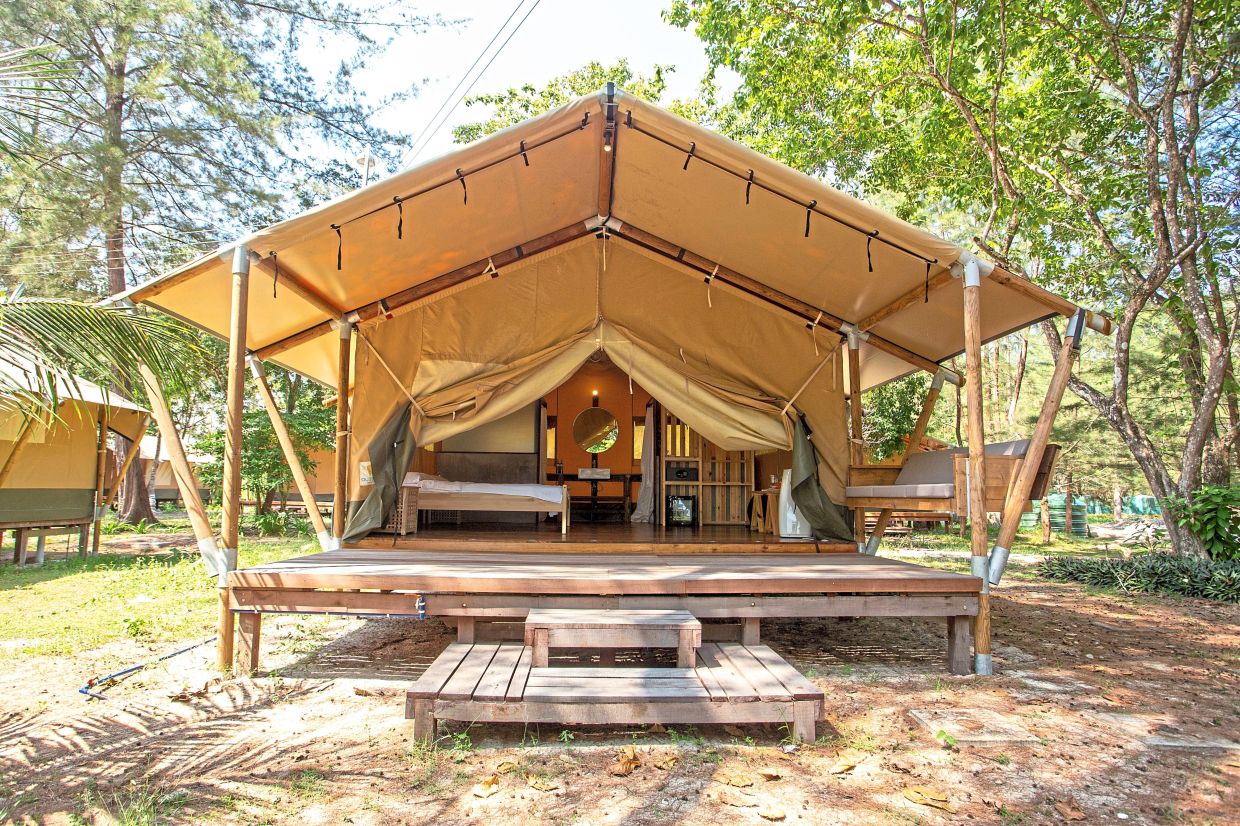
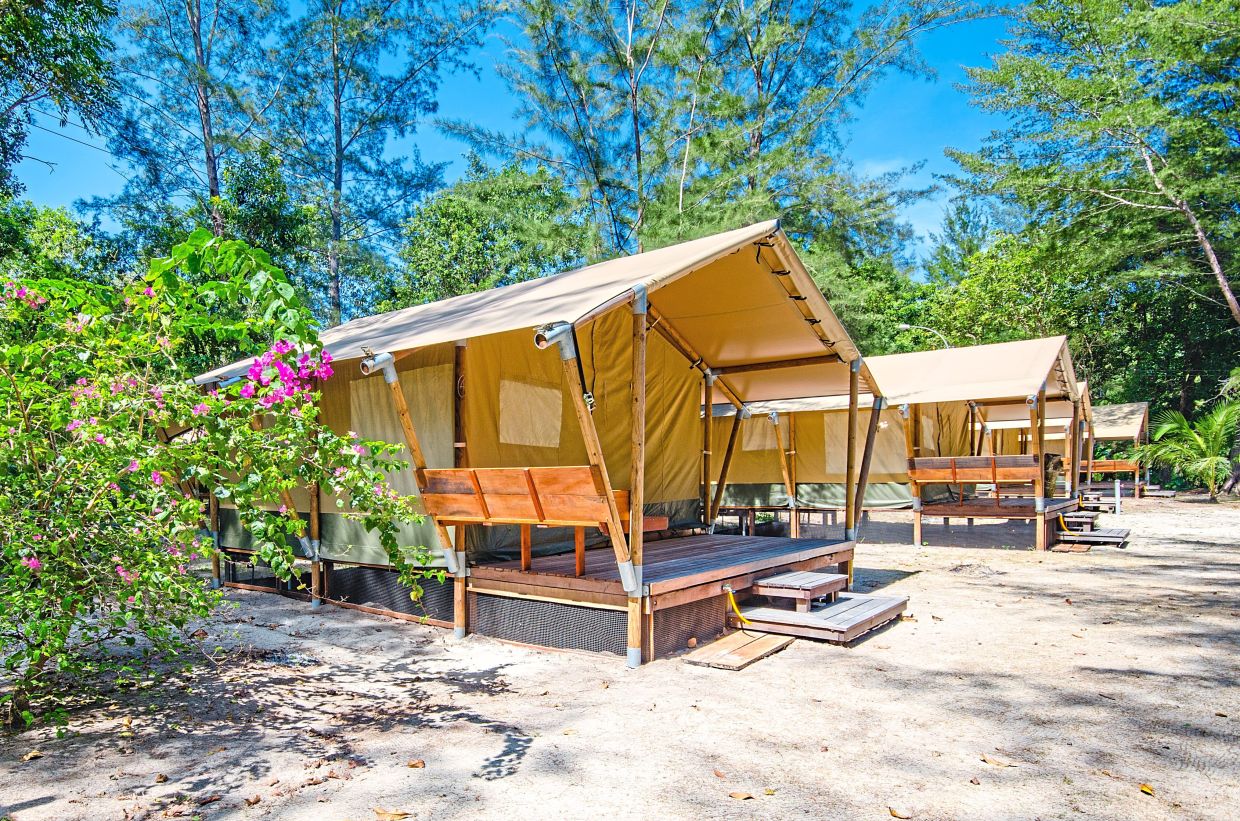
You can go glamping on the island, too. The accommodation here, named Ara Dinawan Island Resort, is touted as Sabah’s first exclusive eco-friendly island glamping. It runs on solar energy and features 14 glamping tents that are built with upcycled locally produced materials.
To get to the island, you can use the boat services from a restaurant in Beringgis.
Nearby here, there is another spot you can consider if camping, rather than glamping, is more your style. Outward Bound Sabah is a training centre where you can learn about outdoor survival and outdoor adventures. Book in a group to enjoy expeditions that range from kayaking to jungle trekking.
Mondikot Deer Camp
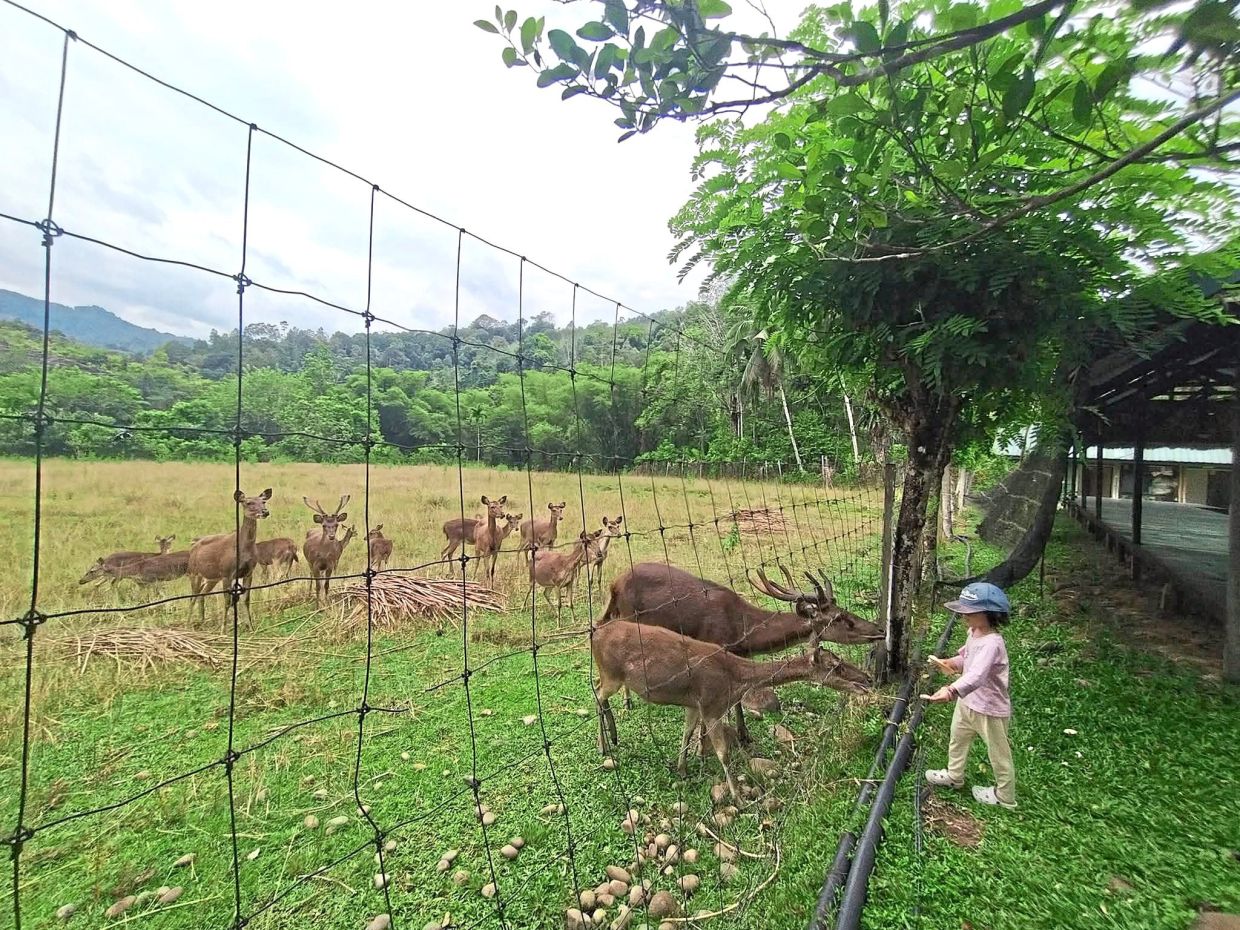
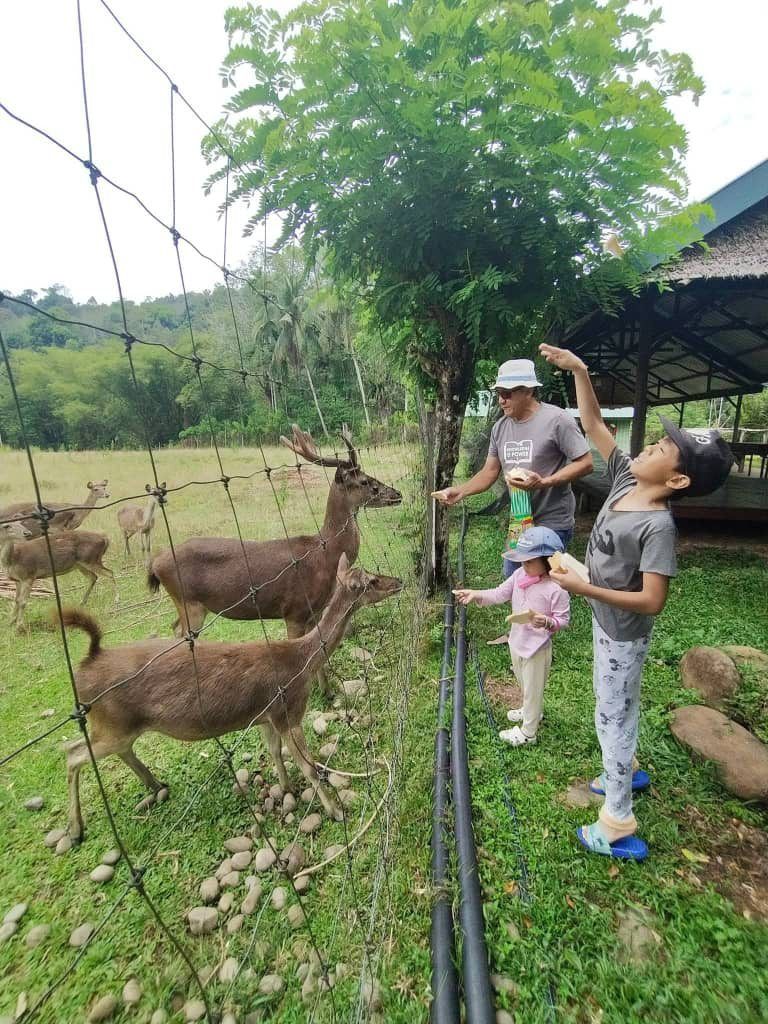
Another place to consider for camping, but this one comes with a “deer” twist. The name Mondikot Deer Camp isn’t just for show, it does indeed have the titular animal roaming around its animal farm.
Have fun spending your day fawning over the Javan deer (Rusa timorensis).
This being an adventure camp, you can do activities like trail orienteering, mountain biking and rafting. Or appreciate nature to the fullest: go bird watching, taste tropical fruits at the orchard and try game fishing for the experience of catching your own meals.
Its proximity to Papar River means that you can enjoy a leisurely riverside stay here as well, either at the sheltered camping area or in detached chalets with en-suite bathroom amenities.
Watch the river flow by as you wind down with a campfire and BBQ (you could be eating fish that you successfully caught yourself).
Pohumpung Natural Breeze Trail
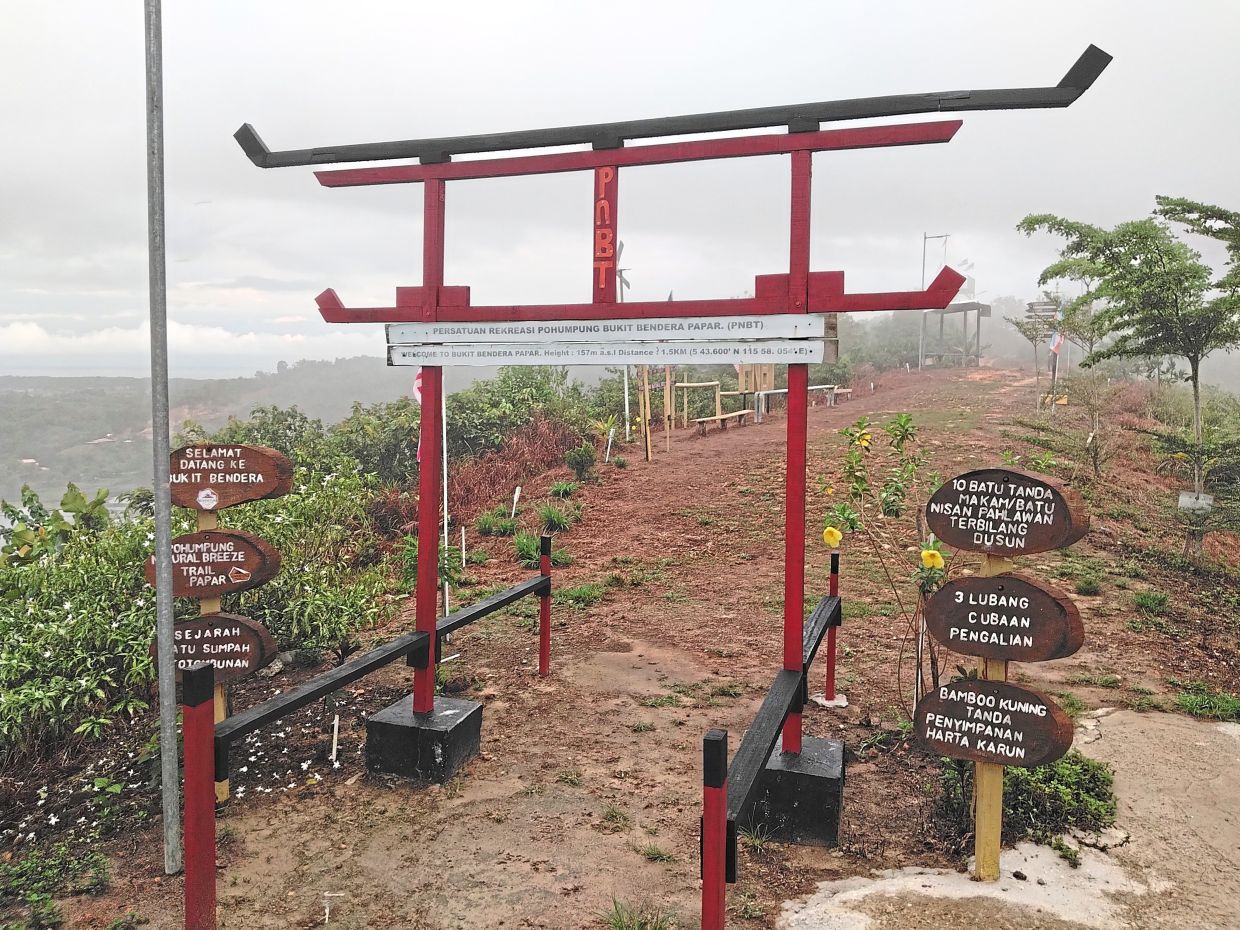
If it’s an attraction at a higher elevation that you seek, you’ll want to give Pohumpung Natural Breeze Trail (PNBT) a visit.
It is one of the trails that lead to Bukit Bendera’s summit. (Yes, Papar has a Bukit Bendera, too, just like in Penang.) There is another hiking trail to the summit that begins from Kampung Dambai, but the PNBT access specifically is via a hilly tarred road from Kampung Biau.
You’ll know you’re nearing the PNBT recreational spot – where you can opt to camp overnight – when you see a large white cross come into view. As Papar has a predominantly Catholic population, the hill doubles as a pilgrimage site where a Good Friday procession is held every year.
Catholics can join the procession if it coincides with your visit. Of course, visitors of any faith are welcomed to hike Bukit Bendera anytime.
Now you might be thinking: Is this even anywhere near the river? Well, you could drive about 10 minutes to the riverside. You’ll see a jambatan gantung in Kampung Papaga, used regularly on weekdays by students and on weekends by churchgoers.
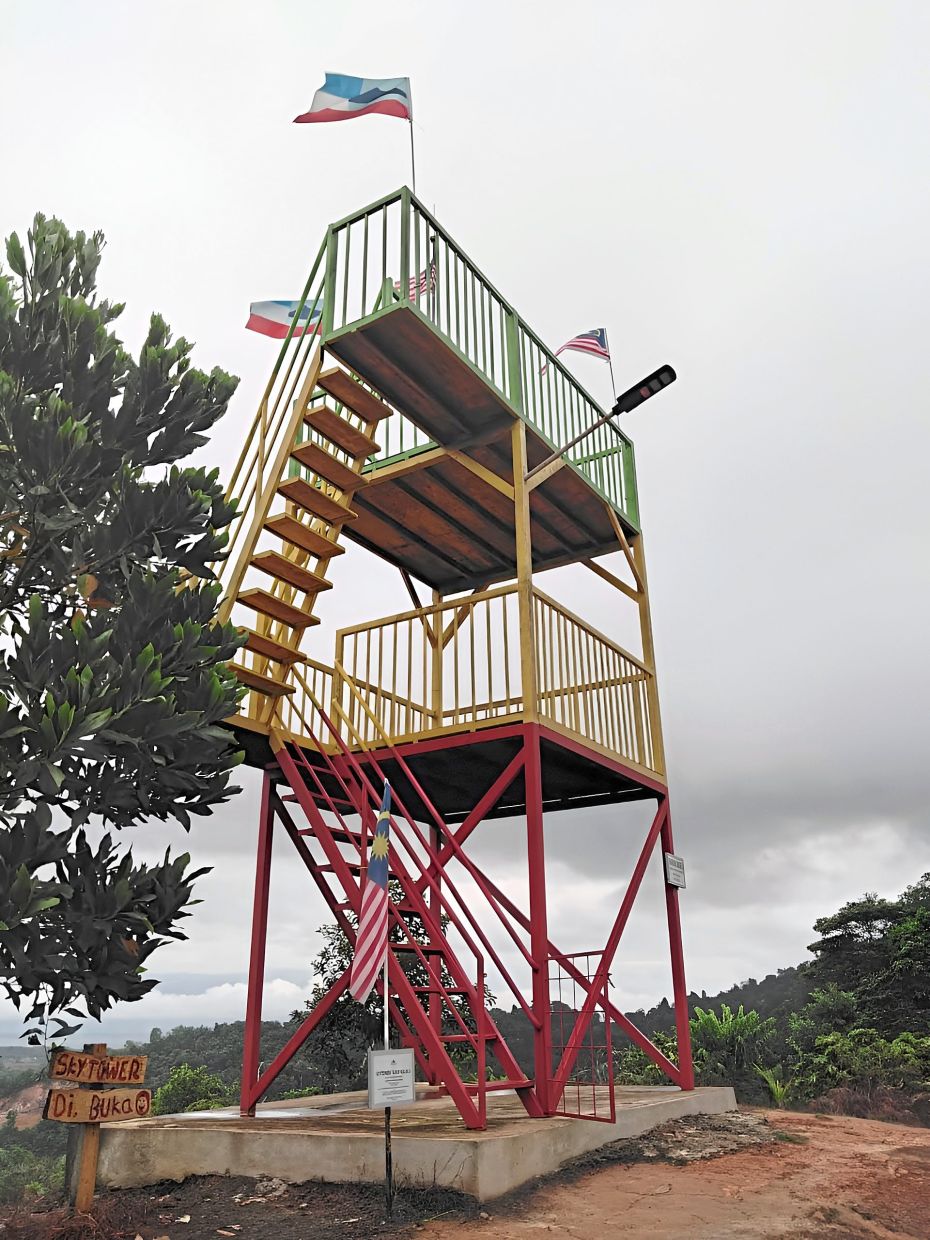
Or better yet, climb the Sky Tower at PNBT to enjoy panoramic views of the villages surrounding the hill. From the three-storey-high viewing platform, you can see Papar River winding its way out to the wide-open sea.
What to see and do in Papar
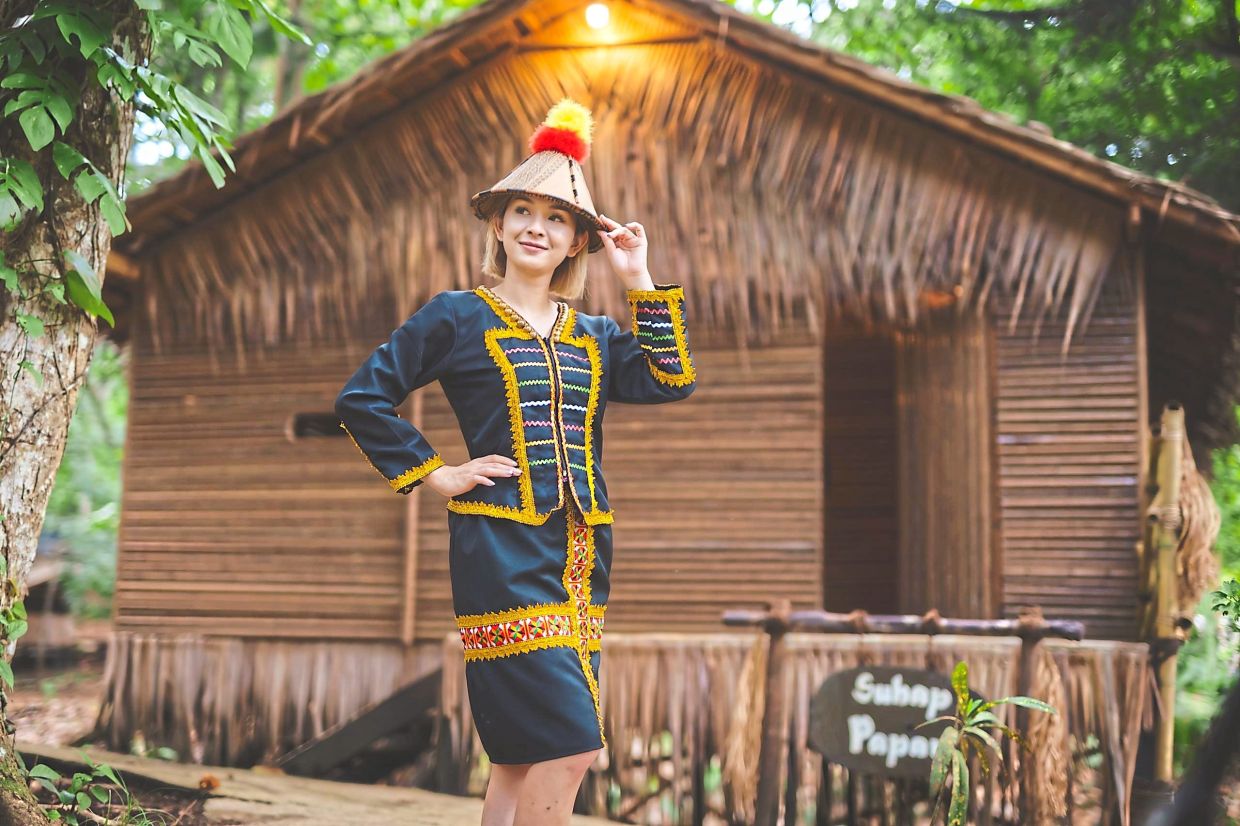
The Borneo Cultural Village in Papar showcases Sabah’s cultural heritage. — Borneo Cultural Village
AA Campsite is a ‘healing’ place along Papar River. — AA Campsite Kg Bolotikon
Cross the jambatan gantung for a panoramic view of Papar River. — AA Campsite Kg Bolotikon
Ara Dinawan Island Resort is touted as Sabah's first exclusive eco-friendly island glamping. — Ara Dinawan Island Resort
Ara Dinawan Island Resort is touted as Sabah's first exclusive eco-friendly island glamping. -- Ara Dinawan Island Resort
The traditional bamboo dance is one of Sabah’s cultural performances. — Borneo Cultural Village
Check out Dinawan Island for snorkelling and diving. — Ara Dinawan Island Resort
A young visitor feeding the deer at Mondikot Deer Camp. — Mondikot Deer Camp
Visitors feeding the deer at Mondikot Deer Camp. — Mondikot Deer Camp
Tour guide Grace Leong is well-informed on Papar’s history. — GRACE LEONG/North Borneo Train Tour
Tourists can take the train from KK to Papar. — GRACE LEONG/North Borneo Train Tour
PNBT is one of the trails leading to Bukit Bendera’s summit in Papar. — Pohumpung Natural Breeze Trail
Climb the PNBT Sky Tower for panoramic views of Papar. — Pohumpung Natural Breeze Trail
The Tagal method is used to preserve Papar River’s ecosystem. — AA Campsite Kg Bolotikon