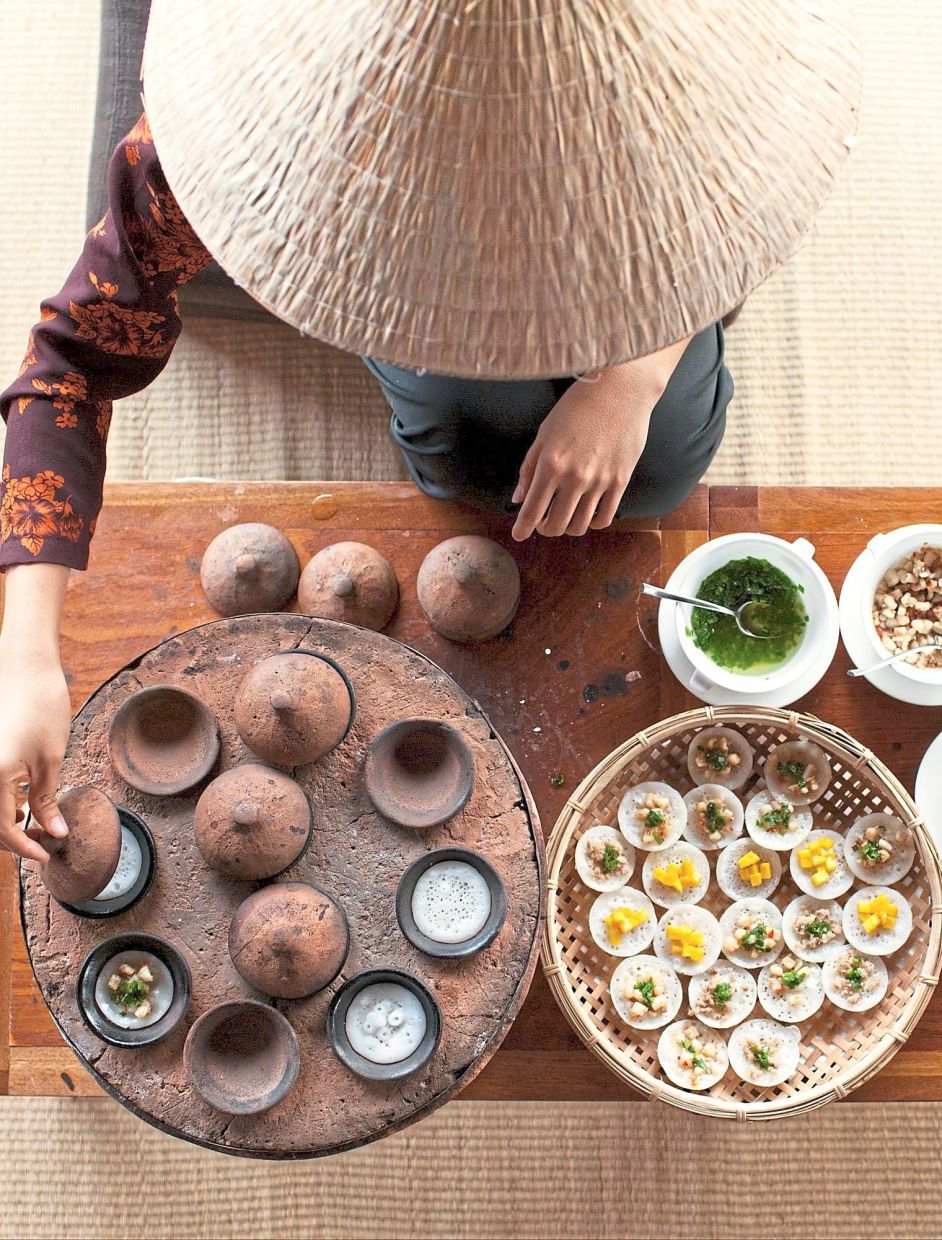
The much-anticipated culinary experience begins just as the sun makes its final approach towards the western horizon. Starting with a leisurely walk through lush greenery, the trek ends at a secluded spot where an exquisite Cham feast awaits.
The location could not be more perfect as Ninh Thuan province in south central Vietnam is widely considered the heartland of living Cham culture, which can be traced all the way back to the ancient Champa Kingdom.
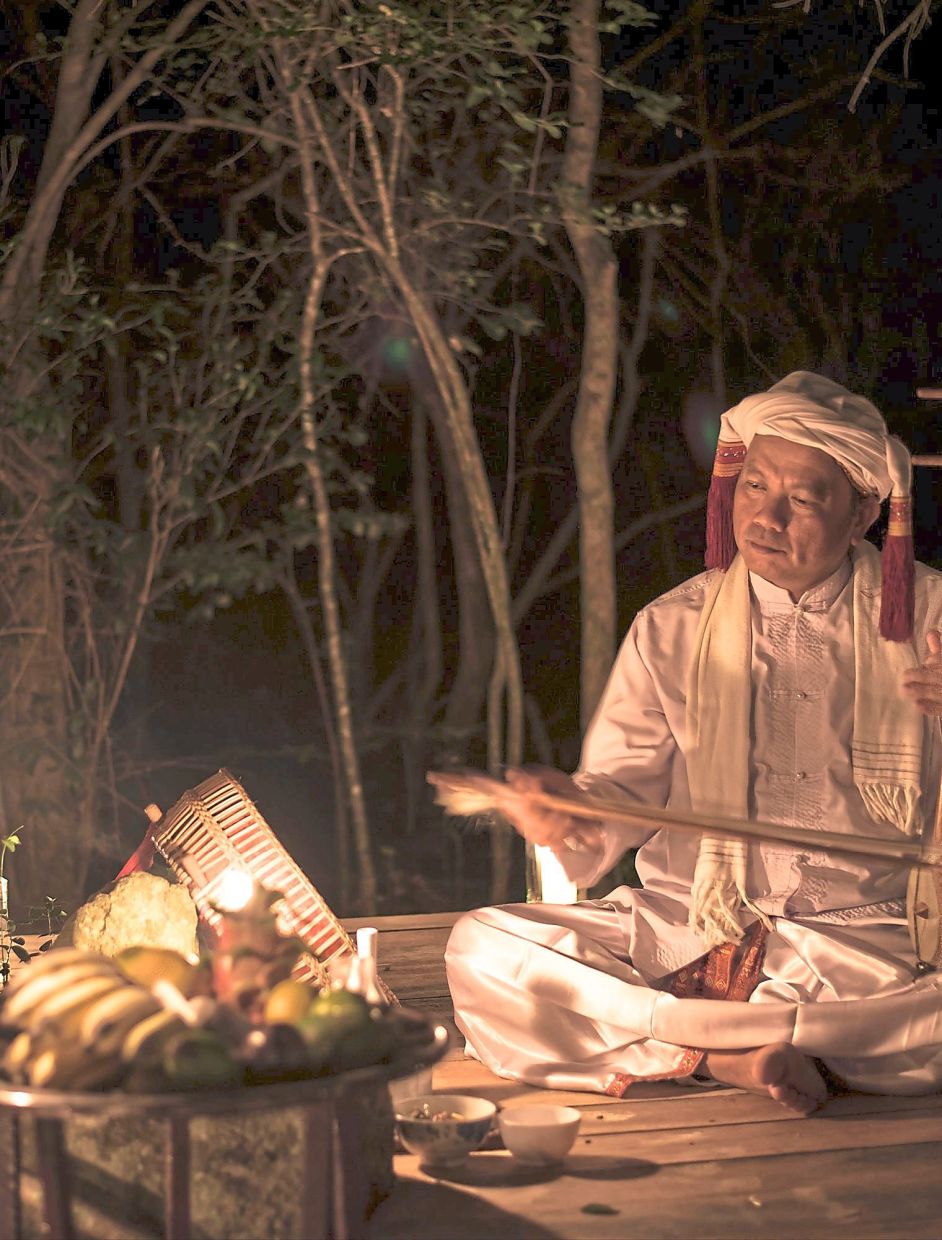
As the senses embrace the surrounding natural beauty complete with melodious insect cacophony and soothing ocean breezes, the spread proves to be more than just a tantalising gastronomic adventure. Slowly, accompanying traditional Cham melodies start revealing musical notes closely resembling those of Malay music.
The striking likeness brings to mind the long history shared between this part of Indochina and the Malay world, where ancient Dong Son bronze drums excavated throughout the Malay Archipelago suggest contacts were already established some two millennia ago.
Until the late 15th century, Malay and Javanese traders regularly visited Vietnamese coastal port cities to set up mutually beneficial alliances. These friendly overtures were reciprocated with diplomatic missions where Cham princes and noblemen were bestowed respected positions in the Melaka court, while extended Cham communities thrived within the great Malay emporium.
Without a doubt, traces of the spice trade that flourished centuries ago are evidently present in the delectable cuisine served on exquisite Vietnamese tableware. Together with a captivating after-dinner Cham blessing ceremony, this memorable experience is one of the highlights at Amanoi, a secluded paradise favoured for its outdoor exploration programmes and cultural immersion itineraries.
It is also the gateway to the world-renowned Nui Chua Unesco Biosphere Reserve, Vietnam’s largest natural conservation site.
Cultural treasure trove
Details about the intriguing Cham culture unfold further during a road trip early the next morning. The stunning natural landscape witnessed and the warm welcome received from the local communities encountered along the picturesque Duong 702 coastal road, do not make it any easier to imagine that just some seven decades ago this tranquil south-central region was a war-ravaged land where conflict and strife prevailed.
Back then, Cam Ranh in neighbouring Khanh Hoa province served as a United States military base established to protect the nearby strategic port which, until today, is home to South-East Asia’s best deep-water harbour.
The end of hostilities in 1975 heralded economic revival and tourism started taking centre stage with lush green mountains, spectacular beaches and sand dunes, captivating rock formations and picture-perfect coves set amid azure waters, leading the charge.
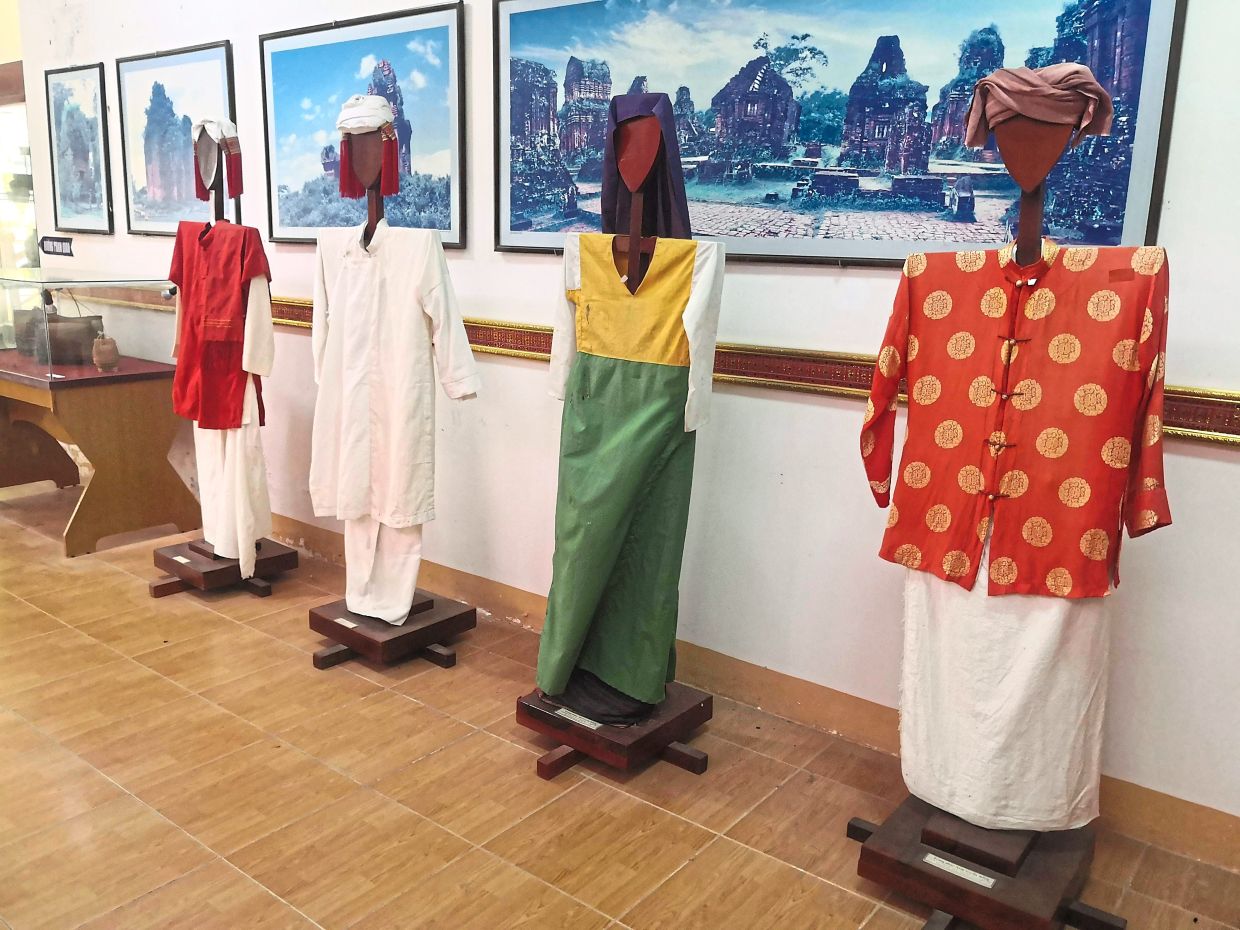
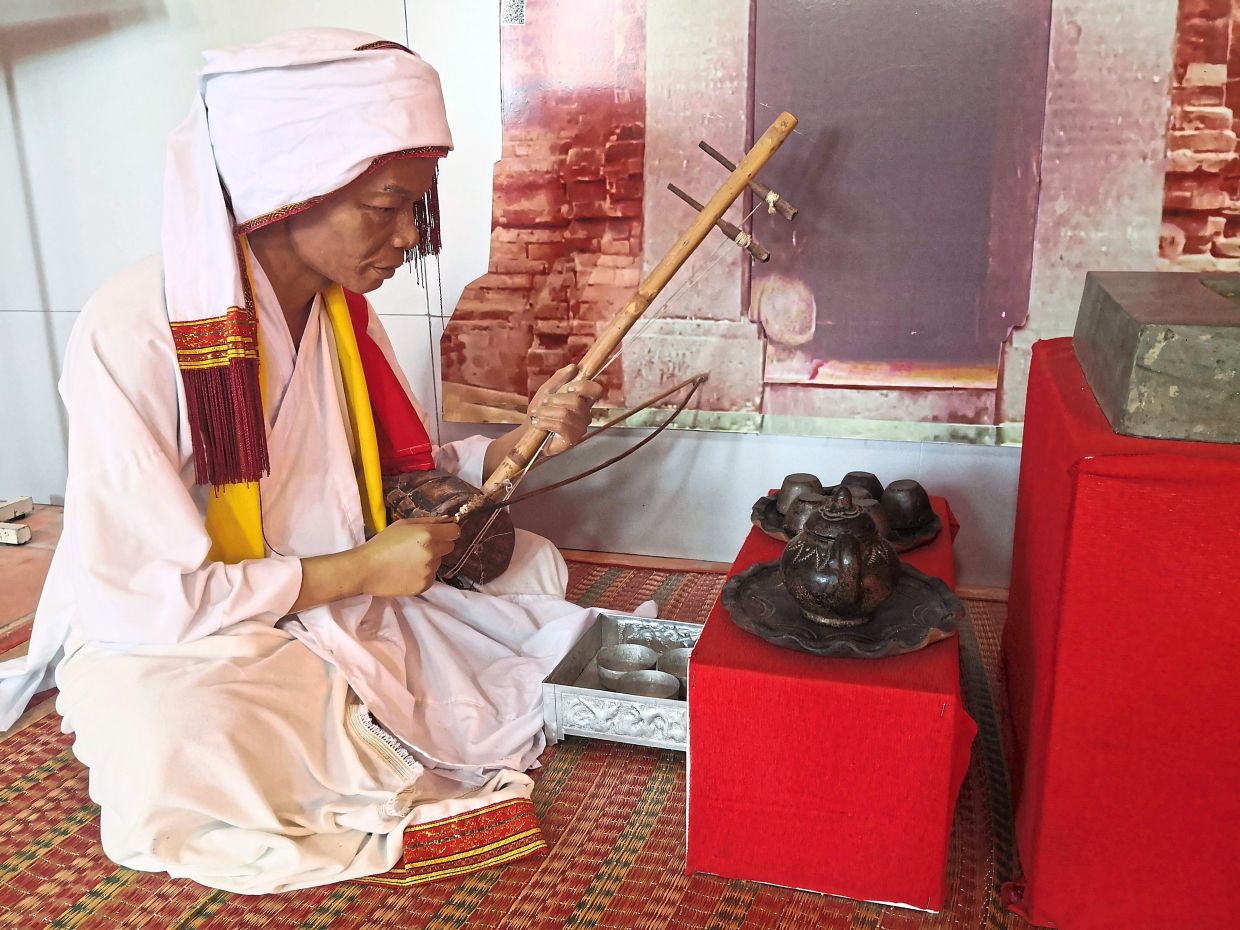
History comes to life at the Cham Cultural Research Centre which is strategically located right in the heart of Phan Rang, Ninh Thuan’s capital city. Established in 1993 as a Cham heritage preservation and promotion institution, it is home to a treasure trove of artefacts including traditional costumes and musical instruments.
Besides playing crucial roles in safeguarding intangible Cham heritage such as traditional festivals and disappearing craftsmanship, ongoing collaborations with the British Museum allow this popular repository to preserve endangered Cham manuscripts by making them available to the general public through digitisation.
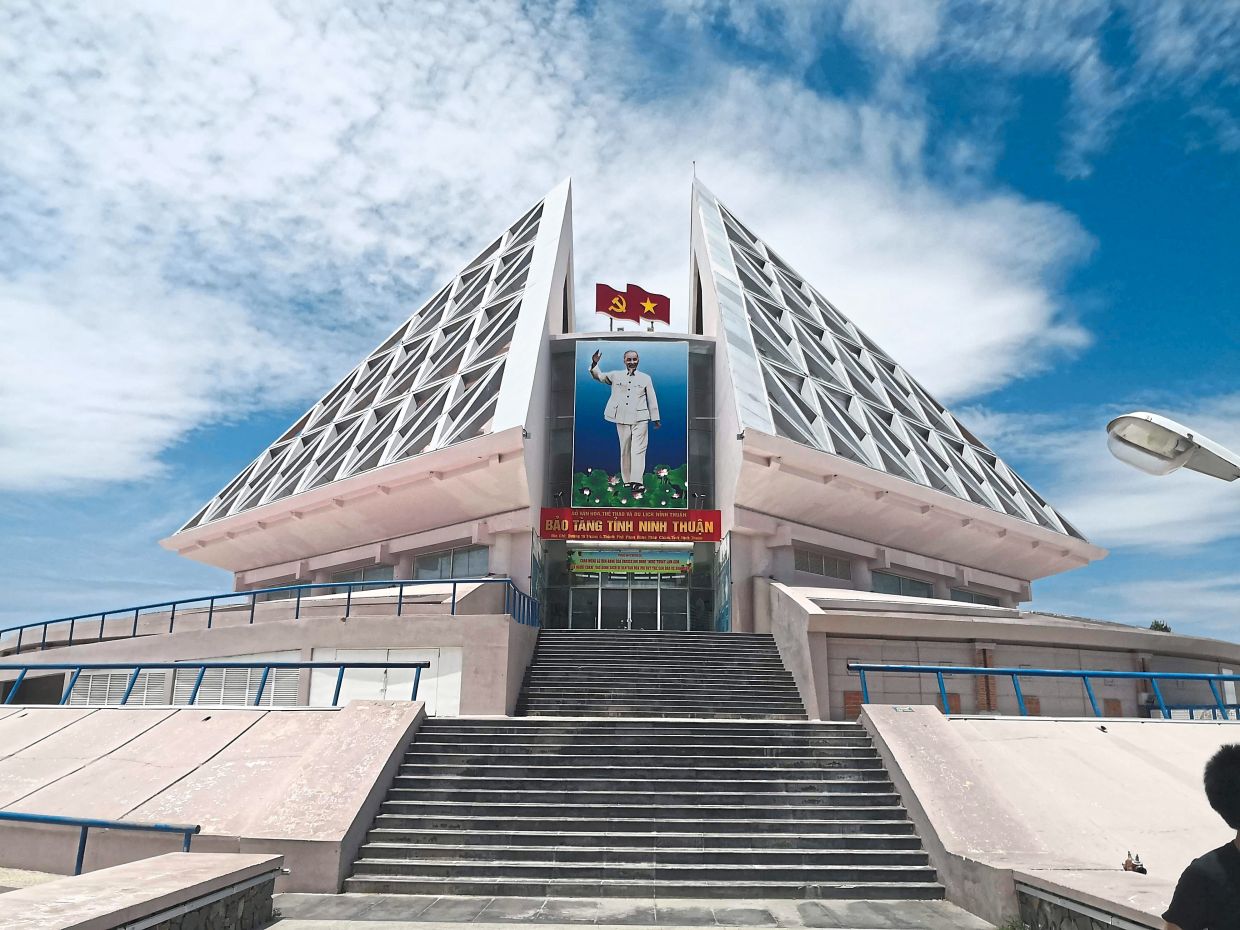
Also contributing towards Cham historical studies and cultural preservation is the Ninh Thuan Museum. Located just a quick 10-minute walk away from the Cham Cultural Research Centre’s To Hieu Street, this important cultural destination provides interesting insights into the life and traditional customs of local ethnic groups through more than 40,000 documents and artefacts.
The many interesting sculptures, pottery, traditional attire and agricultural tools also underscore Ninh Thuan’s significance as the largest repository of Cham culture, history and population in Vietnam.
Designed to resemble a shimmering crystal, Ninh Thuan Museum forms part of the city’s latest central landmark and cultural hub known as “Sixteen April Square” or 16/4 Square. It was named after the momentous date in 1975 when the People’s Army of Vietnam and National Liberation Front forces officially liberated Phan Rang and the entire Ninh Thuan province.
This modern green space is a popular venue for major tourist and public events like festivals, firework displays and cultural performances.
Sixteen April Square comes alive during weekends when surrounding streets are closed to vehicular traffic in the evenings. Food vendors, offering tasty local snacks – like crispy rice paper grilled with savoury fermented shrimp paste and grilled sweet potatoes – share common space with street performers who give the place a festive atmosphere with their modern and traditional dance repertoires.
Multicultural essence
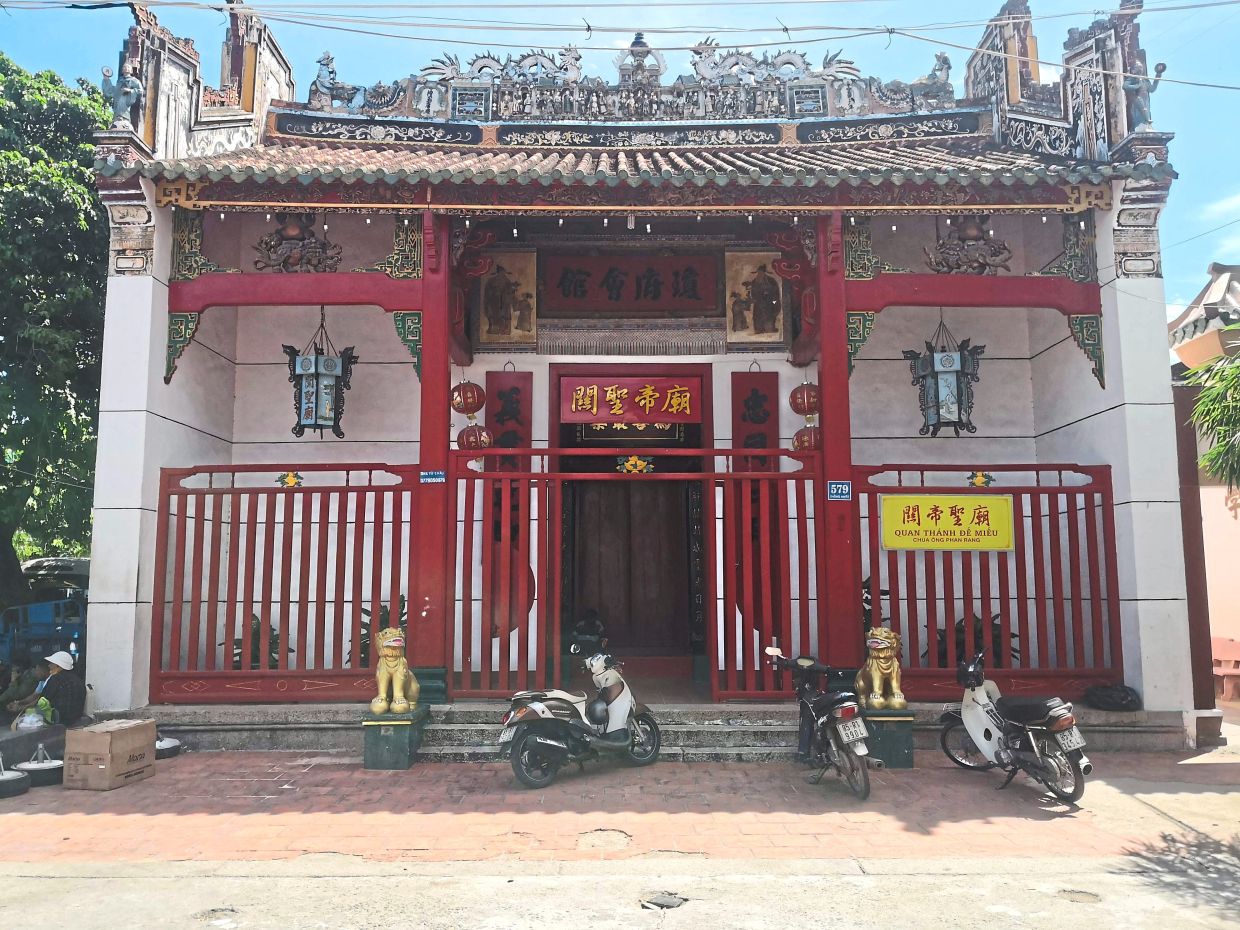
Not everything in Phan Rang, however, is centred on Cham culture. Built in honour of the Quan Cong deity representing loyalty and justice, the Chua Ong Chinese temple at Thong Nhat Street exemplifies the diverse multicultural essence of this Ninh Thuan capital.
Built in 1831 through the collective efforts of Hokkien, Teochew, Cantonese and Hainanese immigrants, the temple is richly decorated with vibrant dragon, phoenix, lion and flower details.
Declared a national monument after an official recognition by the Culture, Sports and Tourism Ministry on April 14, 2011, Chua Ong Chinese temple is home to not only valuable ceramics and ceremonial bronze vessels but also four precious royal decrees issued during the consecutive reigns of Nguyen Dynasty Emperors Thieu Tri, Tu Duc and Dong Khanh.
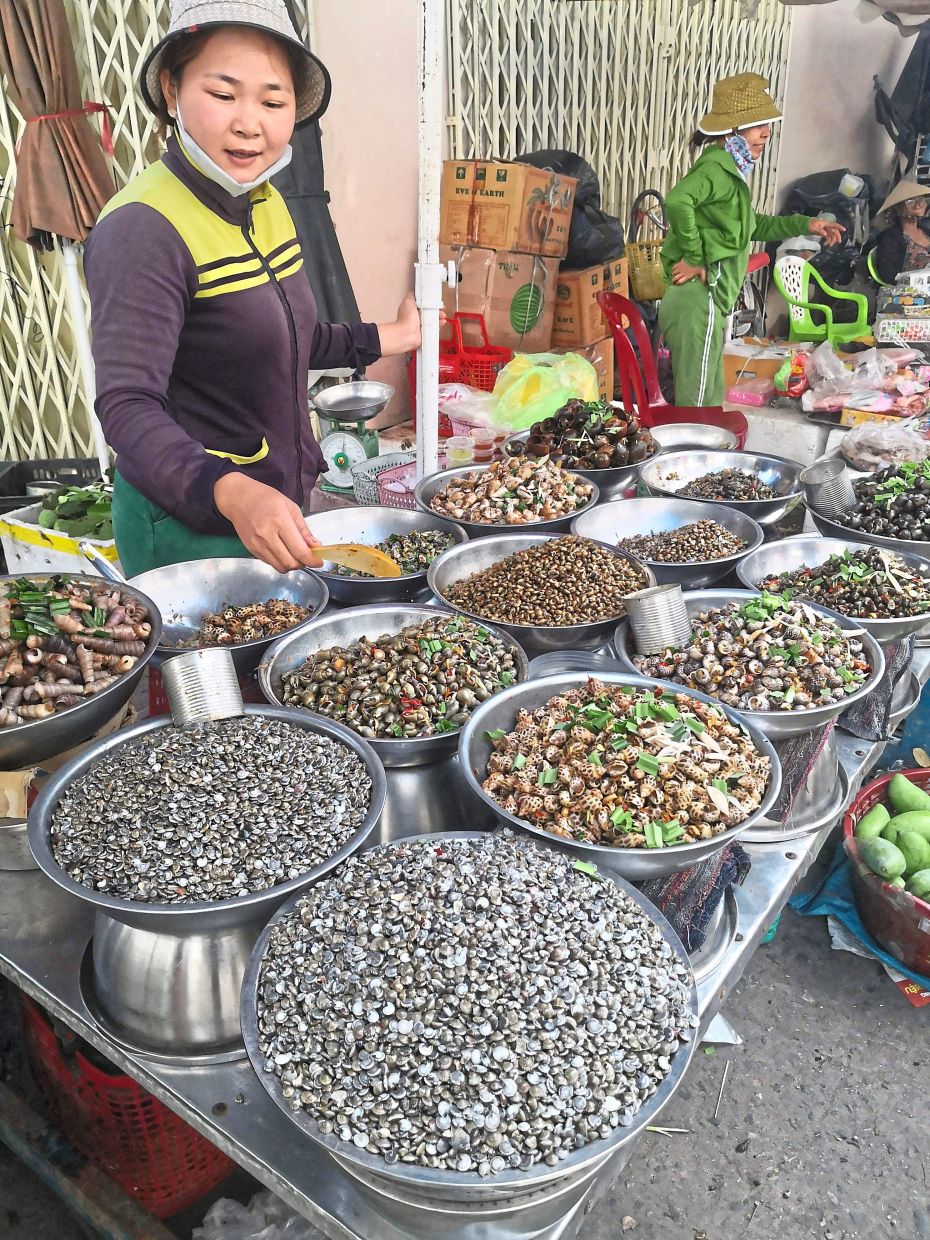
Visitors today enjoy easy access to the temple thanks to its location next to the main Phan Rang Market. This traditional commercial hub bustles with activity right from the crack of dawn when vendors roll back their stall shutters and start displaying a wide variety of goods that include cooked food, clothes, cosmetics, fruits, seafood, poultry and even sports shoes.
For many, Phan Rang Market is more than a shopping destination as it also gives the opportunity to immerse in the local way of life through interactions with friendly vendors and sampling various local specialities.
Some 7km west of Phan Rang, the road leads to a hill topped by three imposing brick temple-towers known as Po Klong Garai. Collectively, this complex represents the most significant remaining Cham structures in the region that are still actively used for worship and religious ceremonies.
Their awe-inspiring architecture and intricate stone carvings provide ample proof of the immense skill and artistry of the ancient Cham architects and artisans.
The towers were built in the 12th and 13th centuries to honour legendary monarch Po Klong Garai who grew up as a simple cowherd but eventually became king by destiny. The ruler was widely revered for placing his people first before all else.
Once, he successfully avoided unnecessary bloodshed by convincing an invading Khmer force to settle the conflict peacefully via a tower-building contest. The Dragon King of the J’rai people, as his name in Cham language suggests, prevailed and the marauders peacefully returned home to what is modern-day Cambodia without a sword raised.
While only three of the six original towers remain, the various religious festivals held here at different times of the year give visitors a fascinating insight into the captivating Hindu and Islamic influences on Cham culture.
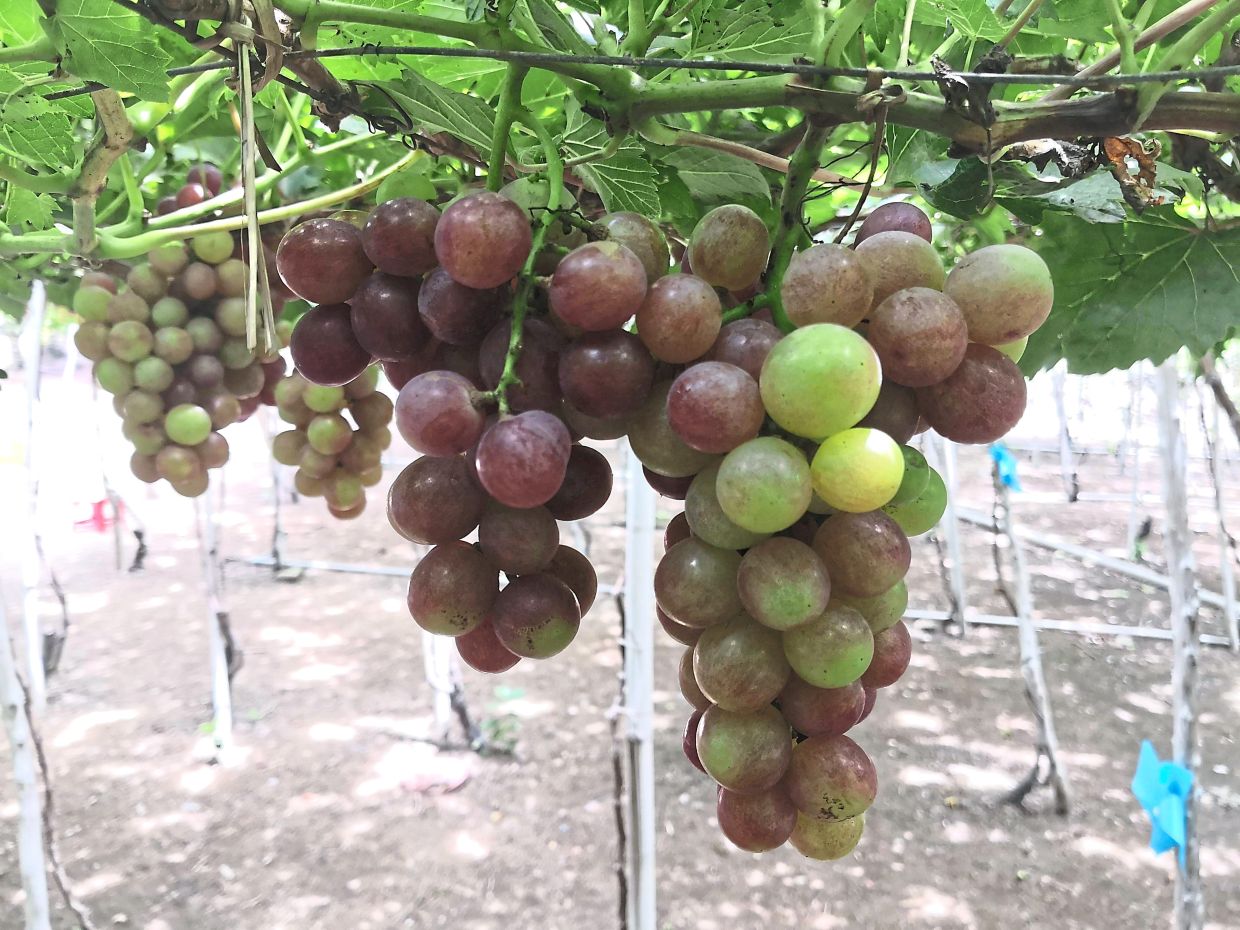
The road trip comes full circle after making a brief grape orchard stopover during the return journey. The semi-arid climate in Ninh Thuan is a blessing for farmers where the sub-Sahara hot, sunny, dry and windy conditions are favourable for viticulture.
Renowned as Vietnam’s premier grape-growing region, these vineyards embrace eco-tourism by allowing tourists to participate in harvesting sessions to boost income and add value to their products.
With climate change already making its presence felt, local farmers are actively adopting high-tech agricultural practices like greenhouse cultivation to counterbalance harsh weather as well as planting higher quality and disease resistant varieties popular with tourists.
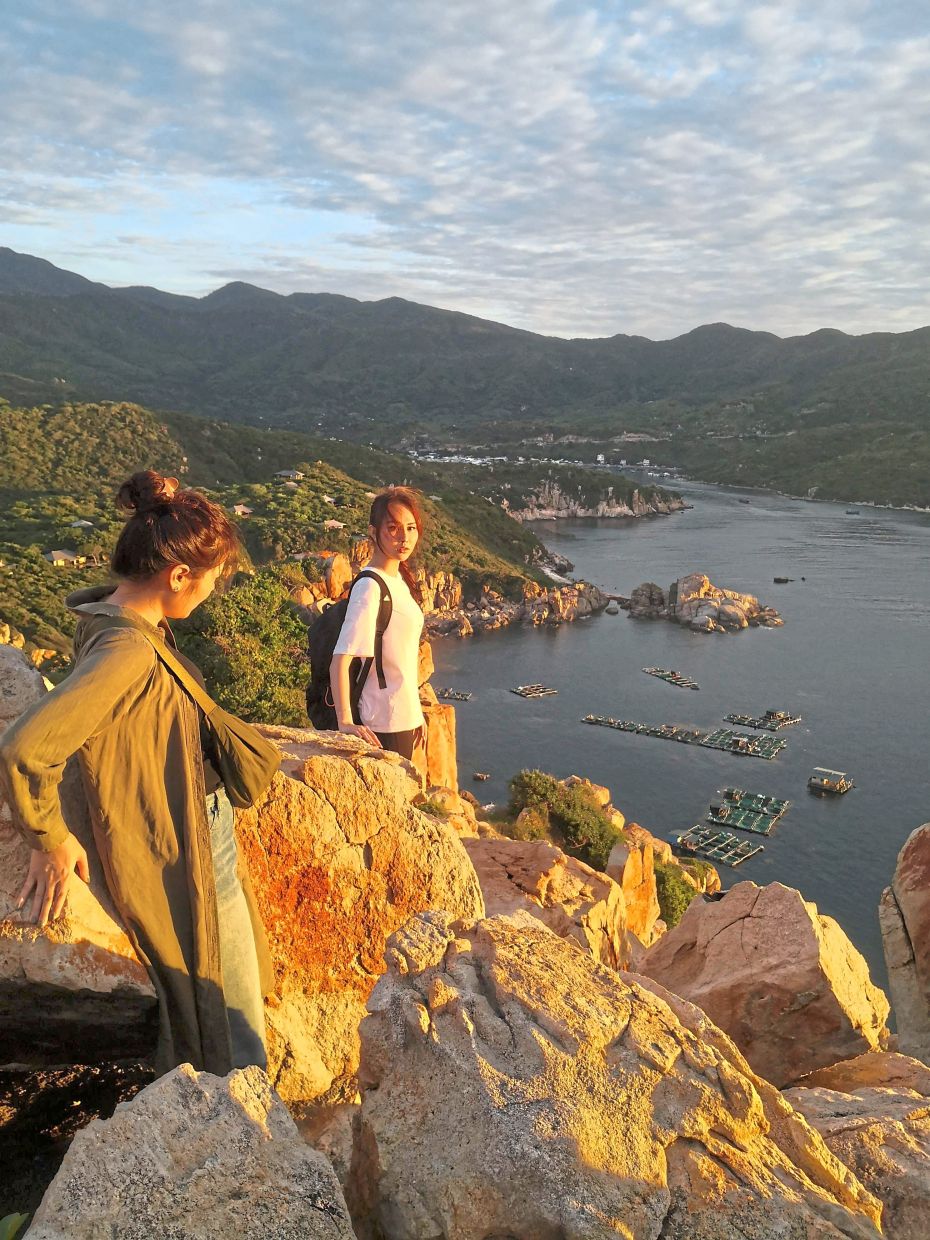
Arriving back at Nui Chua Unesco Biosphere Reserve just in time to see the sun dip below the mountains behind Vinh Hy Bay, the tranquil setting provides the prefect opportunity to fully reflect upon Ninh Thuan’s immense potential as a major tourist destination in south central Vietnam.
Travel notes
How to get there: AirAsia operates direct flights from Kuala Lumpur (KUL) to Nha Trang (CXR). The slightly over two-hour flight lands at Cam Ranh International Airport.
Getting about: Hire a private taxi or use ride-hailing apps. Renting a car is considered the best way to access scenic coastal roads and appreciate local attractions at leisure. A valid International Driving Permit (IDP) is required.
Alternatively, look for a local travel agent that does small group tours.
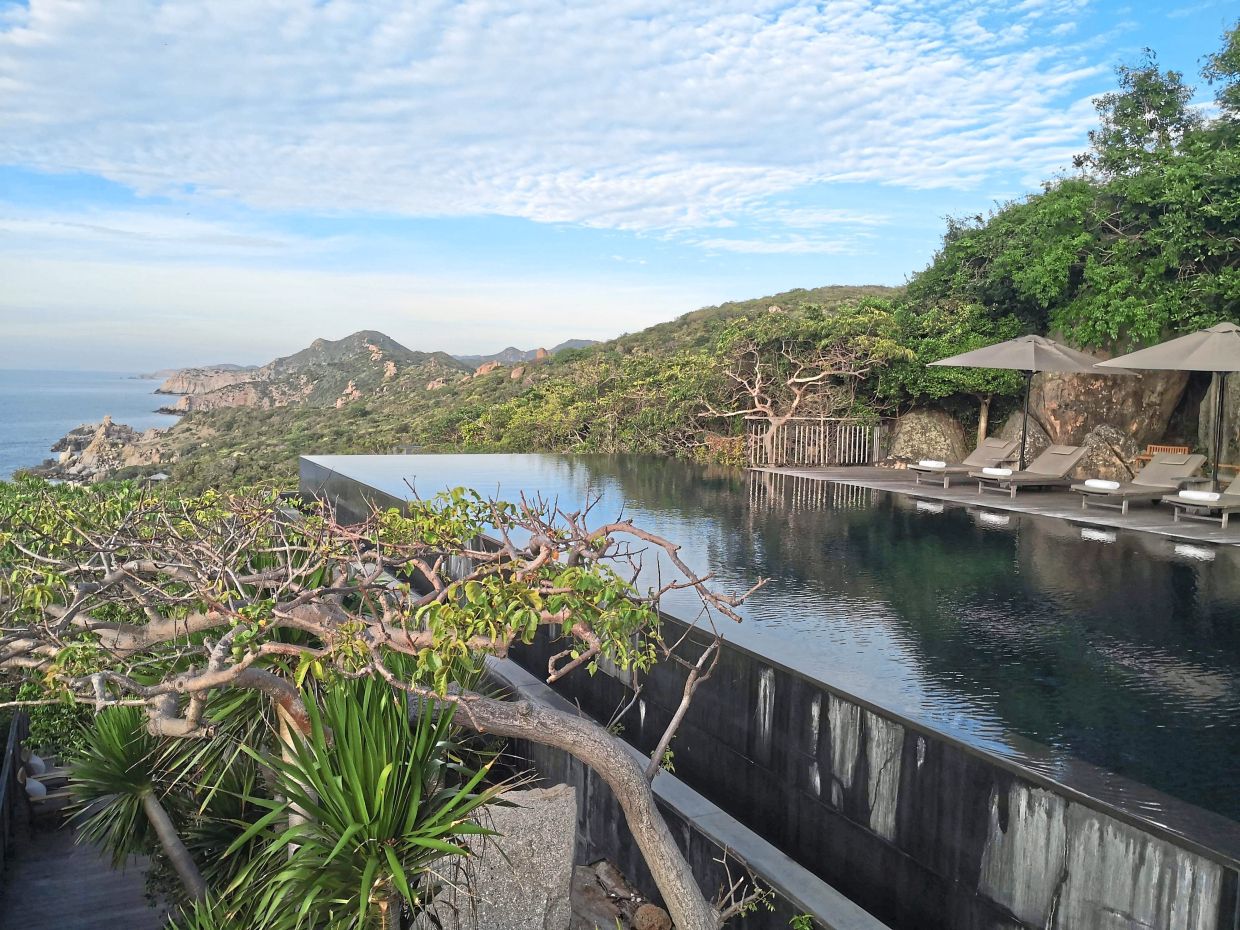
Where to stay: Experience the best of Nui Chua Unesco Biosphere Reserve at Amanoi which is uniquely situated on a hill above a quiet stretch of rugged coastline overlooking both the terrestrial national park and vibrant marine ecosystem.
'Cham'-ing side of Ninh Thuan
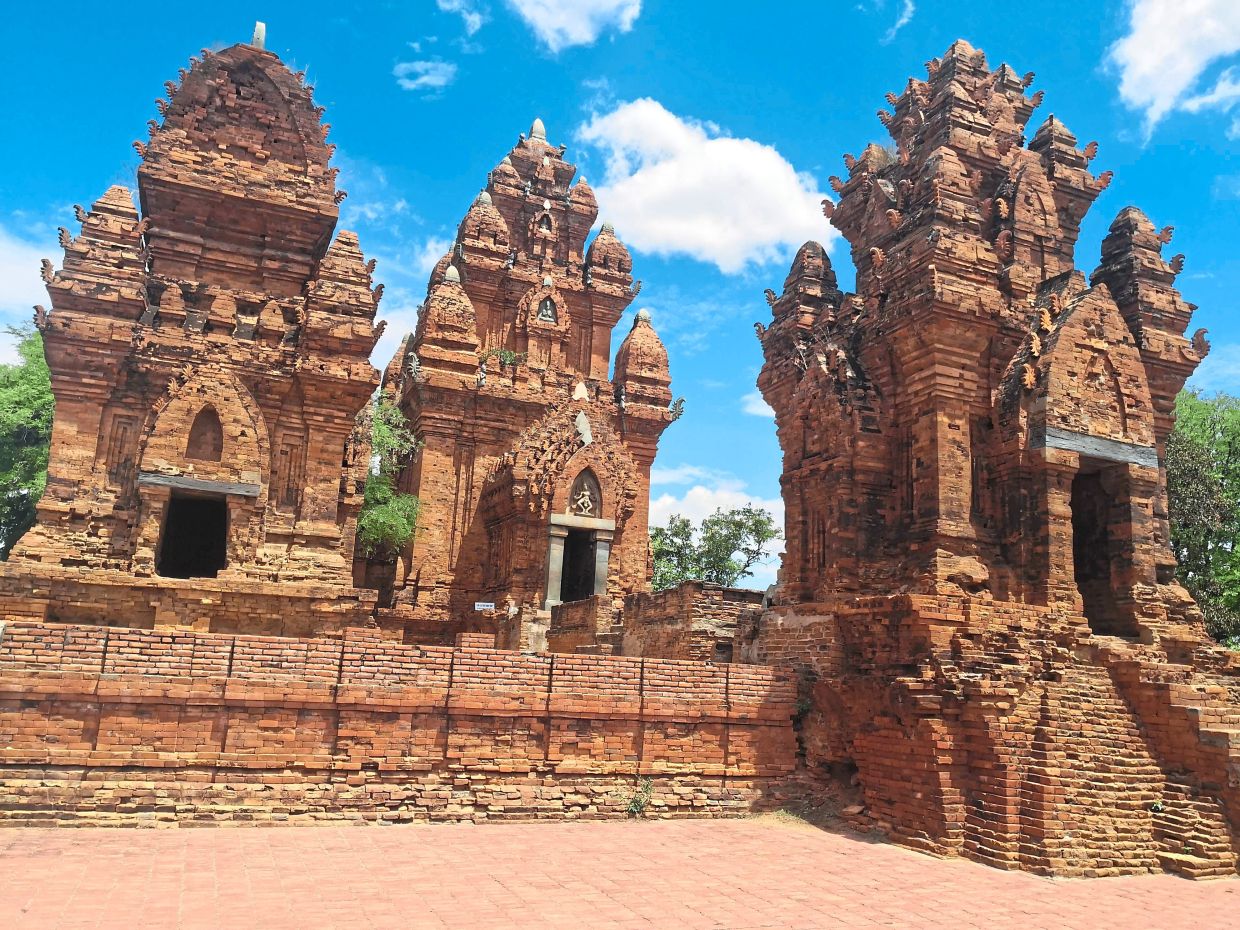
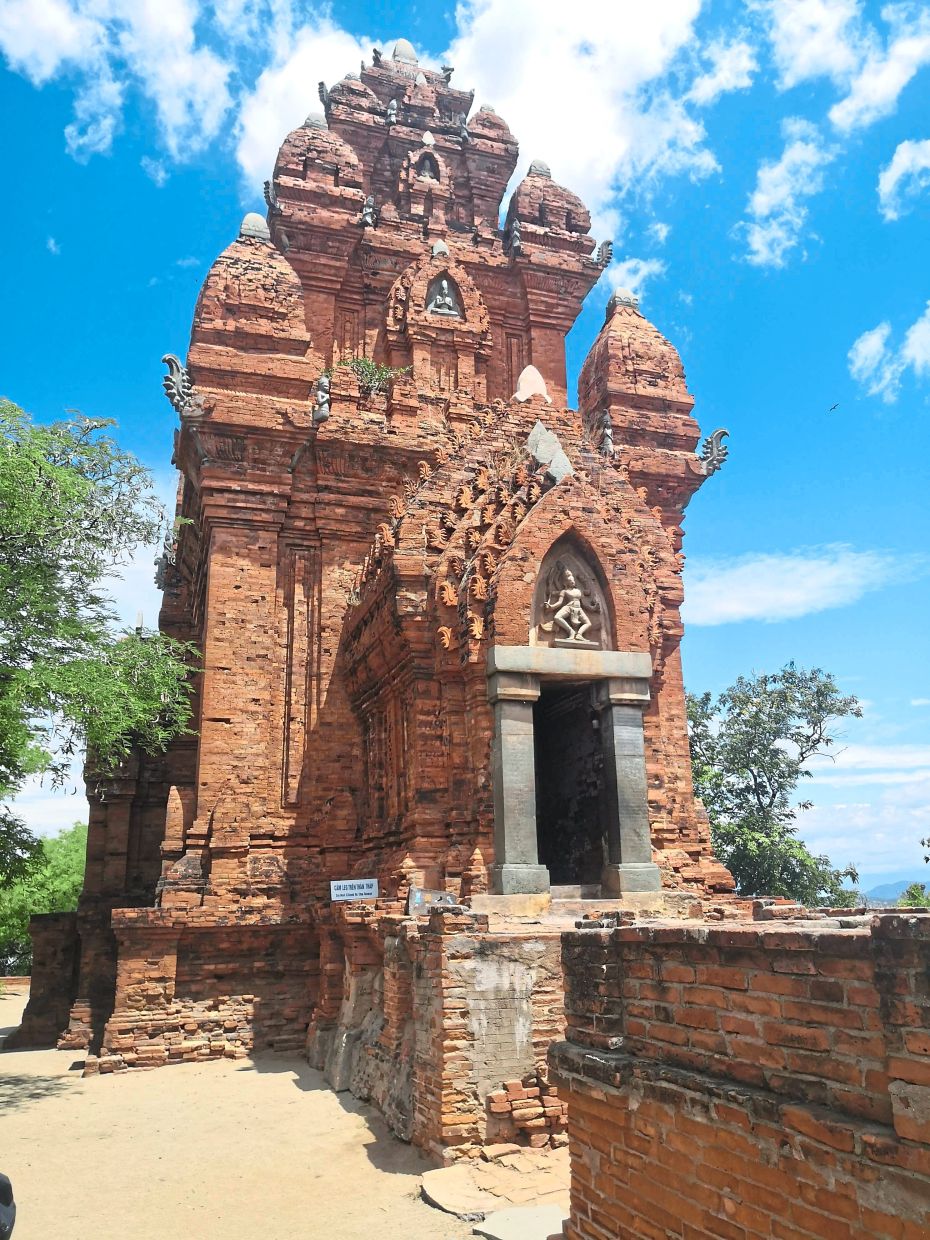
Po Klong Garai represents the most significant remaining Cham structures in the region. Photos: ALAN TEH LEAM SENG
Ninh Thuan is home to the largest Cham population in Vietnam.
Ninh Thuan Museum is located within Sixteen April Square.
Trek up the Nui Chua Unesco Biosphere Reserve’s highest point to witness the sunrise over picturesque Vinh Hy Bay.
The Cham Cultural Research Centre highlights the diverse Cham clothing styles.
Cham music bears close resemblance to Malay melodies.
Phan Rang Market is a traditional commercial hub popular with the locals and tourists.
The Cham Cultural Research Centre is an institution that preserves and promotes Cham heritage.
The Po Klong Garai is still actively used for worship and religious ceremonies.
Ninh Thuan’s semi-arid climate is suitable for planting grapes.
The world-renowned Nui Chua Unesco Biosphere Reserve is Vietnam's largest natural conservation site.
The Chua Ong Chinese temple at Thong Nhat Street was built in 1831 by arriving immigrants.
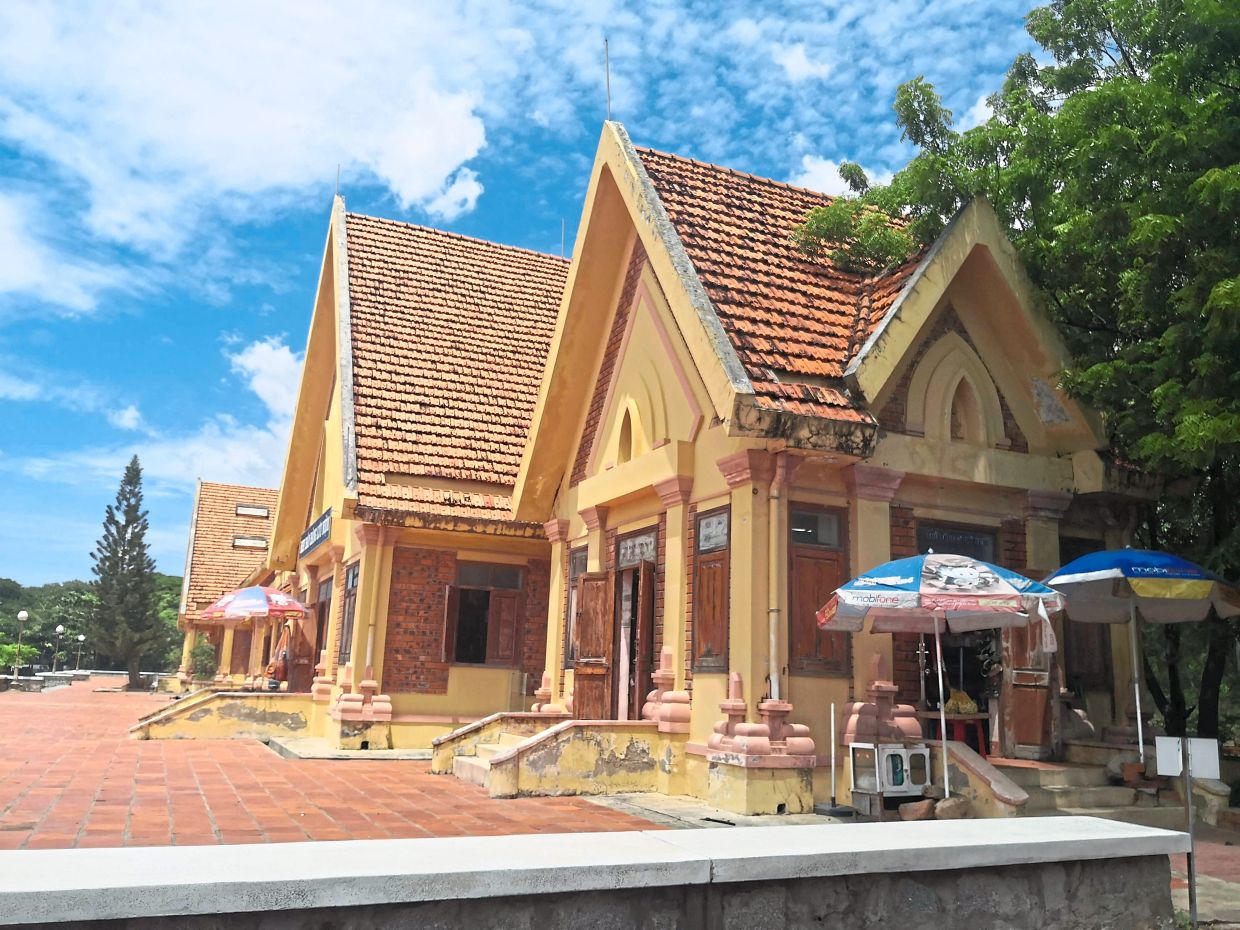
The Po Klong Garai visitor centre also serves as a mini museum for Cham culture.