If you want to understand modern India, don’t start with a policy paper, a think-tank panel, or a corporate earnings call. Start outside a cricket stadium.
On match day in Chennai, the streets around MA Chidambaram Stadium feel like a carnival that collided with a trading floor. A river of yellow shirts floods the neighbourhood. Plastic horns shriek like wounded geese.
Vendors appear from alleyways carrying sacks of merchandise like prospectors arriving at a gold rush.
The Chennai Super Kings are playing tonight. And the city has come out to worship.
Chennai moves with a kind of chaotic grace. Traffic here isn’t so much organised as negotiated. Motorbikes glide through gaps that physics says should not exist. Auto-rickshaws dart around buses with the confidence of fighter pilots.
But match day adds another gear.
The Indian Premier League didn’t just build a cricket tournament. It built an economy.
Around Chepauk Stadium, capitalism runs at street level. Teenagers weave through crowds selling ice-cold lime sodas. Someone fries chilli bajji in oil that spits and crackles like fireworks. Another man lugs a sack of plastic horns large enough to supply a marching band.
And everywhere – everywhere – yellow jerseys.
Dhoni jerseys, thousands of them. Some official, some definitely not.
Nobody seems particularly concerned about the distinction.
Earlier that afternoon I ducked into a tiny South Indian mess hall behind a row of shops near Marina Beach.
No menu. No ceremony.
A stainless steel plate lands on the table.
Then another.
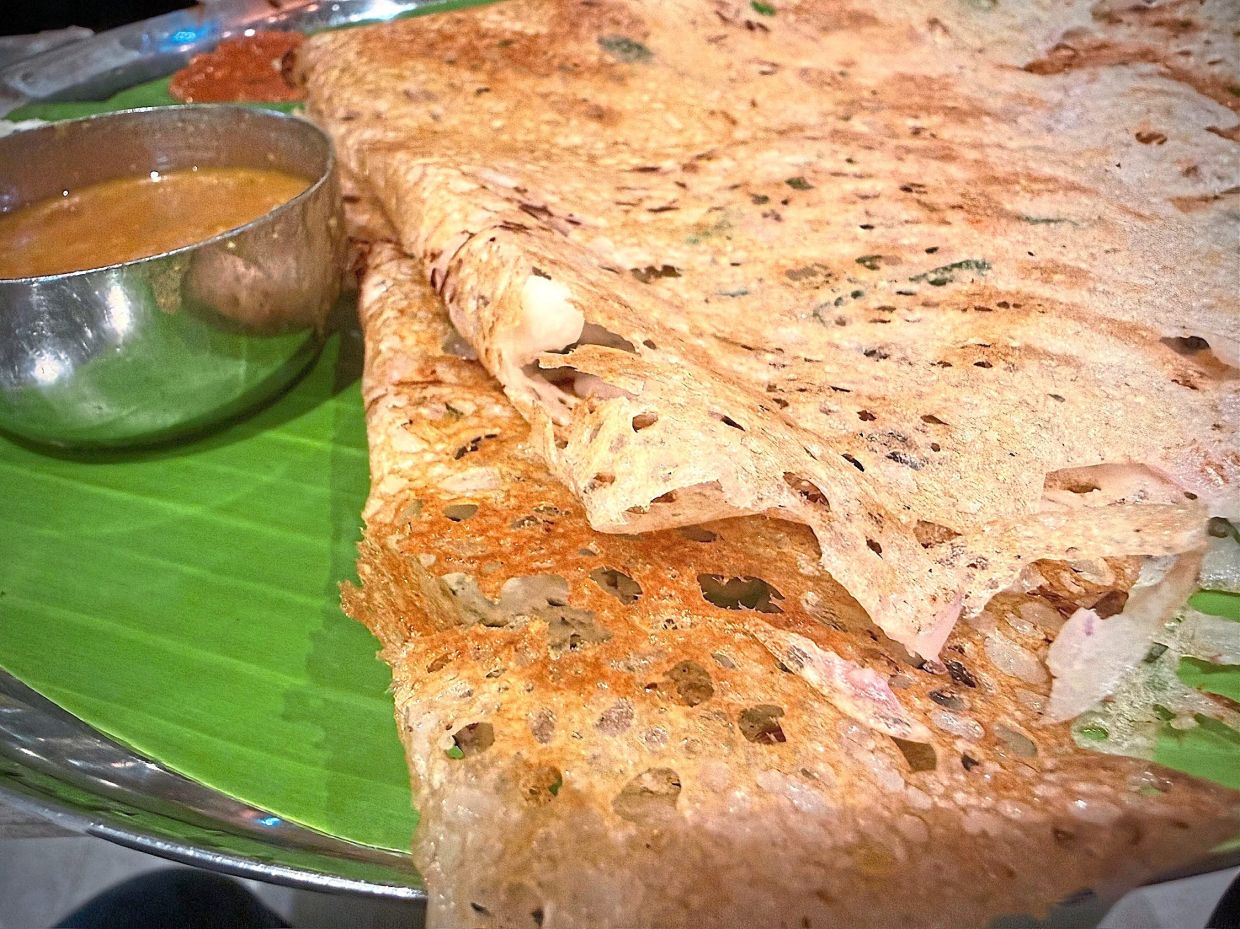
Soon the table holds the greatest hits of Tamil Nadu comfort food: soft idlis like edible clouds, a crisp ghee dosa that shatters when you tear it, coconut chutney cool and fragrant, sambar deep with tamarind and lentils.
You eat with your hands.
You eat quickly.
You eat happily.
Taxi drivers, office workers, students, journalists – everyone sharing the same breakfast before stepping back into the city.
India feels vibrant and restless these days.
Smartphones everywhere. QR codes at roadside stalls. Digital payments flashing between people who once traded coins.
Even getting here felt effortless – a short regional hop that dropped me into Chennai just in time for dinner, another reminder that South and South-East Asia are increasingly stitched together by quick, efficient routes.
Distances are shrinking. Opportunity moves faster now.
By evening the streets around Chepauk had turned into a yellow tide.
Taxi drivers wearing Super Kings shirts. Children with faces painted like tiny warriors.
Entire families arriving as though attending a wedding.
When the IPL launched in 2008 it looked like a flashy cricket circus. Today it feels more like a national operating system.
Just outside the stadium gates I saw her.
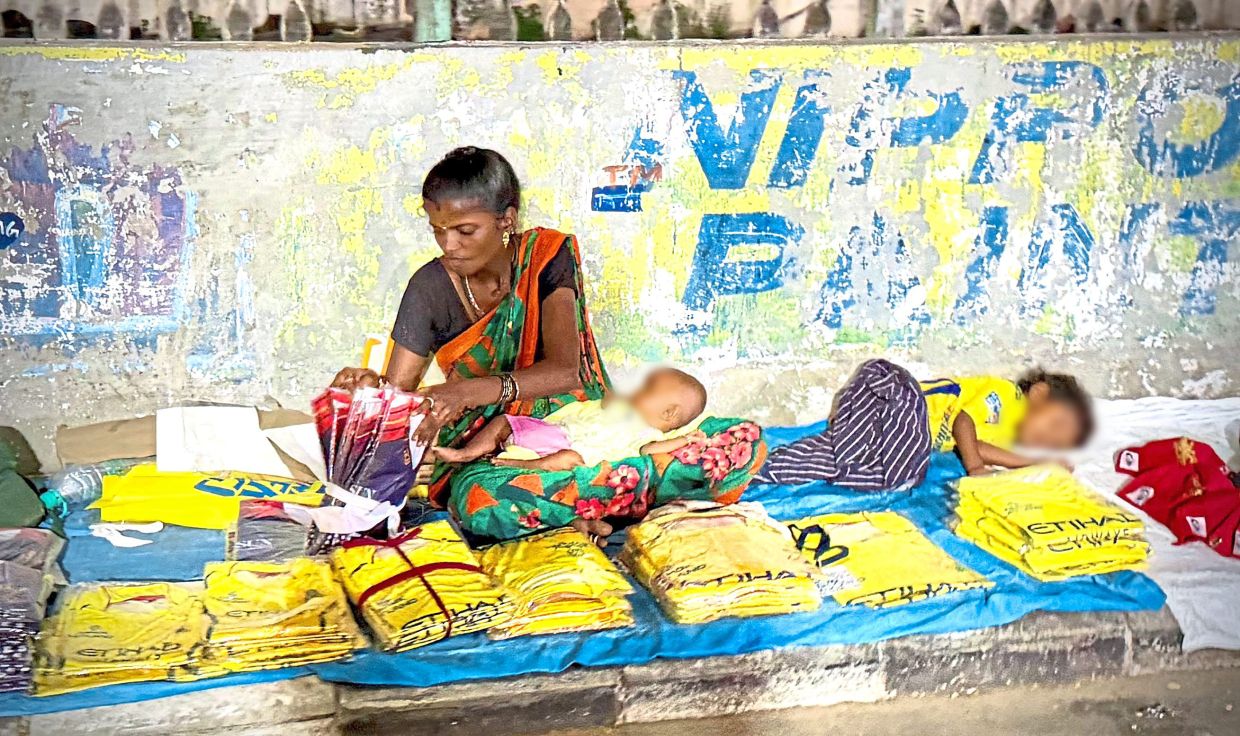
A woman sitting on the pavement with a stack of Chennai Super Kings jerseys neatly arranged on a plastic sheet.
Two small children sat beside her. One asleep against a backpack.
The other swinging a toy cricket bat with serious concentration.
She negotiated prices with passing fans while keeping one eye on the kids.
A mother. A vendor.
A small entrepreneur in the IPL economy.
Twenty years ago, that image might have felt like a story about exclusion – the poor outside while the privileged roared inside.
But India has changed. Not perfectly. Not completely.
But enough that the meaning feels different.
Because the boy swinging that plastic bat doesn’t look like someone locked out of the dream.
He looks like someone rehearsing for it.
Take T. Natarajan, whose mother sold snacks from a roadside cart in Tamil Nadu.
Or Hardik Pandya, who trained on dusty grounds while his family struggled to make ends meet.
Or Jasprit Bumrah, who rose from modest beginnings to become one of the most feared bowlers in world cricket.
The IPL didn’t invent talent. India has always had that in abundance.
What the IPL built was a stage large enough for the whole country to see it.
Scouts now watch village tournaments. Coaches study YouTube clips. Cricket academies appear in towns where infrastructure once barely existed. The ladder has become visible.
Inside the stadium the noise arrives like a monsoon.
Seventy thousand people roaring in one voice. Drums pounding. Plastic horns screaming.
Flags whipping through the humid night air.
And when MS Dhoni walks out, the stadium loses its collective mind.
The sound becomes physical.
Strangers hug each other. Kids climb onto shoulders. The entire place feels as if it might lift off the ground.
Cricket here is religion, theatre, commerce, and civic pride rolled into one.
The IPL’s broadcast rights are worth billions.
But the real economy hums outside the stadium walls.
The jersey sellers. The street food carts. The rickshaw drivers.
The printers churning out fan merchandise.
The fantasy-league startups and social media hustlers chasing the spectacle.
Every match releases a thousand small businesses into motion.
Late in the evening, Chennai chased the final runs under the floodlights.
The crowd leaned forward like a single organism.
A boundary. Pandemonium.
Another.
The stadium detonates.
Fireworks burst above the roof while yellow flags whip through the night air.
And somewhere outside the gates, long after the crowd spills into the streets, that woman will have folded away her jerseys.
Her children asleep beside her.
The stall disappearing until the next home game.
But she’ll be back when the Super Kings return.
Because this is the IPL – a travelling carnival, a national obsession, a marketplace powered by cricket balls and dreams.
And somewhere in that crowd tonight – maybe the boy with the plastic bat, maybe another kid watching from the cheap seats – is someone who will one day walk through those gates not as a fan.
But as a player.
Because in modern India, the distance between the pavement and the pitch has never been shorter.
The words expressed here are entirely the writer’s own.
Abbi Kanthasamy blends his expertise as an entrepreneur with his passion for photography and travel.