
Cold places don’t lie.
They don’t soften the edges or offer gentle introductions. You step outside and the air makes its intentions clear immediately – sharp, cleansing, almost medicinal. It clears your lungs and your head in one violent breath. That’s Hokkaido in Japan. And Sapporo, its capital of appetite, wears the cold like a badge of honour.
One moment you’re leaving heat and humidity behind, skin permanently damp, life lived at a tropical simmer. Hours later, your breath hangs visibly in front of you. Your shoulders tense. Your senses recalibrate. You’re suddenly alert in a way warm climates rarely demand. This is a place that insists you be present.
Sapporo is not Tokyo’s immaculate restraint or Kyoto’s choreographed elegance. It is broader, blunter, built to survive snowstorms rather than impress visitors. Wide streets that make sense only when buried under metres of white. Buildings that prioritise function over flirtation. A city designed by weather and fed by hunger.
And hunger is the point.
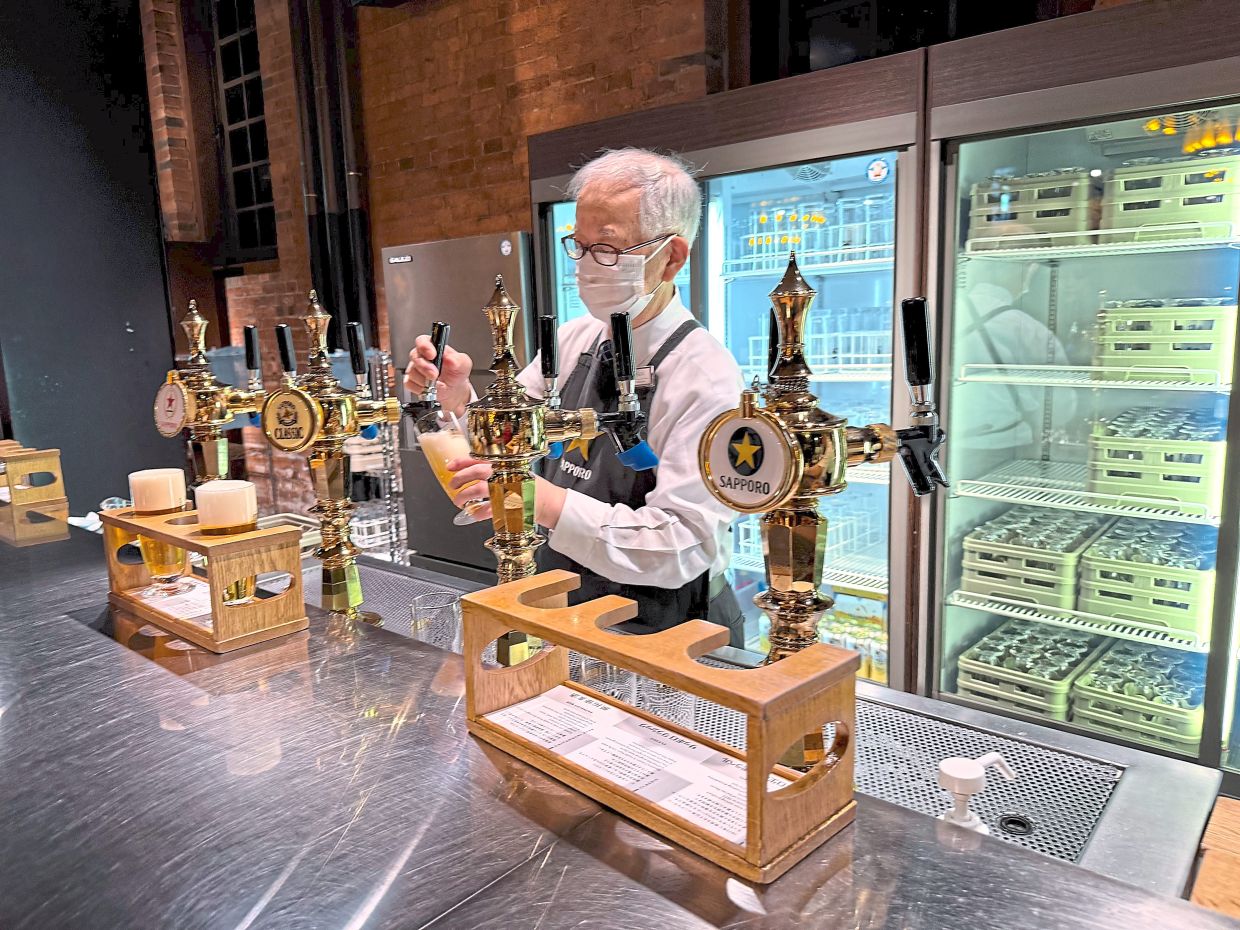
You start, naturally, with beer.
The red-brick beer halls feel less like museums and more like industrial monuments to pleasure. The beer arrives brutally cold – crisp, bitter, precise – foam sitting tall and confident. One sip and the logic of Sapporo reveals itself. Beer like this exists because winter exists.
Cold demands fat, fermentation, heat. Everything here is calibrated for survival, then elevated into indulgence.
Food follows fast and without apology.
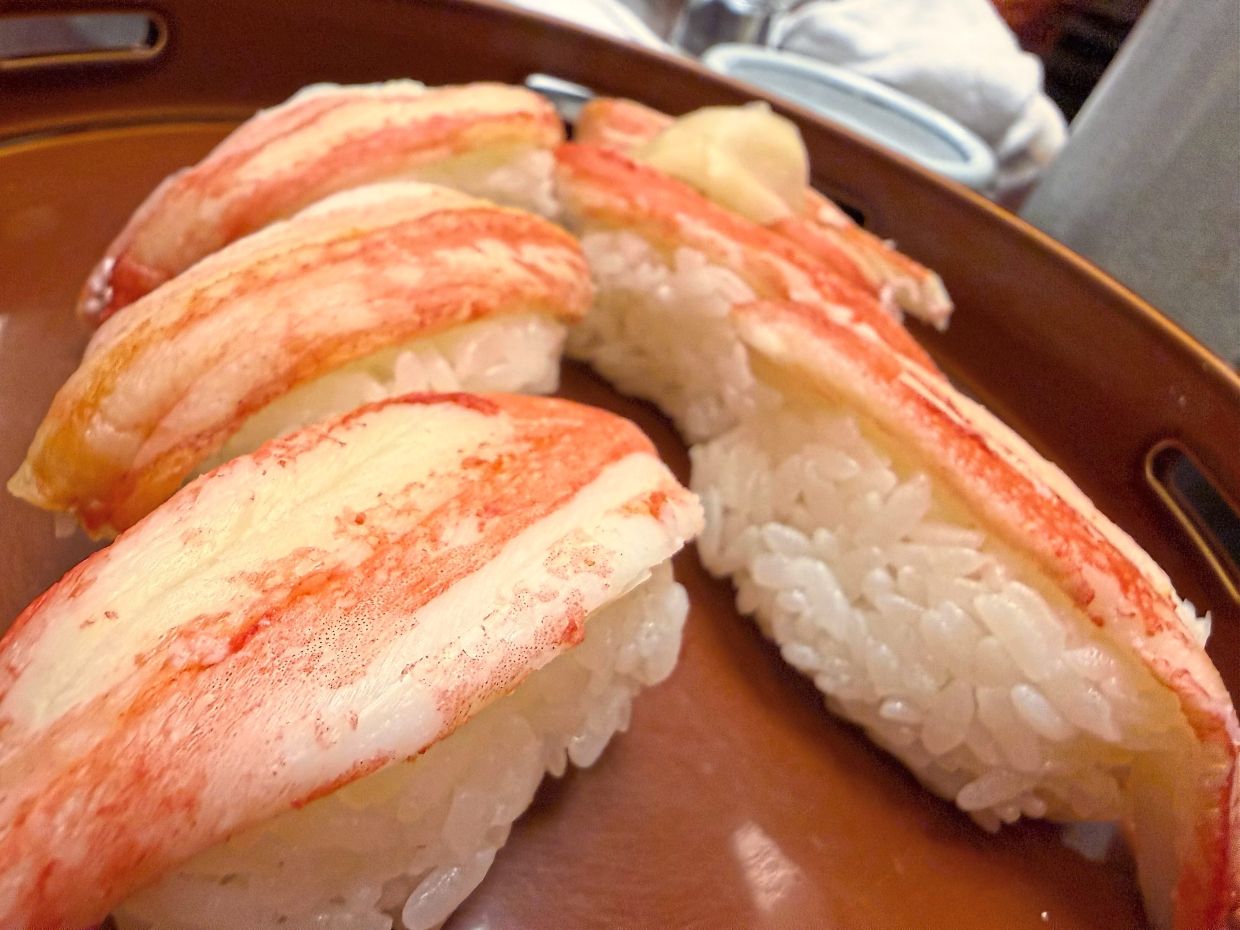
Crab arrives intact, legs long and heavy, shells cracked open, steam escaping like a warning. The flesh is clean, sweet, almost shockingly delicate for something so aggressive in appearance.
You eat with your hands because cutlery would feel dishonest. Butter coats your fingers. Heat burns your skin. Nobody rushes. Nobody talks. Silence, here, is reverence.
Then comes the beef.
This is not careful slicing or decorative plating. Thick slabs hit fire, fat rendering loudly, juices running free. The meat is rich, grounding, deeply satisfying. You don’t interrogate the cow’s biography. You trust the grill, the cook, the process. This is food that doesn’t care if it’s photographed. It wants to be respected – and eaten.
Later, when the cold tightens and the city glows under neon and snow, you find yourself hunched over a bowl of miso ramen.
Sapporo’s ramen isn’t comfort food, it’s functional. The broth is dark and muscular, miso-fermented deep, layered with pork fat, garlic, and heat. Steam rolls upward, fogging glasses, thawing frozen faces. Noodles push back. You finish sweating, coat open, snow melting off your shoulders. It feels like winning something small but important.
Beyond the city, Hokkaido stretches wide and indifferent. National parks sprawl without concern for human schedules. Waterfalls freeze mid-motion, suspended like time forgot to finish the job.
Forests hum with a silence so loud it presses against your ears. This land was wild long before it was welcoming.
There are contradictions too. A zoo on the outskirts stirs complicated feelings – awe, discomfort, admiration. Arctic animals move through snow with effortless grace, perfectly engineered for conditions that would defeat us in minutes. You watch. You question. You don’t resolve it neatly. Neither does Hokkaido.
At dawn, the fish markets wake up hungry.
Nijo Market smells of salt, steel, and urgency. Knives flash. Crates slam shut. Crabs still twitch. This isn’t theatre for tourists, it’s a working ecosystem. Breakfast might mean scallops so sweet they feel unreal, or uni spooned straight from shell to mouth. You eat standing up, coat zipped tight, fingers numb, grateful for the cold that keeps everything honest.
Then there are the detours, the moments that slow you down without warning. The surreal turquoise stillness of Shirogane Blue Pond looks almost artificial, like the saturation has been pushed too far. Snow-dusted hills roll endlessly. Steam rises from hidden springs. Every road seems to lead somewhere quieter.
And here’s the surprise: Japan, right now, feels generous.
With the ringgit holding strong against the yen, Sapporo becomes not just compelling but attainable. Meals that would command eye-watering prices elsewhere feel reasonable. Hotels deliver comfort and precision well beyond their cost.
You find yourself ordering that extra dish, lingering longer, saying yes more often – not because it’s cheap, but because the value feels undeniable.
By your final night, the rhythm becomes clear. Early mornings and heavy meals. Long, unhurried evenings. This is a city that rewards commitment. It asks you to dress warmly, eat boldly, and surrender to winter rather than resist it.
Sapporo doesn’t charm you with polish. It earns your loyalty with substance. With food that warms you from the inside out. With landscapes that recalibrate your sense of scale. With a cold that feels alive rather than hostile.
You don’t leave refreshed. You leave recalibrated.
And that’s the point.
The words expressed here are entirely the writer’s own.
Abbi Kanthasamy blends his expertise as an entrepreneur with his passion for photography and travel.