Jaipur – India’s Pink City – is a place where history, culture and vibrant colours come alive in the most magical way. From the moment you arrive, the city, with its majestic forts and bustling bazaars, envelops you in its old-world charm.
Walking through the streets, you witness artisans creating exquisite block-printed fabrics and handcrafted jewellery.
Eating in Jaipur is an experience all its own, from deep-fried savoury snacks served sizzling hot to creamy lassi and perfectly spiced chai to the sweets, soaked in sugar syrup.
I had visited Jaipur before, but this time I was on a mission: I wanted to understand the delicate balance between the Pink City’s royal heritage and the dynamism of its modern identity.
How does a city that is so rooted in tradition continue to innovate without losing its very essence? As an Indian chef living in England, I was especially focused on its culinary scene.
Unwittingly, my visit coincided with the city’s peak wedding season (typically in February). Hotels were fully booked, and the prices had skyrocketed. Anxious, I reached out to chef Matt Preston, best known as a judge on MasterChef Australia and who had earlier embarked on his own culinary tour of Jaipur. He was full of suggestions.
My first stop was Anopura, a luxury resort about 34km outside the city, nestled amid the mountains. As soon as I entered, I knew this was a true retreat – the perfect place for those of us who are constantly connected to technology to disconnect and embrace the peace.
It reminded me of childhood holidays with my grandparents and cousins in Punjab. Biji, my dad’s mum, would cook over an open fire, with many of her creations left to simmer gently overnight. We would join my grandma to pick vegetables from her farm and watch as she transformed them into delicious creations. Anopura follows the same ethos: fresh ingredients from the farm, cooked with love and with a deep connection to the land.
The thali, the classic Indian platter of small dishes, that the Anopura team cooked for me before I left was a true farm-to-table experience. They draw on a treasure trove of seasonal vegetables which, depending on the time of year, can include cauliflower, carrots and spinach, along with a warming dal, fluffy rice, pickles, flatbread and churma, deep-fried balls of a flour and ghee dough, crumbled and combined with sugar.
Our feast ended with a delicious malpua, a pancake-like dish that is deep-fried in ghee before being soaked in sweet, sticky syrup.
The highlight of my Anopura experience? The incredibly delicious chai, brewed over an open fire beneath the shade of a tree.
Hustle and bustle
The next stop was ITC Rajputana Hotel in Jaipur, just a short walk from the city centre in the Gopalbari district. While not postcard-pretty, it offered comfortable rooms and friendly hospitality, and it was a perfect base from which to explore the incredible architecture of Jaipur.
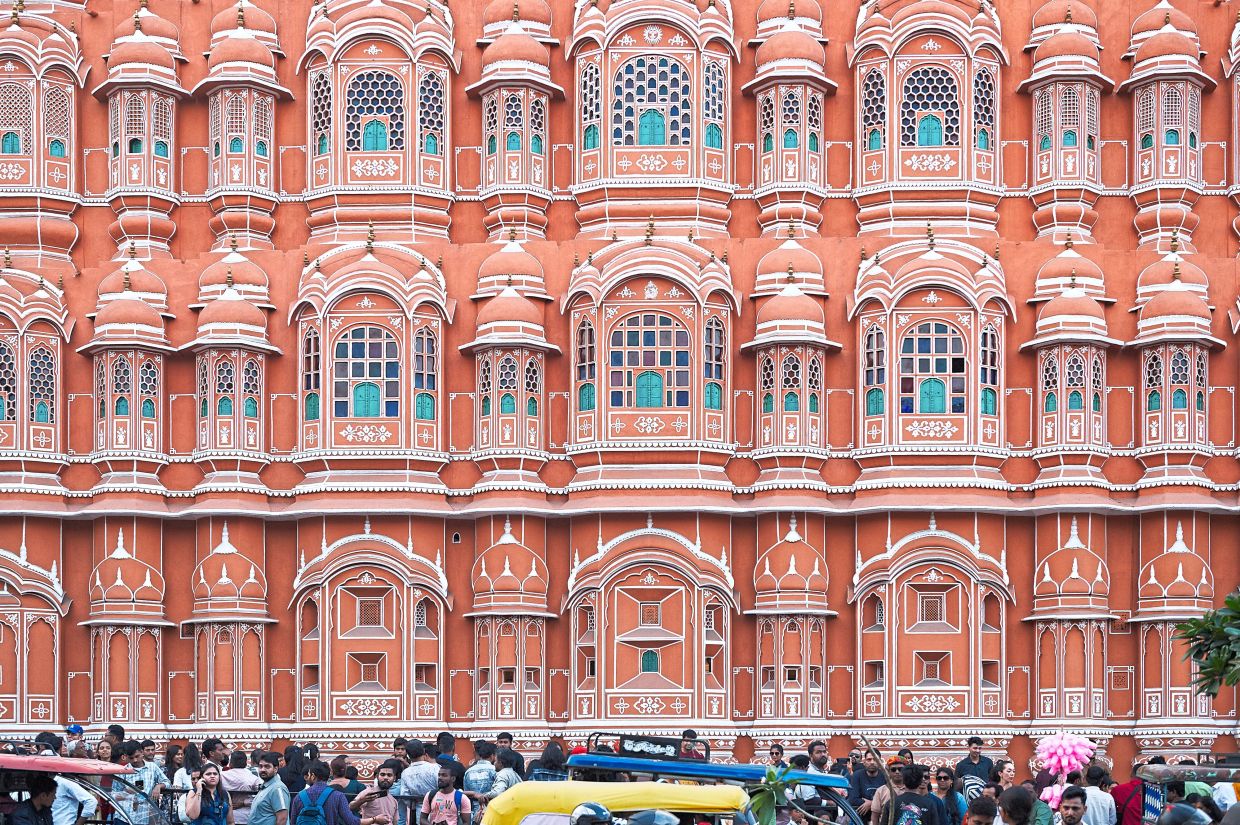
This includes the Hawa Mahal, a red and pink sandstone palace, built in 1799 and designed for the royal ladies to be able to observe the hustle and bustle of Jaipur life without being seen by the public.
The design of the palace mirrors that of Lord Krishna’s crown, as Maharajah Prateep Singh, who built it, was a devotee of the Hindu god. My guide explained how the palace was built to remain cool in the scorching hot summers. Its numerous jharokhas – stone windows that project from its walls – allow Jaipur’s frequent winds to flow through the palace.
These windows served yet another important purpose: Their intricate latticework helped the royal ladies remain unseen.
My Jaipur food journey was guided by two of my connections: Mumbai-based magazine editor Shalini Sharma and restaurateur Gauri Devidayal, also from Mumbai. Gauri introduced me to hotelier and restaurateur Abhishek Honawar, the man behind many of Jaipur’s most successful restaurants.
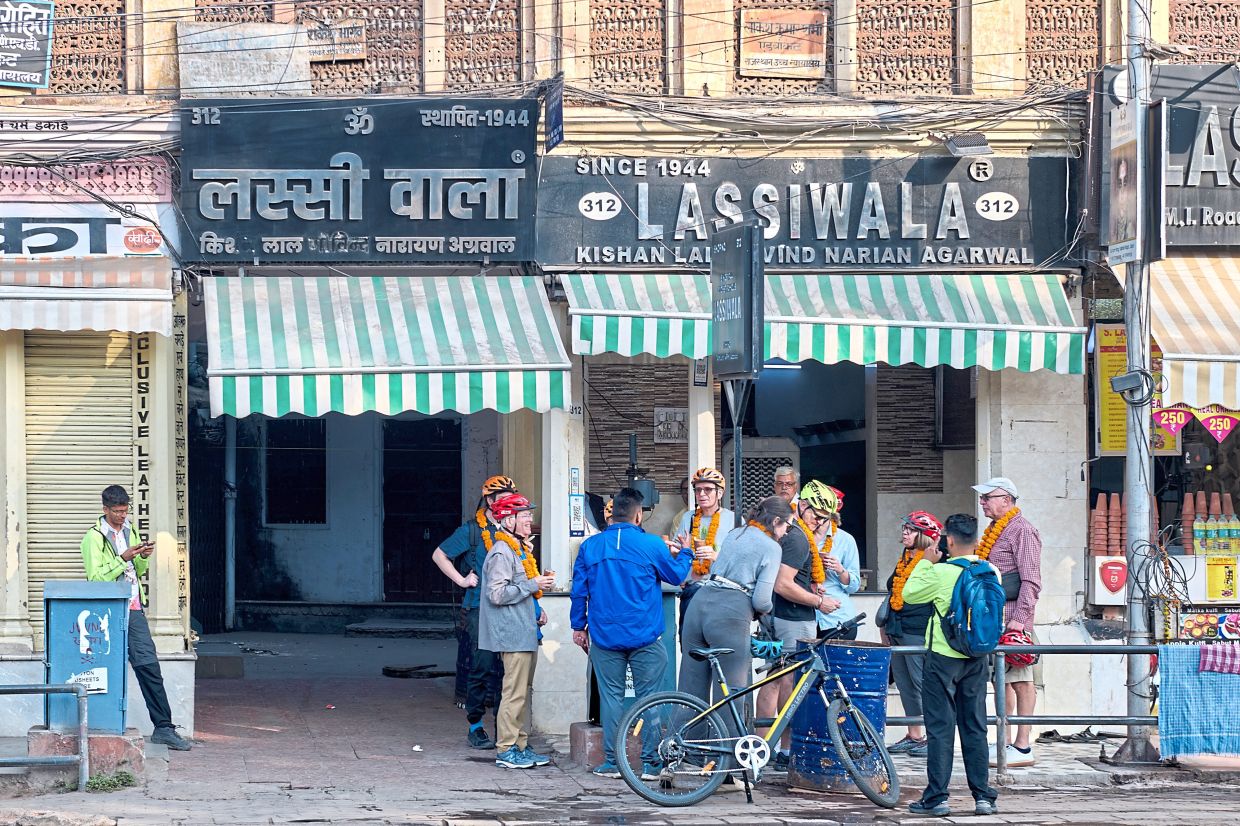
My first stop was the Lassiwala of Kishan Lal Govind Narian Agarwal, a stand that has been in business for 70 years, serving drinks made with yogurt and sugar and topped with a layer of cream and presented in earthen pots. Next I visited Rawat and Samrat, two local restaurants specialising in kachori, or deep-fried snacks, some with a beautiful onion stuffing, others filled with lentils, as well as sweet versions.
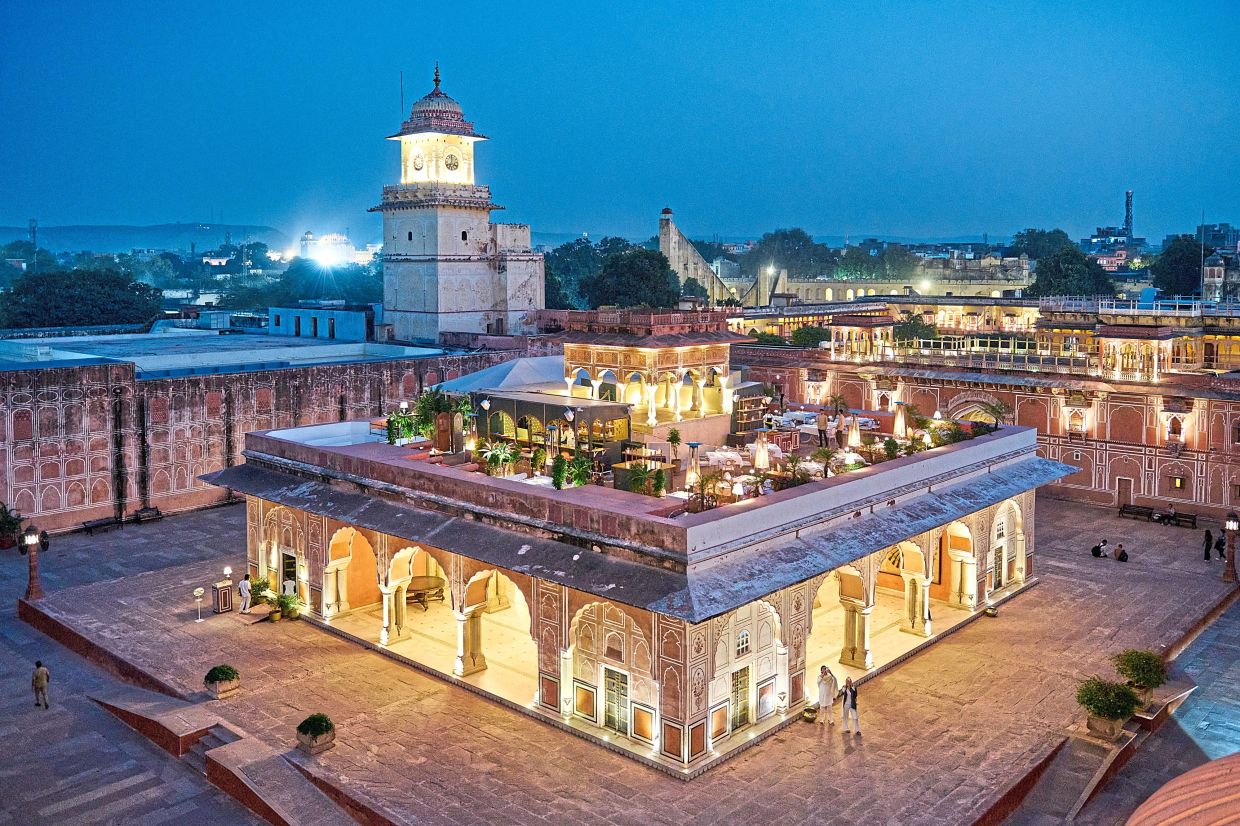
That evening, I dined at the Sarvato Jaipur, which is co-owned by Abhishek and occupies a palatial building that sits in a square within the City Palace complex. The restaurant was on the building’s rooftop, dominated by its central chhatri, a dome-shaped, semi-open pavilion.
The Sarvato offers a contemporary tasting menu that reimagines traditional Rajasthani cuisine such as pansi ki sabzi (sun-dried winter vegetables), bajra malai koftas (dumplings in gravy), lal mass (a spicy mutton curry) and pickles, with traditional flatbreads prepared by women you can watch as they work.
The entire evening was simply magical – what could be better than dining on a rooftop, eating delicious food with views of the stunning City Palace all around?
I couldn’t wait to meet Sawai Padmanabh Singh, the other co-owner of the Sarvato, the next day to learn more about his venture. Padmanabh was crowned the Maharajah of Jaipur when he was only 12.
This meeting came at a polo match at the Rajasthan Polo Club, in which Padmanabh was playing. After the match, he told me how the Sarvato had been born from his deep connection to the City Palace, where his family still has its home in the Chandra Mahal building, with its stunning architecture and the breathtaking views of the city from its roof.
He said his idea had been to serve up the authentic flavours of Rajasthan, reimagined with a modern touch. Abhishek was an obvious choice of partner: a successful hospitality entrepreneur who brought to the table not only industry expertise, but also a shared vision. Sarvato’s blend of tradition and innovation preserves the region’s legacy while introducing a fresh perspective to Rajasthan’s culinary scene.
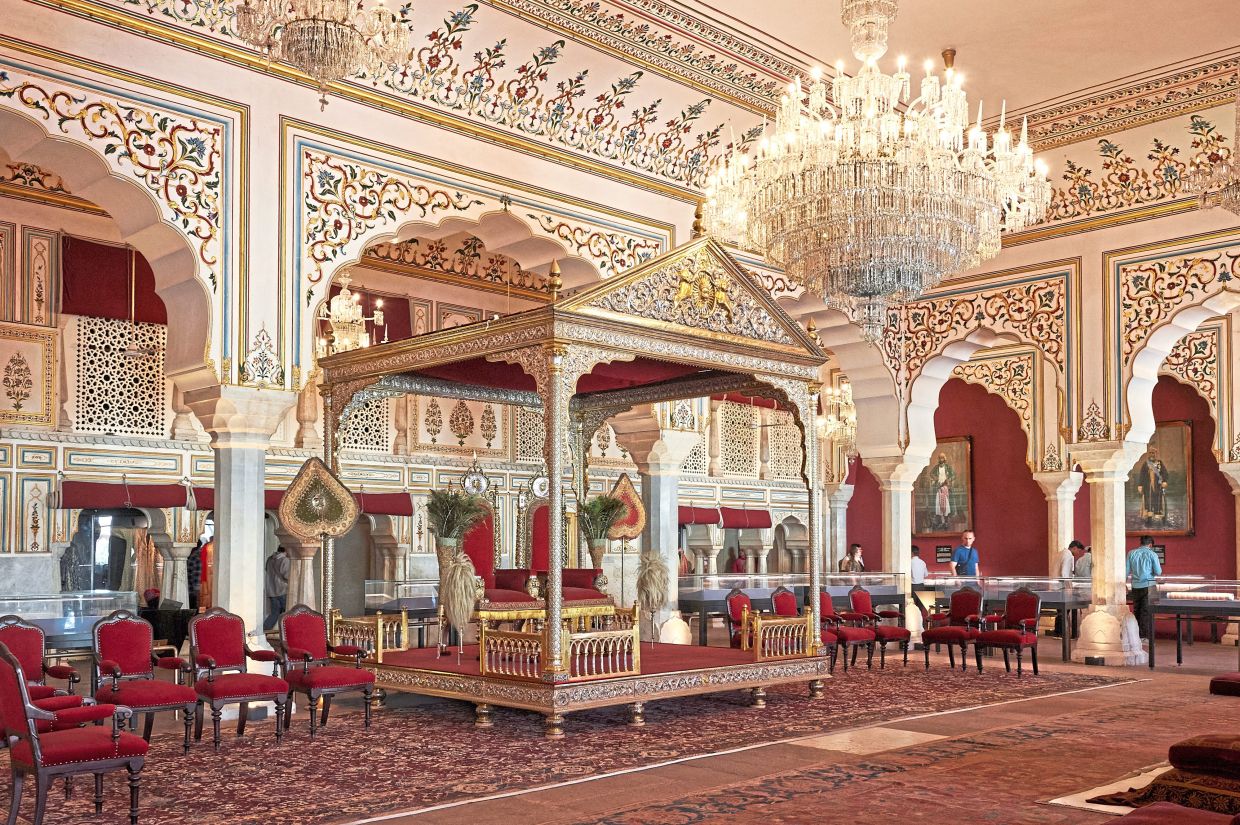
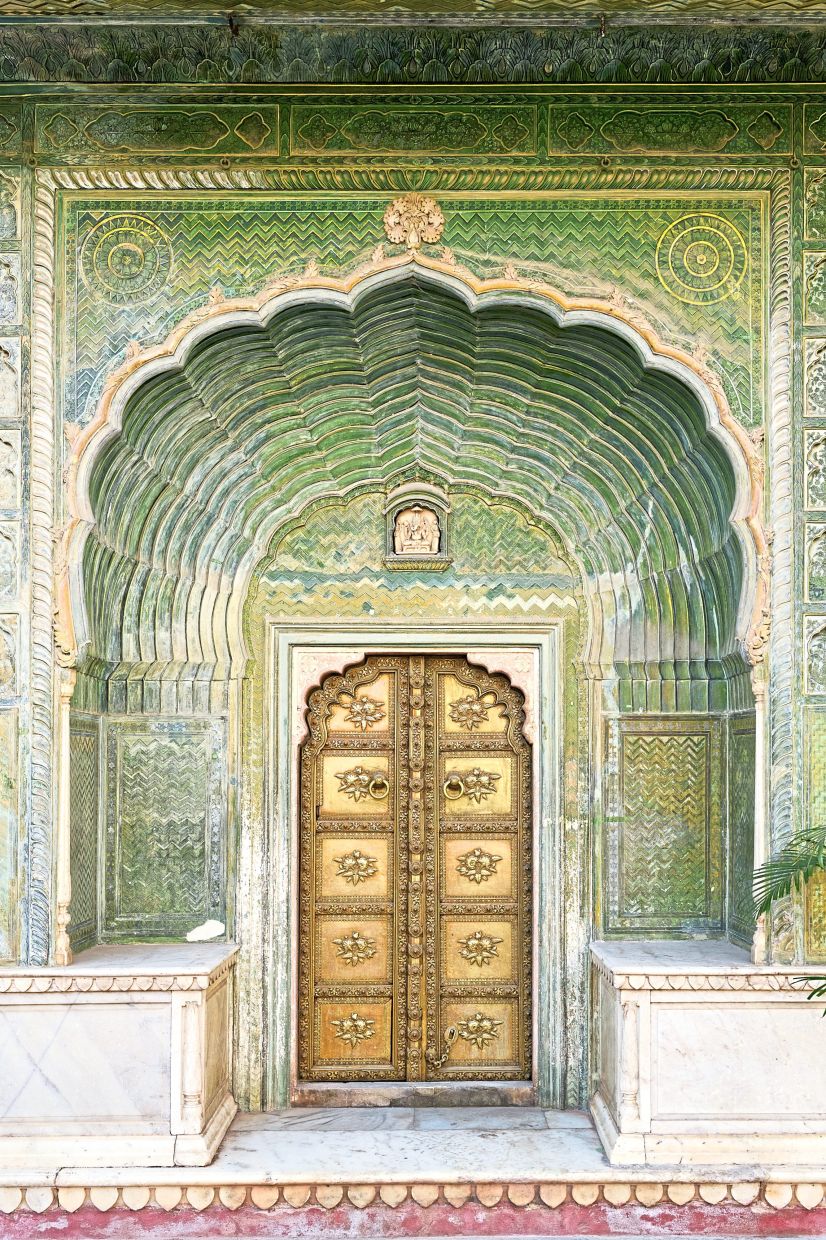
The following day, I took a tour of the City Palace, which dates from the 18th century and which, in addition to housing the titular Jaipur royal family, has galleries, offices, courtyards, restaurants and more.
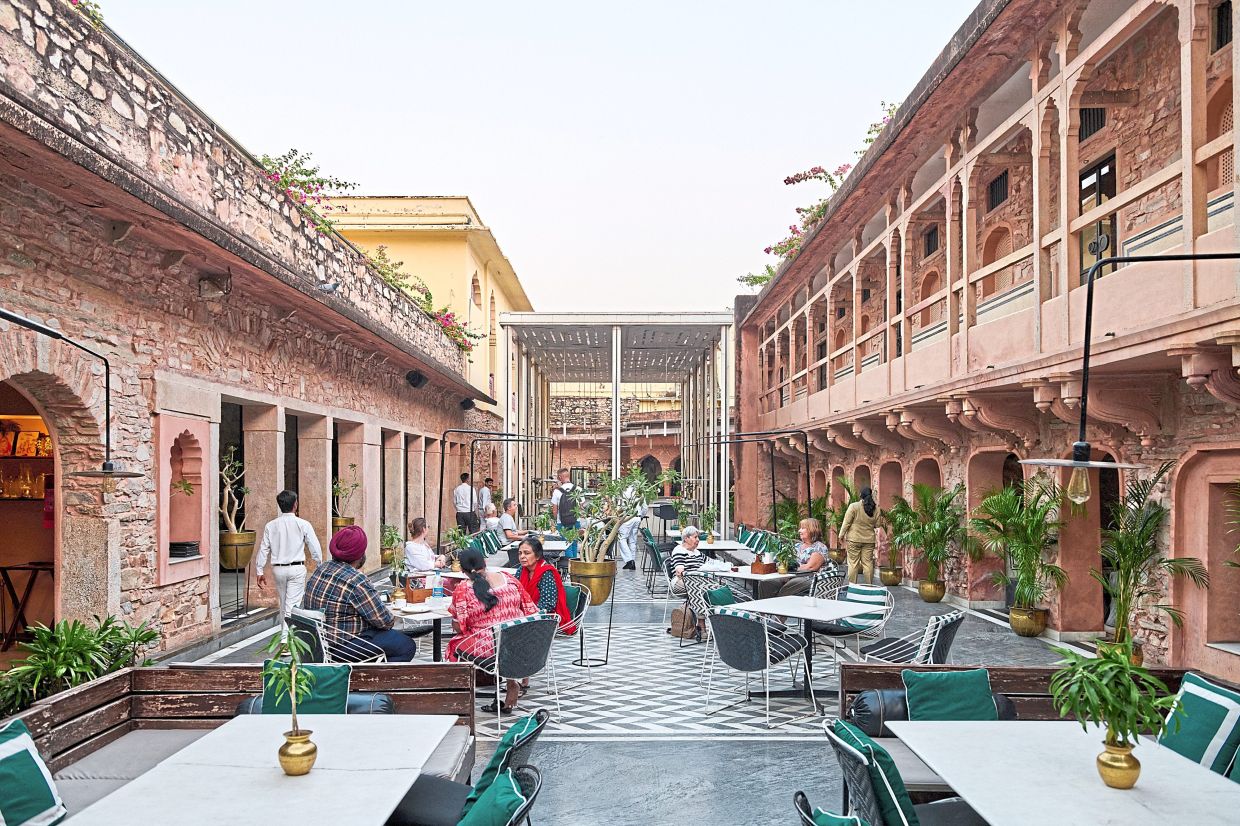
Every courtyard and every room had its own story to tell, its magic pulling me in. A must-visit is the Baradari restaurant within the palace, where the historic walls have been restored and modern design touches have been added, and where the food marries traditional flavours and international influences.
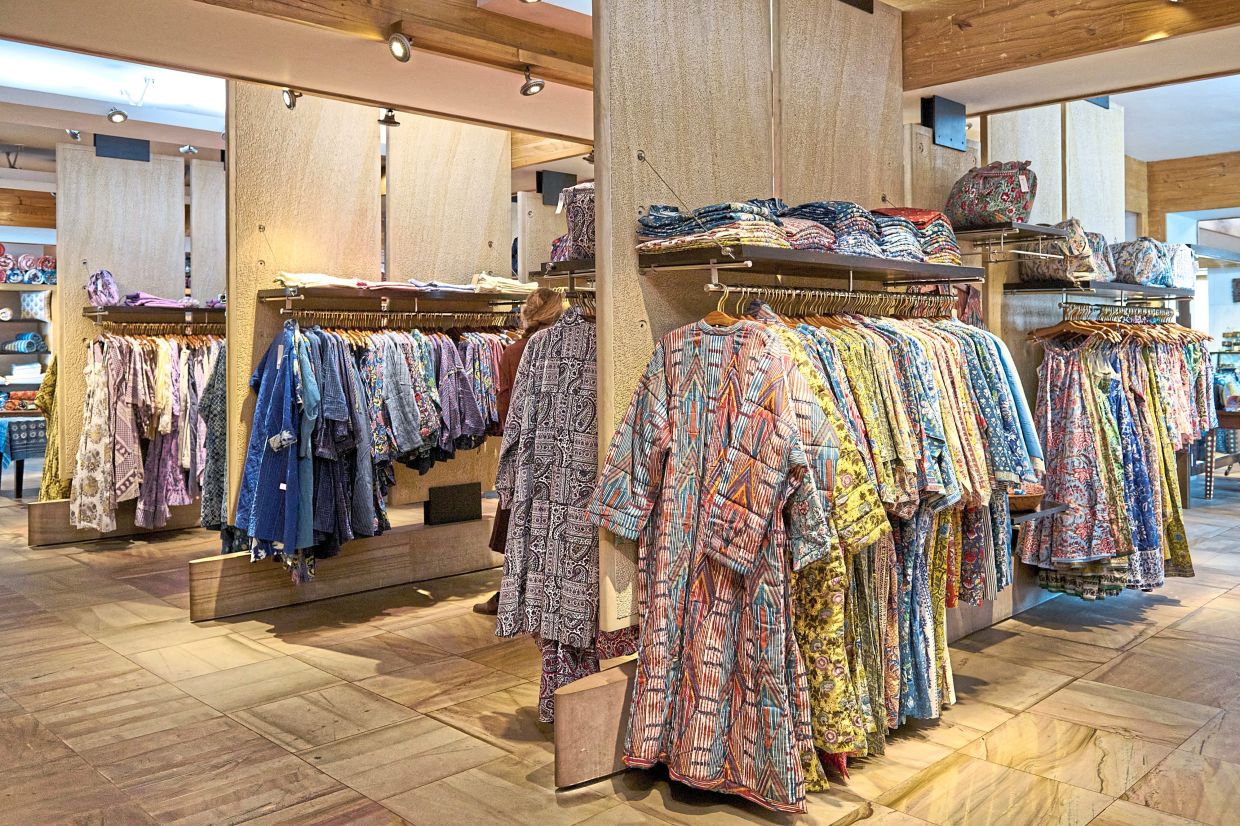
Before leaving Jaipur, I went shopping for my daughters at Ratan and Anokhi, which sell the block print fabric and clothing for which the city is famous. You can stop at the Anokhi Cafe, a very popular place for people visiting to enjoy a meal.
As soon as I’d finished shopping, I made my way to 28 Kothi, a boutique luxury hotel created for jewellery designer Munnu Kasliwal. I was welcomed by Raadhia Chaudhry, who looks after the business, and explored the serene space – a collaboration between Abhishek and Siddharth Kasliwal, Munnu Kasliwal’s oldest son. The place blends elegance with a sense of tranquility.
Within 28 Kothi lies Cafe Kothi, an intimate spot where the menu, though small, is carefully crafted and beautifully executed, fusing local, regional and global flavours. I tried the rava dosa with a lauki (squash) and potato filling, served alongside coconut and red chutney and paired with a coconut water infused with chia seeds. This cafe really did feel like a home away from home.
For my final night, I dined at Johri with Rosanna Falconer, a textile designer, creator and consultant who splits her time between Jaipur and Britain. Hidden within a bustling bazaar, Johri is another masterpiece from Abhishek, a place that seamlessly blends old-world charm with contemporary elegance.
Falconer and I left our food decisions in the hands of the chefs and were treated to a culinary experience that was nothing short of exceptional.
I started with the most delicious pea chaat, fresh, sweet green peas topped with ruby-like pomegranate and pink red onions. I think it was the most beautiful thing I have ever eaten.
Next came the baby palak and paan patta chaat, fresh baby spinach and betel leaves topped with split chickpeas, lentils, yogurt and deep-fried crispy bhujiya sprinkles, made with potatoes and gram flour.
My jackfruit biryani was slow-cooked to perfection, and I finished with the hawa mahal dessert, an airy milk cake with saffron, almond and rose dust.
Jaipur is joyful, loud and full of stories – a city that hums with colour, history, and life. A city that has left a lasting mark on my heart – not just for its incredible food, but for the warmth of the people, the intimate beauty of the palaces, the chaos of the bazaars and the quiet majesty of its sunsets.
There’s a kind of magic that pulls at you long after you’ve gone. Jaipur doesn’t just welcome you; it lingers in your memory and beckons you back. – ROMY GILL/©2026 The New York Times Company
This article originally appeared in The New York Times.
Pink City's allure
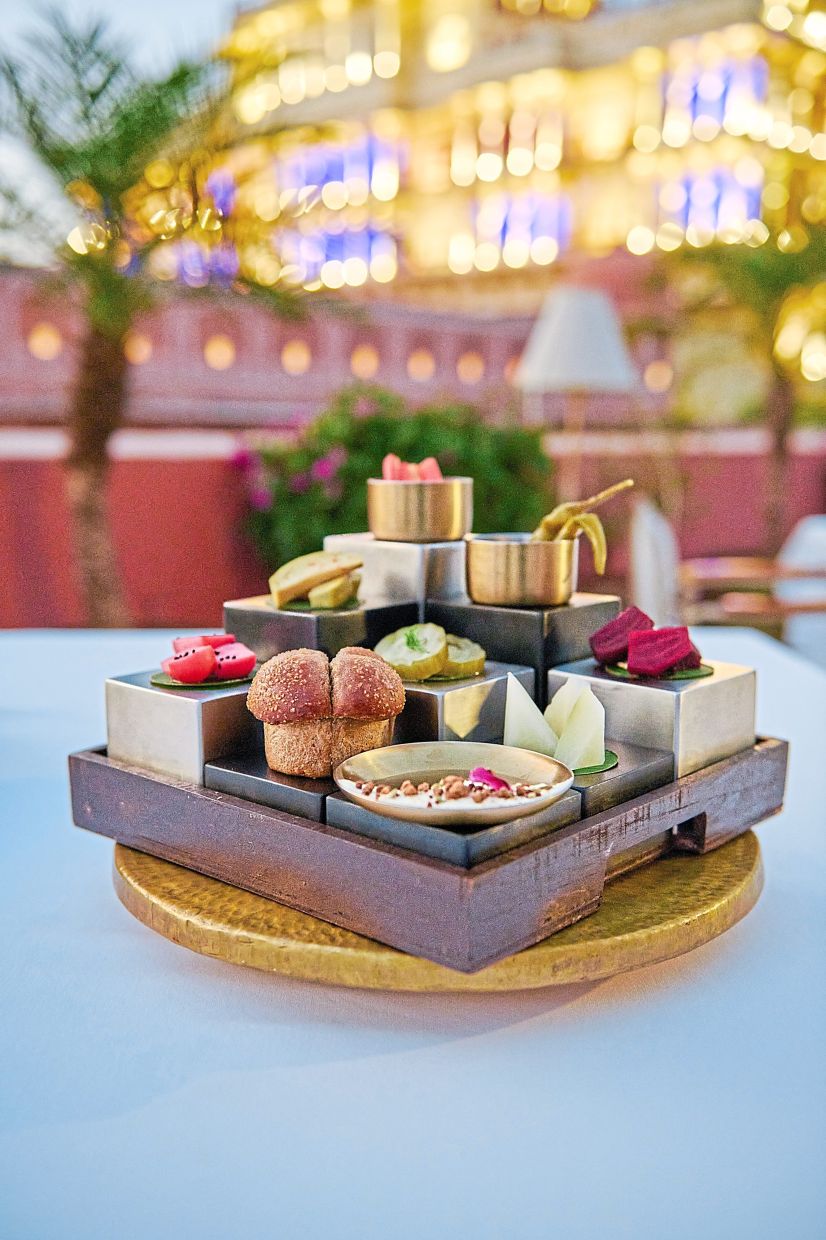
At Sarvato, the tasting menu draws on Rajasthani flavours and food is served in vessels inspired by royal dining traditions.
House-made pickled vegetables, relishes and multigrain bread at Sarvato.
The courtyard at Baradari, a restaurant and bar where the food marries traditional flavours and international influences.
Jaipur is known for these handblock-printed textiles.
The Hawa Mahal’s latticed windows and arched niches allow the women of the royal household to watch morning processions without being seen. Photos: Poras Chaudhary/The New York Times
The Throne Room at the City Palace, which dates from the 18th century, in Jaipur.
The Lassiwala of Kishan Lal Govind Narian Agarwal, a drink stand that has been in business for 70 years.
The Peacock Gate at the City Palace represents autumn and is dedicated to the Hindu god Vishnu.