
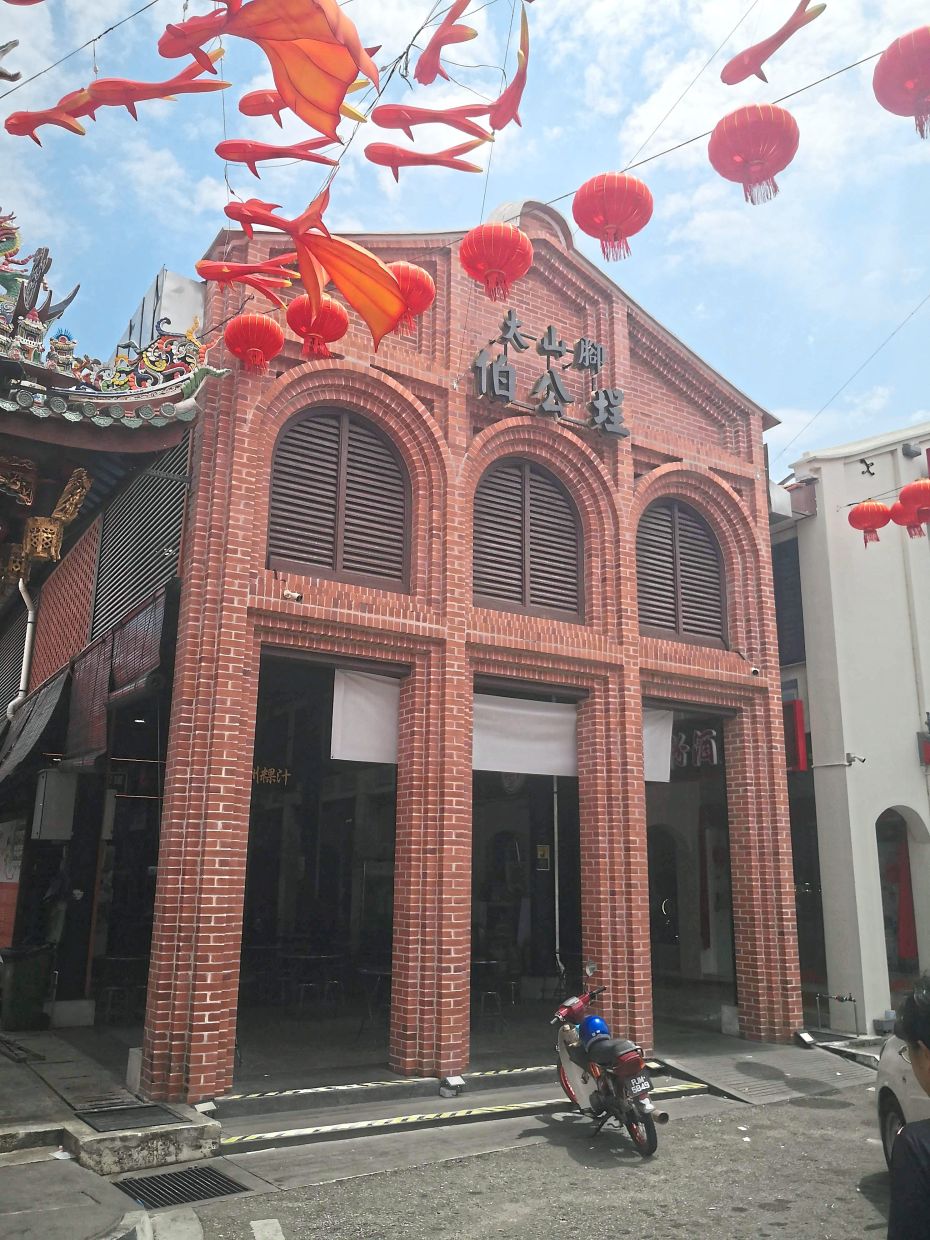
The century-old Tua Pek Kong Temple in Bukit Mertajam, Penang was decked in auspicious red lanterns and brightly coloured carp-shaped ornaments, symbolising perseverance and prosperity, when visited earlier in the year.
That set the perfect Chinese New Year mood for festive celebration among family and friends, besides giving opportunity for individuals to indulge in meaningful self-reflection as another annual cycle dawned.
Also known as the Hock Teik Cheng Sin Temple, Tua Pek Kong Temple is strategically located in Jalan Pasar, which forms the beating heart of mainland Penang’s largest town and primary administrative centre.
Early days
This popular place of worship traces its origin to the early days when Bukit Mertajam was just a small agrarian village surrounded by bountiful clove, cinnamon, sugarcane and pepper plantations. These were worked on primarily by the industrious and resourceful Hakka-speaking Fui Chiu and Teochew settlers.
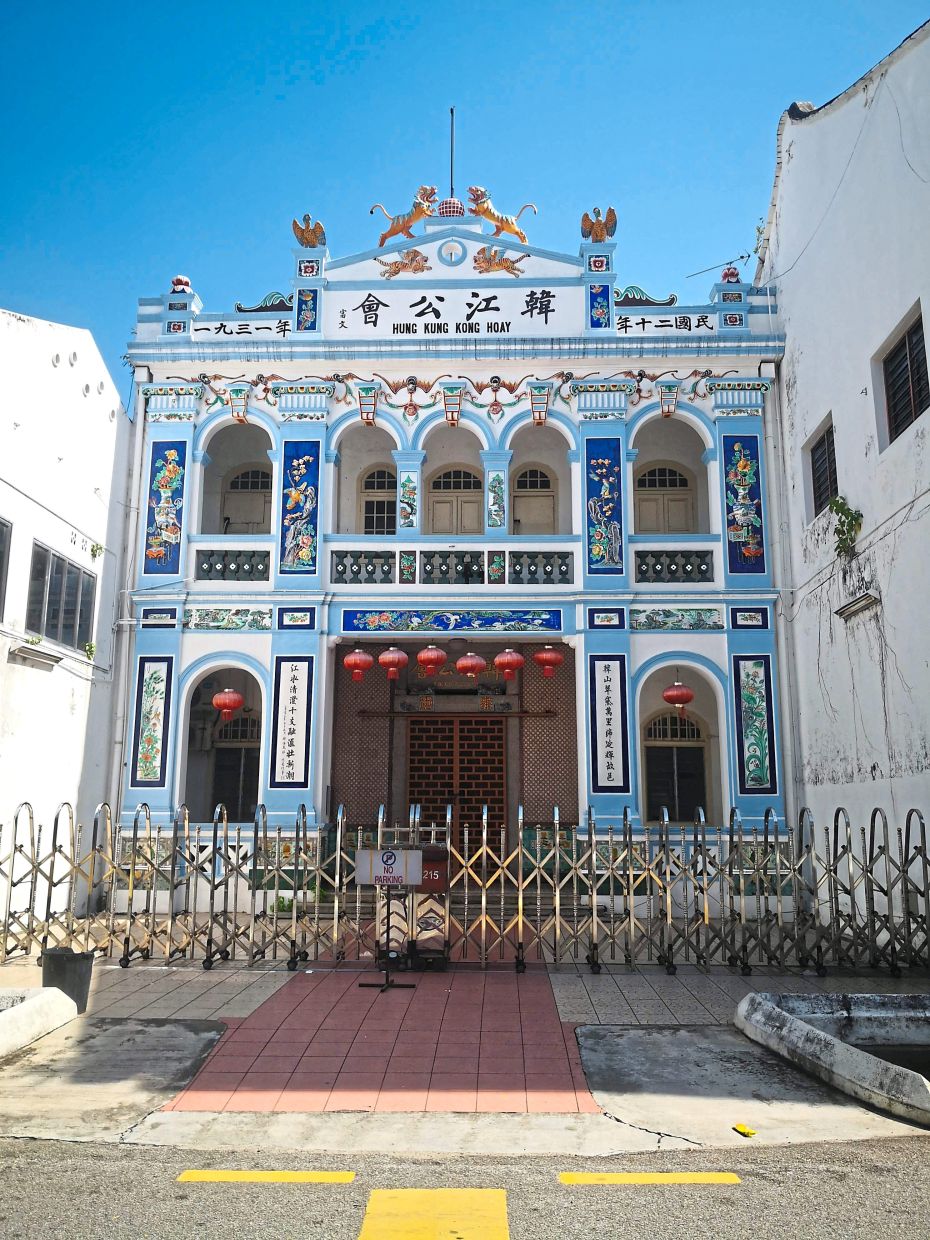
Built in 1886 with public funds and financial support from successful businessmen and prominent community leaders, Tua Pek Kong Temple not only served as a place for individual and collective worship but also became venue for tribunals concerning community matters like destitute welfare, dispute settlement and education.
Temple activities ground to a temporary halt more than a century later after the building’s inner walls and precious cultural relics, including deity images, were destroyed during a night time inferno that spread from a nearby hawker centre on July 3, 2019.
Fortunately, granite foundations and external structures that remained intact allowed skilled artisans to give the building a new lease of life. Some three years later, the temple rose like a phoenix from the ashes and regained its former glory.
Memories were refreshed after the new deity images were installed during the official opening in October 2022, when those present recalled that although the temple was dedicated to Tua Pek Kong (God of Prosperity), the principal deity was actually Xuanwu or the Mysterious Warrior who claims prominent place in the middle of the altar.
Legend has it that Xuanwu was a butcher who mercilessly killed many animals. Overwhelmed by remorse, he abandoned the work and retired to a remote mountain. A chance encounter with the benevolent Goddess Guanyin prompted him to atone for his sins by gouging out his stomach and intestines and cleansing them in the river.
Moved by his sincere purification act, the Jade Emperor bestowed Xuanwu immortally with the title “Xuan Dian Shang Di”. However, trouble surfaced when Xuanwu’s stomach and intestines, after transforming into a demonic turtle and snake, began terrorising the land.
Xuanwu, who eventually subdued them, is often depicted in a seating stance in temples with a snake under his right foot and his extended left leg overpowering a turtle.
Widely revered in China’s Guangdong, Guangxi and Fujian provinces, the practice of praying to Xuanwu spread to South-East Asia including Bukit Mertajam with the 19th century overseas Chinese diaspora.
Hidden secret
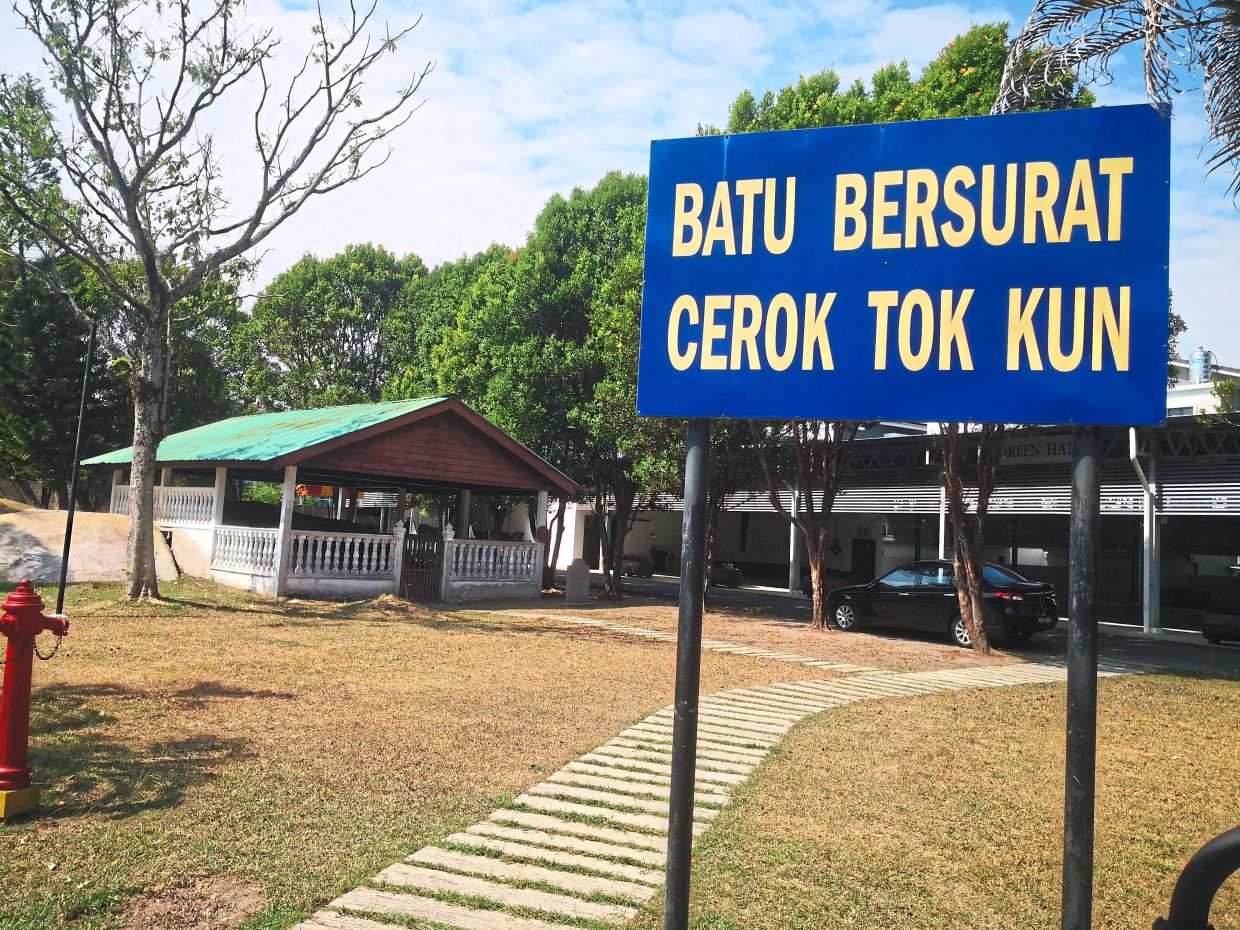
Travelling some 2km away from the town centre gives opportunity to turn the sands of time further back by visiting Bukit Mertajam’s earliest civilised settlement indicator. Located at a quiet corner within the expansive compound of the Minor Basilica of St Anne, this historic monument is a granite boulder that bears a string of Sanskrit characters that roughly translates as “Thus vanquish, the enemies of King Ramaunnibha”.
Believed to date as early as the 6th century, this Batu Bersurat Cerok Tok Kun was first documented by British Army officer Colonel James Low in 1845. The only ancient megalith in Penang recognised by the Malaysian Department of Museum and Antiquities, it is said to mark the southernmost boundary of the ancient Bujang Valley civilisation (in Kedah), which is the oldest of its kind in South-East Asia.
Although Colonel Low recorded his profound disappointment of not finding a more spectacular temple ruin, fact remains that Batu Bersurat Cerok Tok Kun had already long existed when French missionaries started arriving to provide service to Indian and Chinese Catholic migrant families.
These are families who had settled at the foothills of Bukit Mertajam as early as 1833 to work at nearby farms and orchards.
Some five decades older than Tua Pek Kong Temple, the Minor Basilica of St Anne started off as a rudimentary chapel that was built to accommodate the growing congregation with the first baptisms held in 1846. As the Catholic community continued to expand with regular visits by priests from nearby Permatang Tinggi, a larger chapel was built in 1865 before a proper church, which still stands to today, was constructed some 20 years later.
While the early years of the 20th century was relatively uneventful, the same could not be said after the Japanese Imperial Army invaded Malaya during World War II. During that tumultuous period, regular public worship was suspended after parish priest Father Joachim Teng was arrested and jailed.
Making matters worse, Japanese troops stripped the property of things that could be repurposed to make armaments to support the ongoing war effort including the three church bells that were installed in 1896. Unfortunately, only one was successfully recovered after the British returned to Bukit Mertajam in September 1945.
Even as liberation brought much needed respite for parishioners, the relief proved short-lived. Church grounds were once again closed during the ensuing Malayan Emergency following a nationwide curfew imposed to quell communist insurgent advances.
Besides food rationing and travel restrictions, the hills around Bukit Mertajam including the one at the back of St Anne’s Church were repeatedly bombarded by British warplanes to wipe out suspected terrorist hideouts.
Today, however, this elevated area, that was once considered dangerous, is now a well visited venue that is home to the Stations of the Cross, the original 1840s chapel foundation and the St Anne statue.
Bright future
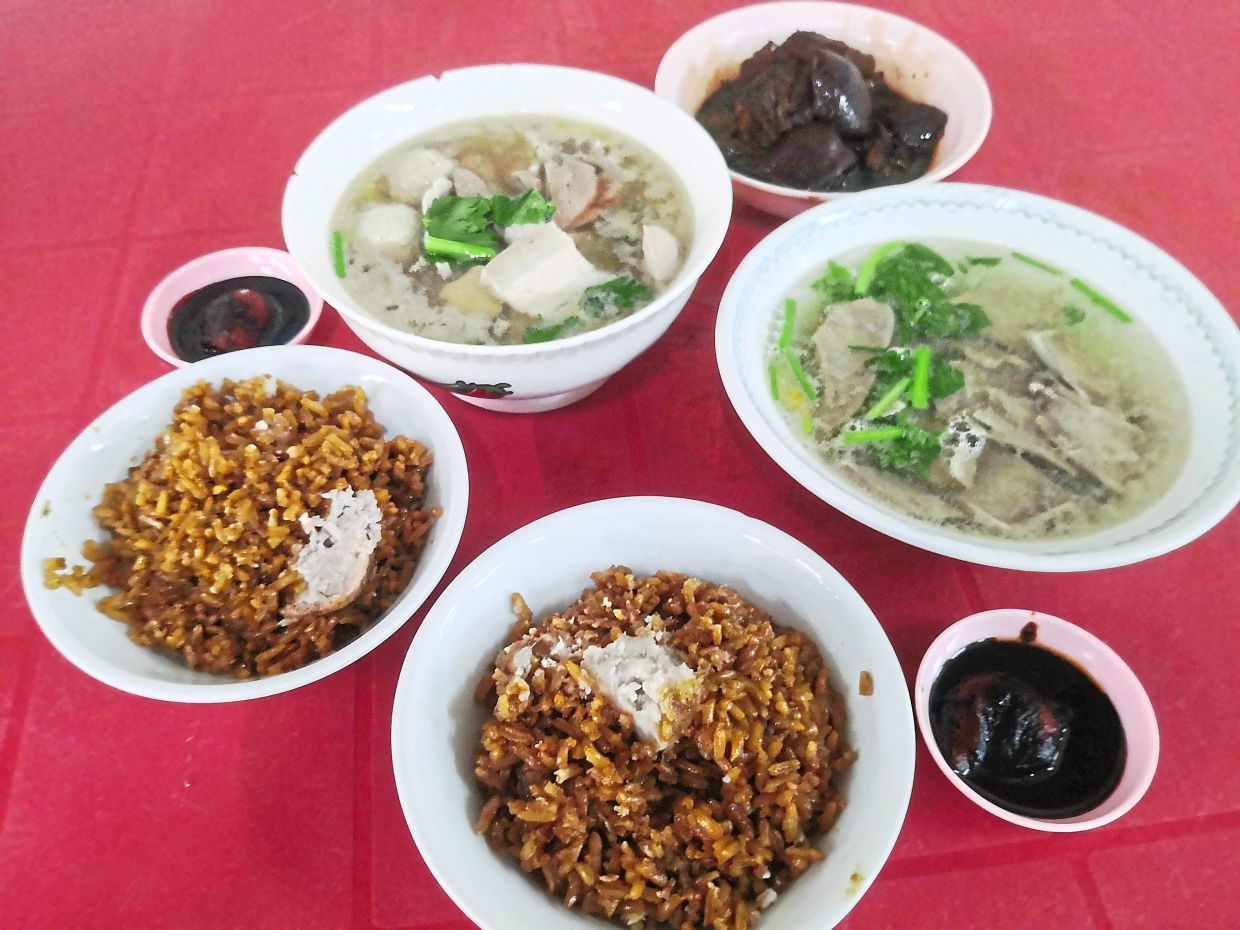
Back in the town centre, visitors are spoilt for choice when it comes to lunch options. Apart from the usual street food choices, decades-old establishments like Yoong Kee Eating Shop and Rojak Orang Hitam Putih at Jalan Teh Cheok Sah offer tasty culinary delights that are unique to Bukit Mertajam.
Worthy of a Michelin Bib Gourmand recognition, BM Yam Rice Restaurant at Jalan Murty is popular with both locals and out-of-towners who appreciate its signature namesake that comes with a conspicuous shrimp flavour.
Established in 2006, it has been serving a wide variety of side dishes that are prepared with the owner’s family recipe. Not to be missed is the briny-sweet pork broth with a delicious tangy depth from generous pickled mustard green inclusion.
A leisurely after lunch walkabout gives opportunity to fully appreciate Buikit Mertajam’s rapid and well-planned development experienced after the Malayan Emergency ended. Counting down the days to self-rule and eventual Independence in 1957, the authorities reintroduced local council elections, halted during World War II, to heighten efficiency at all levels of administration.
These elections encouraged civic participation and, more importantly, boosted local democracy through crucial inter-ethnic alliances.
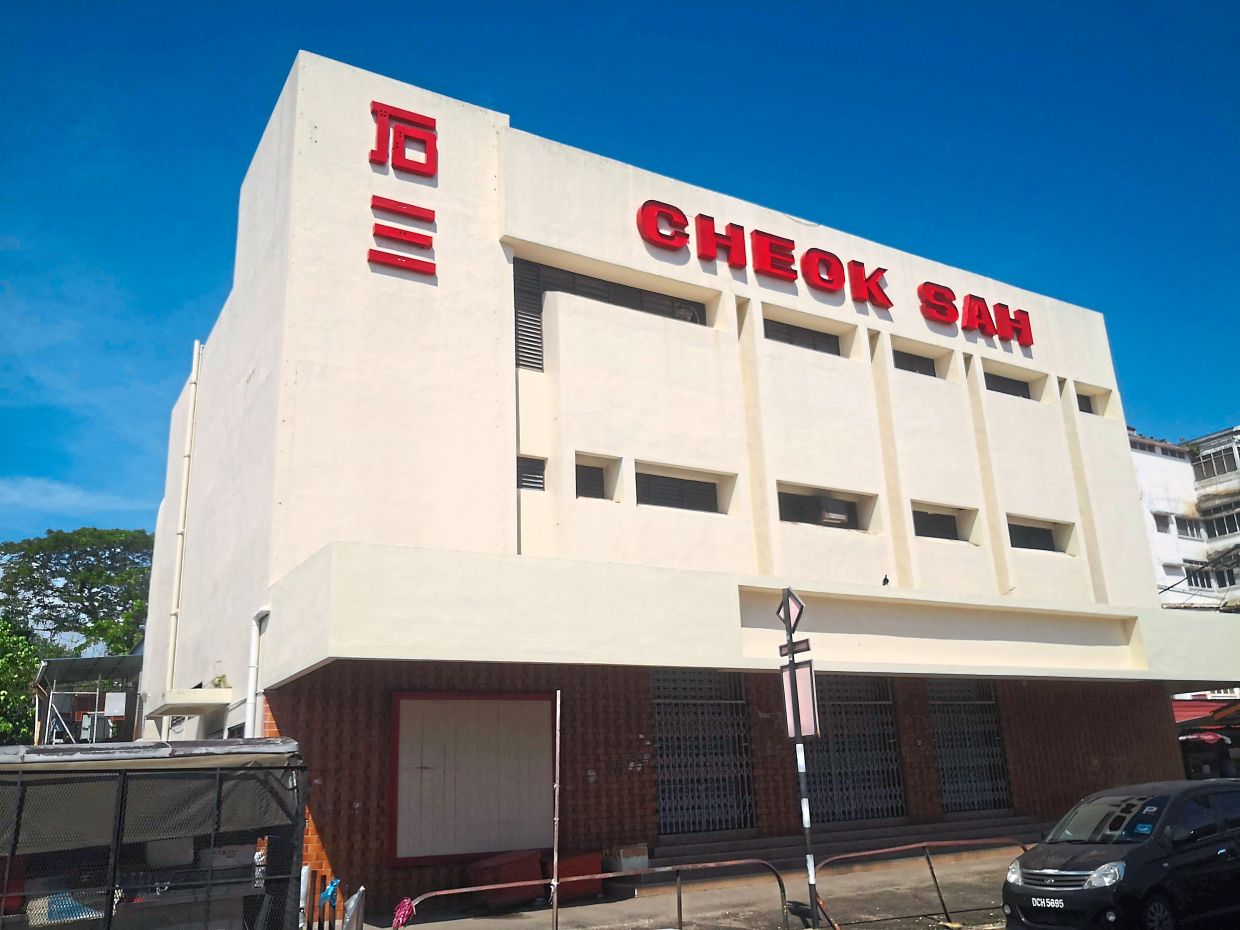
As the town prospered, higher disposable income saw the emergence of better public entertainment choices. Cheok Sah Cinema and City Light Theatre became social epicentres for the people of Bukit Mertajam who arrived by the droves to indulge in cinematic splendour through local as well as foreign produced movie screenings.
The magic of the silver screen reigned supreme well into the 1980s before the introduction of colour television and video cassette players marked its permanent decline and eventual extinction.
While the town centre has successfully retained its old-world charm, visitors seeking modern dining and entertainment options can head over to nearby developments like Icon City.
A vibrant, modern commercial hub and a popular nightlife destination featuring a wide array of cafes, restaurants and retail outlets, Icon City together with its luxury Iconic Hotel Penang anchor help propel Bukit Mertajam towards a brighter future as well as contribute towards making it a worthy destination for intrepid travellers seeking to spend quality time away from the other well-trodden tourist spots in Penang.
Travel notes
How to get there: Bukit Mertajam Train Station is served by both the Komuter and ETS rail services. Upon arrival, walk to the main road and turn right to reach the bus stop. Rapid Penang Bus number 802 plies between the station and the town centre.
Both cash and Touch ‘n Go cards are accepted for fares.
Where to stay: Centrally located at Icon City Bukit Mertajam, Iconic Hotel Penang has 195 distinctively themed rooms that reflect modern, urban or contemporary designs.
Other places to check out: Bukit Mertajam Recreational Forest, Cherok Tok Kun Hill or simply walk around the town centre to see skilled craftsmen with their vanishing trades along quaint streets like Jalan Datuk Ooh Chooi Cheng.