There is a particular insult in watching an airfare rise while politicians talk about “strategic necessity”.
You see it on your phone first. A fare that looked reasonable yesterday suddenly has a fever. A family holiday becomes a spreadsheet. A work trip becomes a negotiation. A quick escape to Sri Lanka, Thailand or Australia starts to feel like you are underwriting someone else’s war.
This is what happens when men in Washington in the United States and Tel Aviv in Israel decide to set fire to a region that happens to sit on the artery of the global oil trade.
The bombs fall there but the bill arrives here.
The world does not need a full shutdown of oil to panic. It only needs fear. And right now fear is moving faster than crude.
The Strait of Hormuz, that narrow choke point most holidaymakers never think about, normally carries about a fifth of the world’s oil and gas flows. Traffic there has been badly disrupted, exports from West Asia have plunged, and crude oil has surged past US$100 (RM391) a barrel on the back of the conflict and the effective closure of the strait.
That is not a distant energy-market story. That is your ticket to Perth (Australia). Your cousin’s trip to London in England. Your long-awaited school-holiday break. The whole fantasy of affordable movement starts wobbling the moment oil traders smell smoke over Hormuz.
And let us be honest about who helped create this mess. This latest shock did not rise out of the sand by itself. It is tied directly to the war involving the US, Israel and Iran, and to the military escalation that sent the region’s shipping and energy systems into convulsions.
The language used by governments is always so clean.
Deterrence. Security. Response. Stability.
But the economics are filthy.
When a superpower and its closest regional ally decide that another round of military escalation is acceptable, they are not just launching strikes. They are detonating freight costs, insurance premiums, refinery margins and jet fuel prices. This is already being treated as one of the biggest oil-supply disruptions in modern history, with millions of barrels a day affected in the region.
And once jet fuel spikes, airlines do what airlines always do. Not because they are saints. Not because they are villains. Because they are businesses with metal tubes to fill and fuel tanks to pay for.
So no, I am not going to pretend the airlines are innocent doves. But nor am I going to join the lazy chorus pretending they caused this. They did not light the fuse. They are simply passing along the burn.
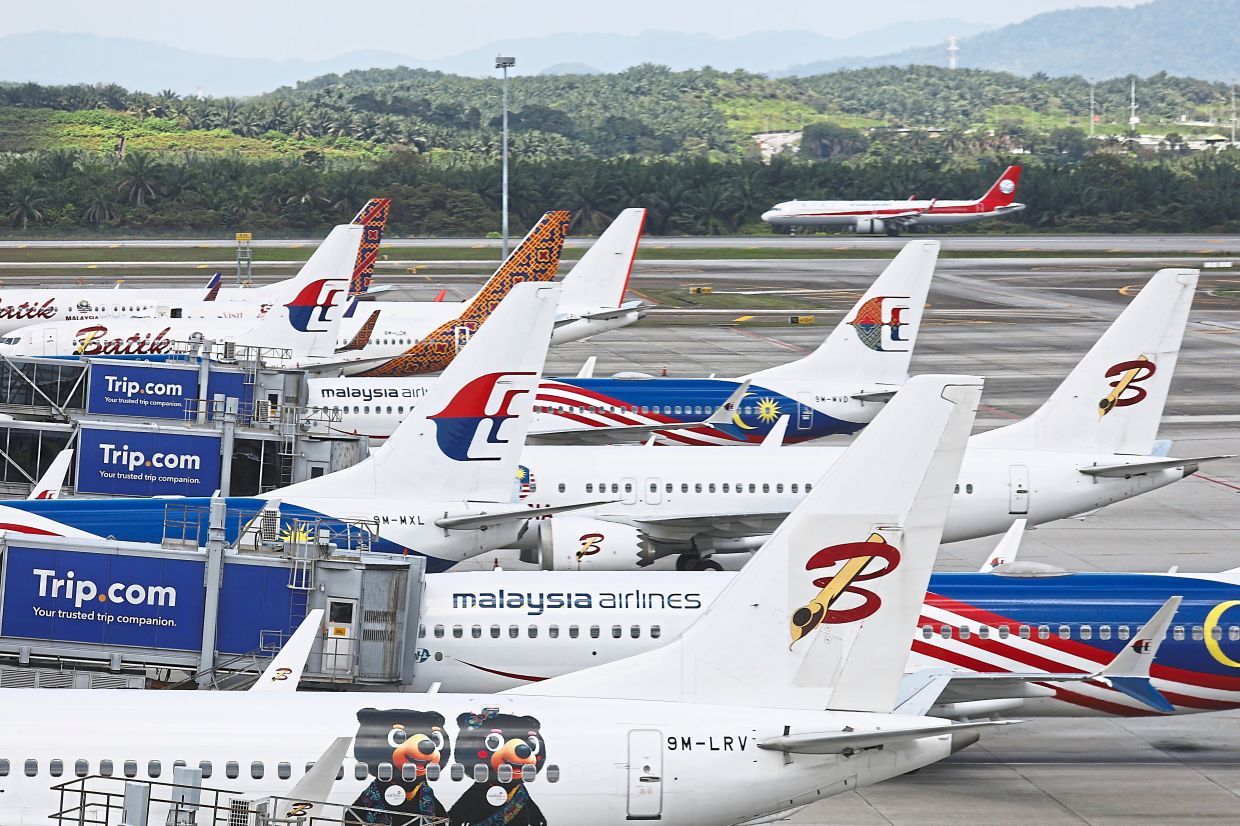
In Malaysia, Batik Air has been the most direct with its surcharge announcements. It has introduced modest fare adjustments and route-based fuel surcharges, with implementation beginning this month on selected routes.
Malaysia Aviation Group, the parent company of Malaysia Airlines and Firefly, has publicly said it is continuously reviewing fares and fuel surcharges in response to market volatility, while trying to balance cost management with connectivity. That is polished corporate language for a simple truth: if this keeps going, passengers will pay more.
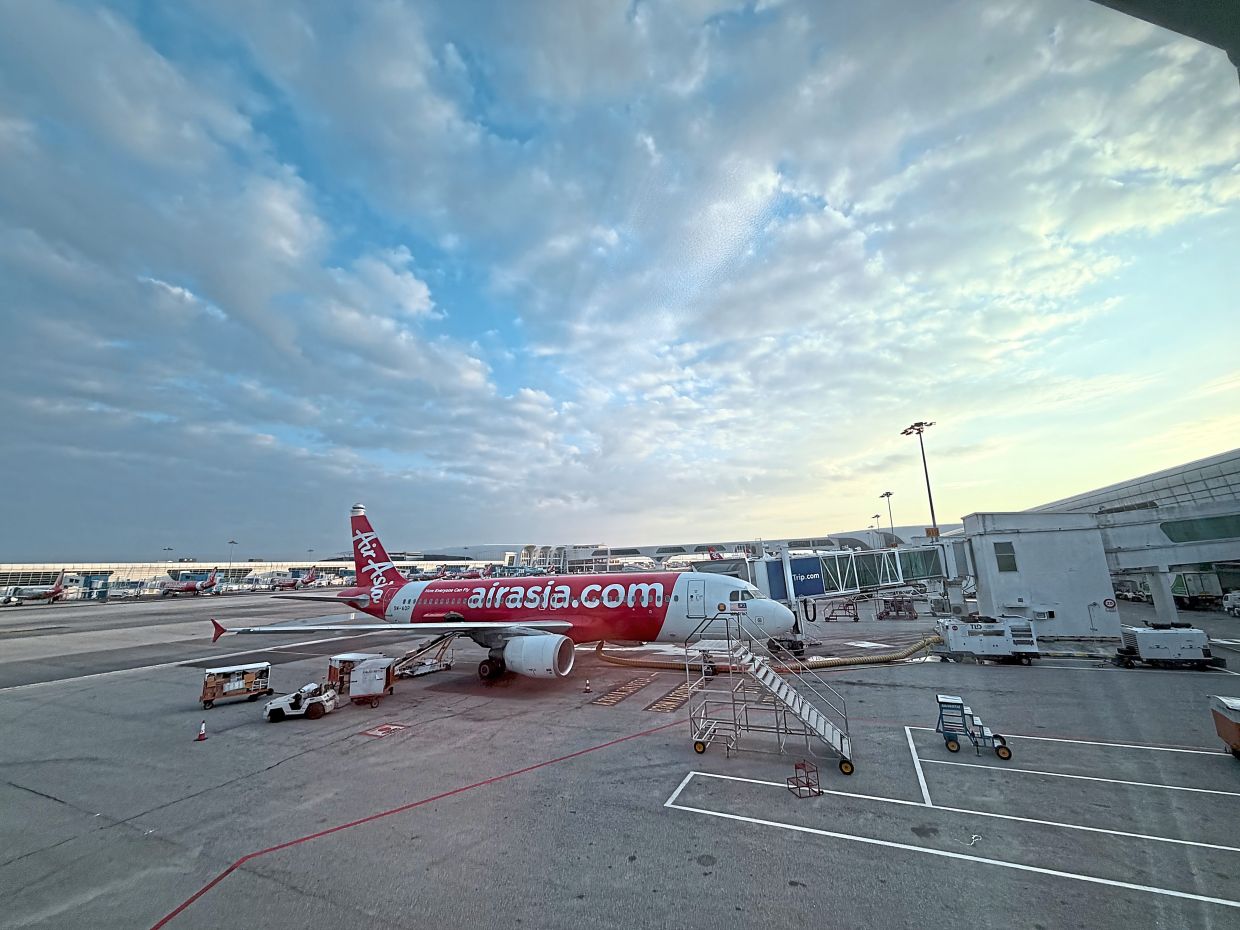
AirAsia, according to recent reporting, has taken a more calibrated approach – introducing only measured, temporary fare adjustments while actively managing costs to avoid passing the full burden onto passengers. No melodrama. Just disciplined cost control and the quiet mathematics of pain being shared, not simply pushed downstream.
This is the short-term strategy across the industry: pass through some cost, soften the wording, try not to kill demand, and pray the oil market calms down before the public notices the full damage.
The long-term strategy sounds more elegant. New aircraft, more fuel efficiency, better route planning, sustainable aviation fuel, and fleet renewal. All sensible. All useful.
None of it changes the central truth that when geopolitics turns oil into a weapon, even the best-run airline is still trapped in the blast radius.
Some airlines are already hiking fares, cutting flights, or warning that hedging strategies are not enough when jet fuel surges this violently. That is the part the public should understand.
The airfare shock is not some isolated airline trick. It is the travel industry’s version of collateral damage. And collateral damage has become the preferred export of modern war.
A missile hits in the Gulf. A tanker reroutes. An insurer reprices risk. A refinery tightens supply. A jet fuel contract spikes. An airline revenue manager updates a spreadsheet in KL. A mother in Penang decides the family holiday can wait another year.
This is how power works in the age of consumer convenience. It does not always arrive in uniform. Sometimes it arrives as a surcharge.
For many of us, travel is supposed to be one of life’s last remaining acts of optimism. You save, you plan, you leave home for a few days to remember that the world is wider and stranger and more beautiful than your own routine.
But every time Washington and Tel Aviv decide to “manage” West Asia with explosives, they make that simple human pleasure more expensive for everybody else.
So the next time your airfare jumps, look beyond the airline counter.
Look to the men in suits who talk about precision strikes and regional order while setting loose disorder on a scale so vast it reaches right into the booking page on your phone.
The cruel genius of this kind of conflict is that the people who start it rarely pay for it in the ordinary way.
You do.
At check-in. At the departure gate. At the moment you realise the world’s most powerful nations have once again turned someone else’s homeland into a global invoice.
And the most brutal part? The people who started the fire will never see the bill – but you will, every single time you try to leave home.
The words expressed here are entirely the writer’s own.
Abbi Kanthasamy blends his expertise as an entrepreneur with his passion for photography and travel.